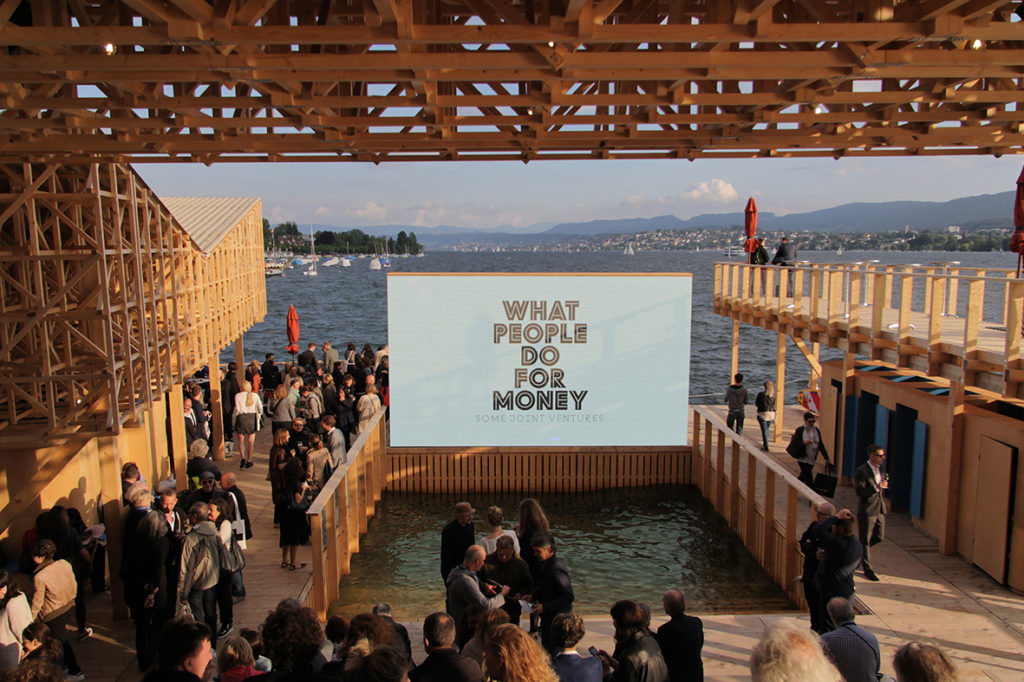
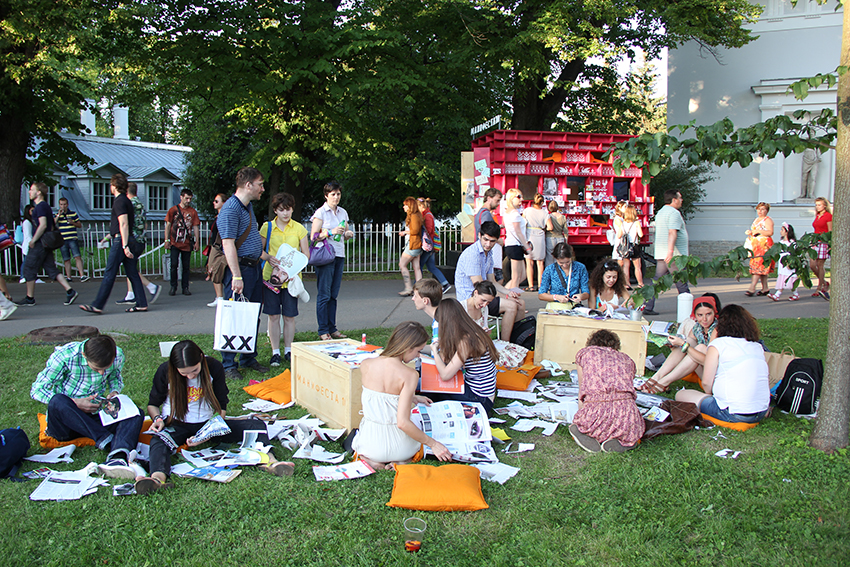
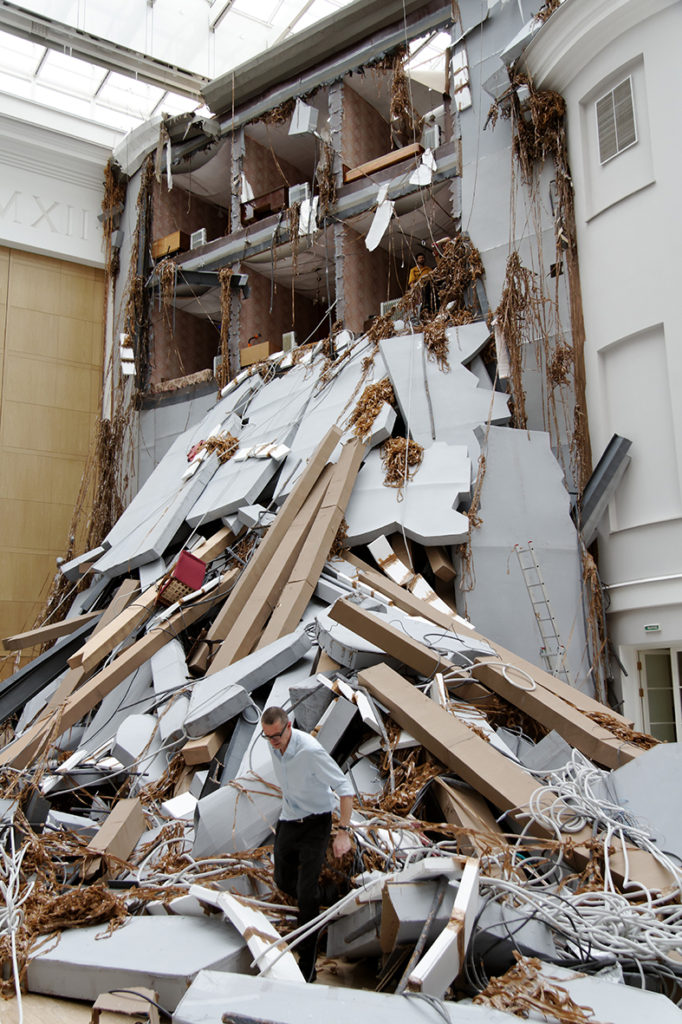
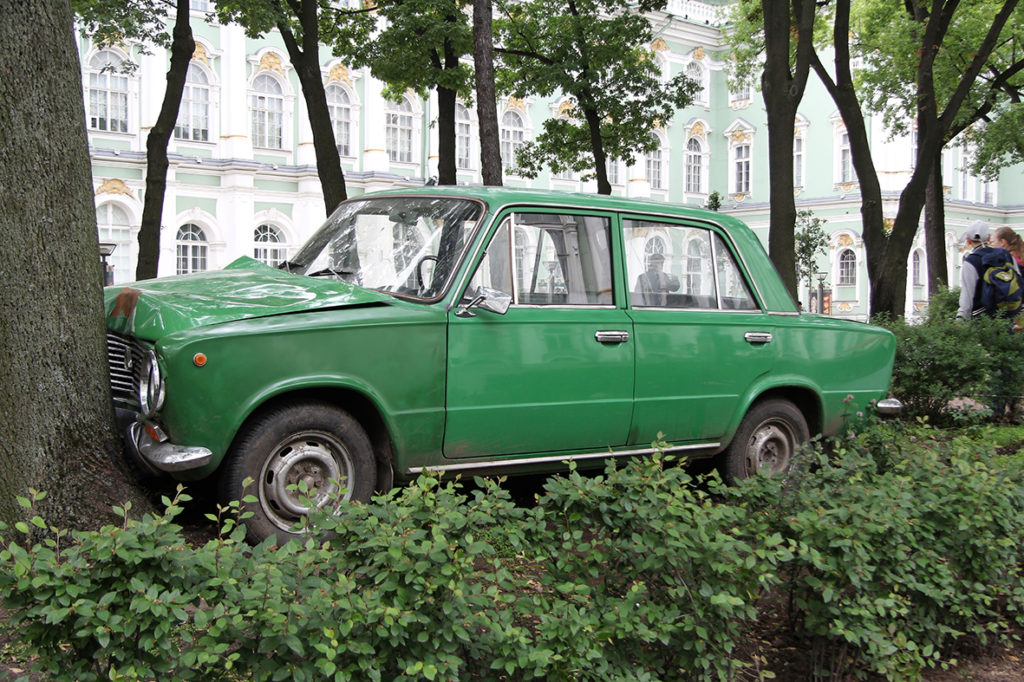
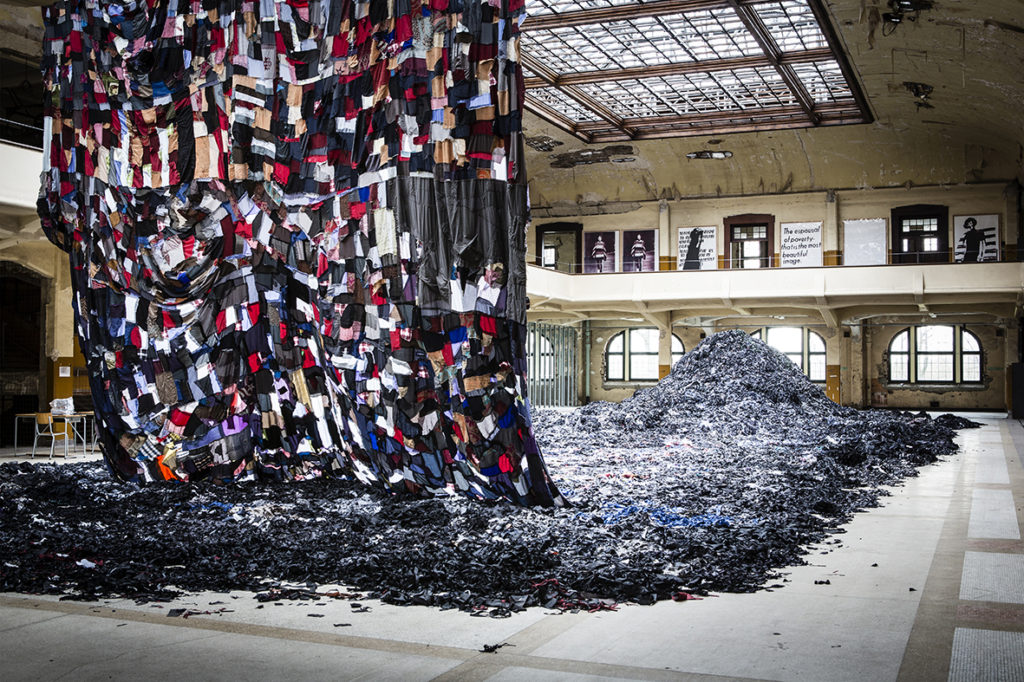
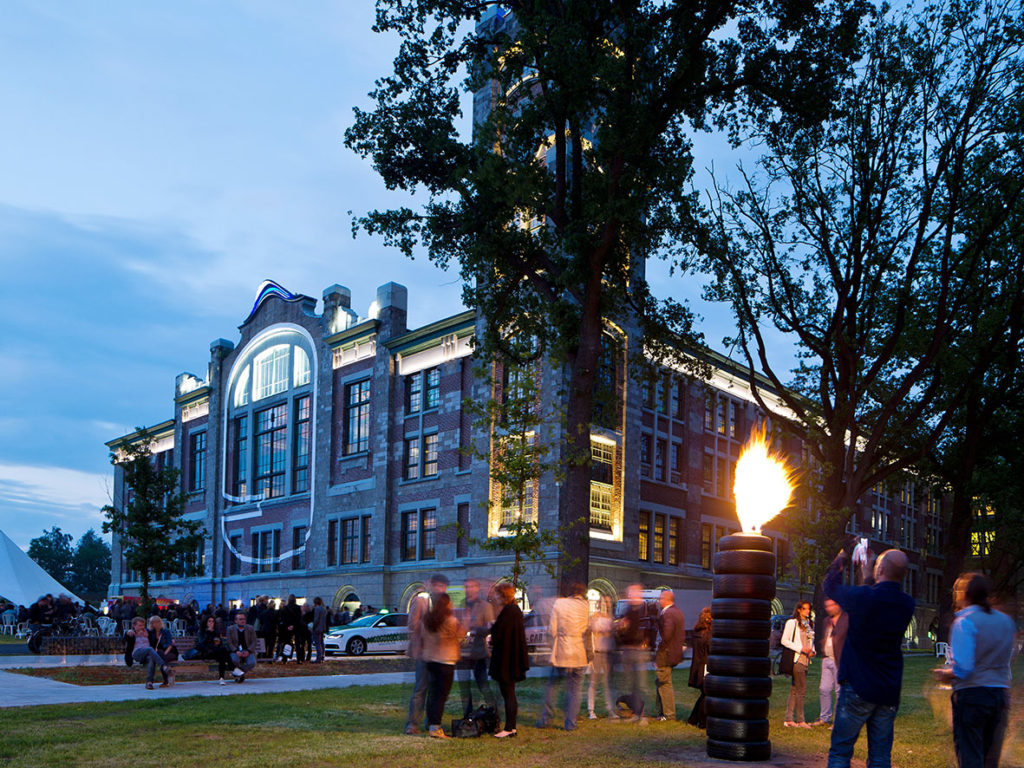
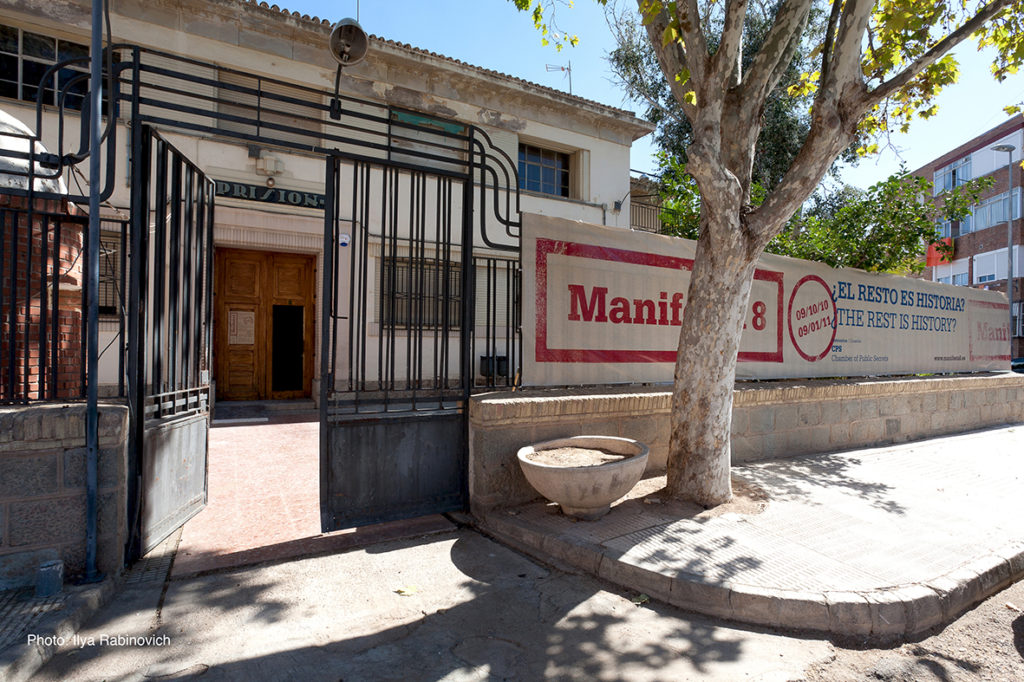
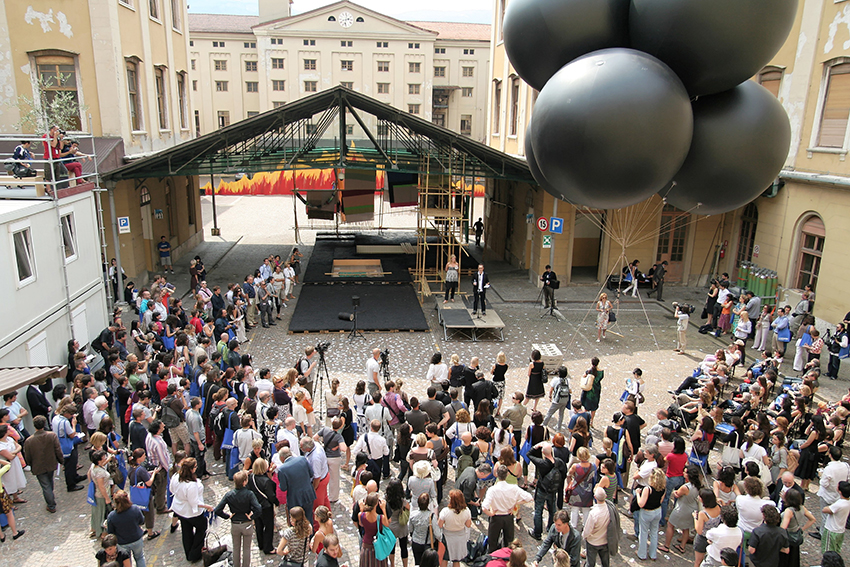
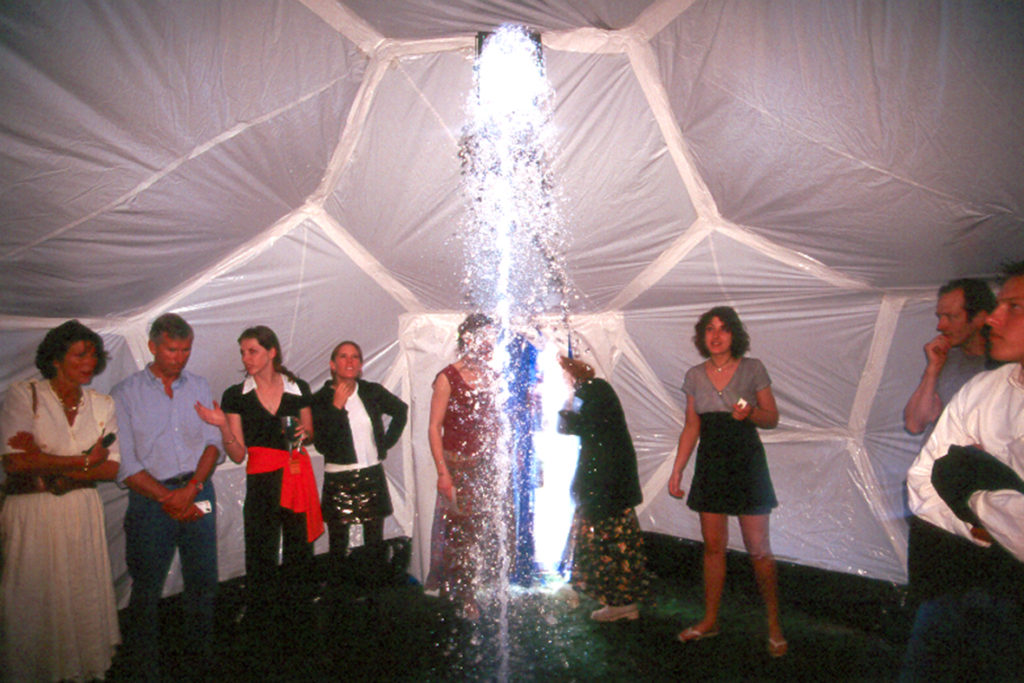
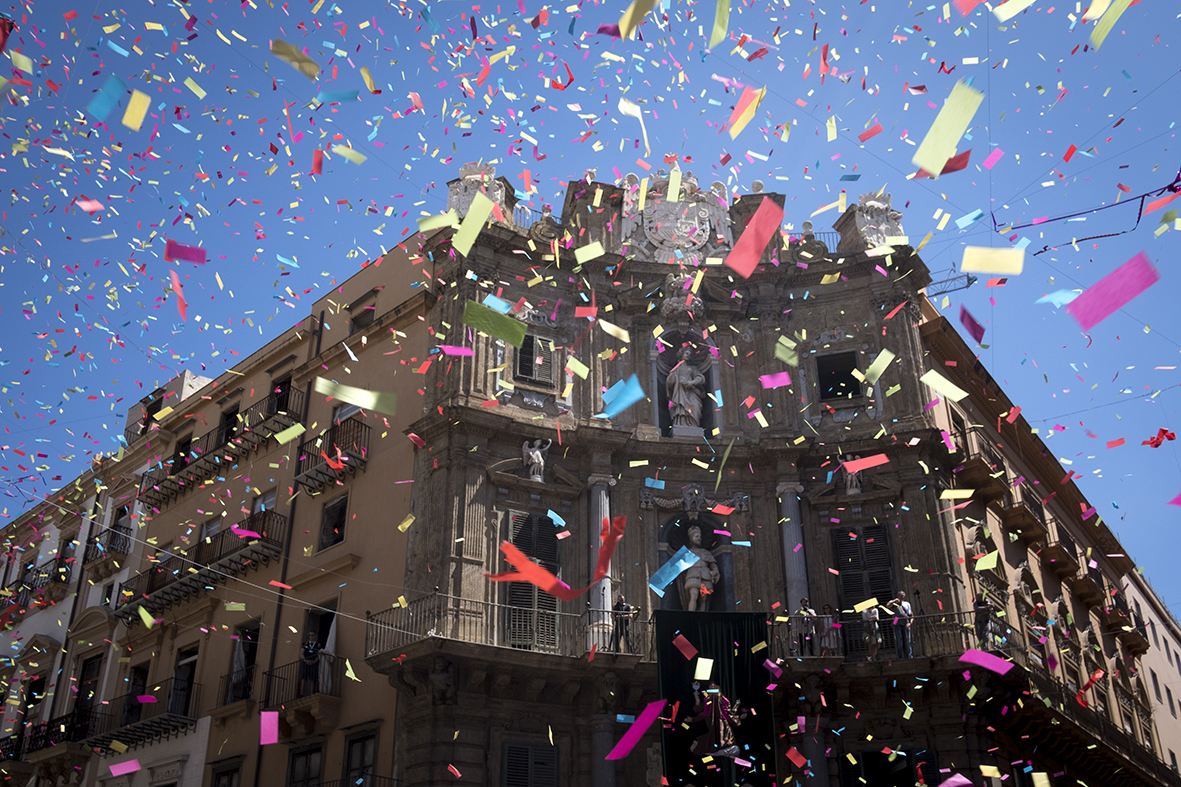
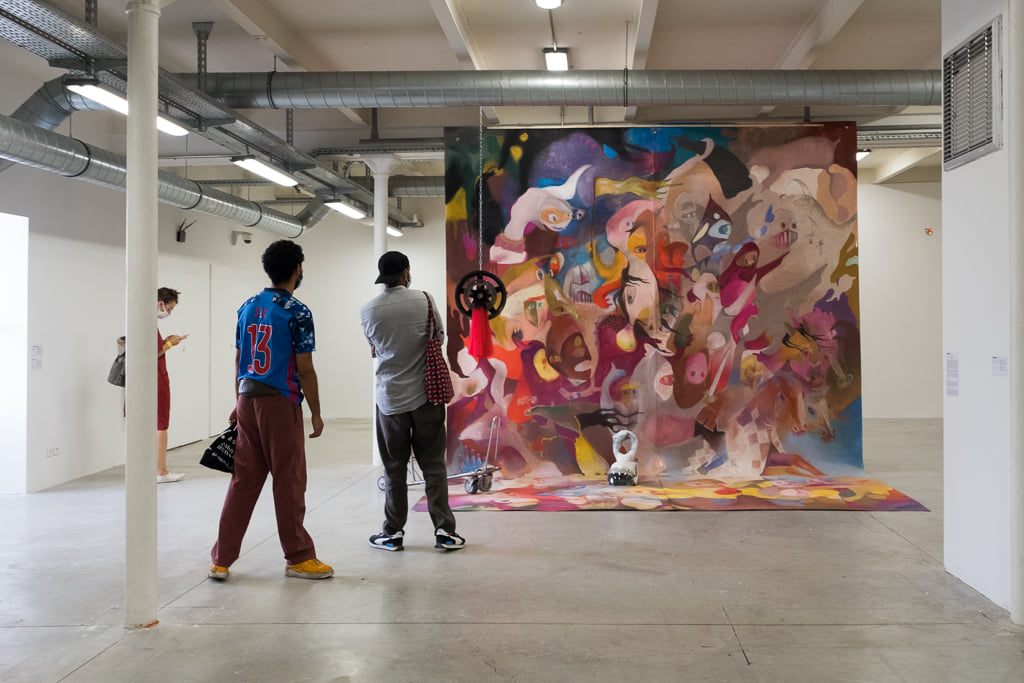
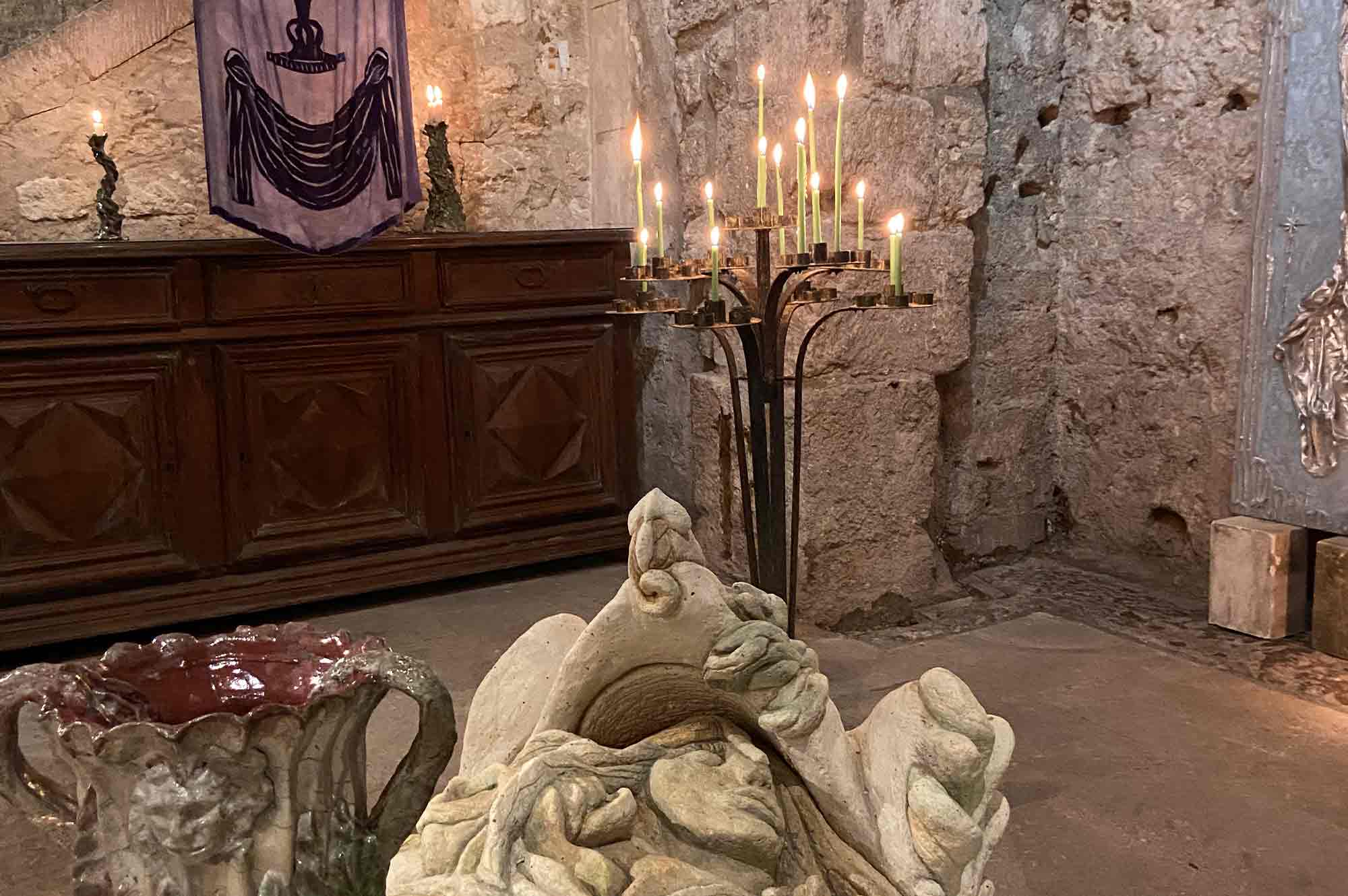
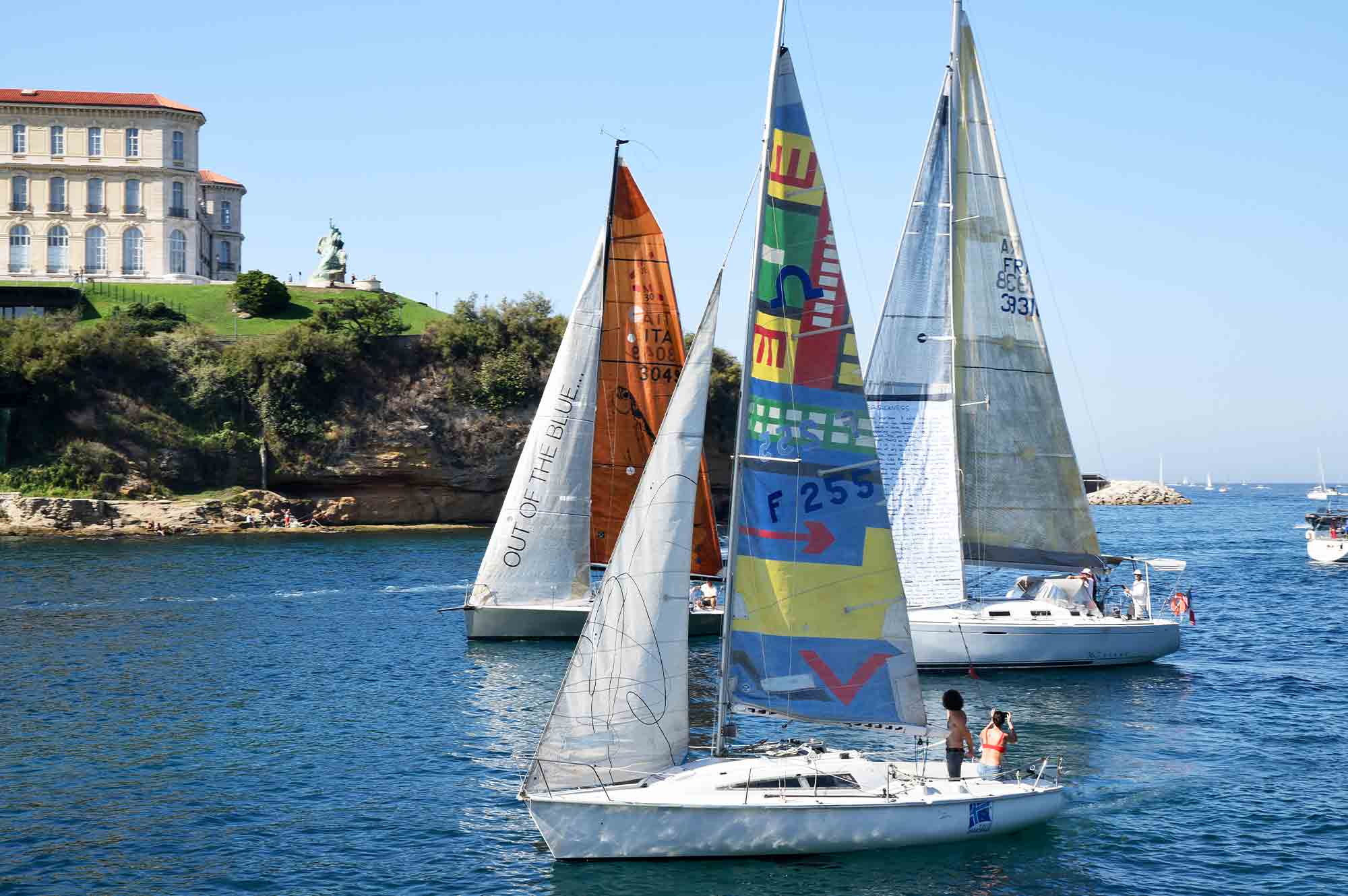
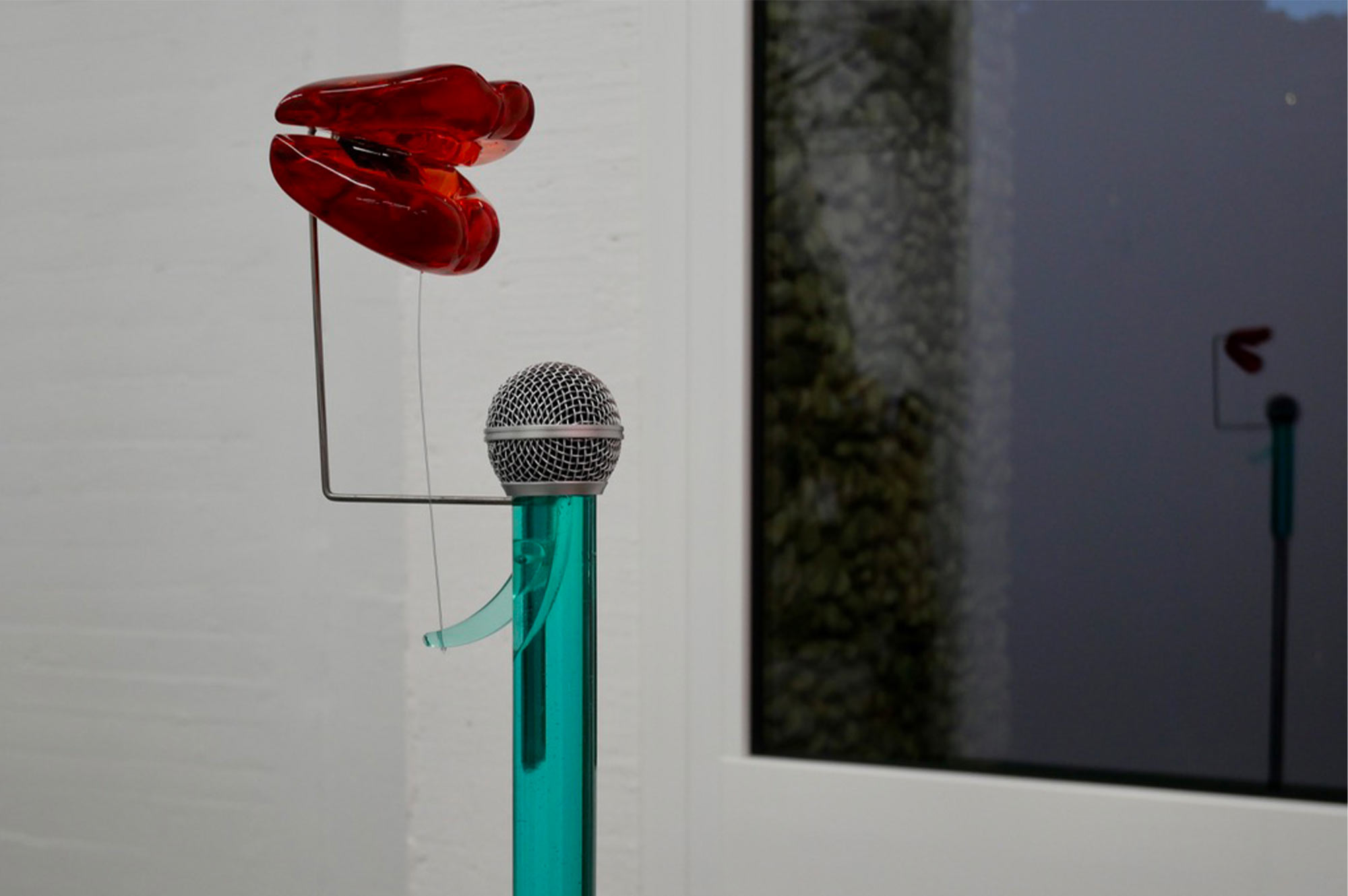
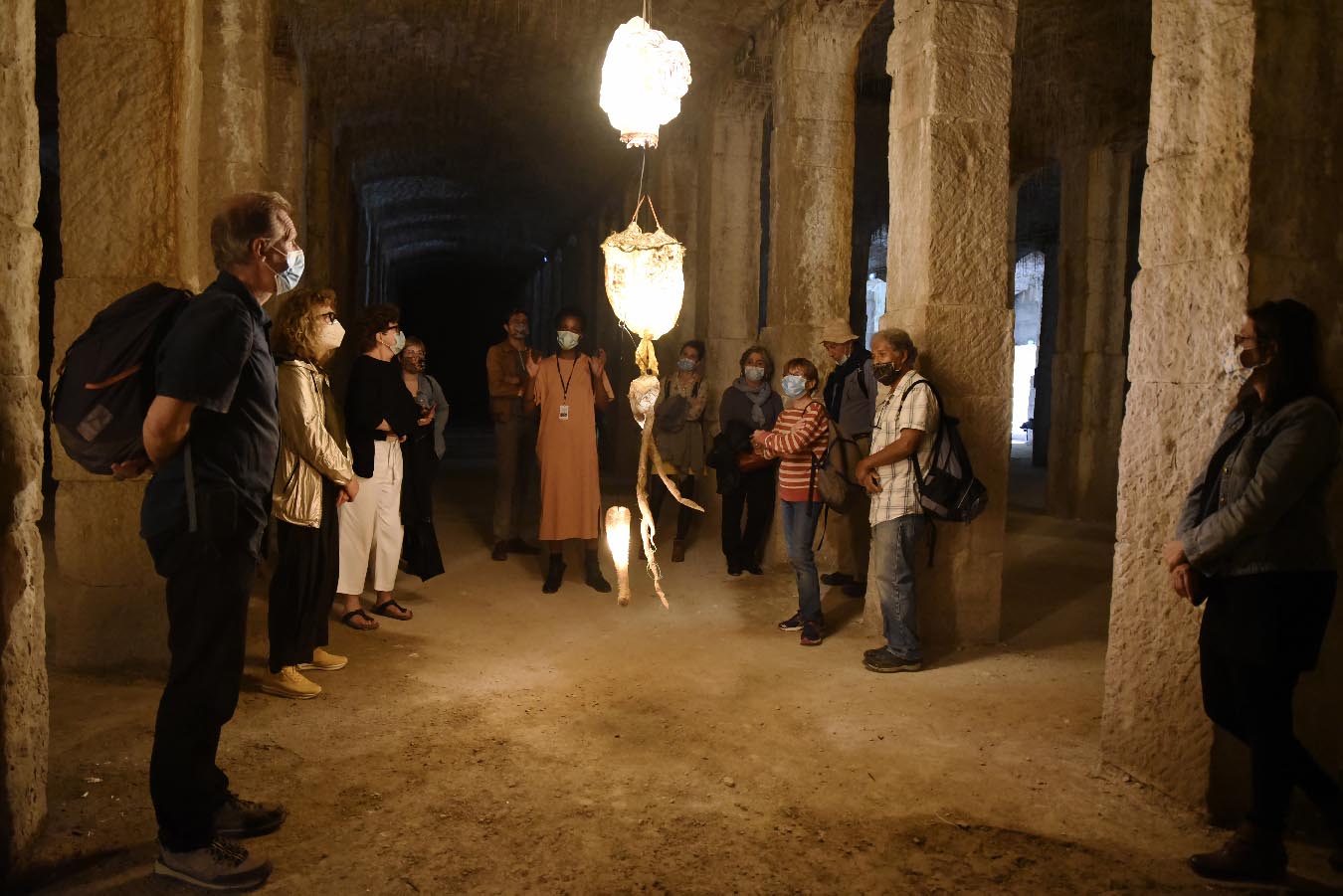
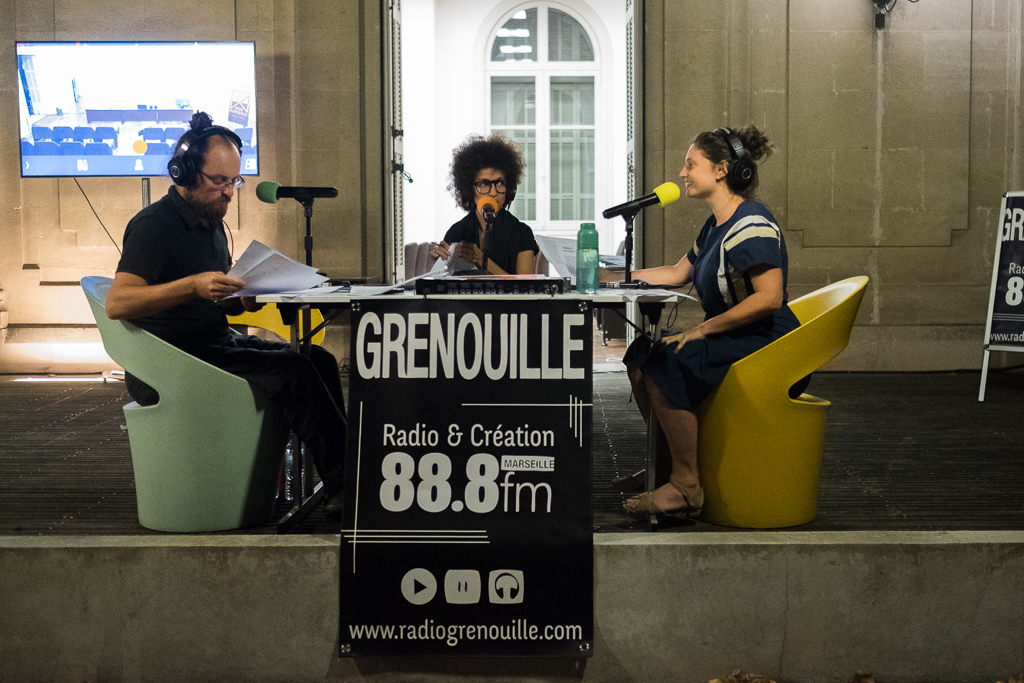
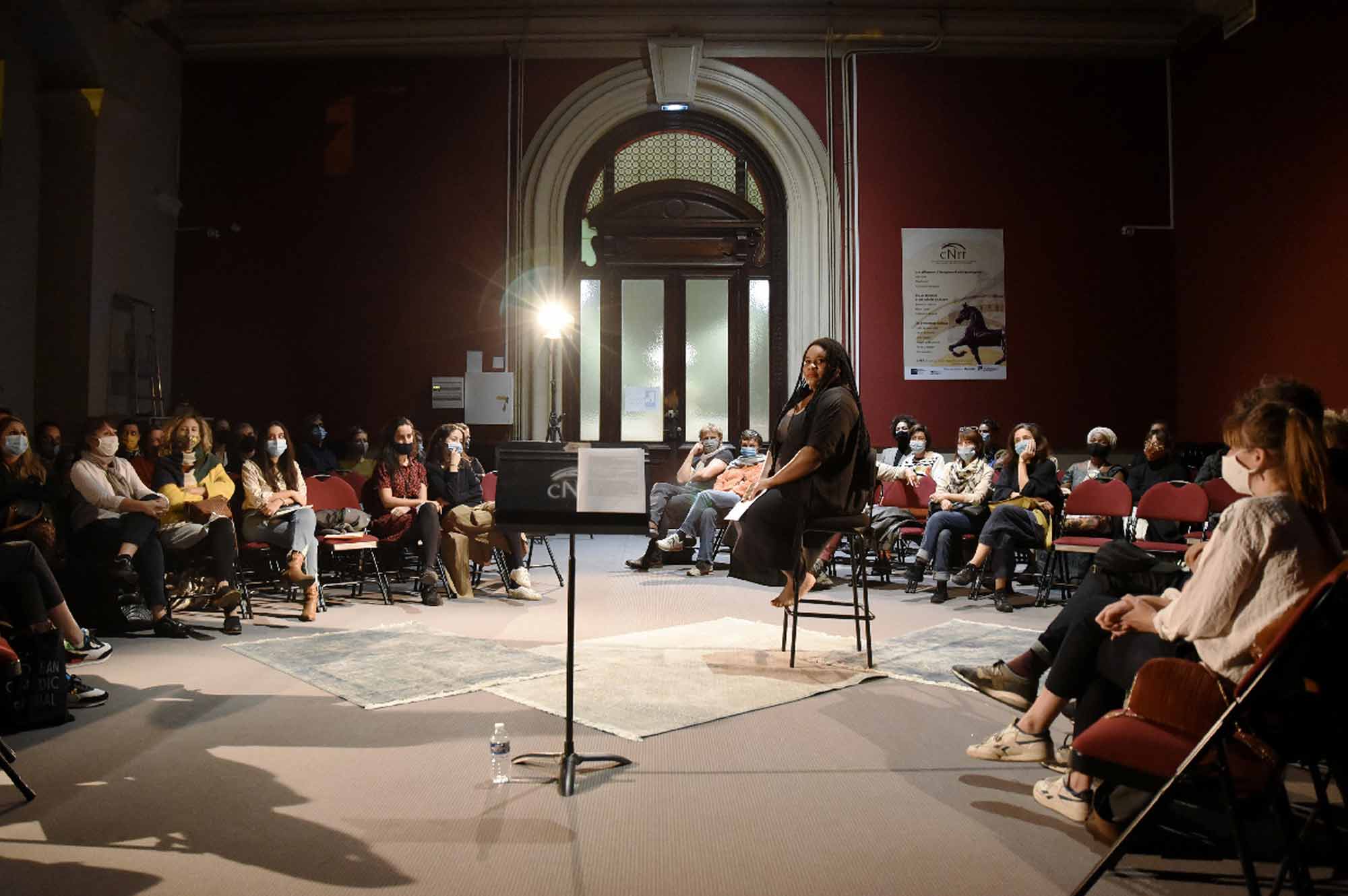
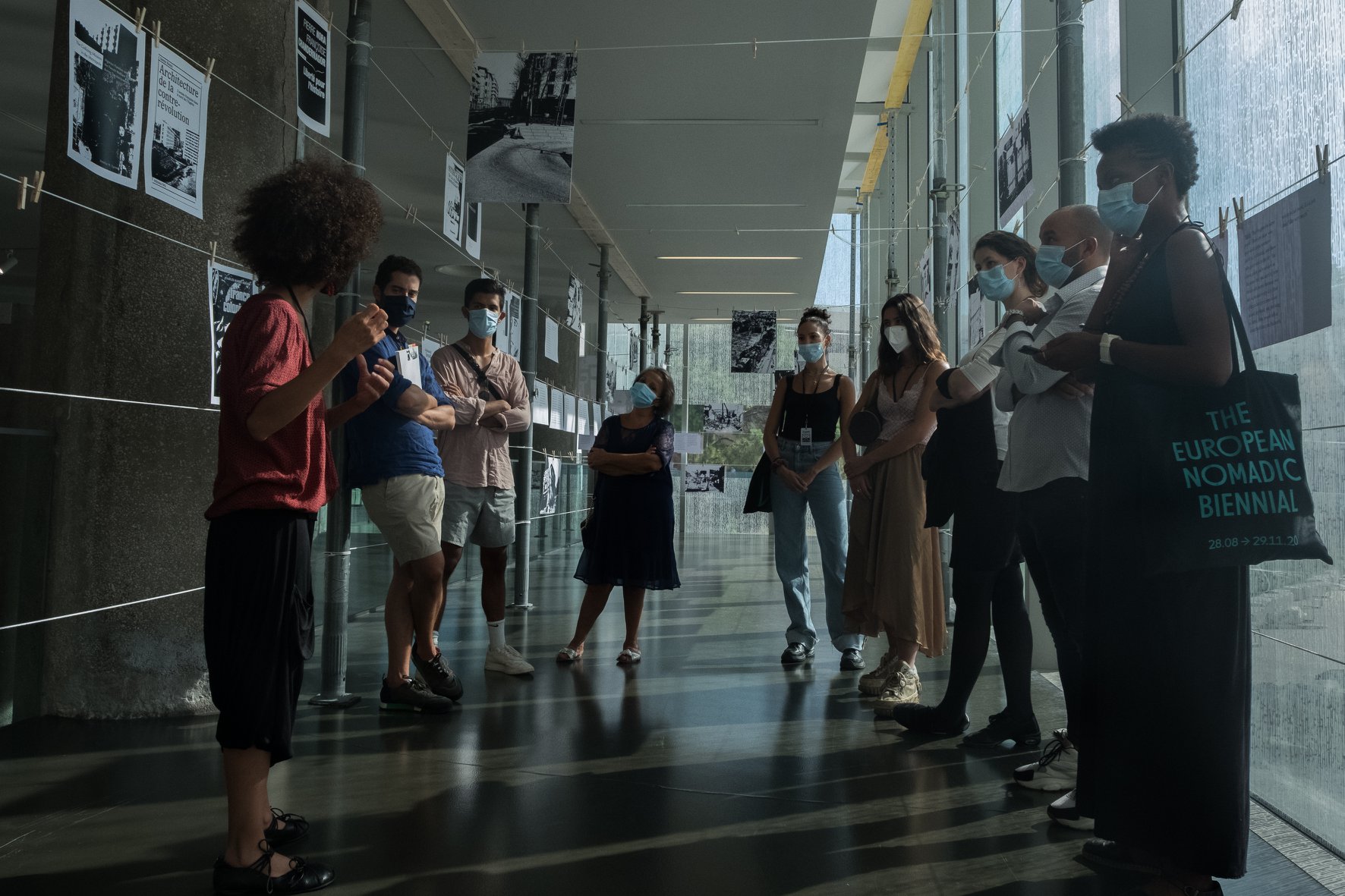
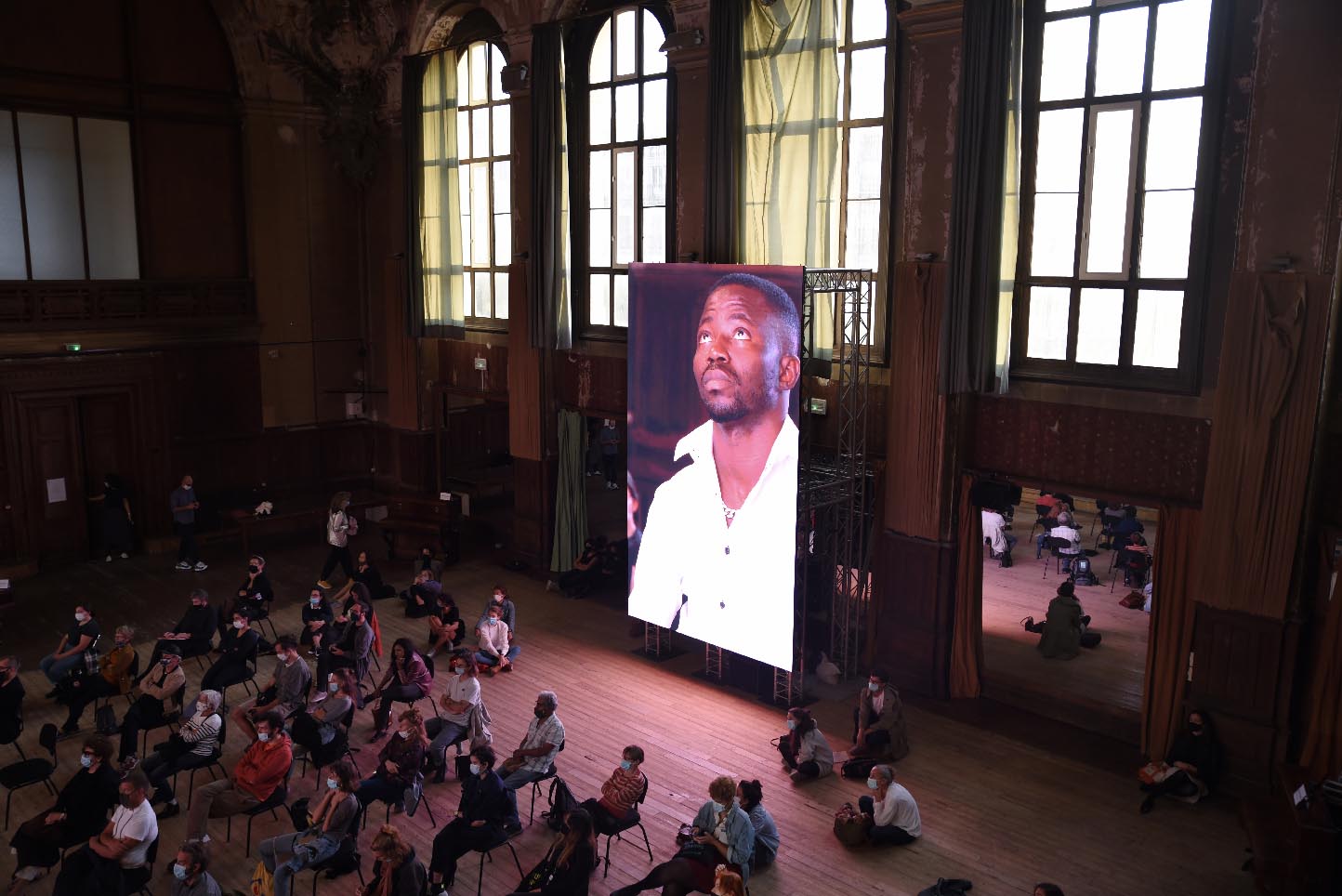
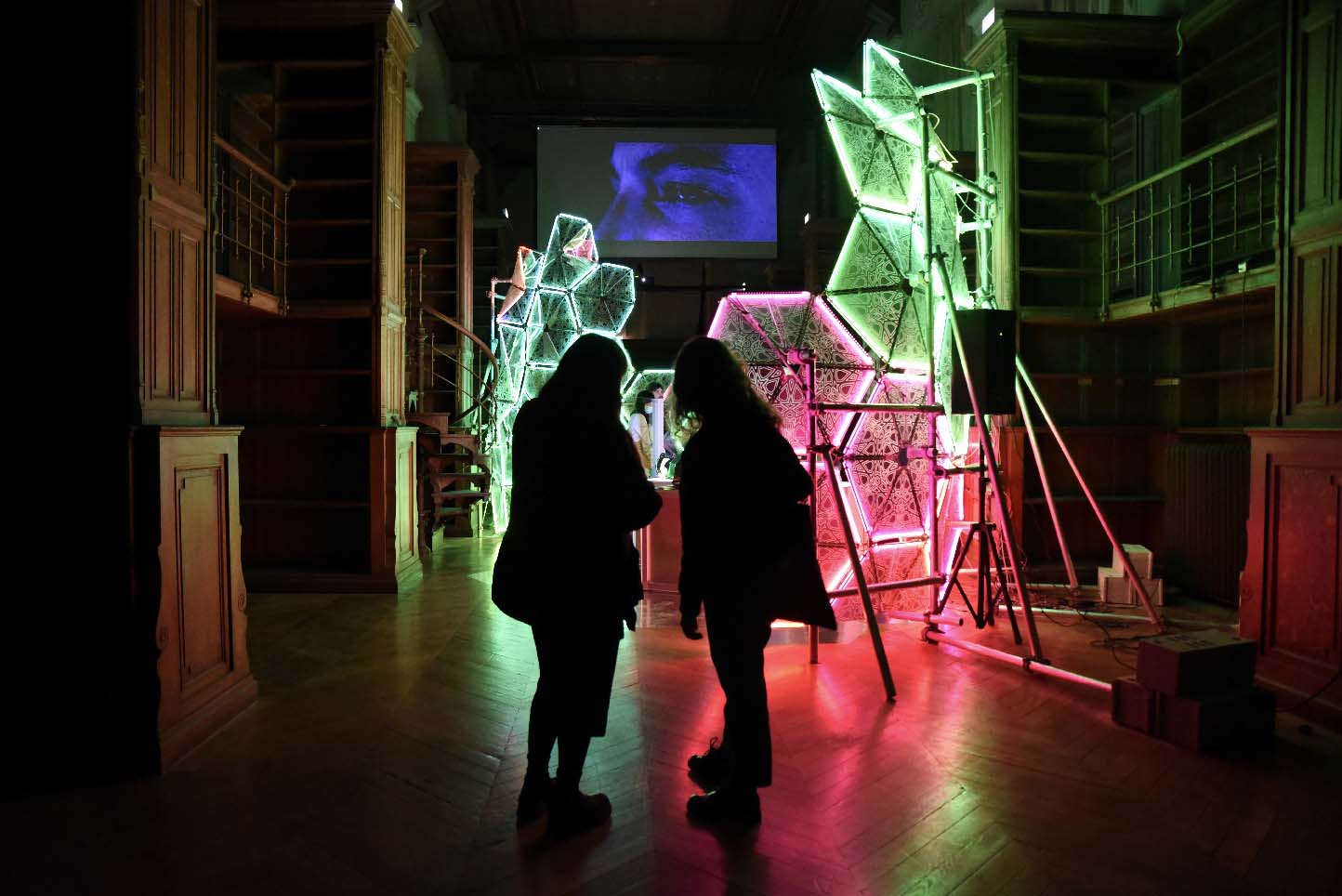
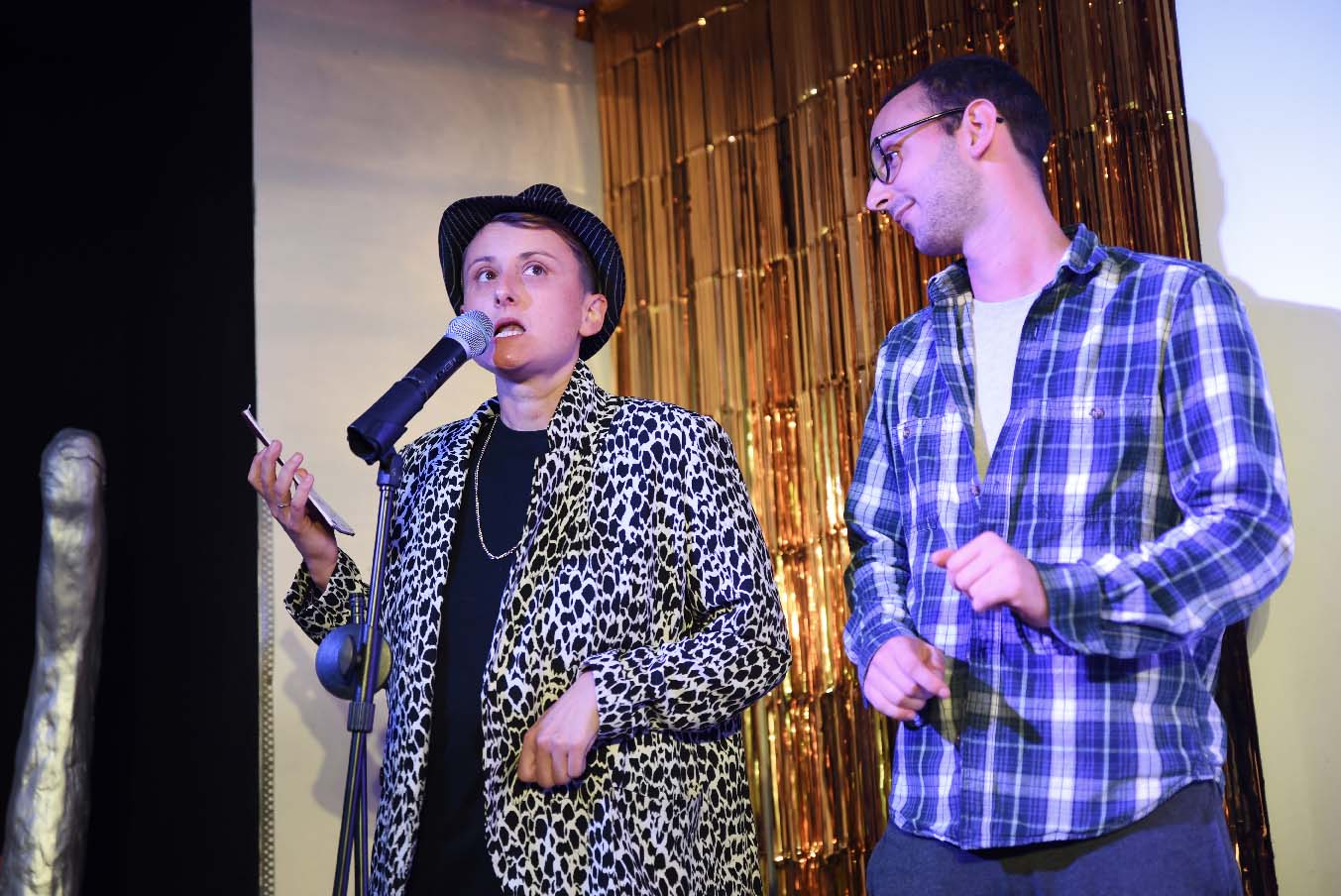
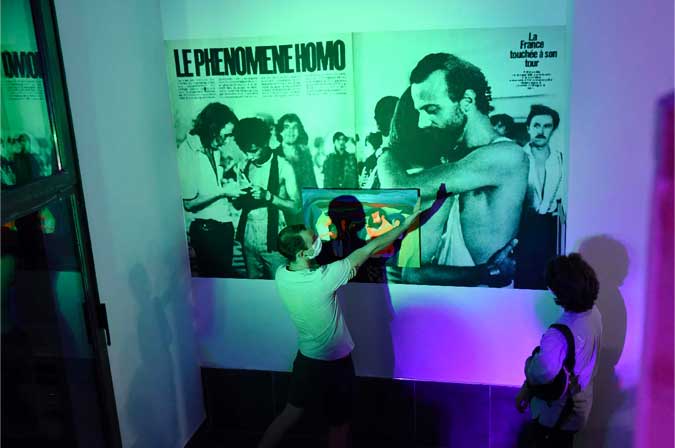
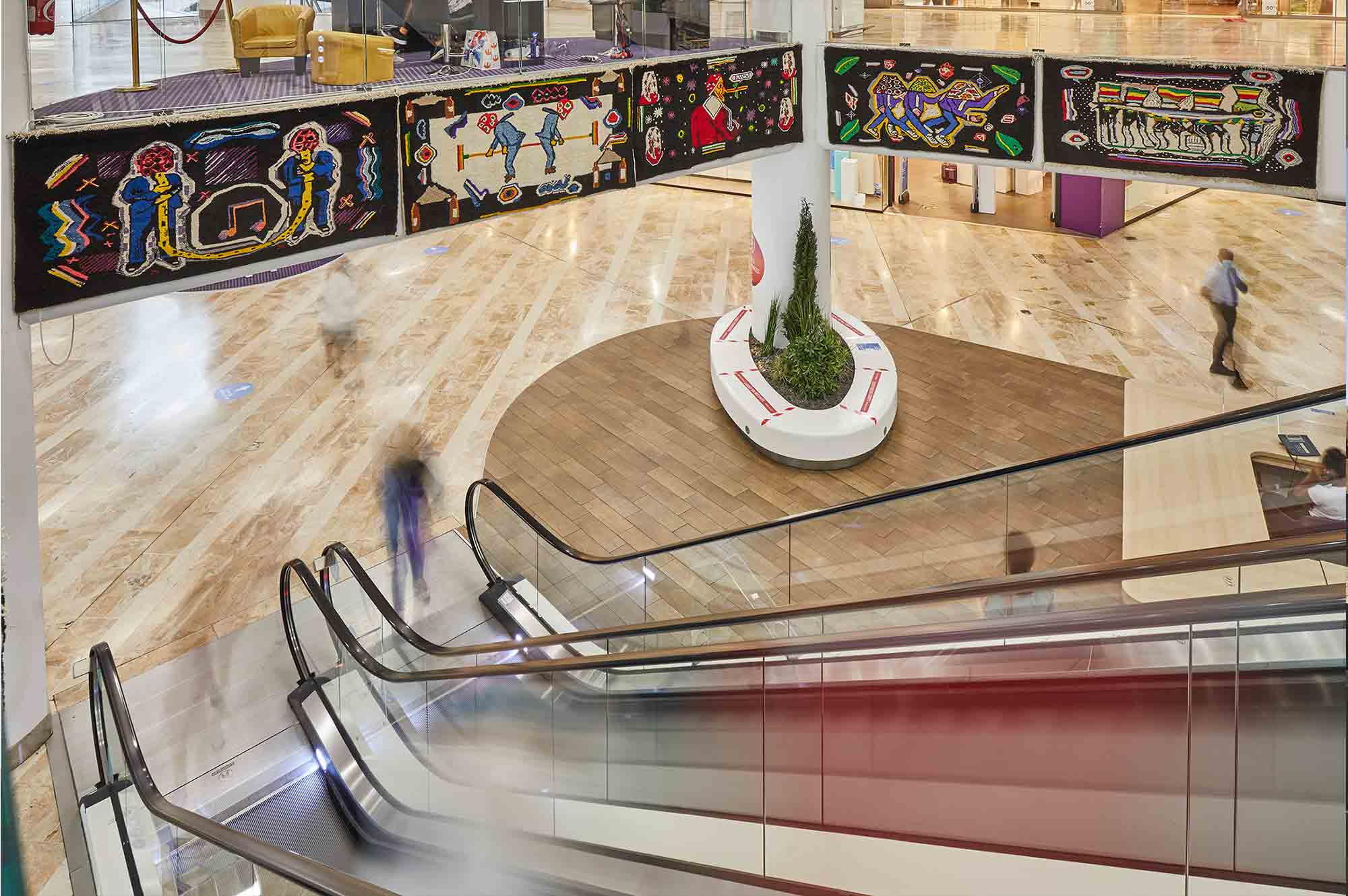
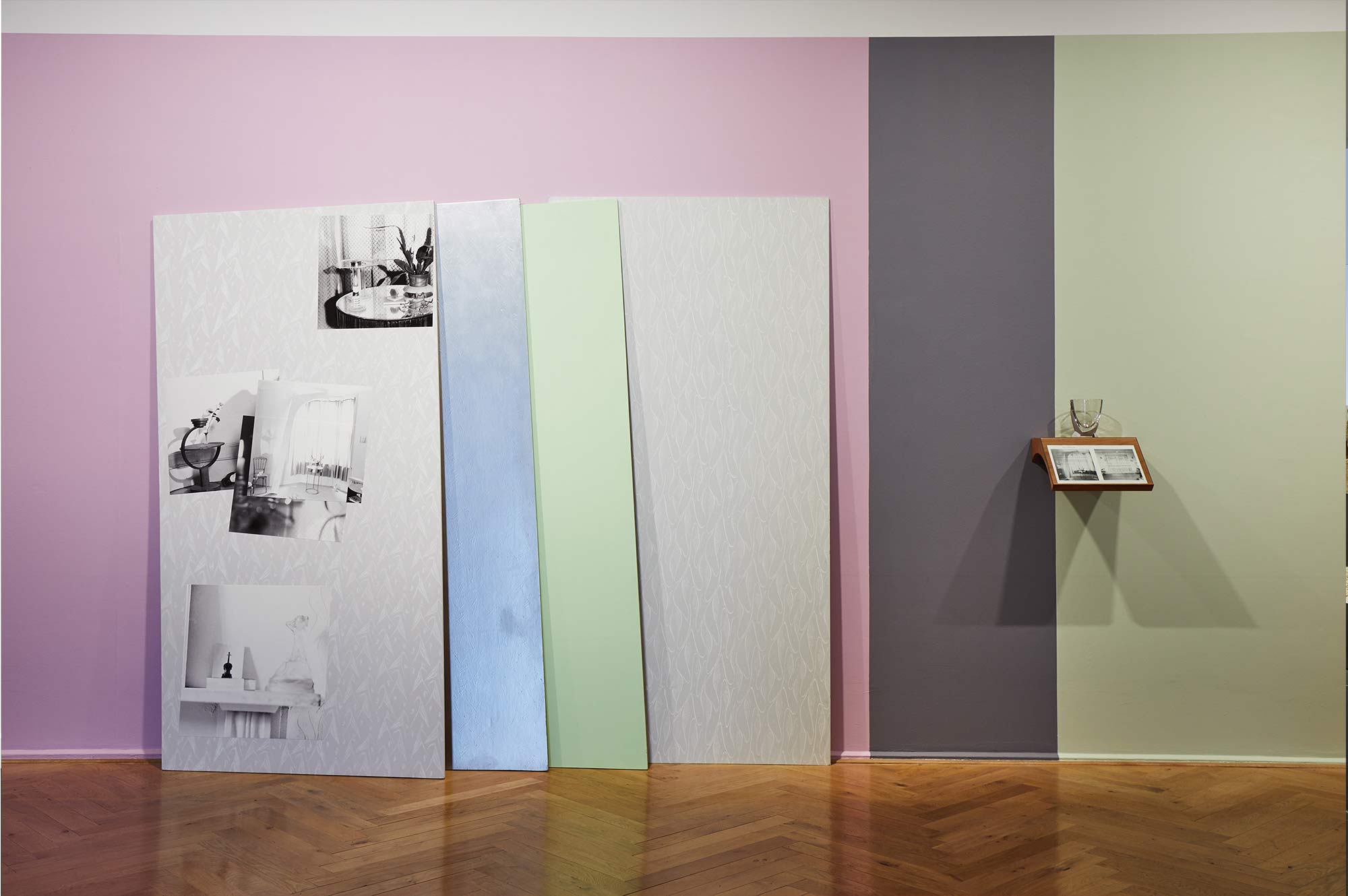
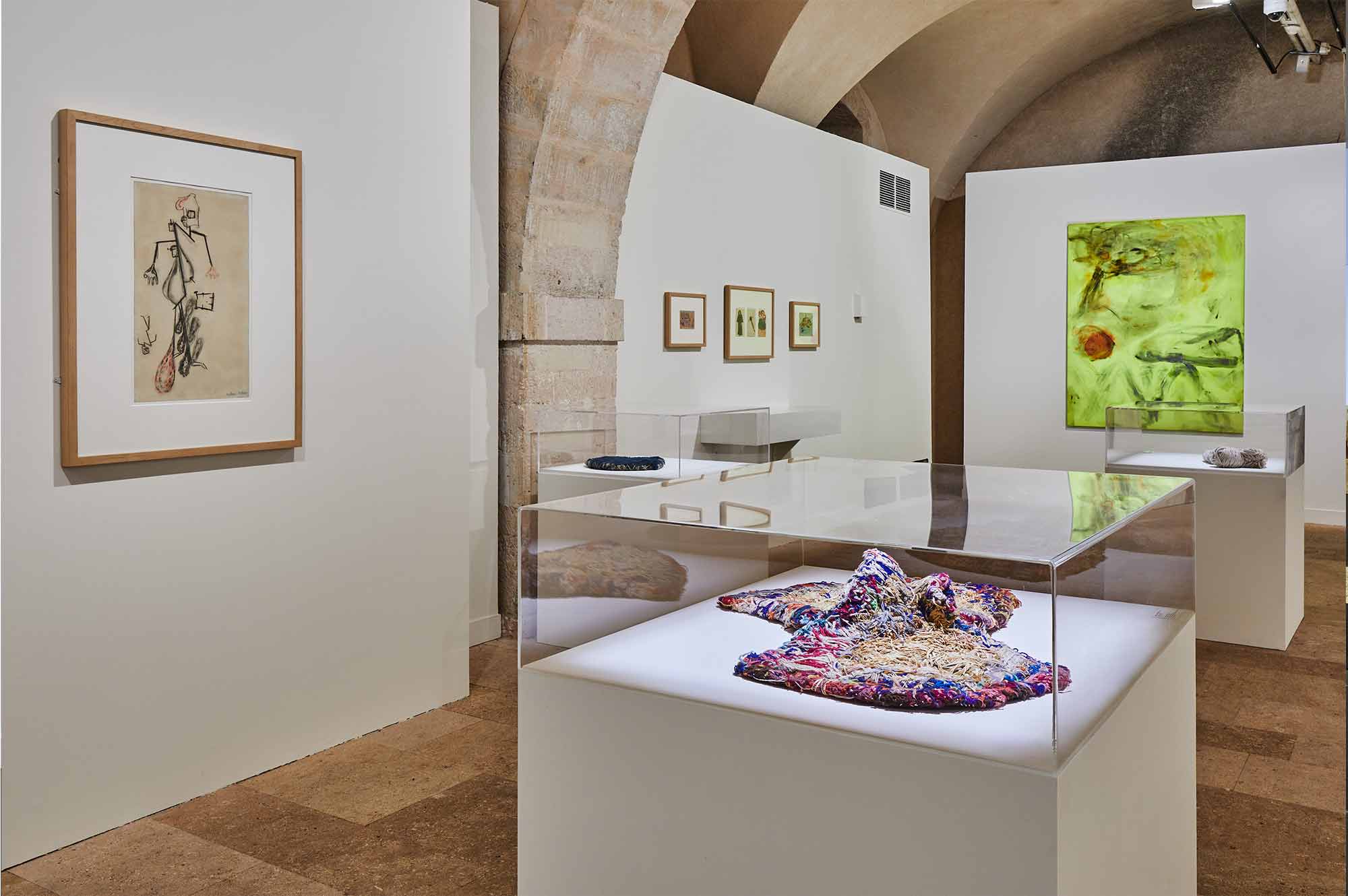
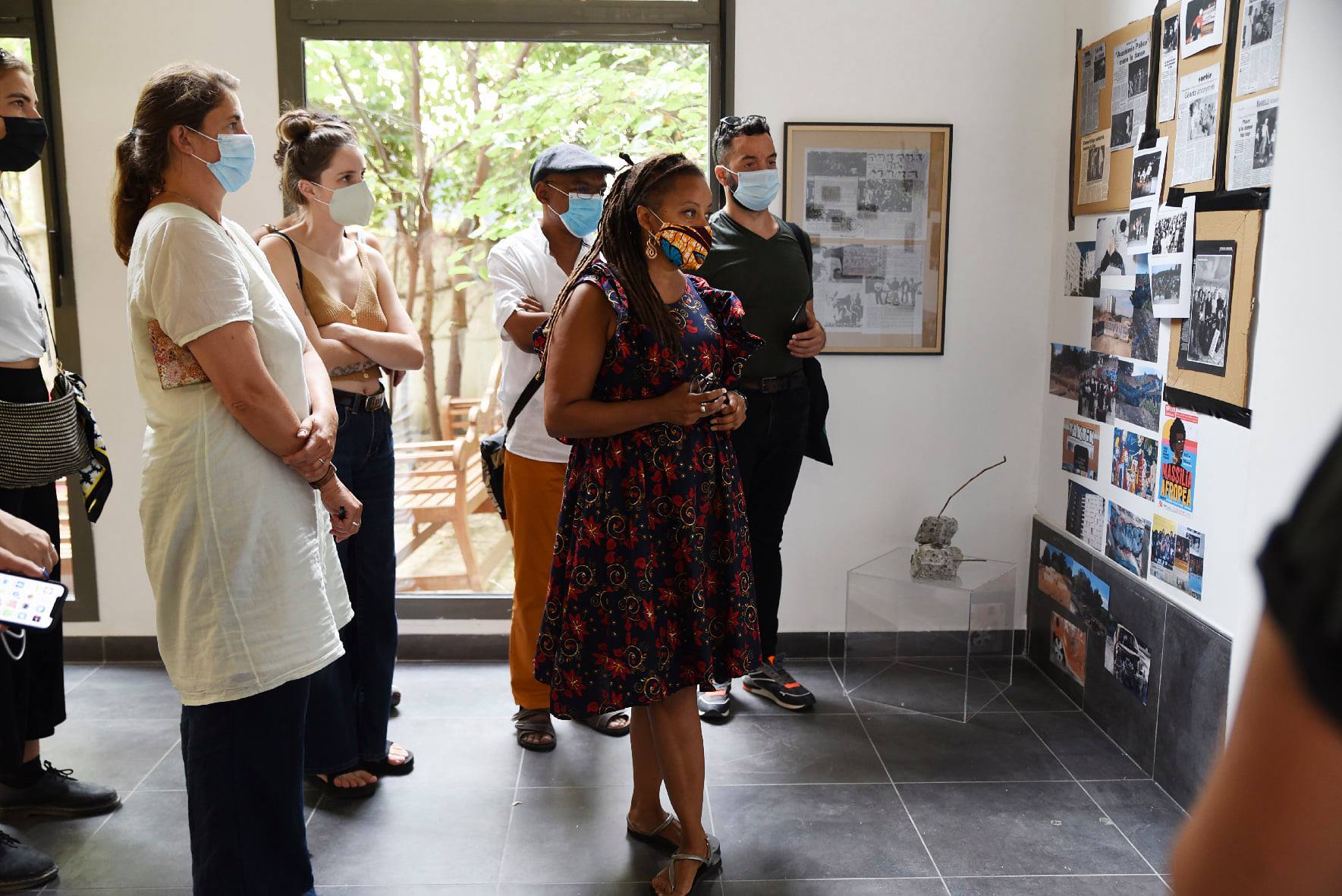
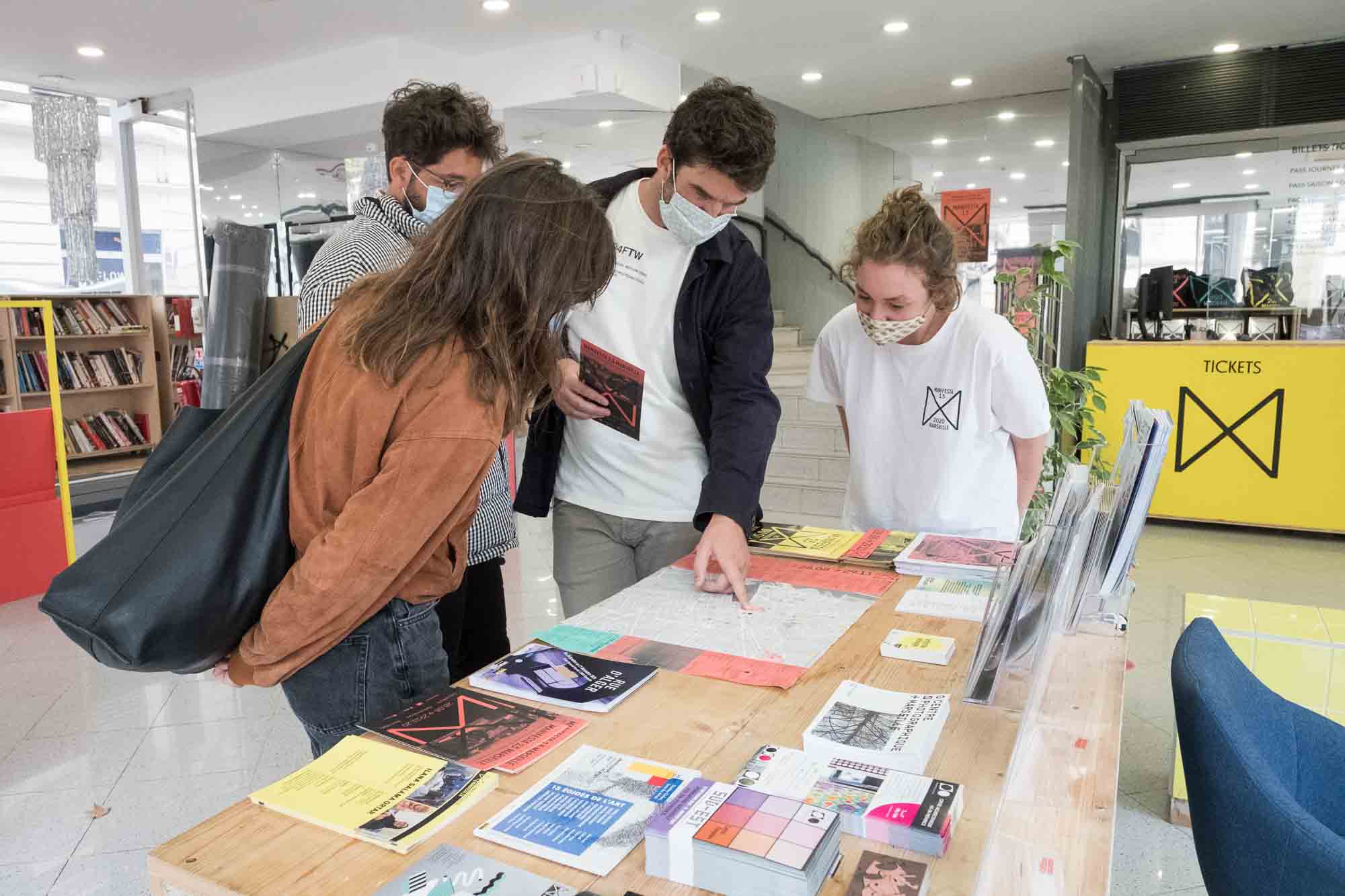
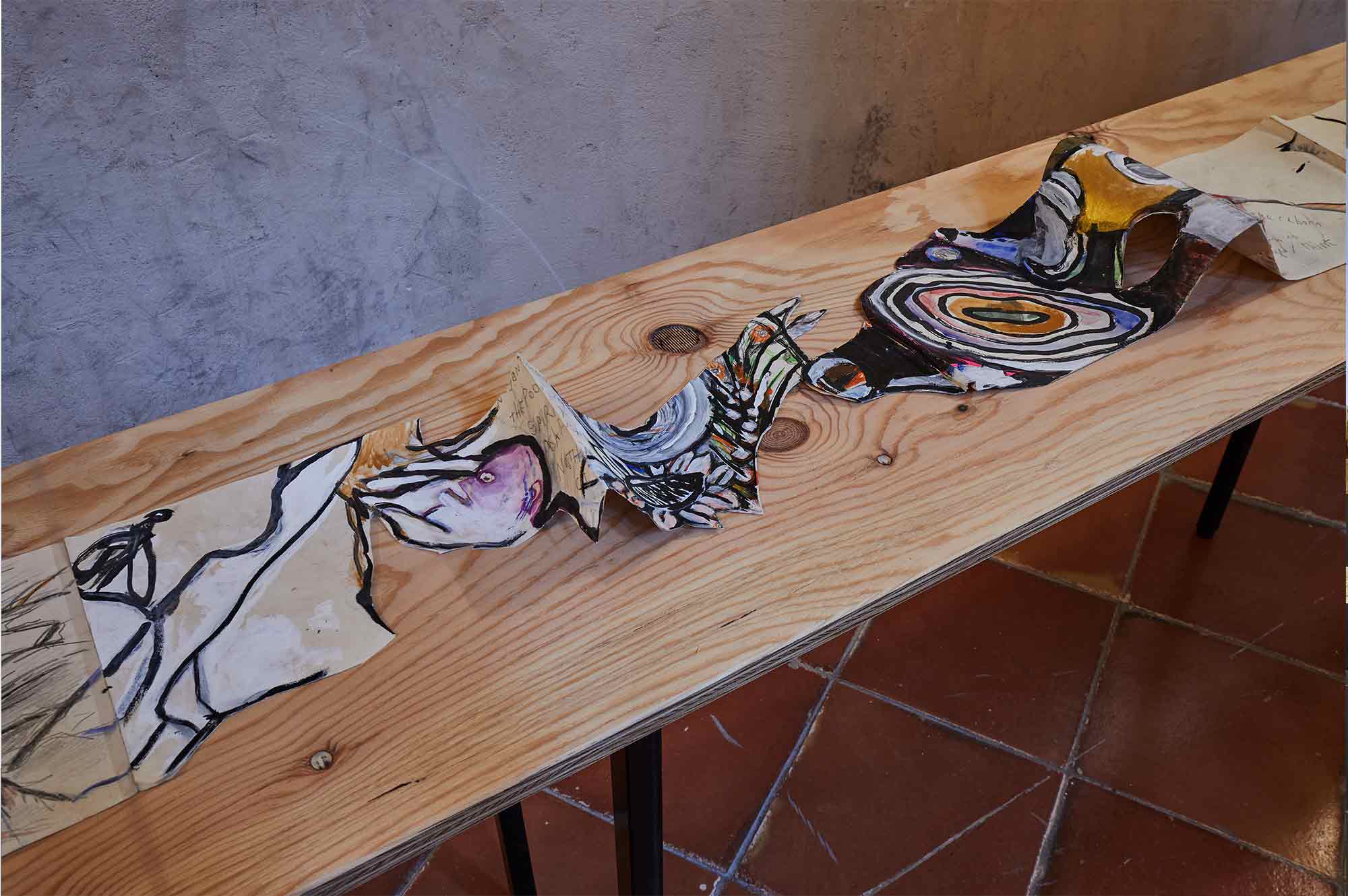
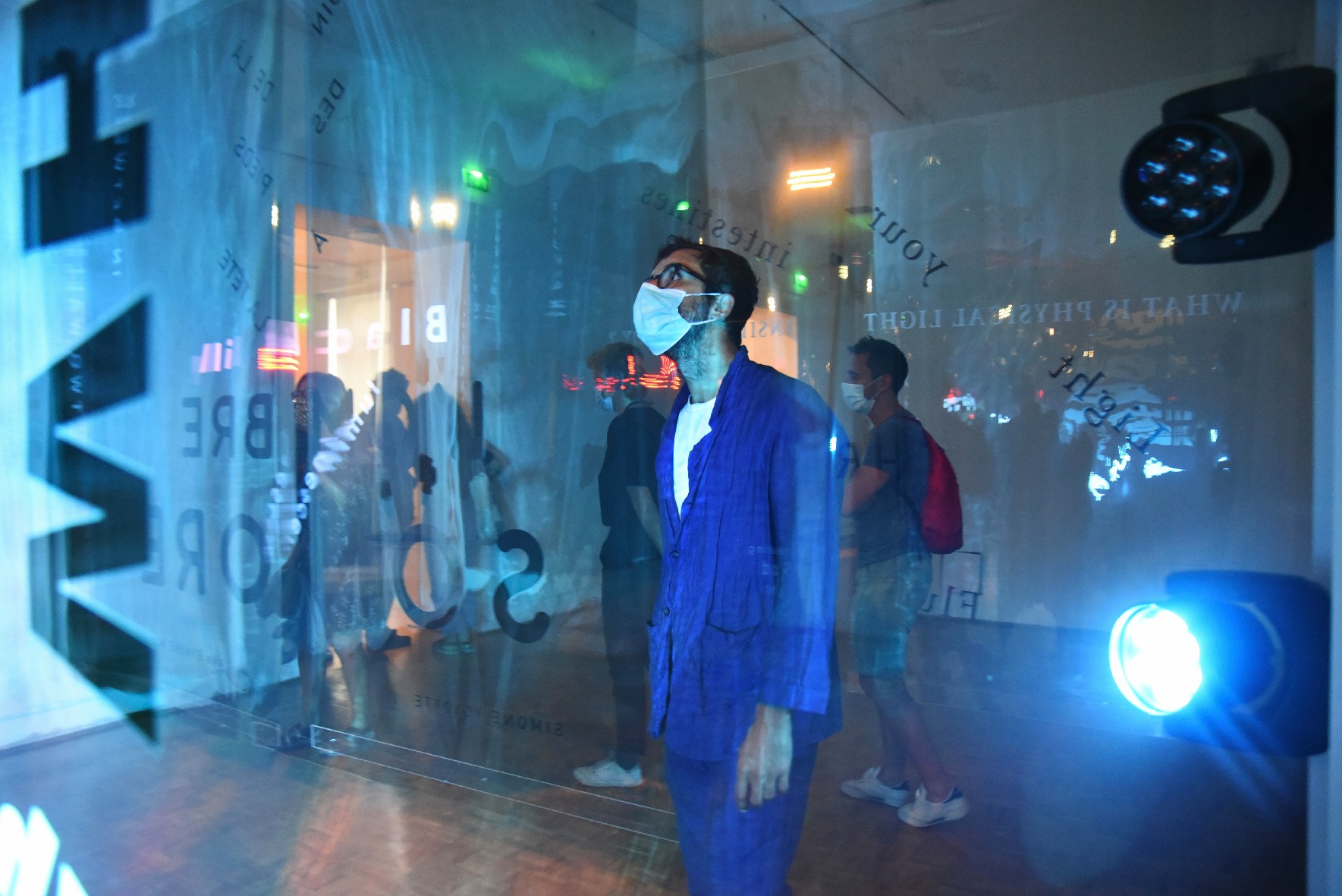
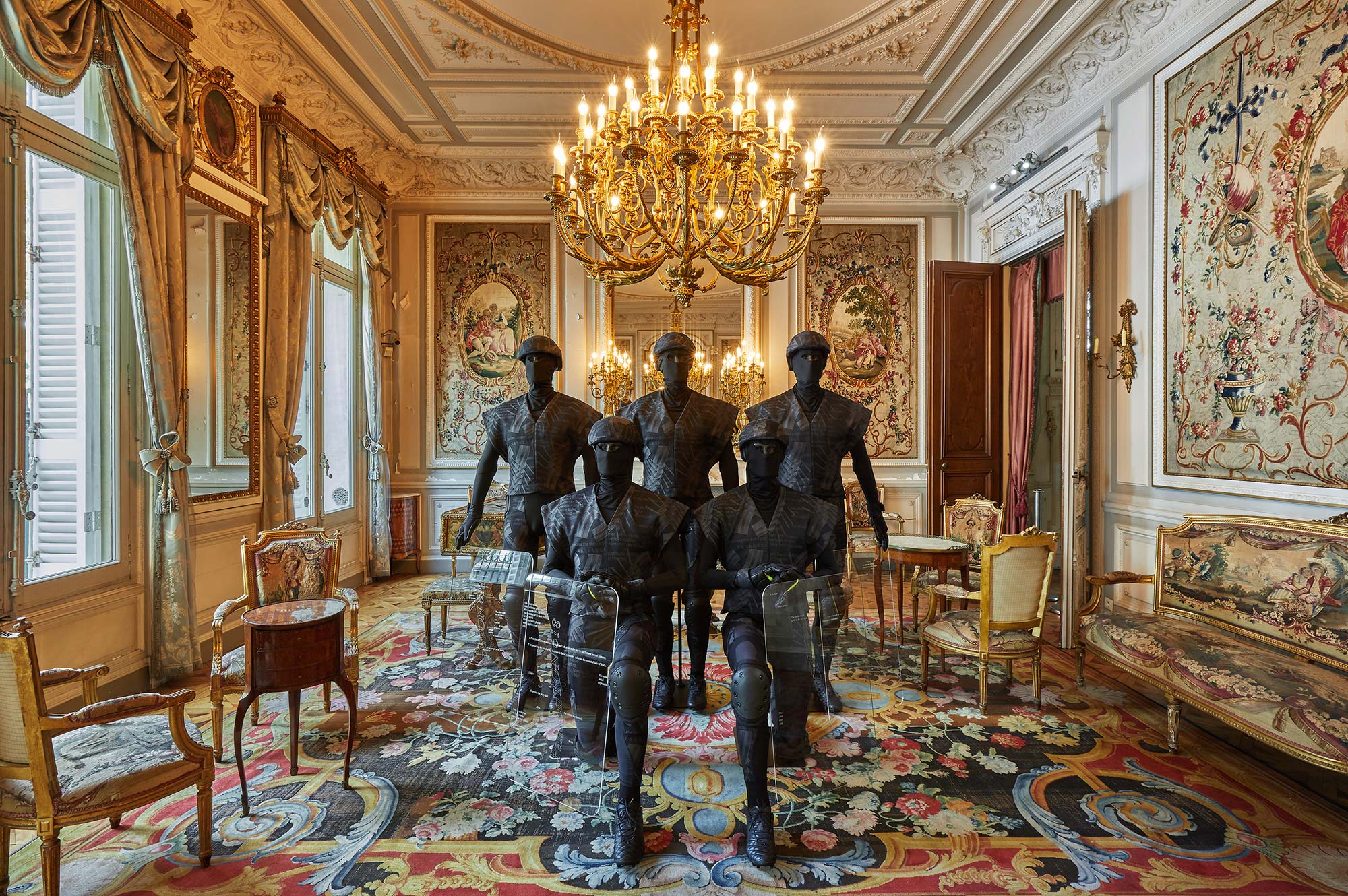
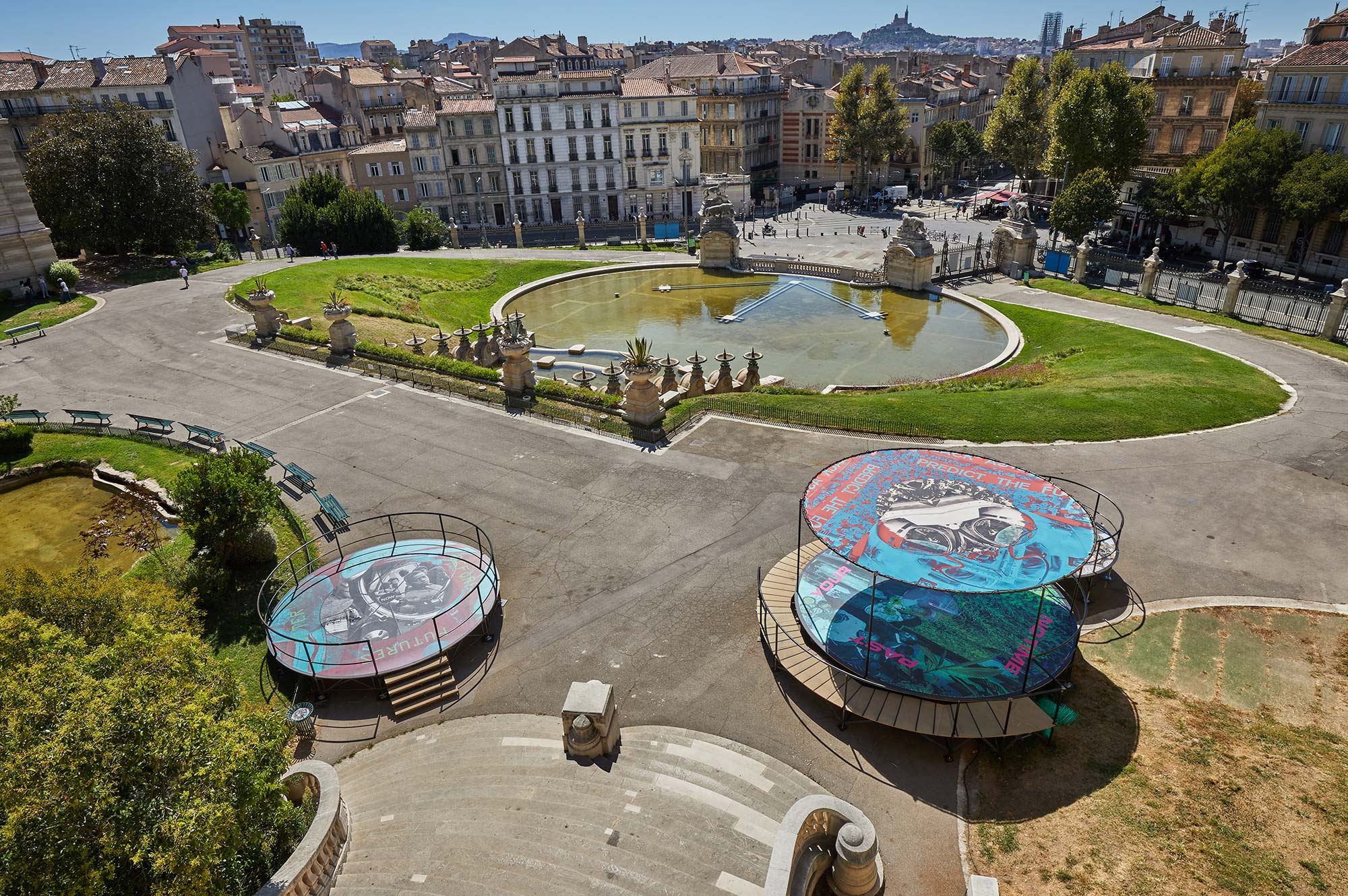
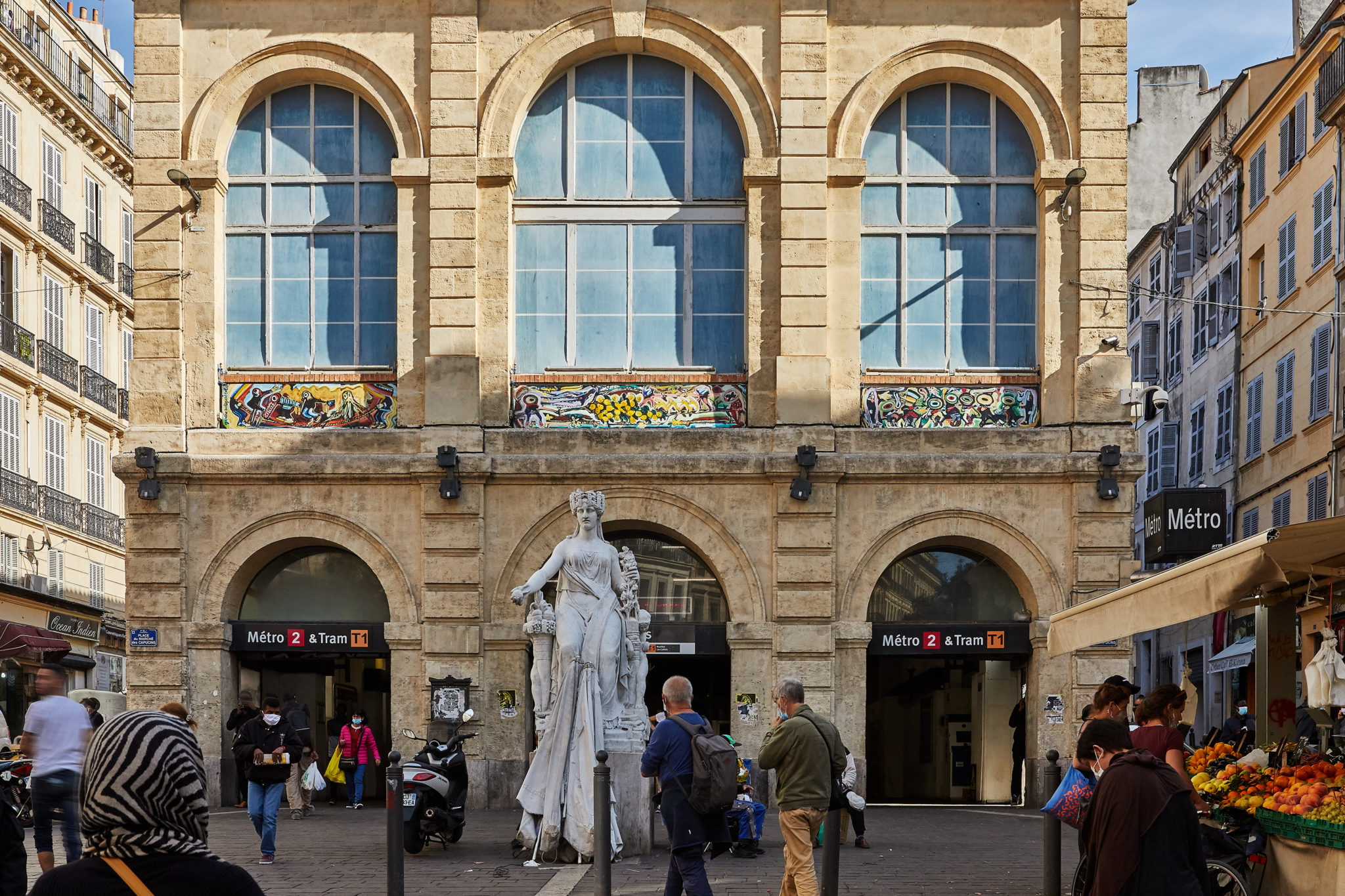
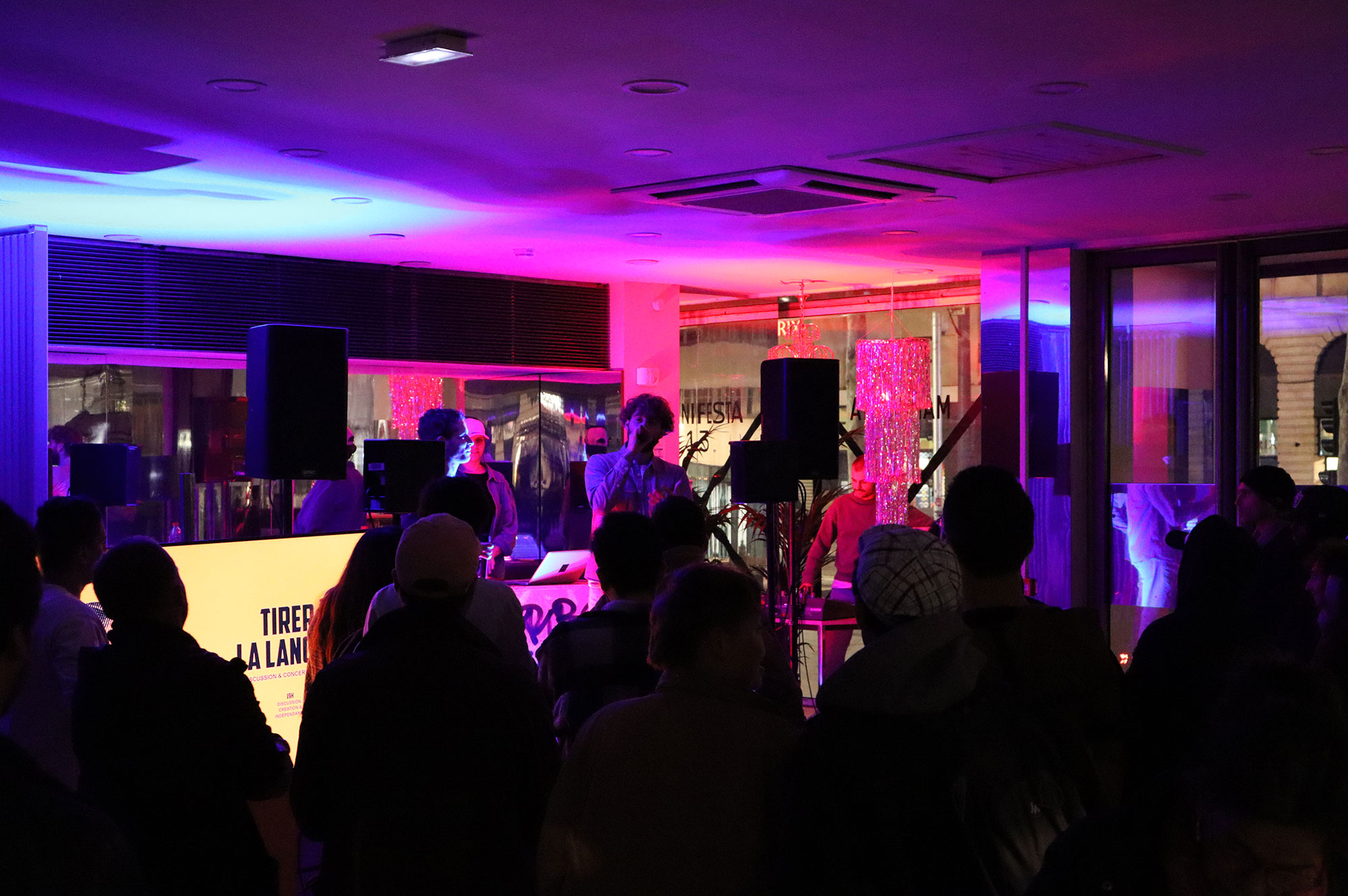
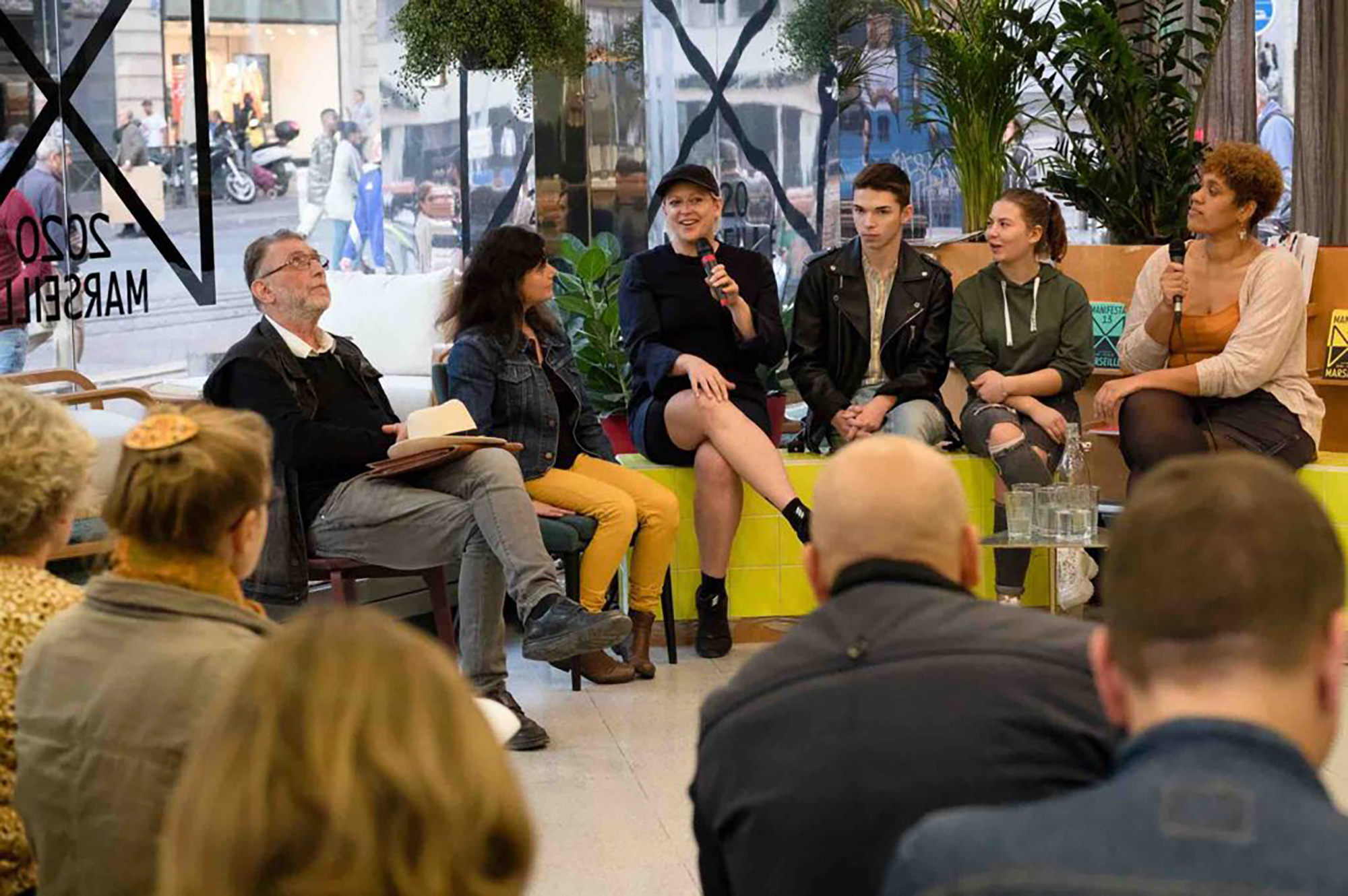
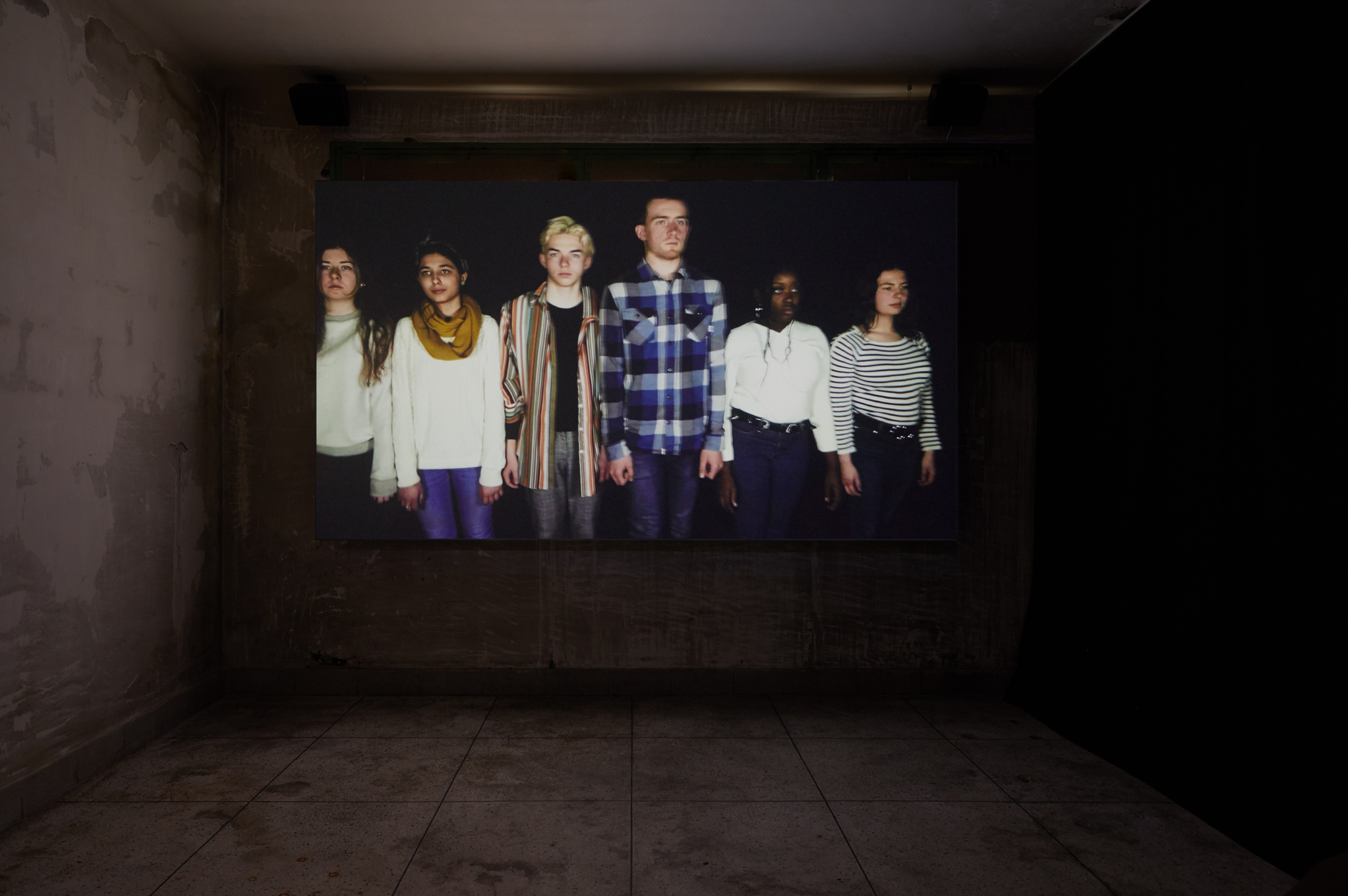
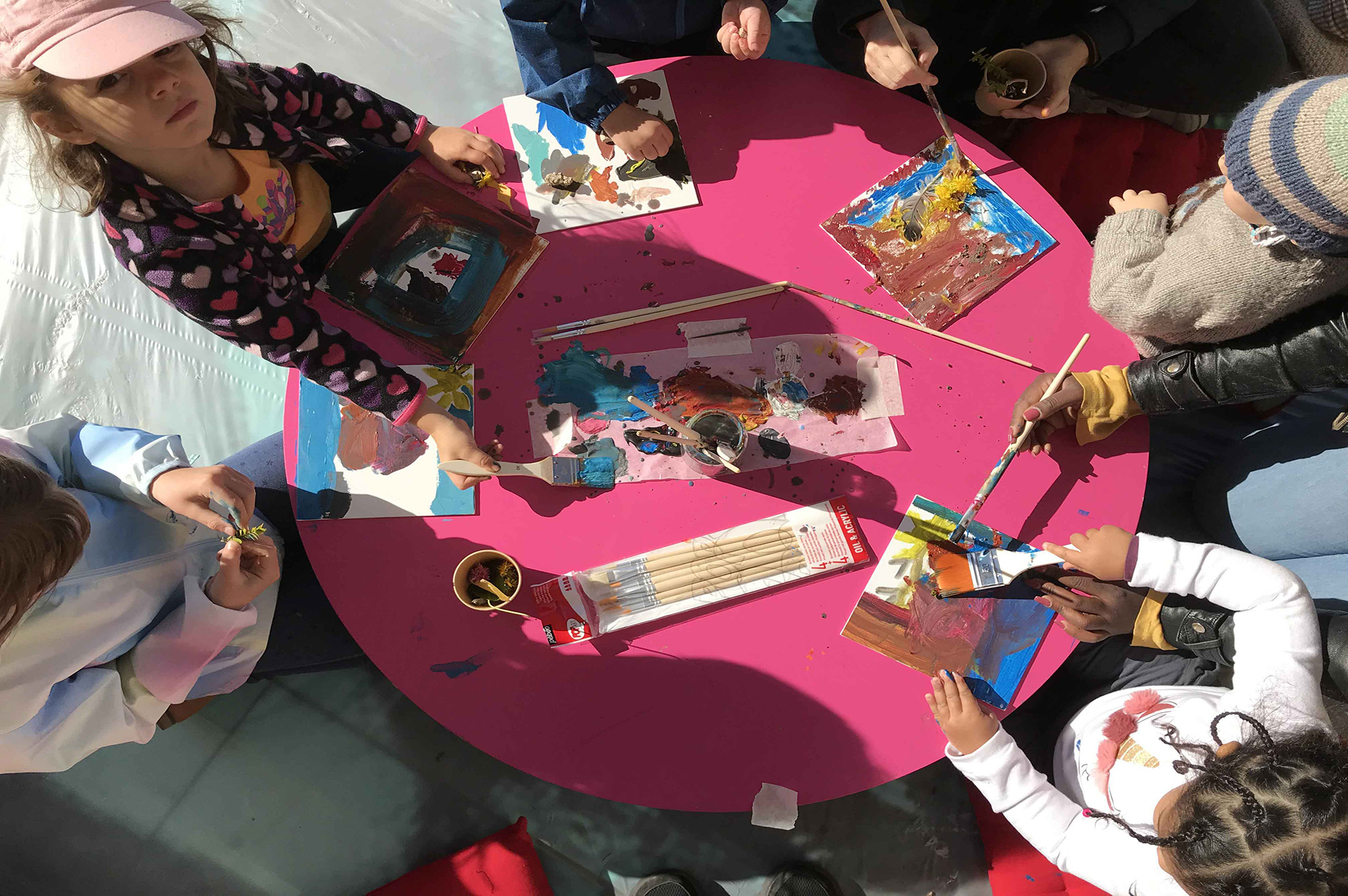
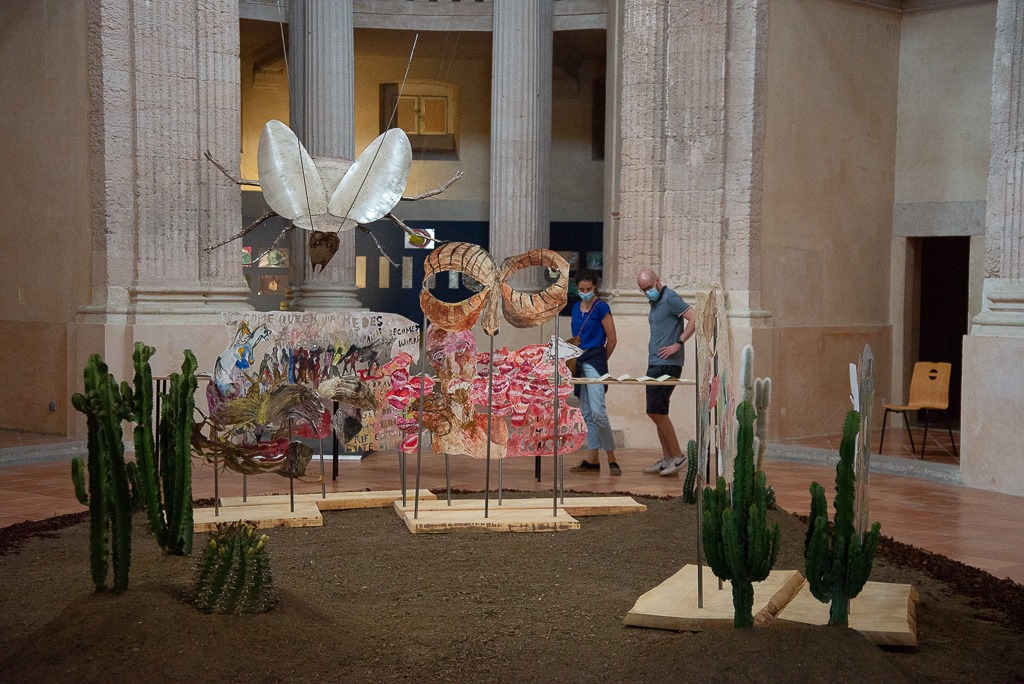
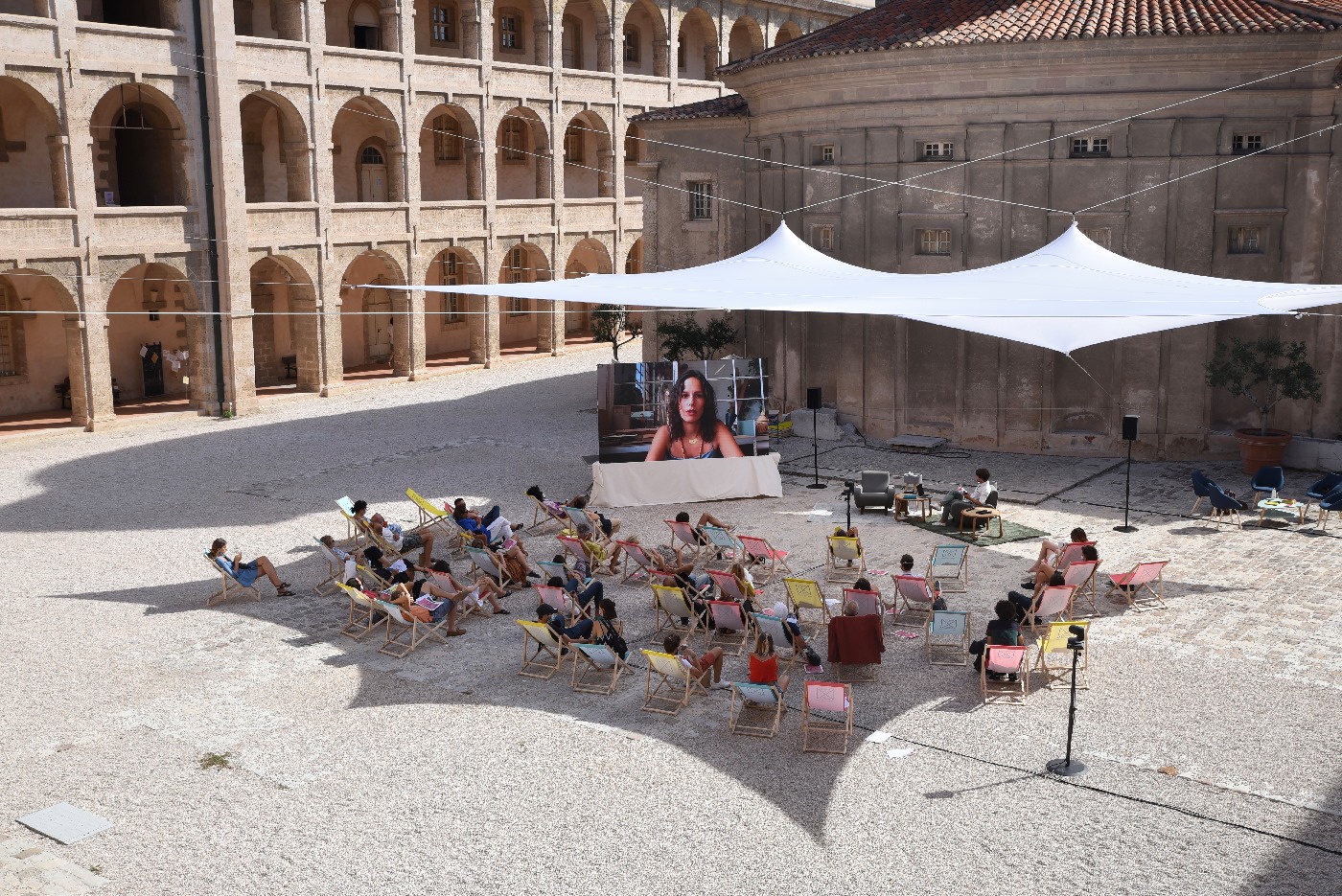
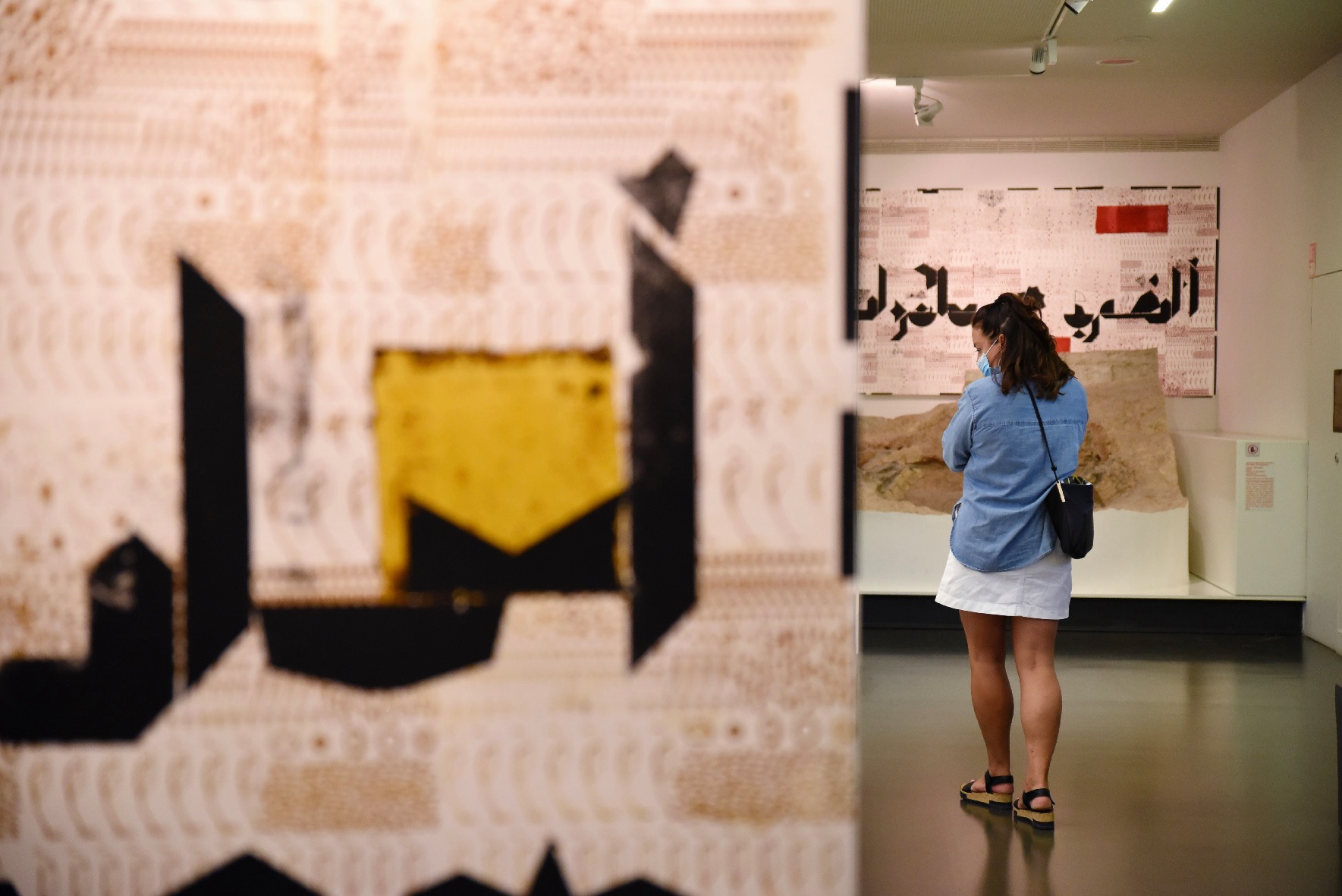
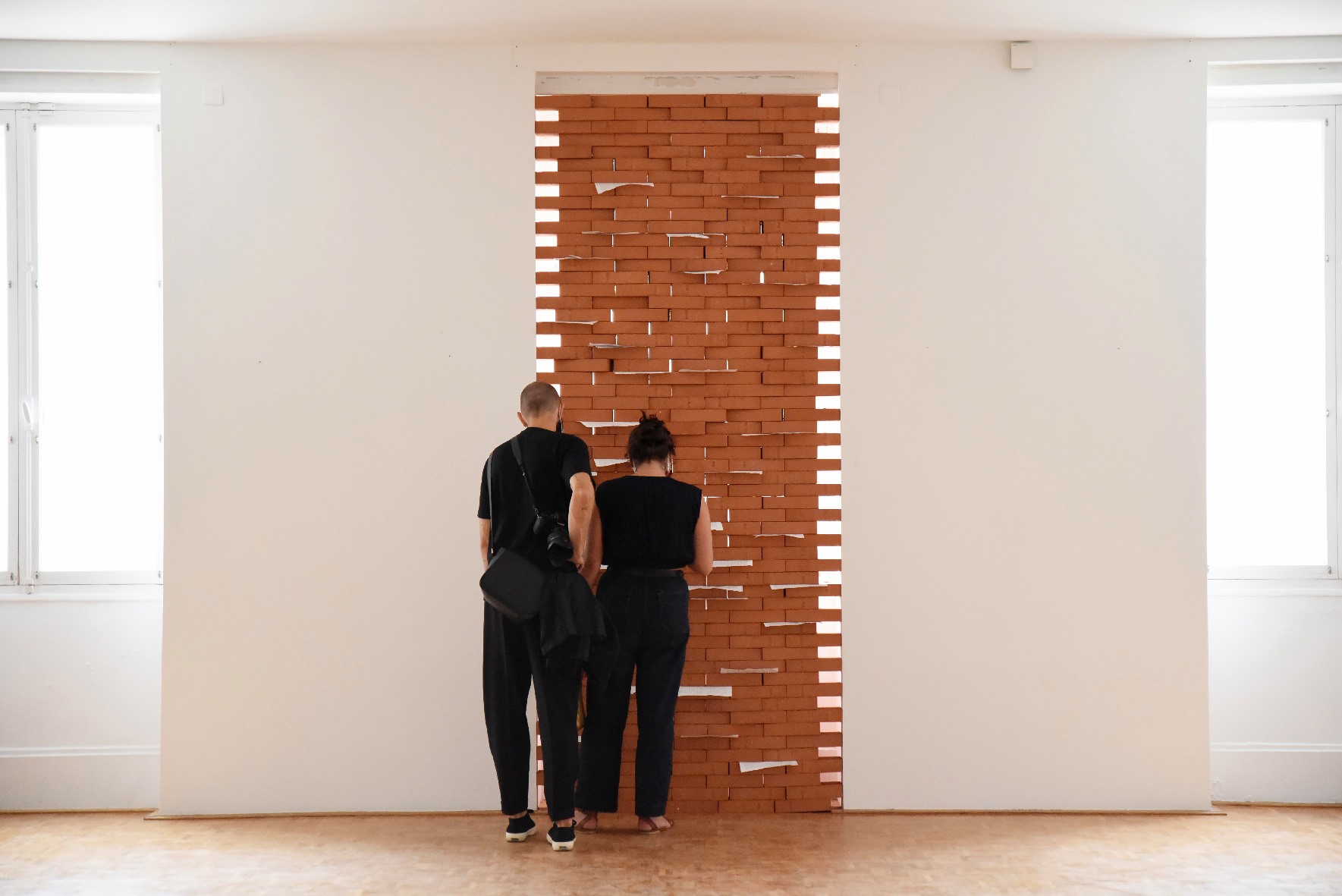
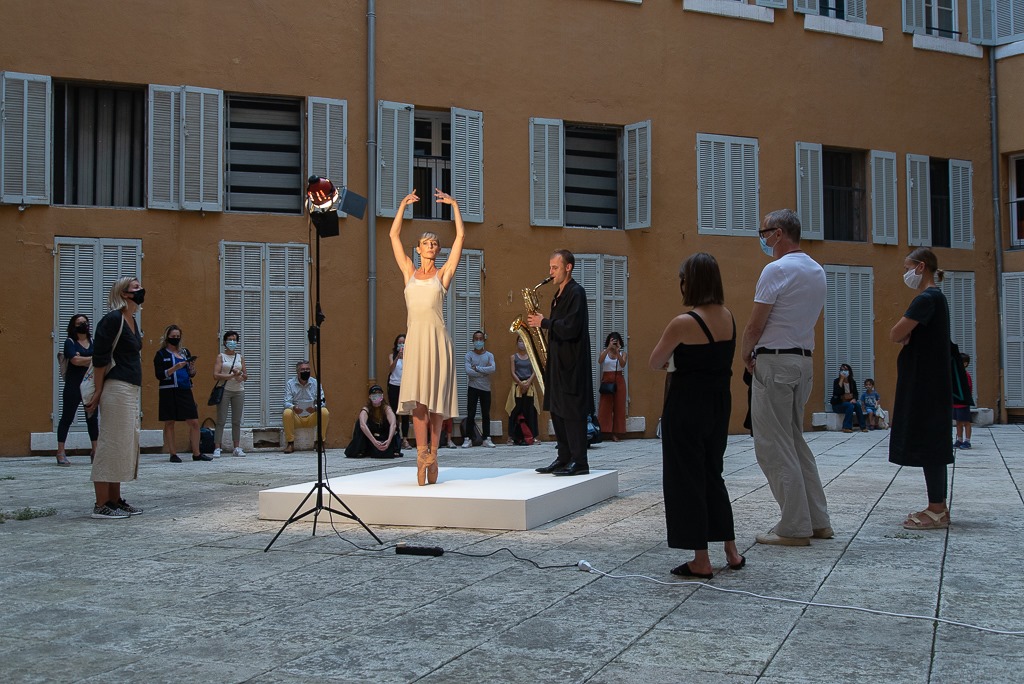
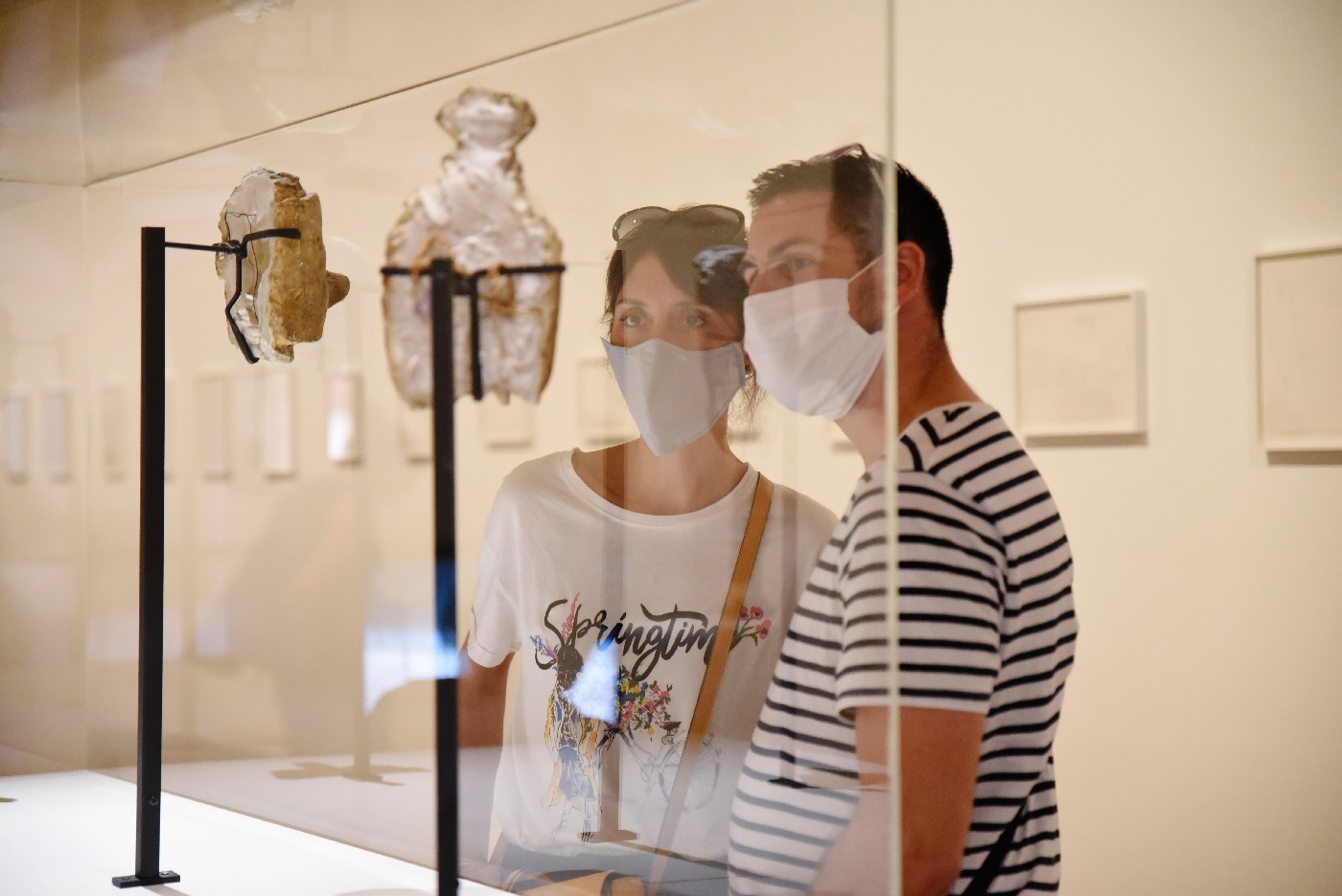
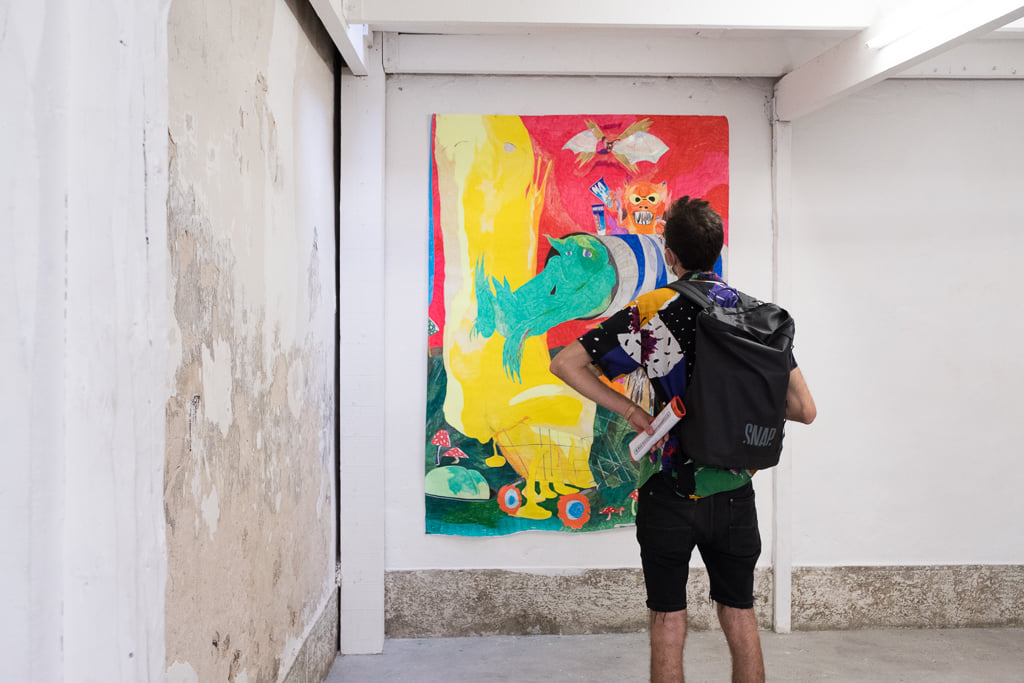
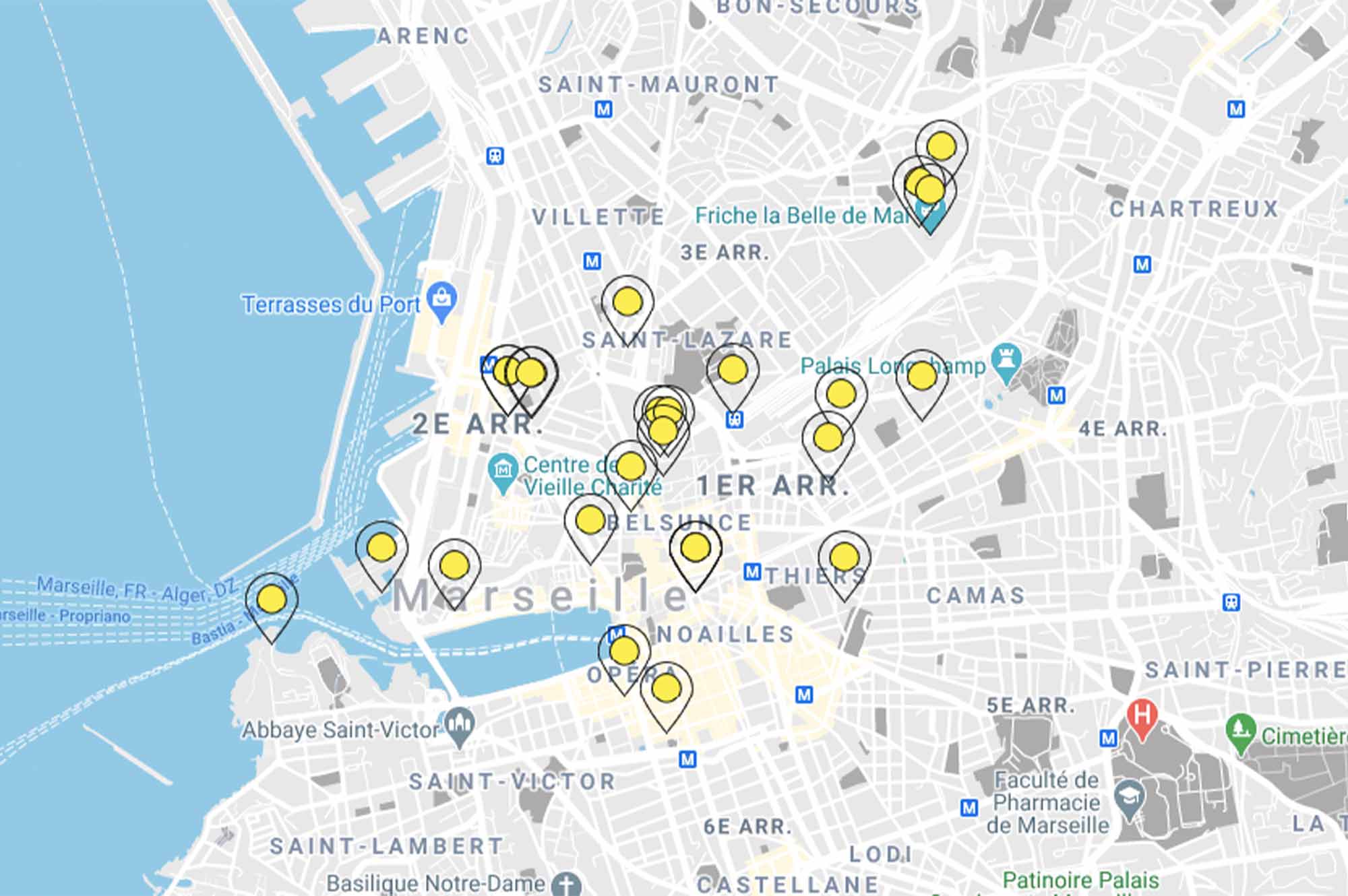
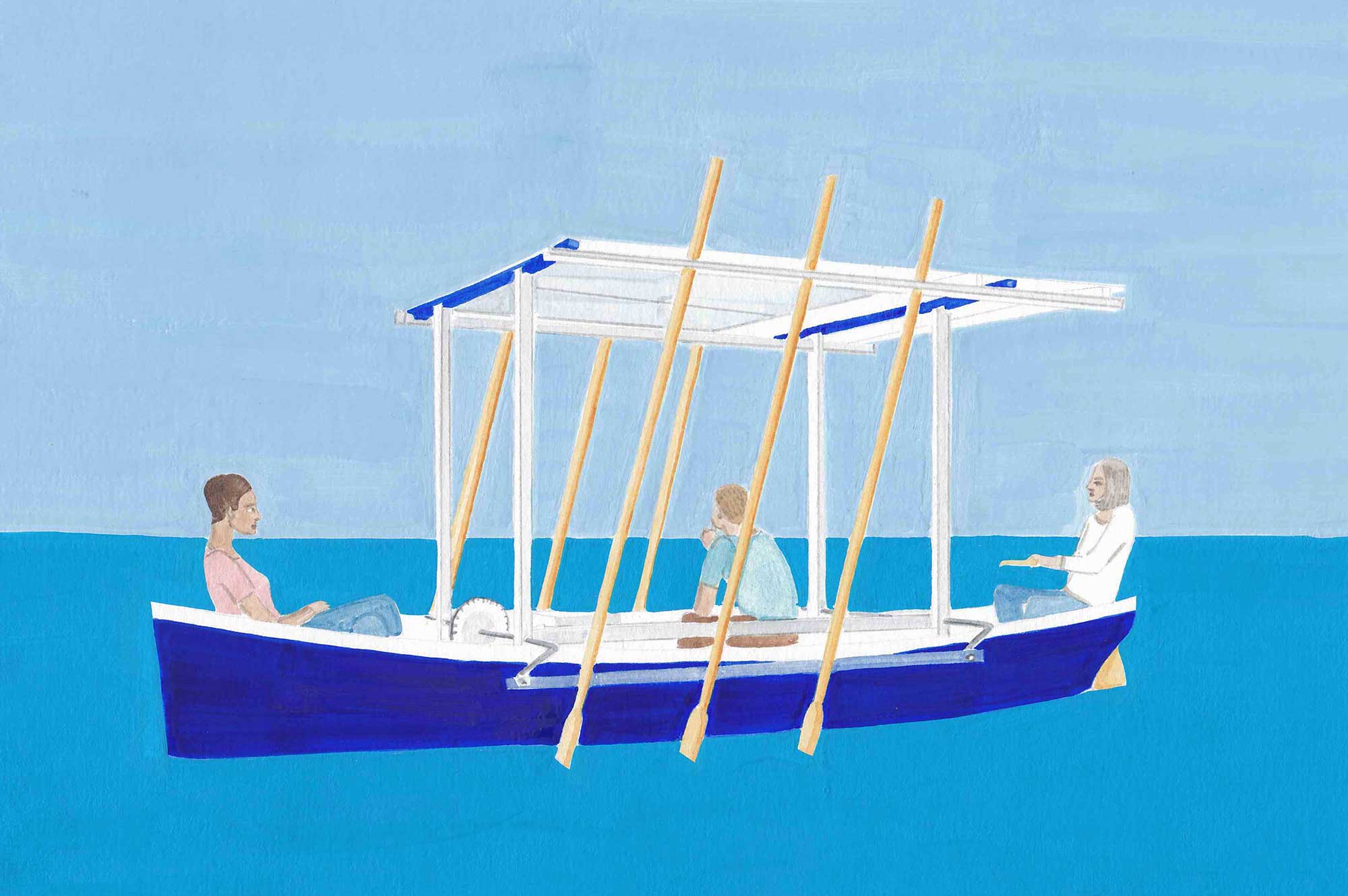
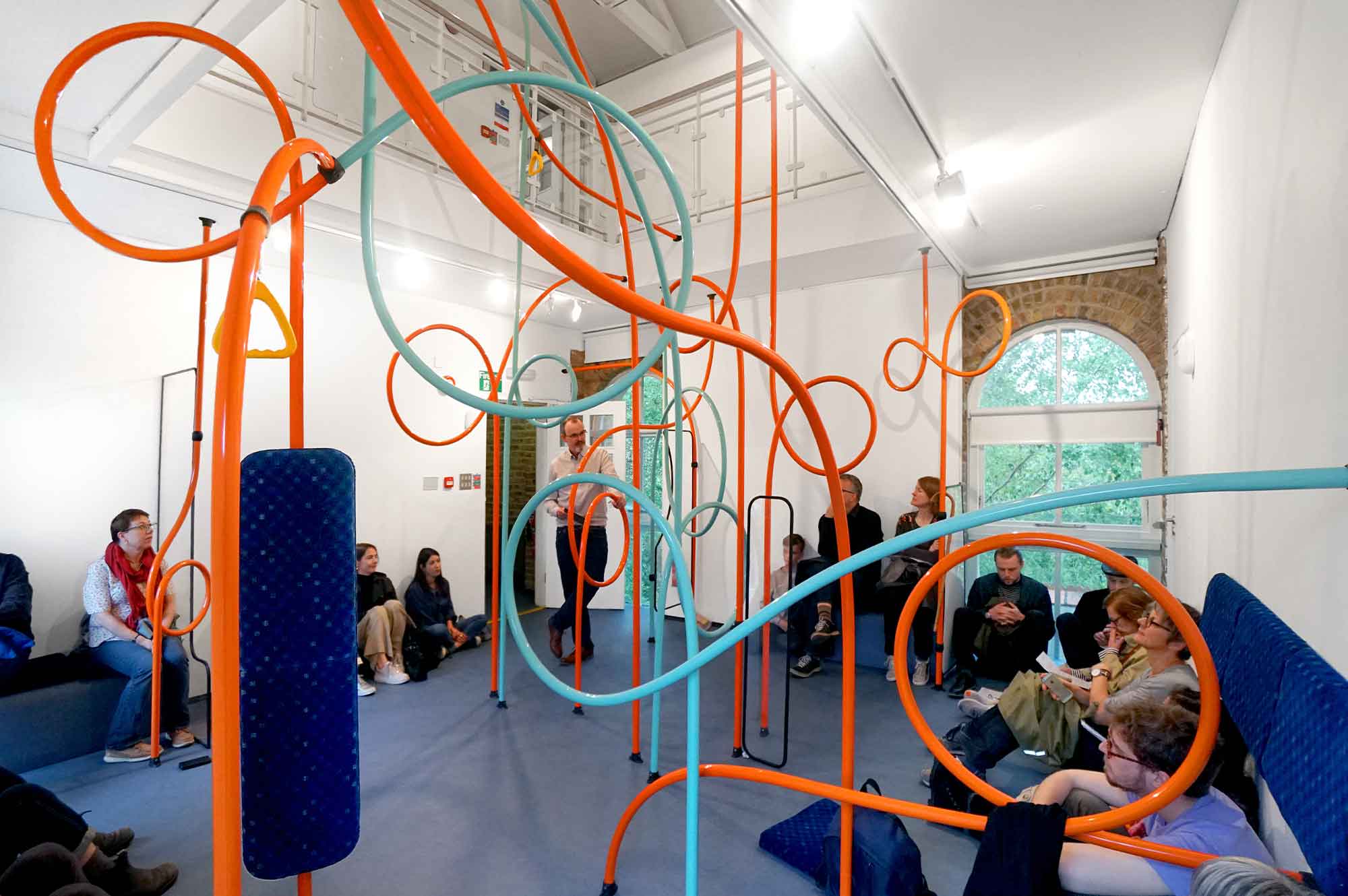
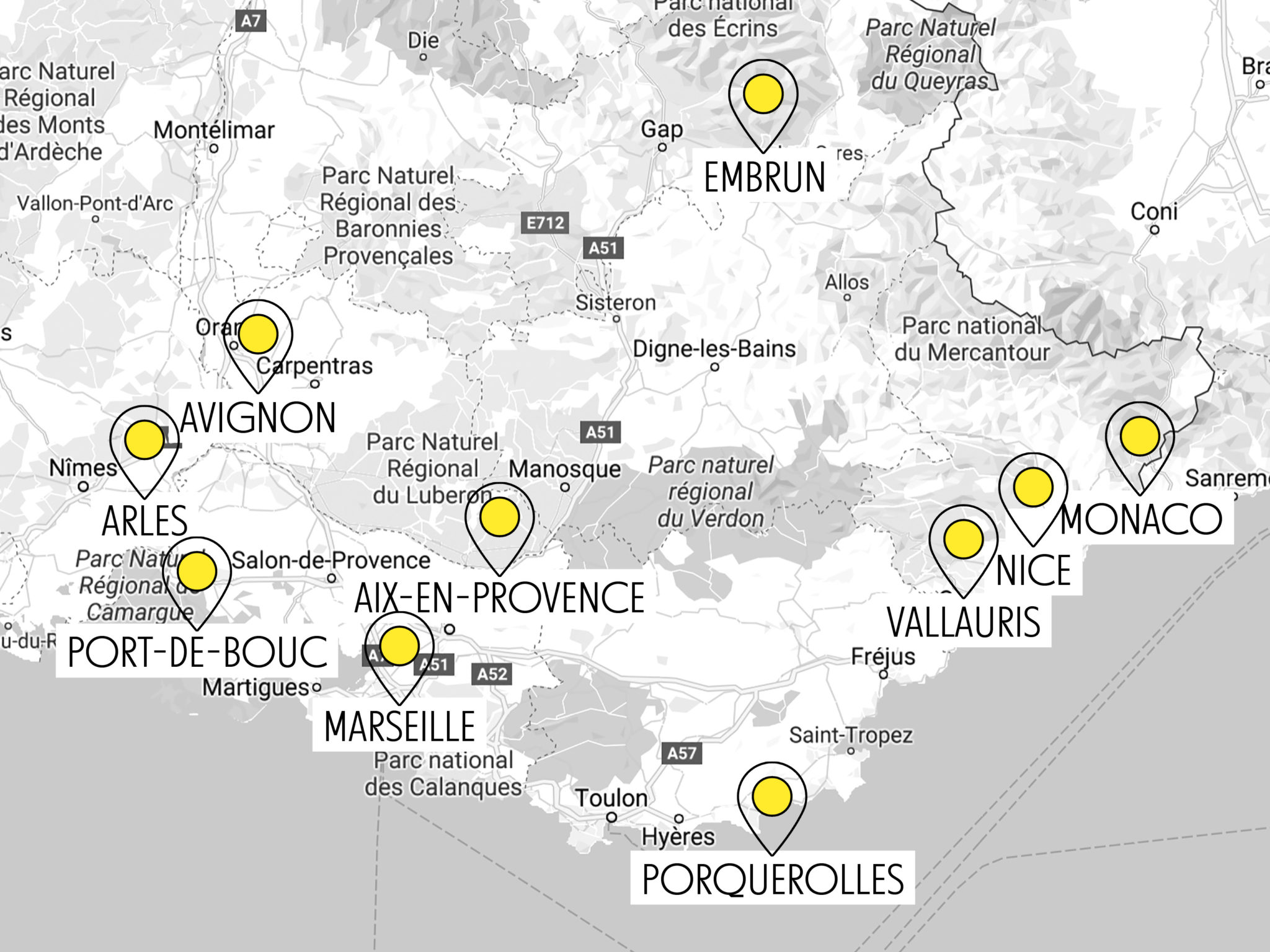
Les Parallèles du Sud, Manifesta 13’s parallel programme offered 86 multi-disciplinary projects highlighting the richness of the artistic and cultural scene in Marseille and in the Region Sud.
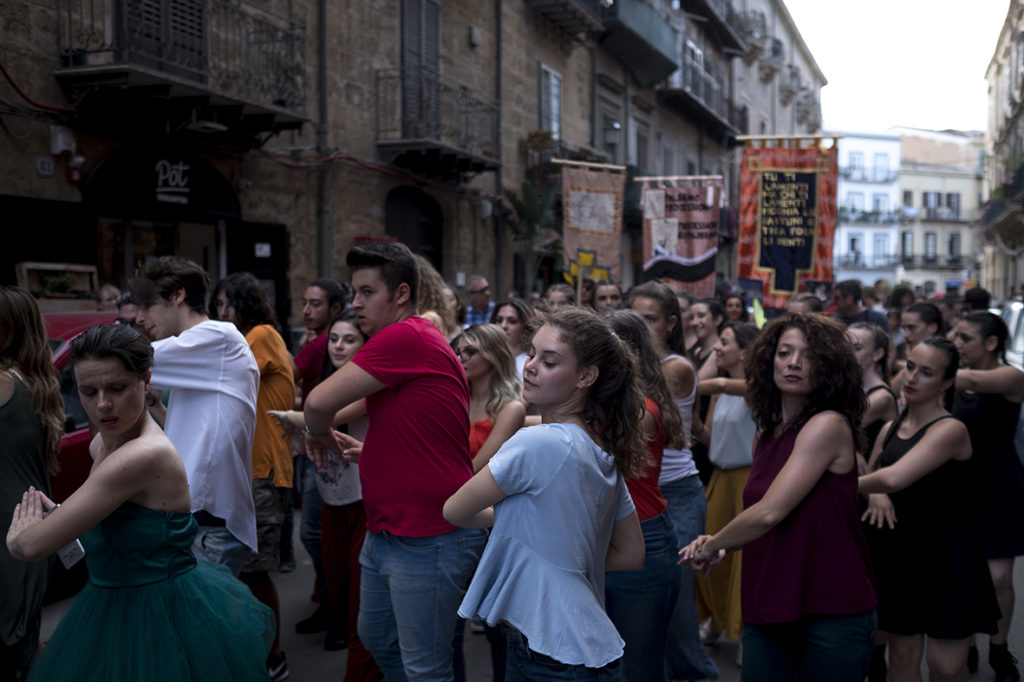
Exhibitions, installations, performances and conferences took place during the biennial in Marseille and across its region. Discover all the projects here.
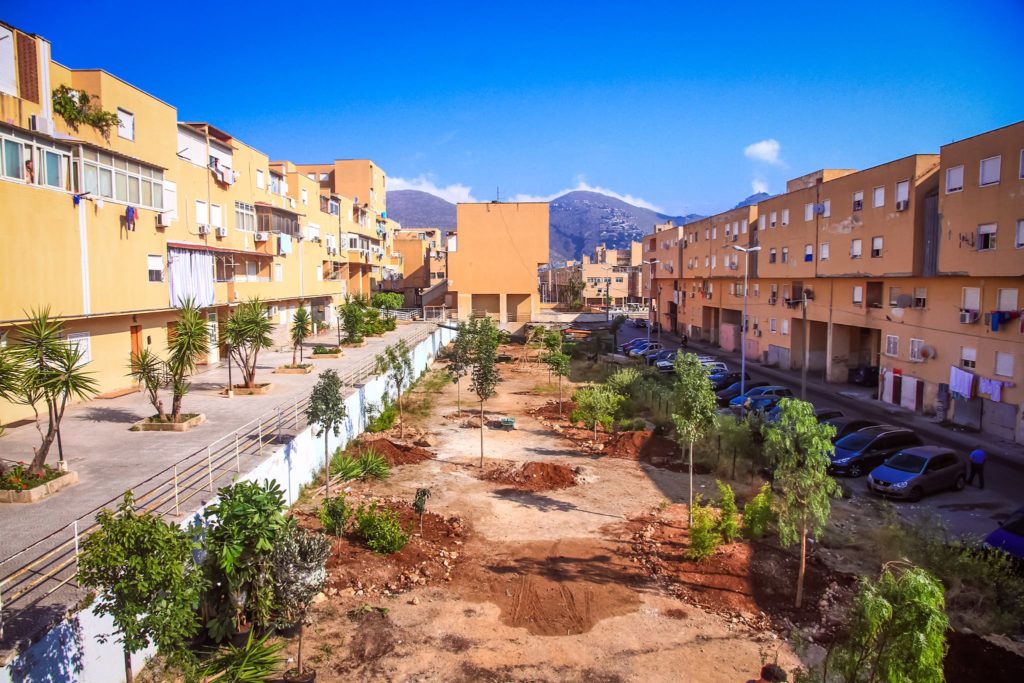
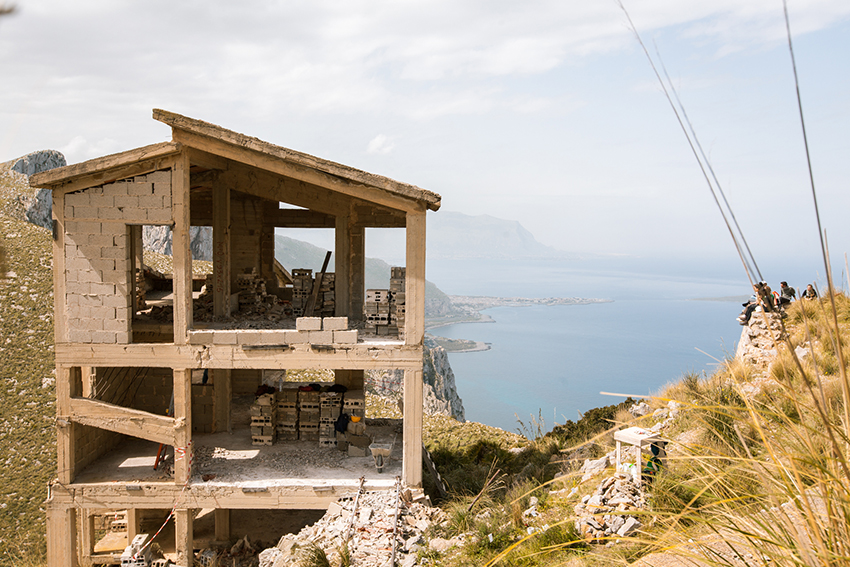
Les Parallèles du Sud projects addressed numerous themes that echoed the biennial’s central theme Traits d’union.s such as our relationship to nature, issues surrounding migration and the transformation of 21st century cities.
Some projects that have been reported to 2021 such as the 93.13 : Appel d’air.e performance at the Théâtre de l’Œuvre, the film La Constellation de la Rouguière of the Cinéma du Sud &Tilt, the La loterie des désirs performance at the ZEF and the exhibition Magnetic North at Vidéochroniques – Espace d’art contemporain.. Stay connected!
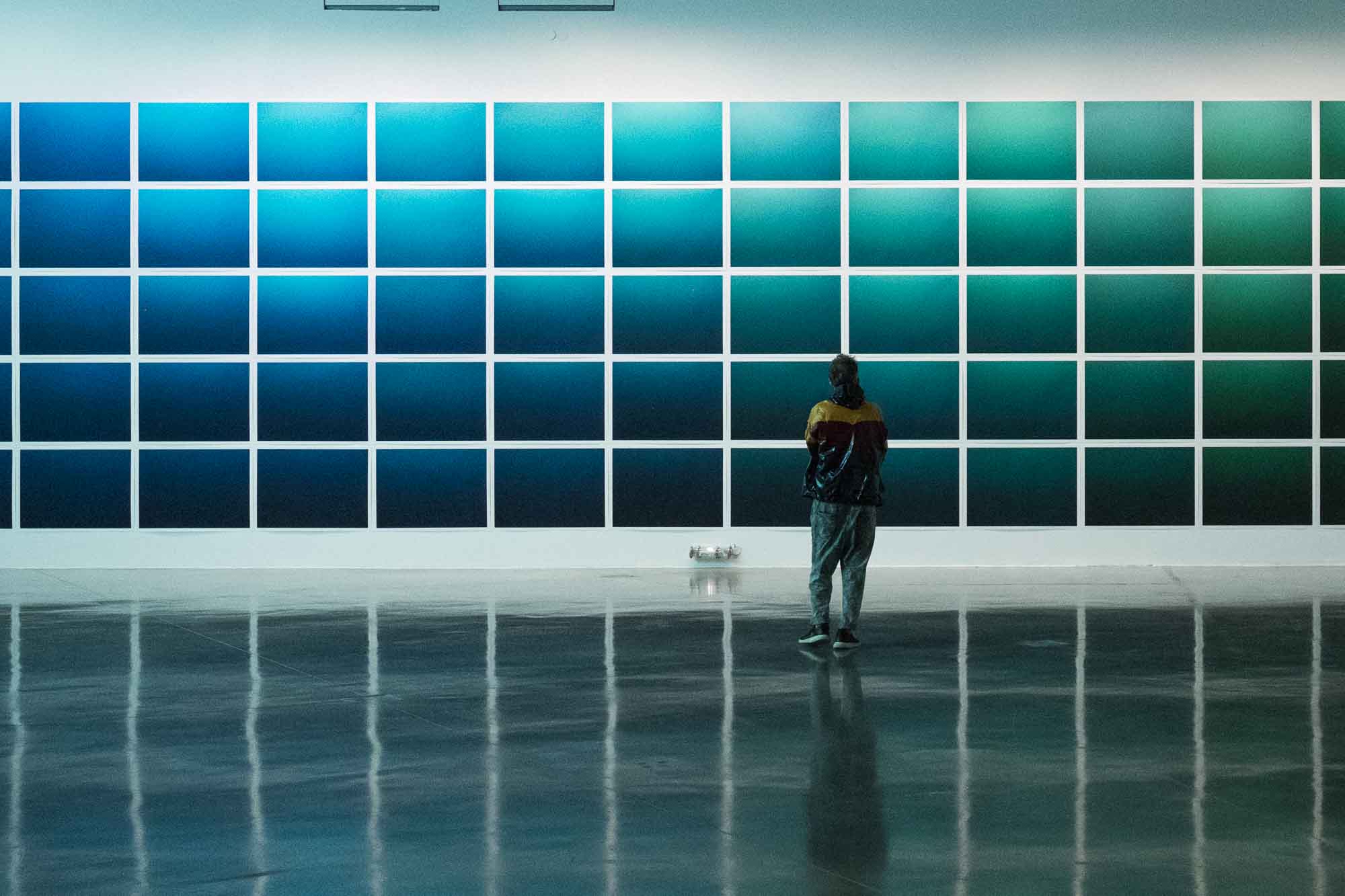
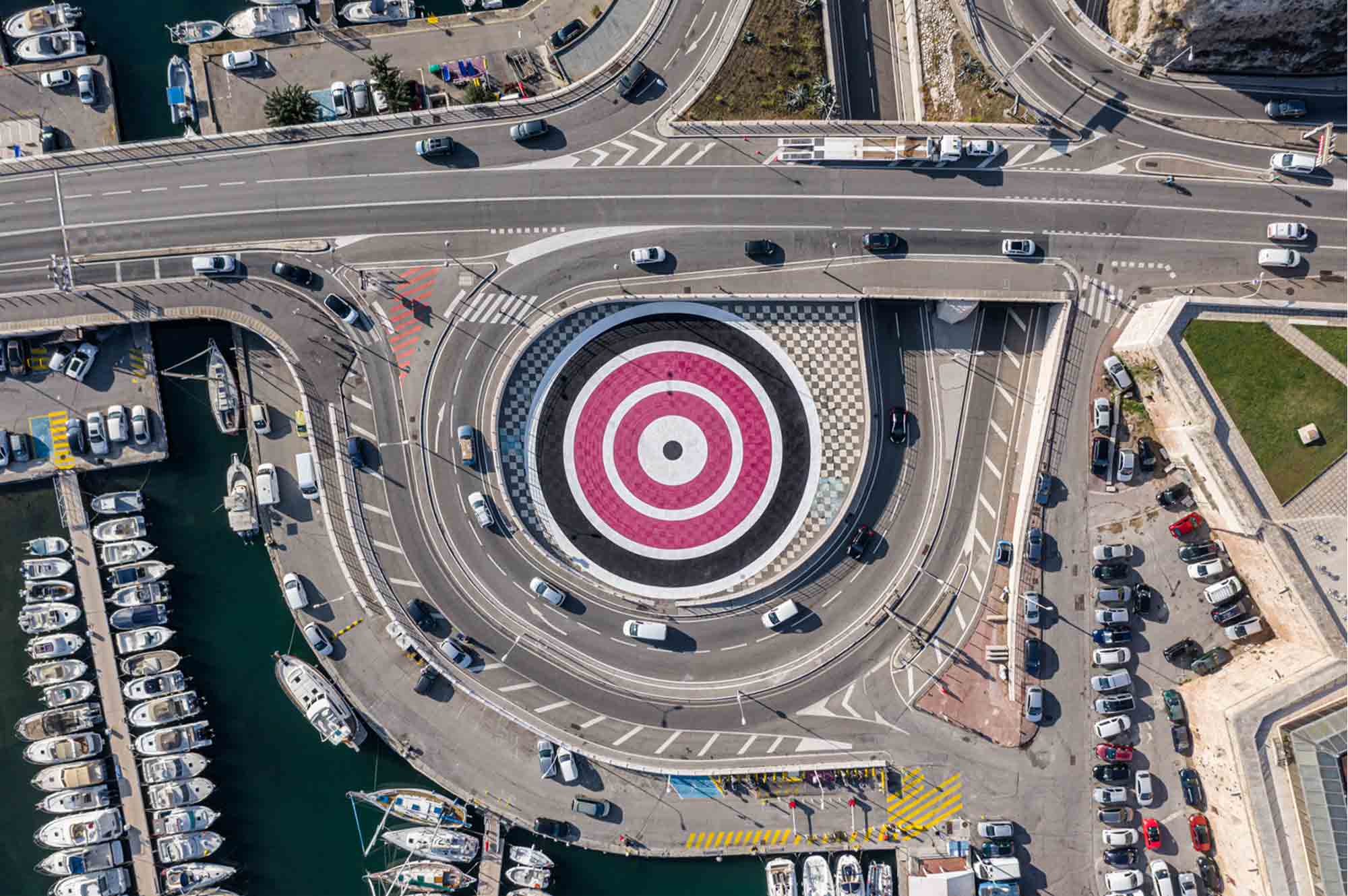
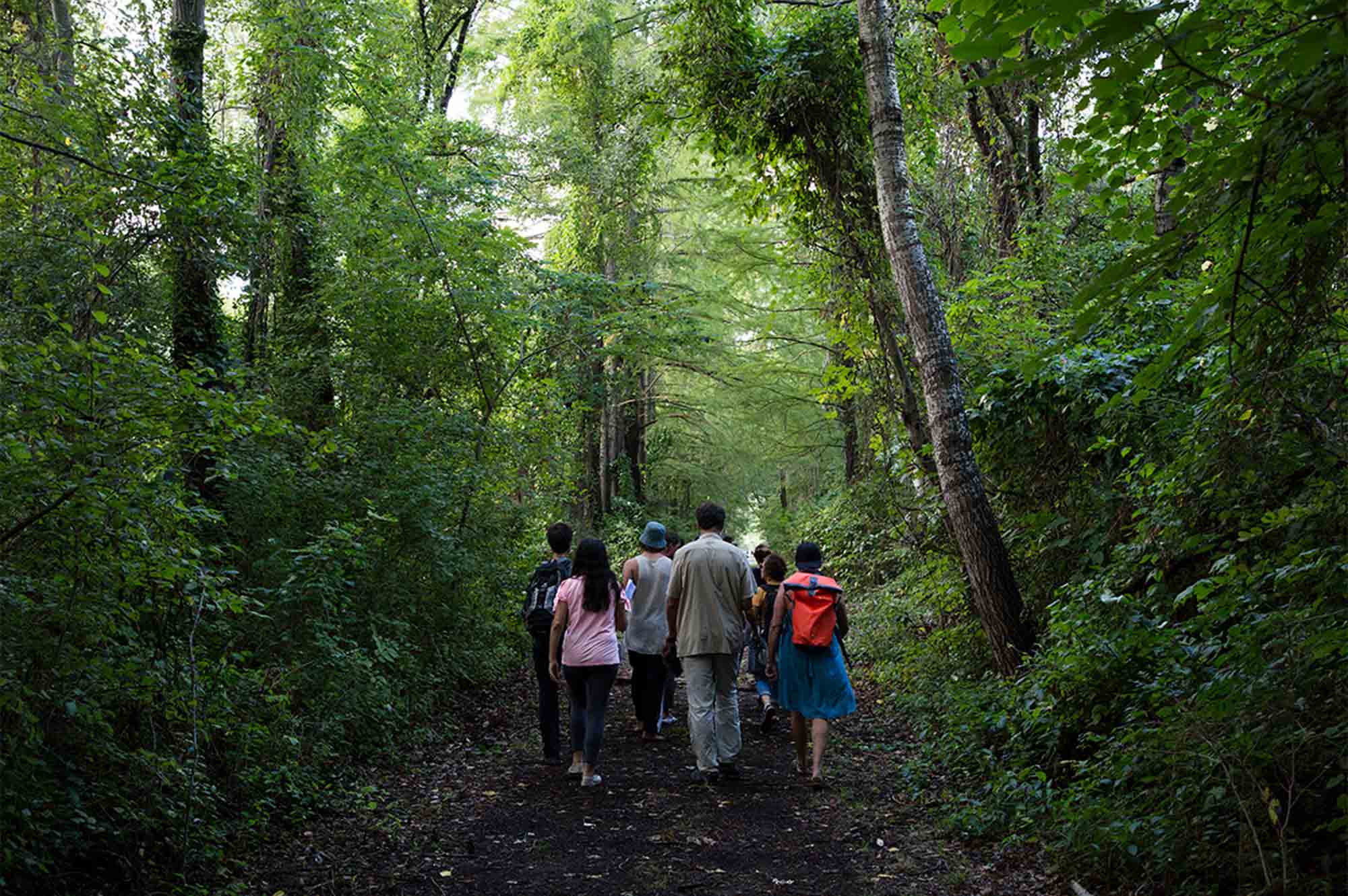
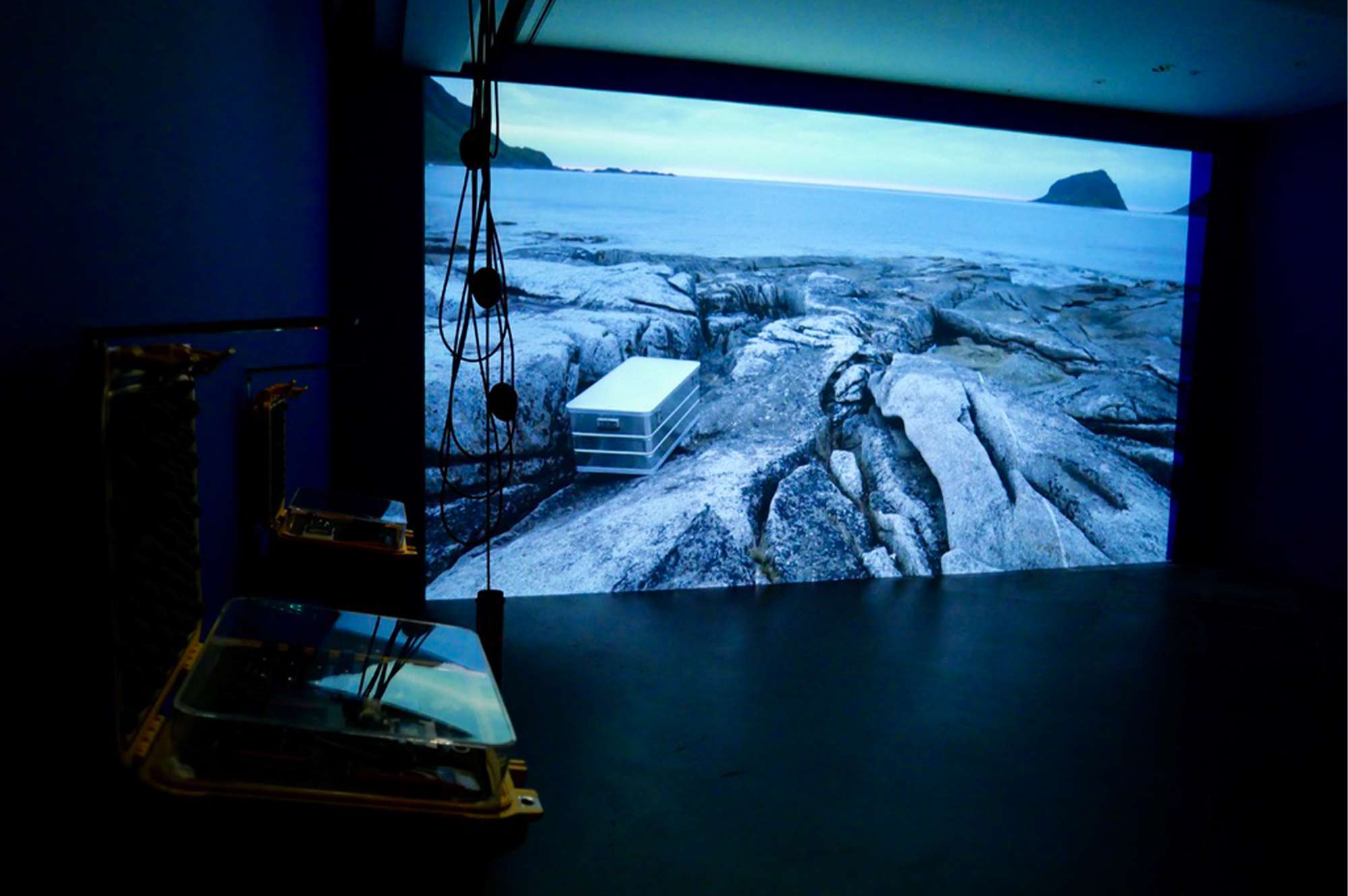
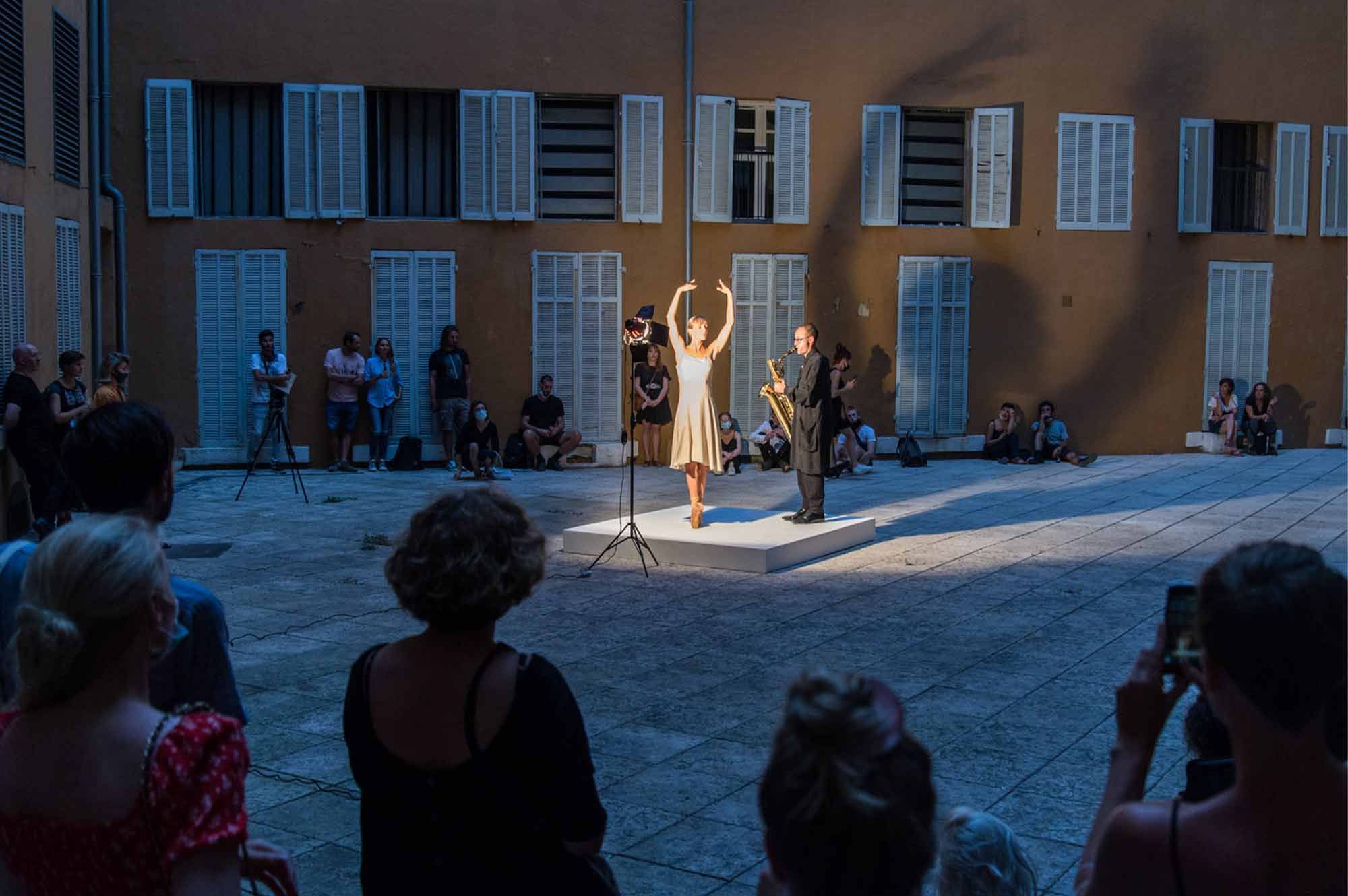
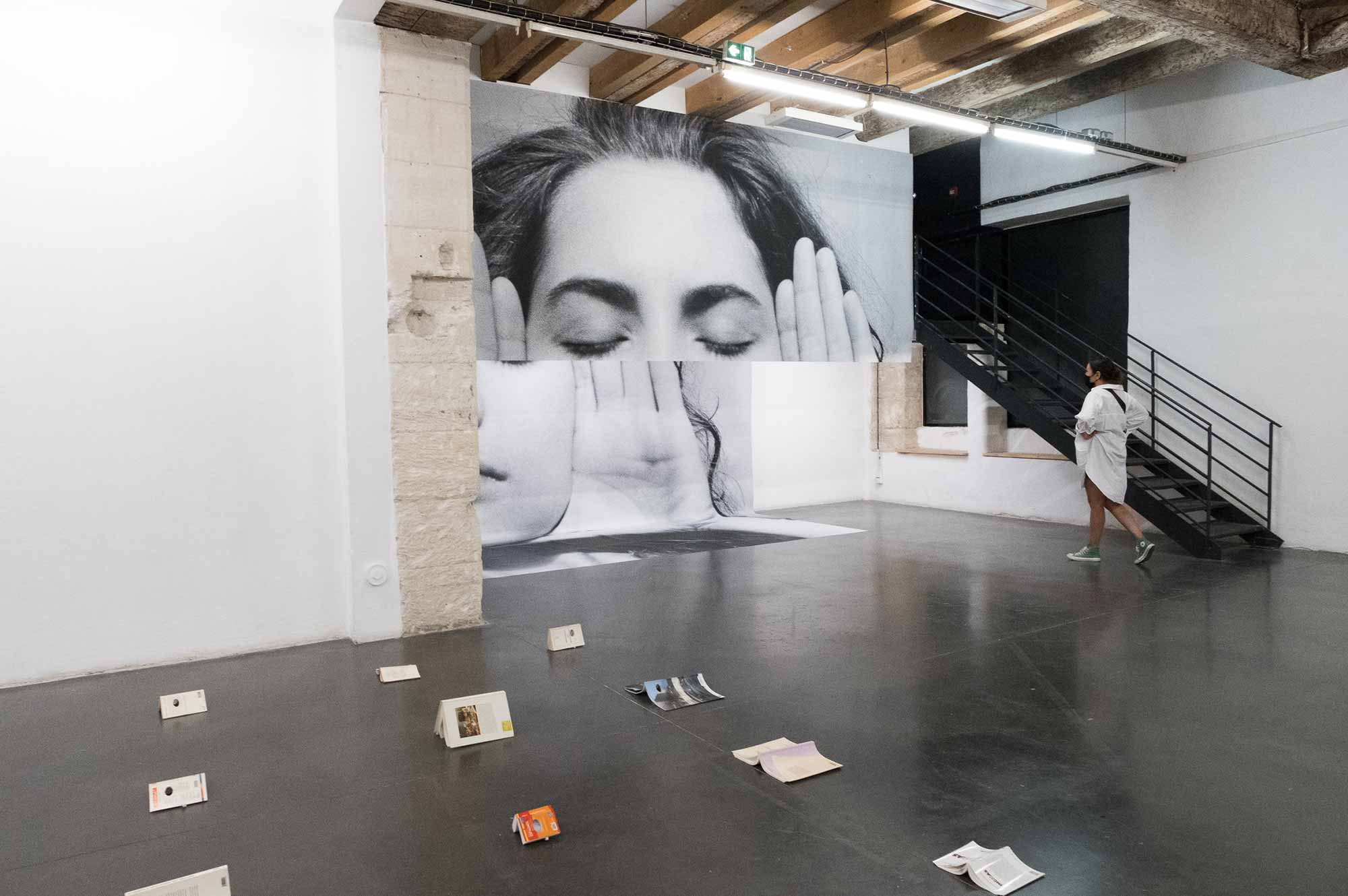
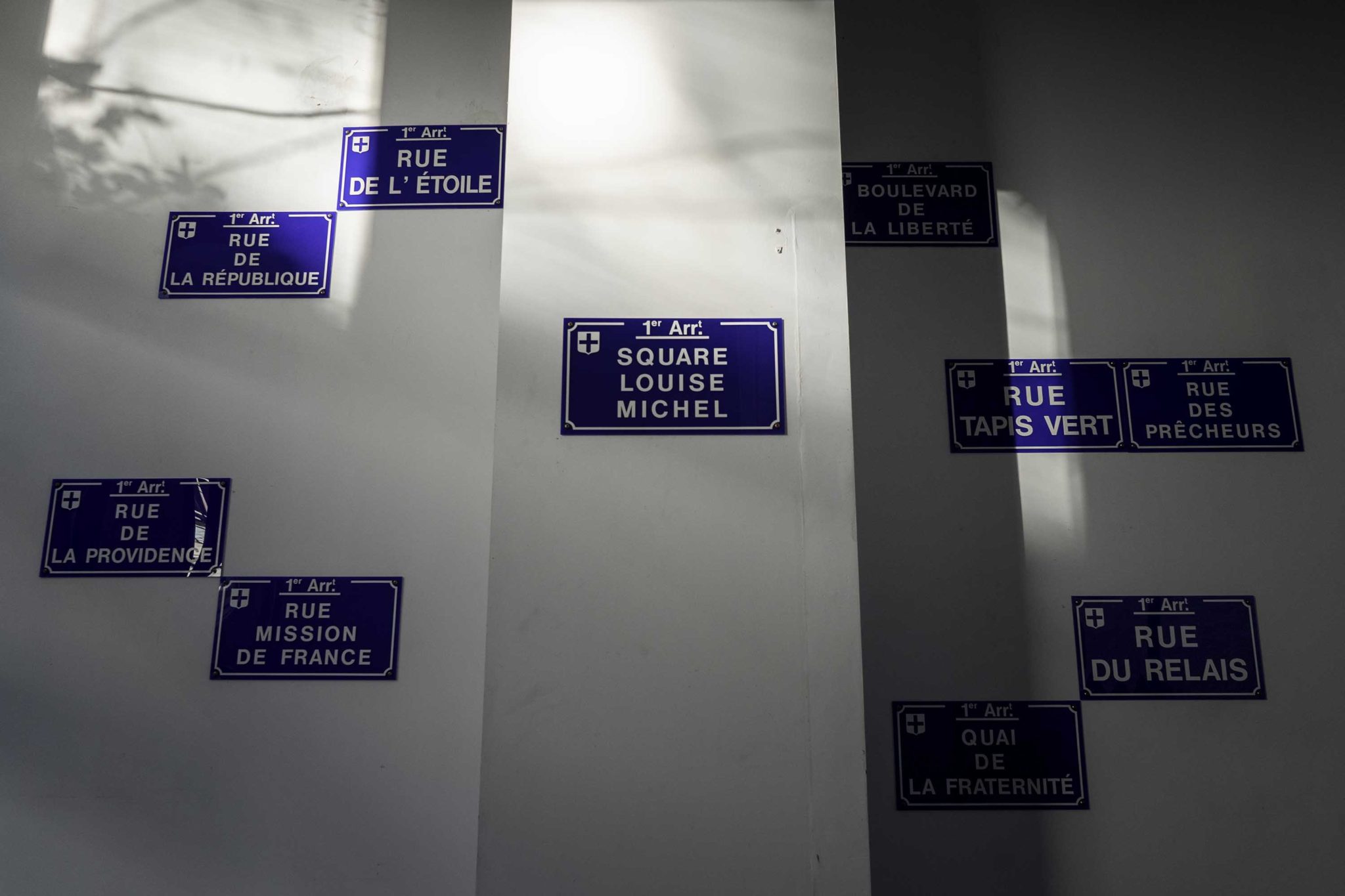
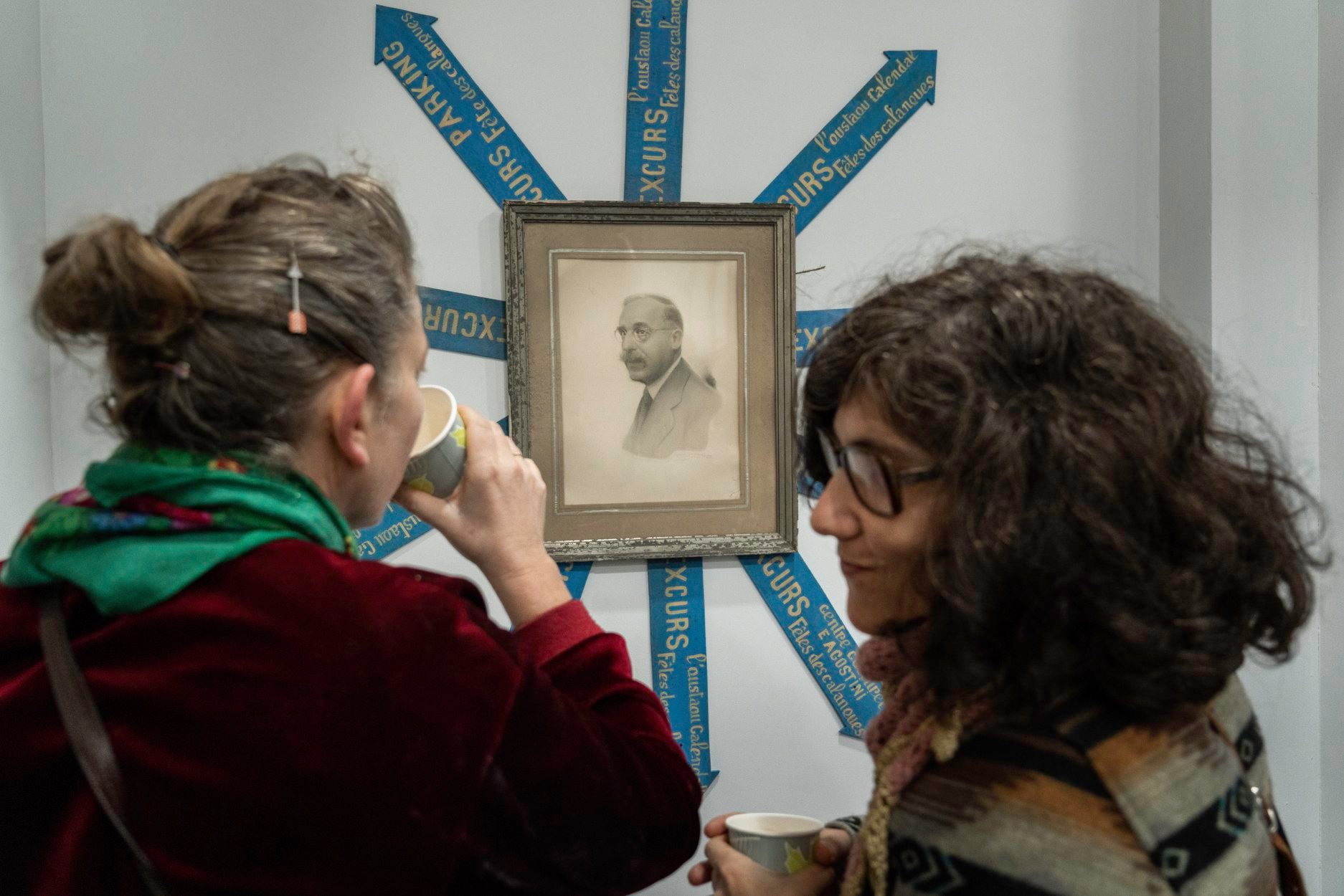
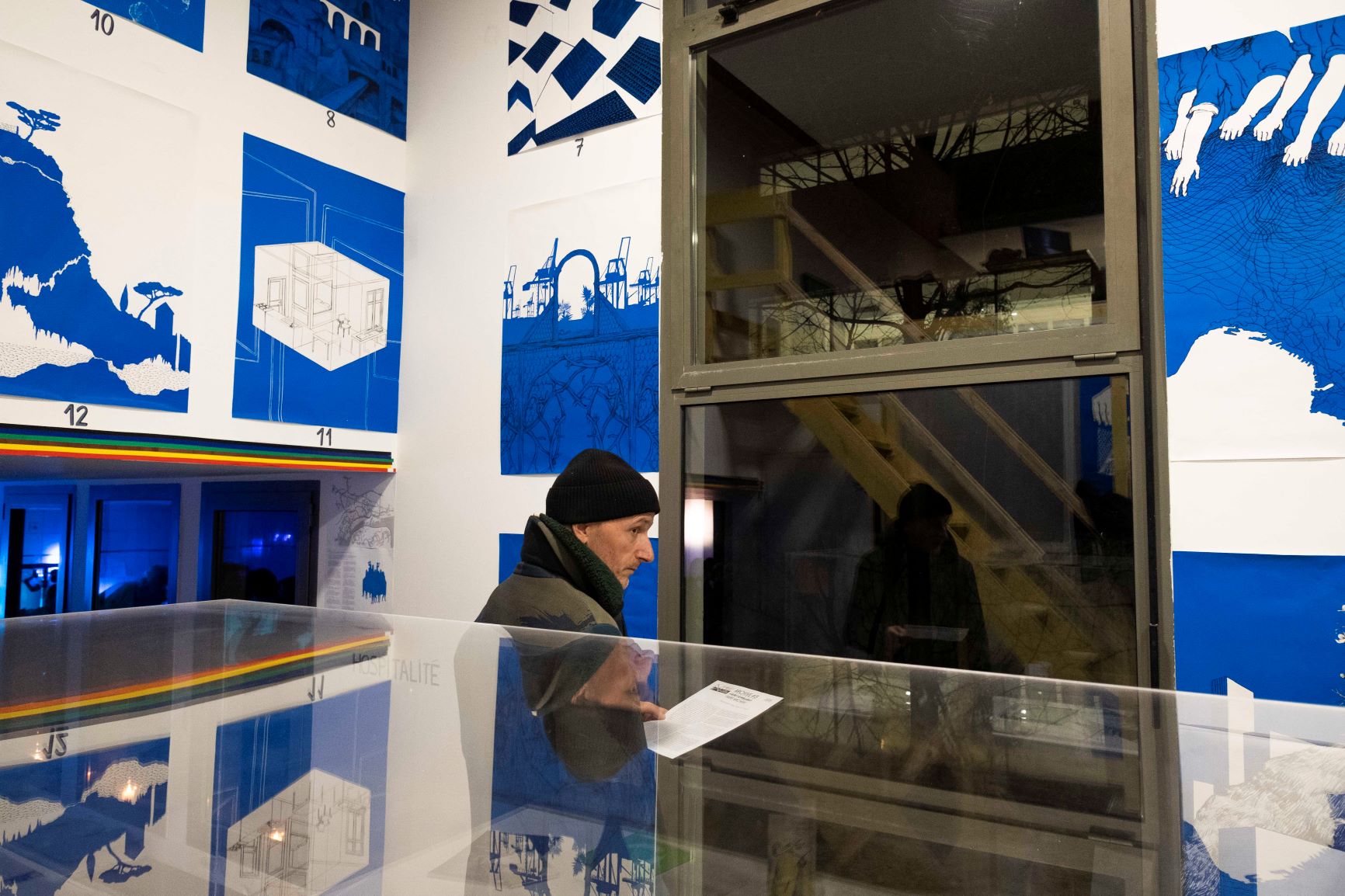
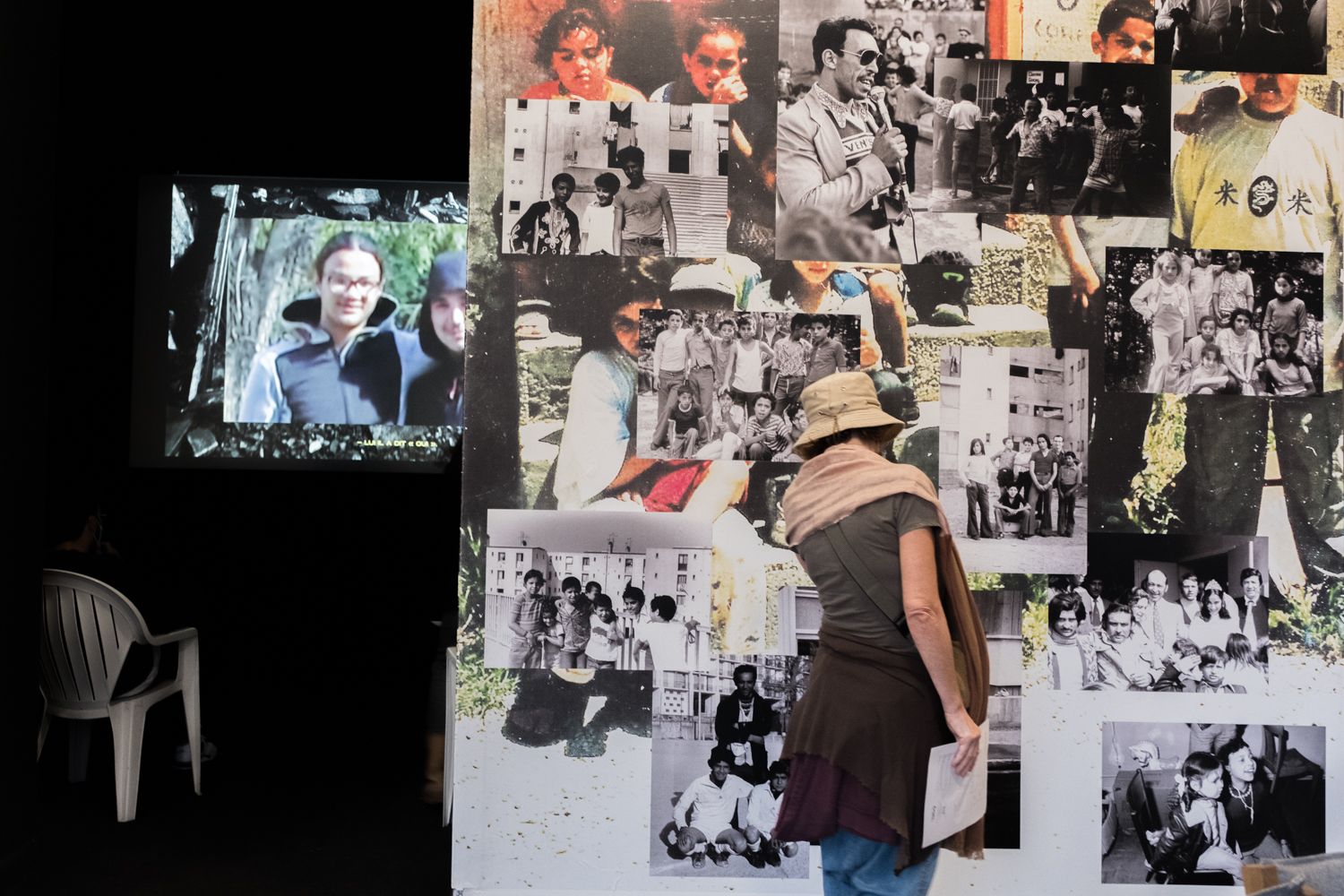
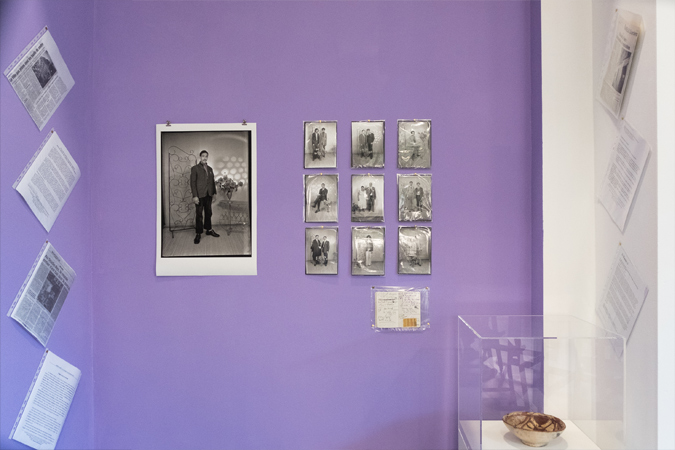
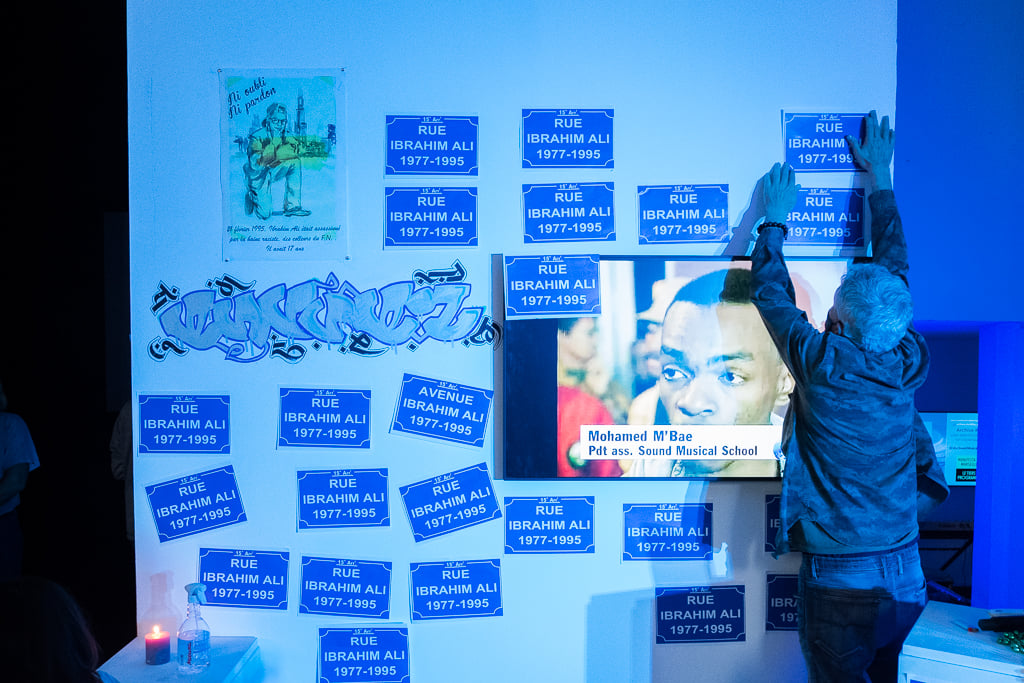
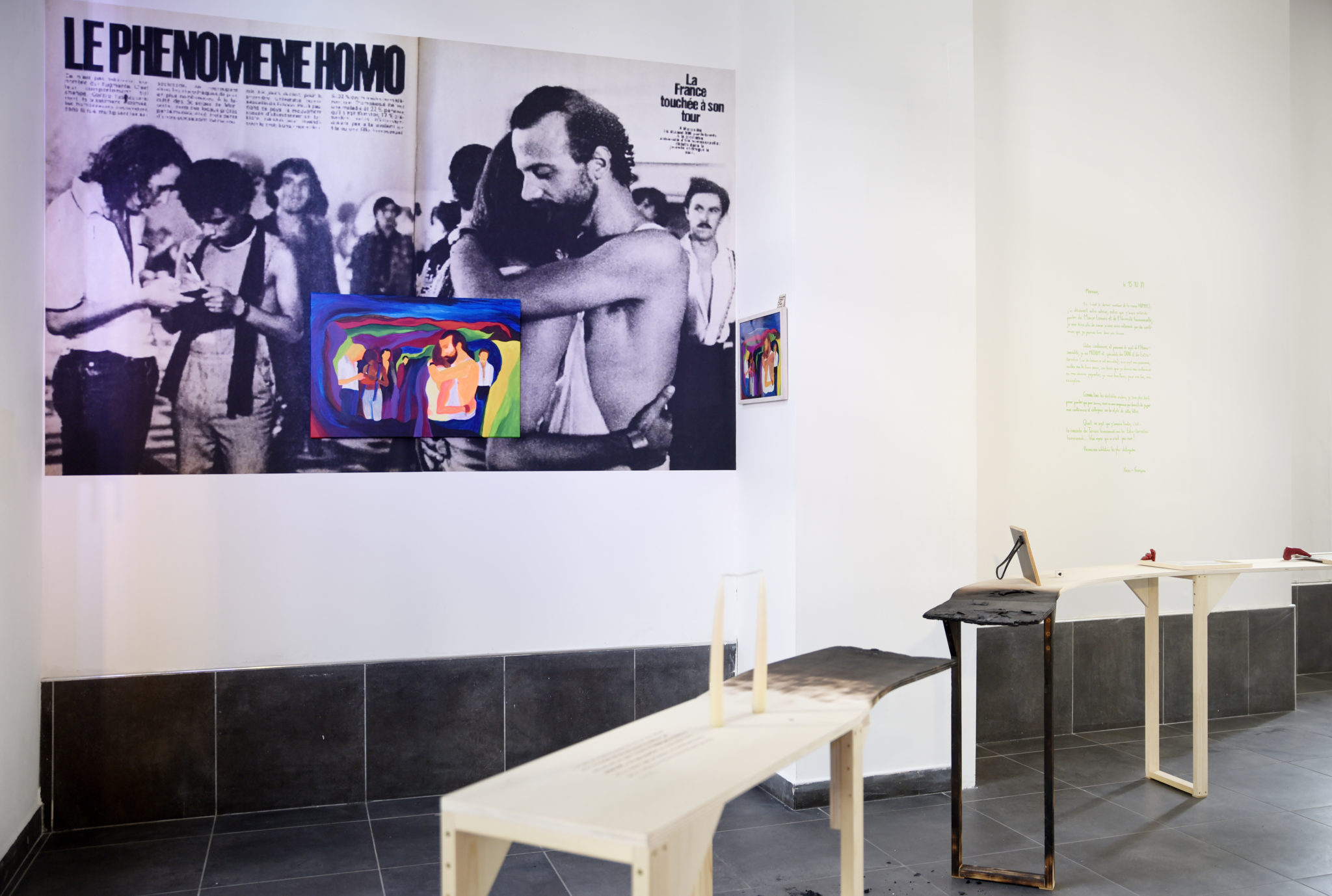
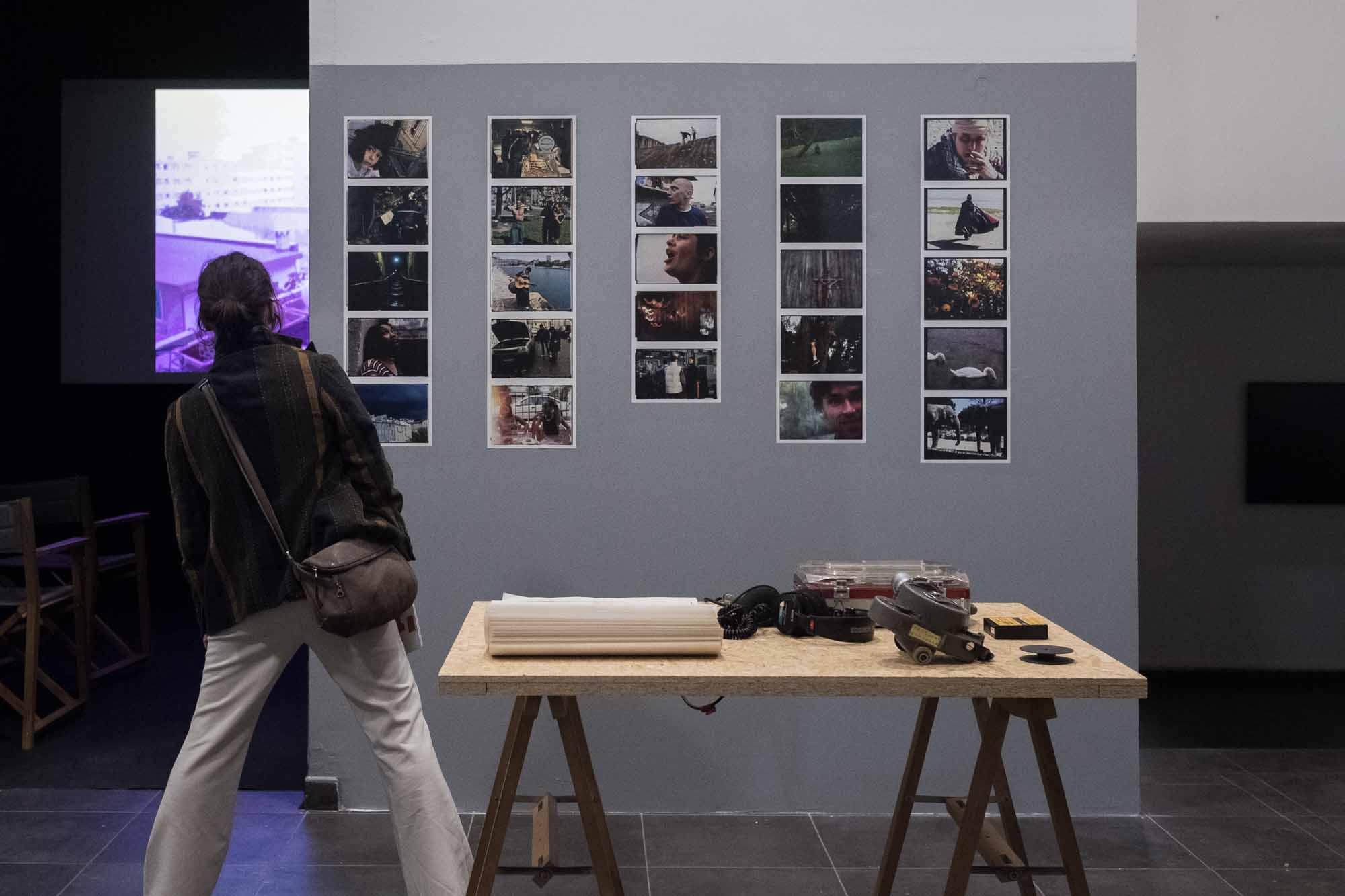
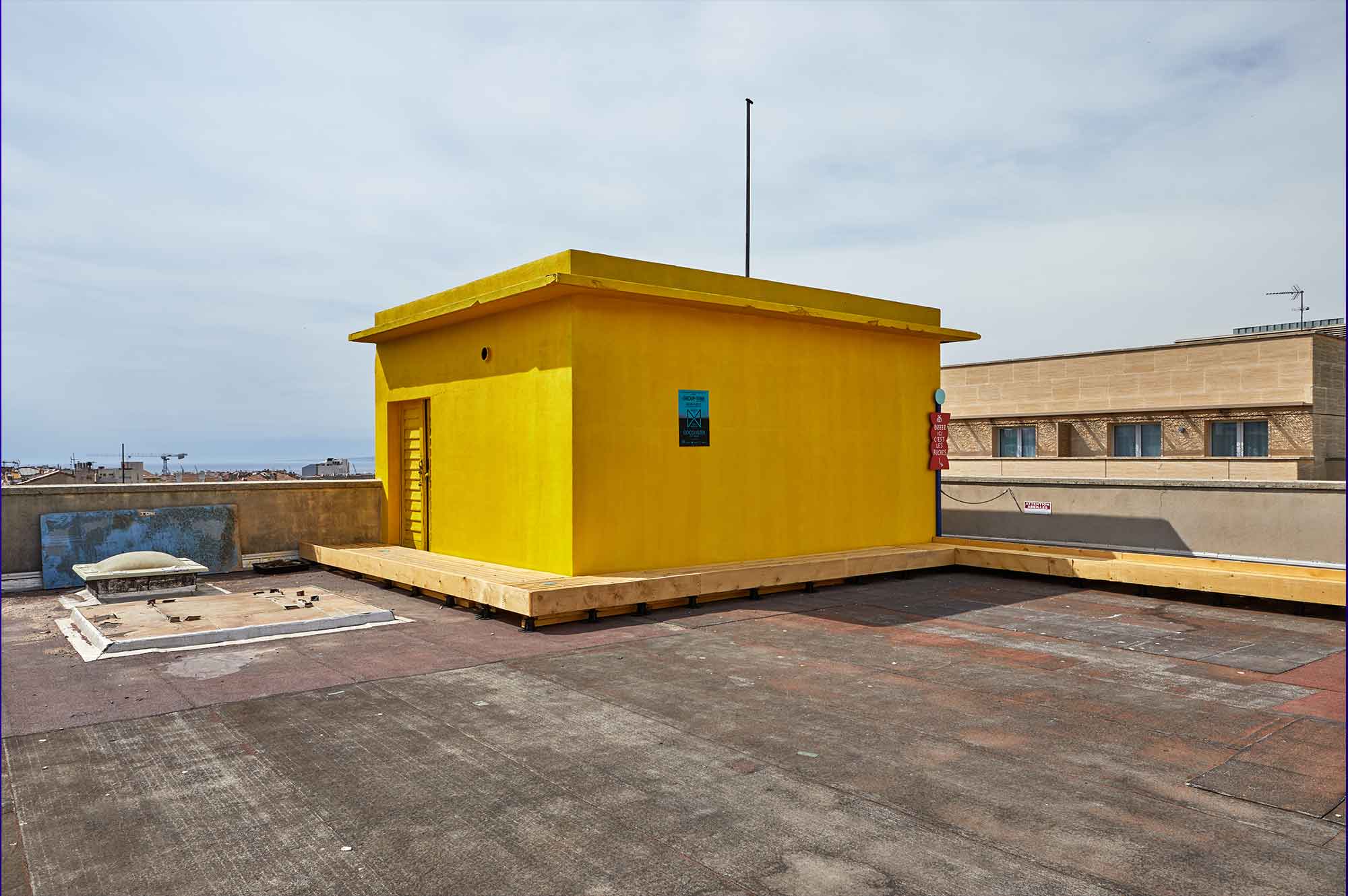
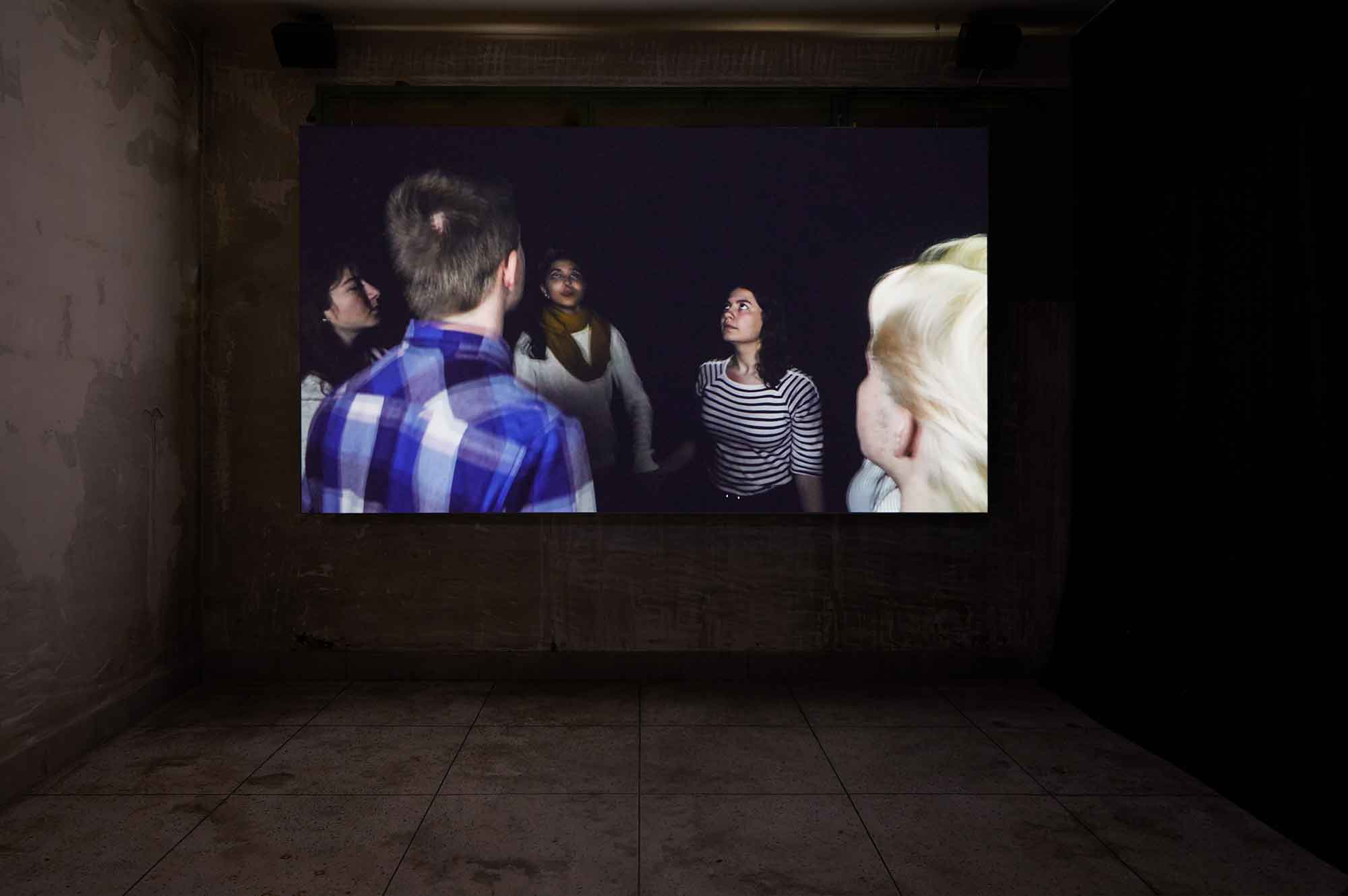
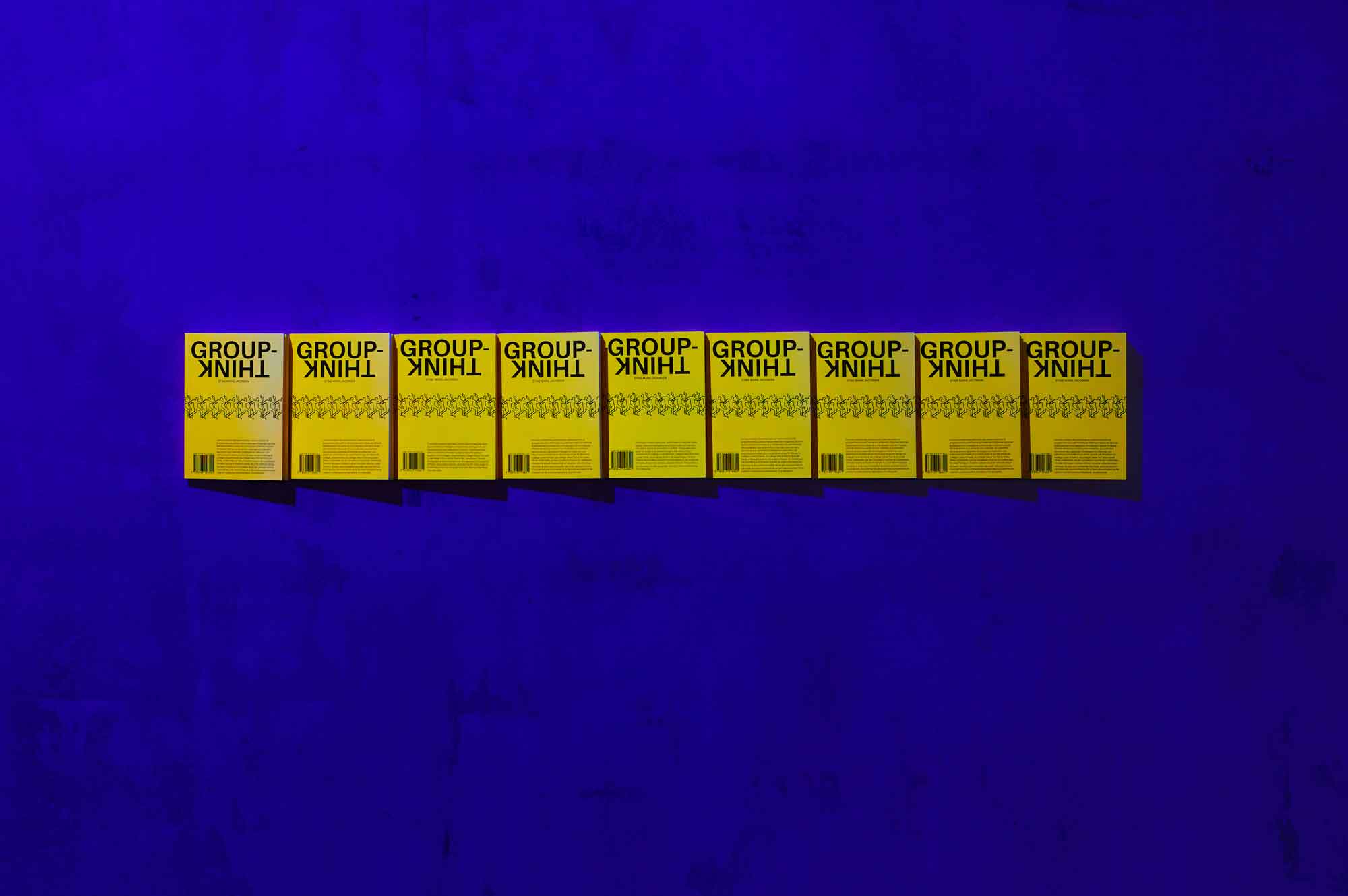
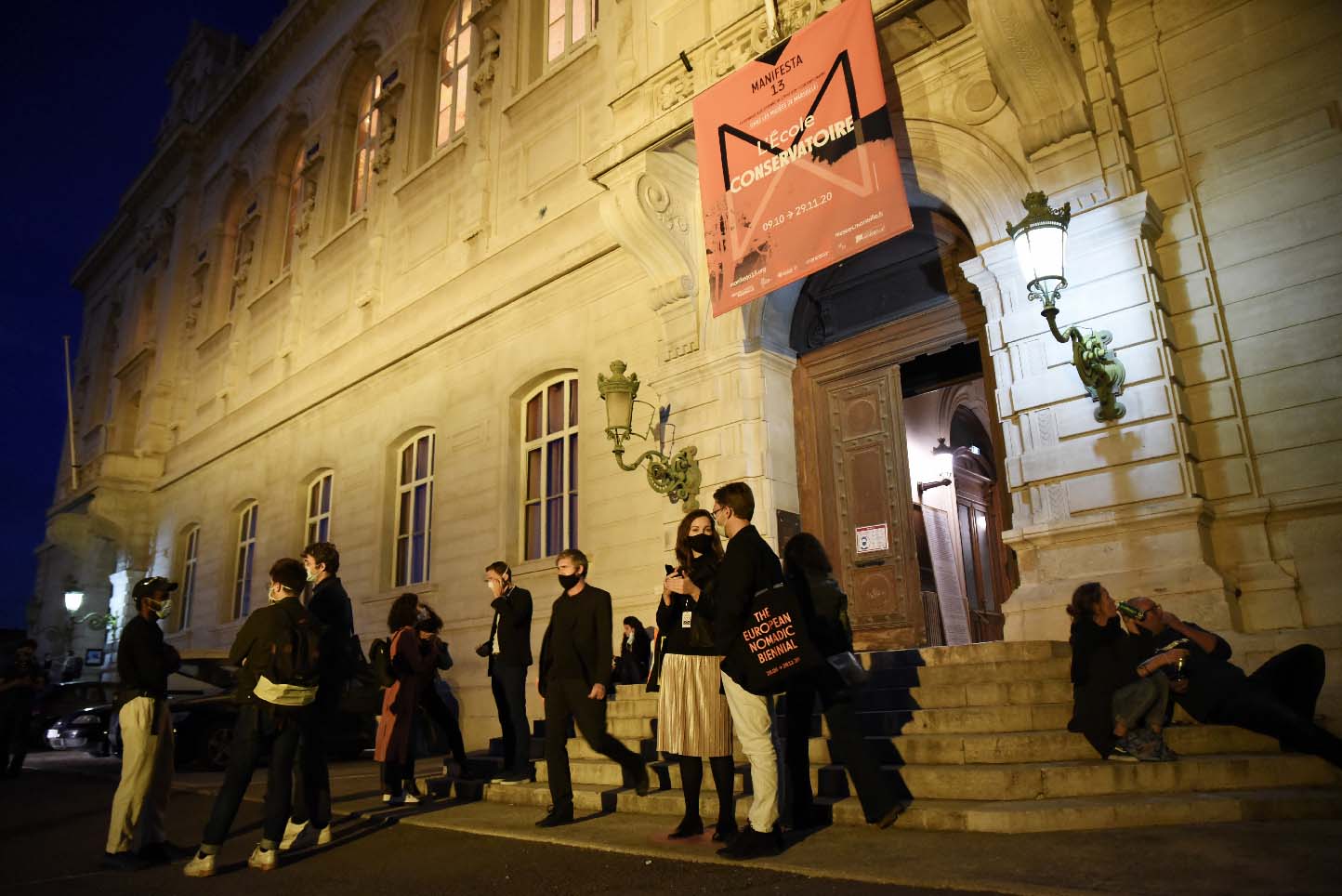
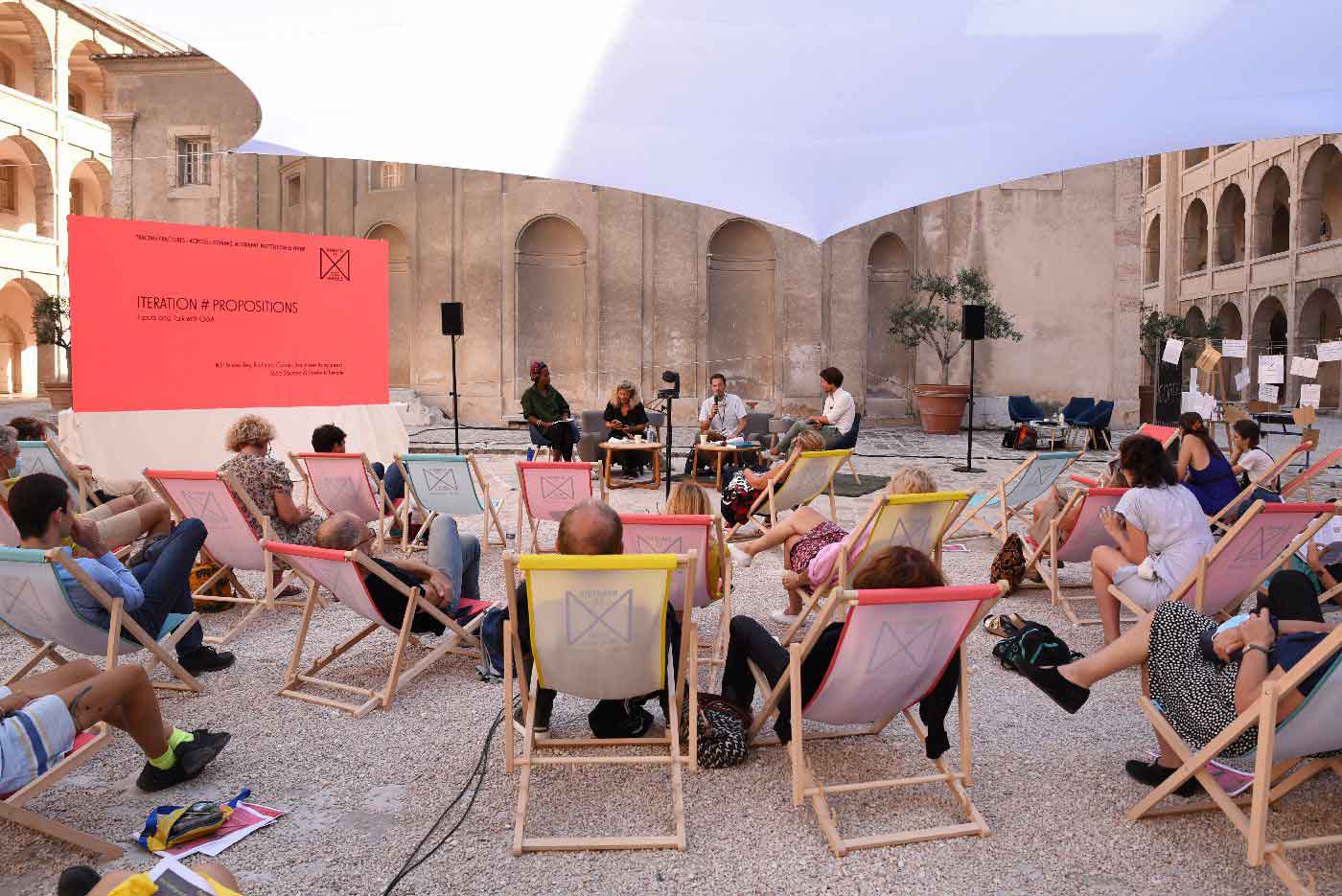
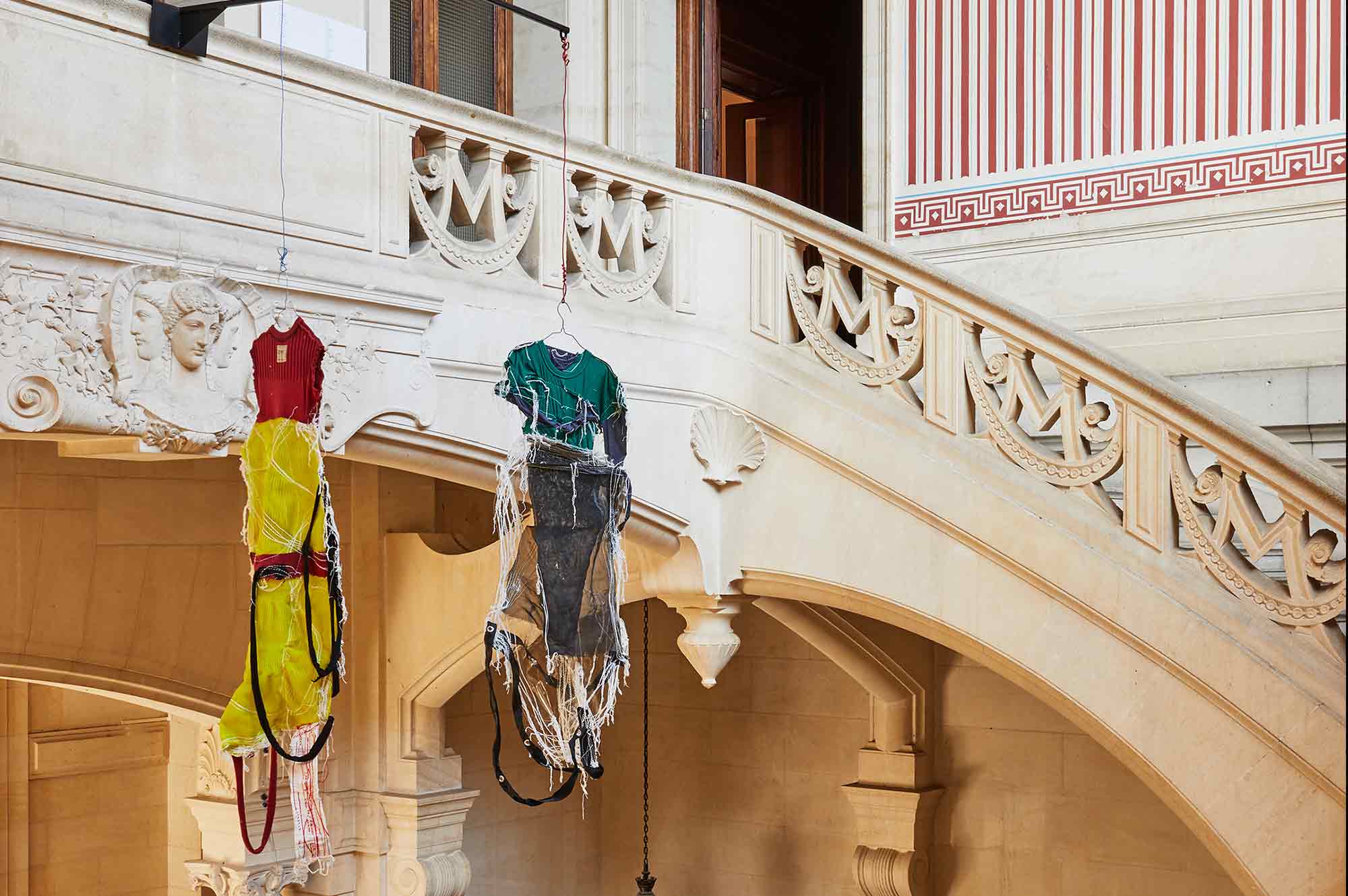
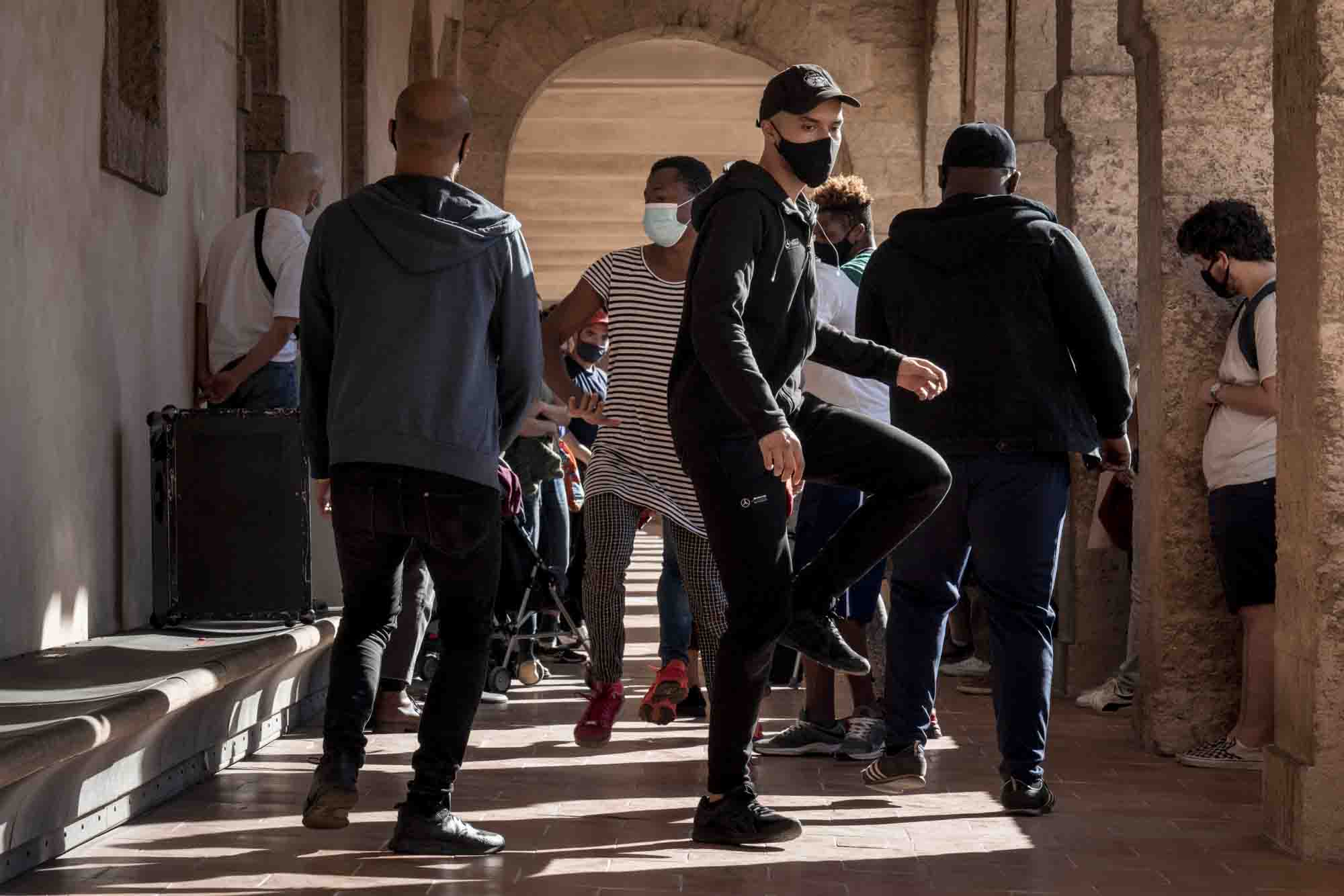
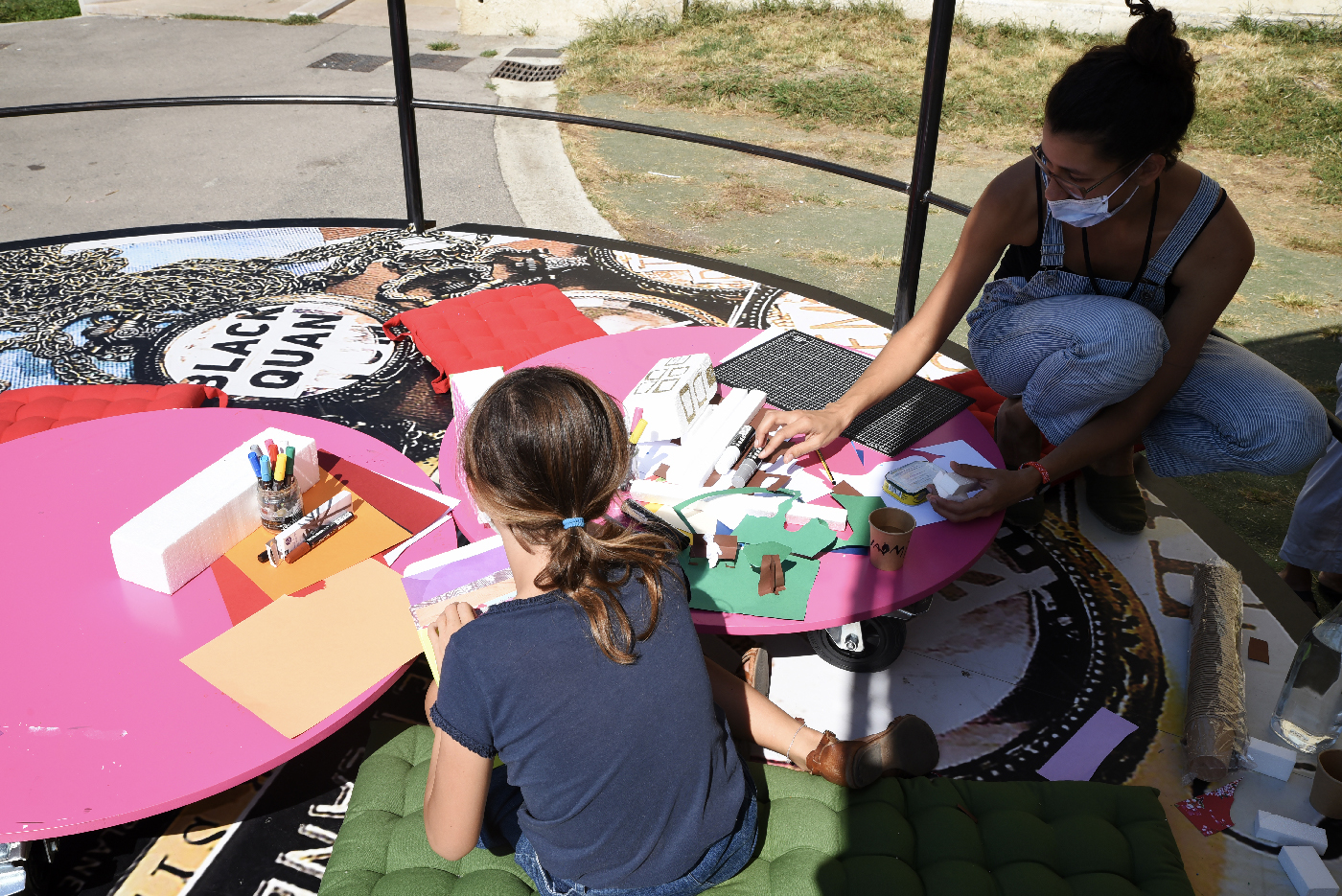
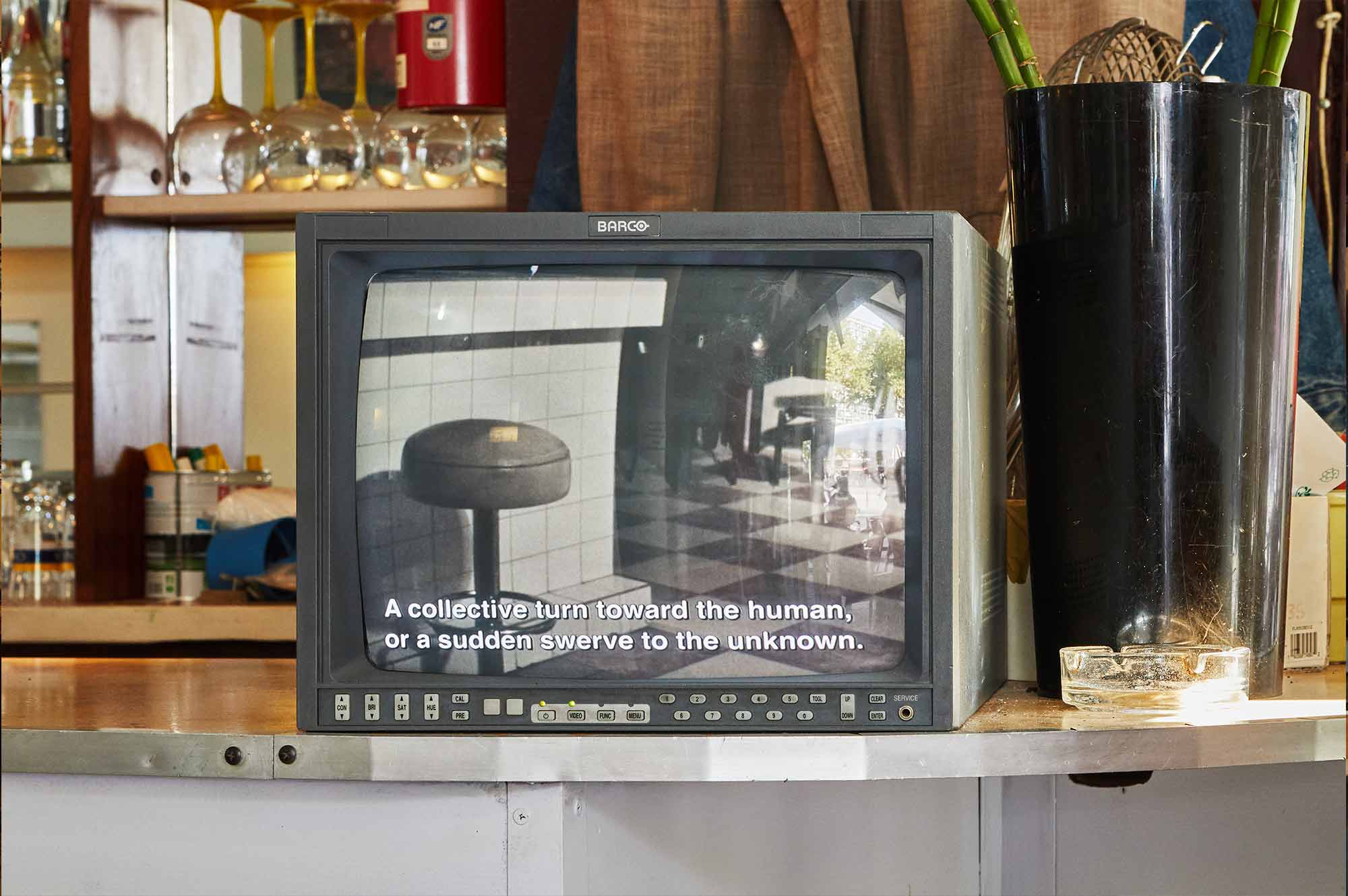
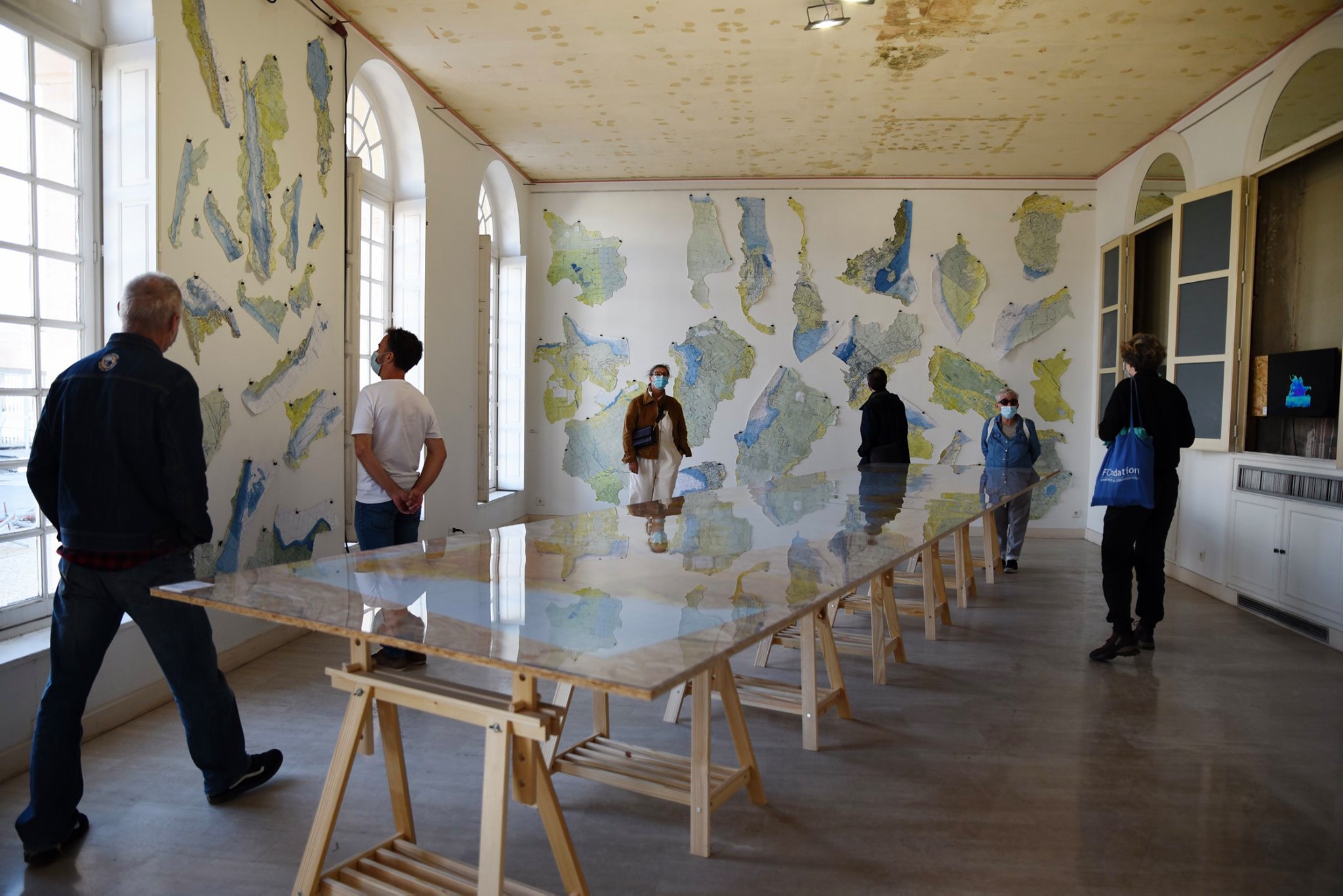
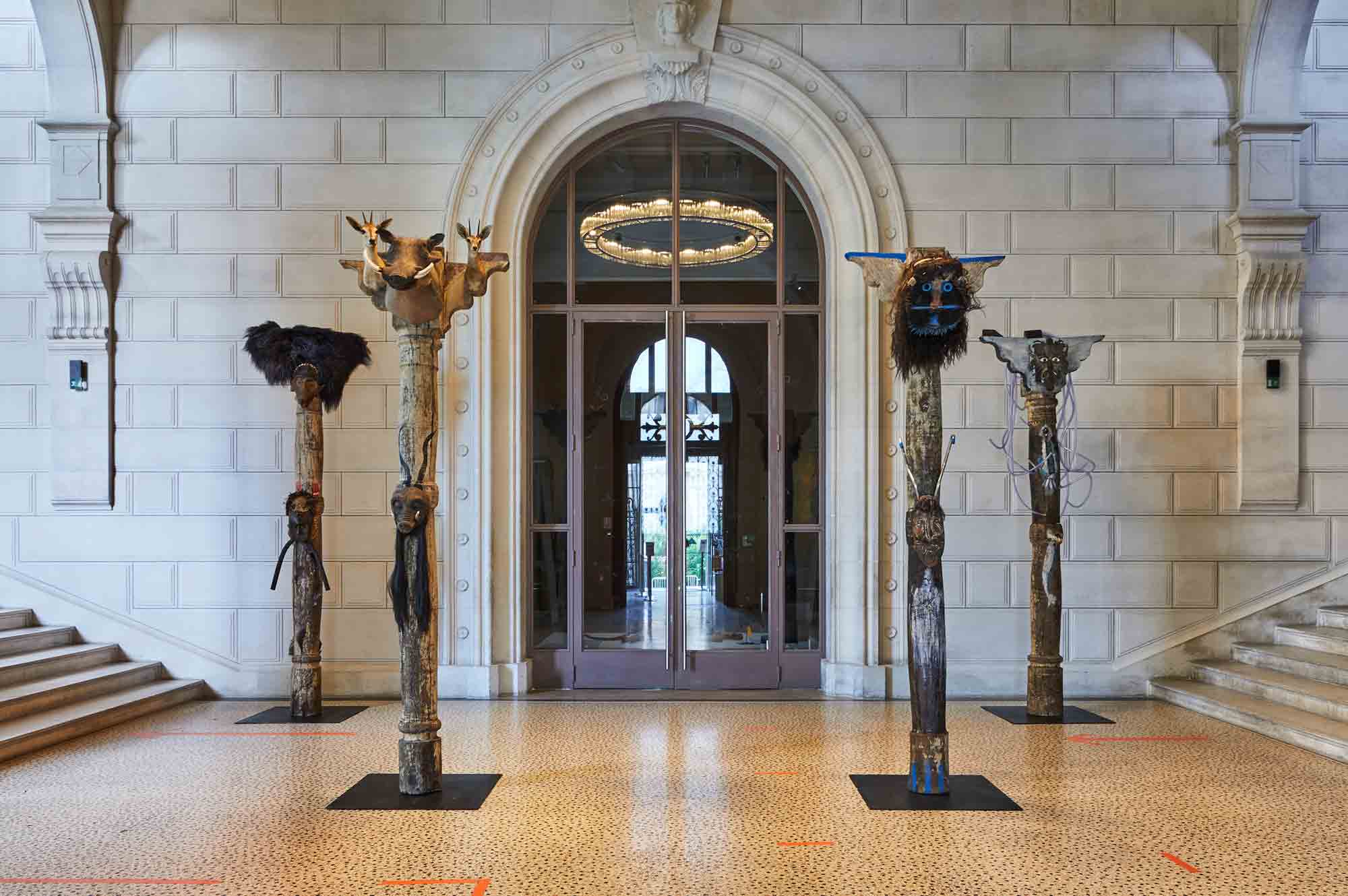
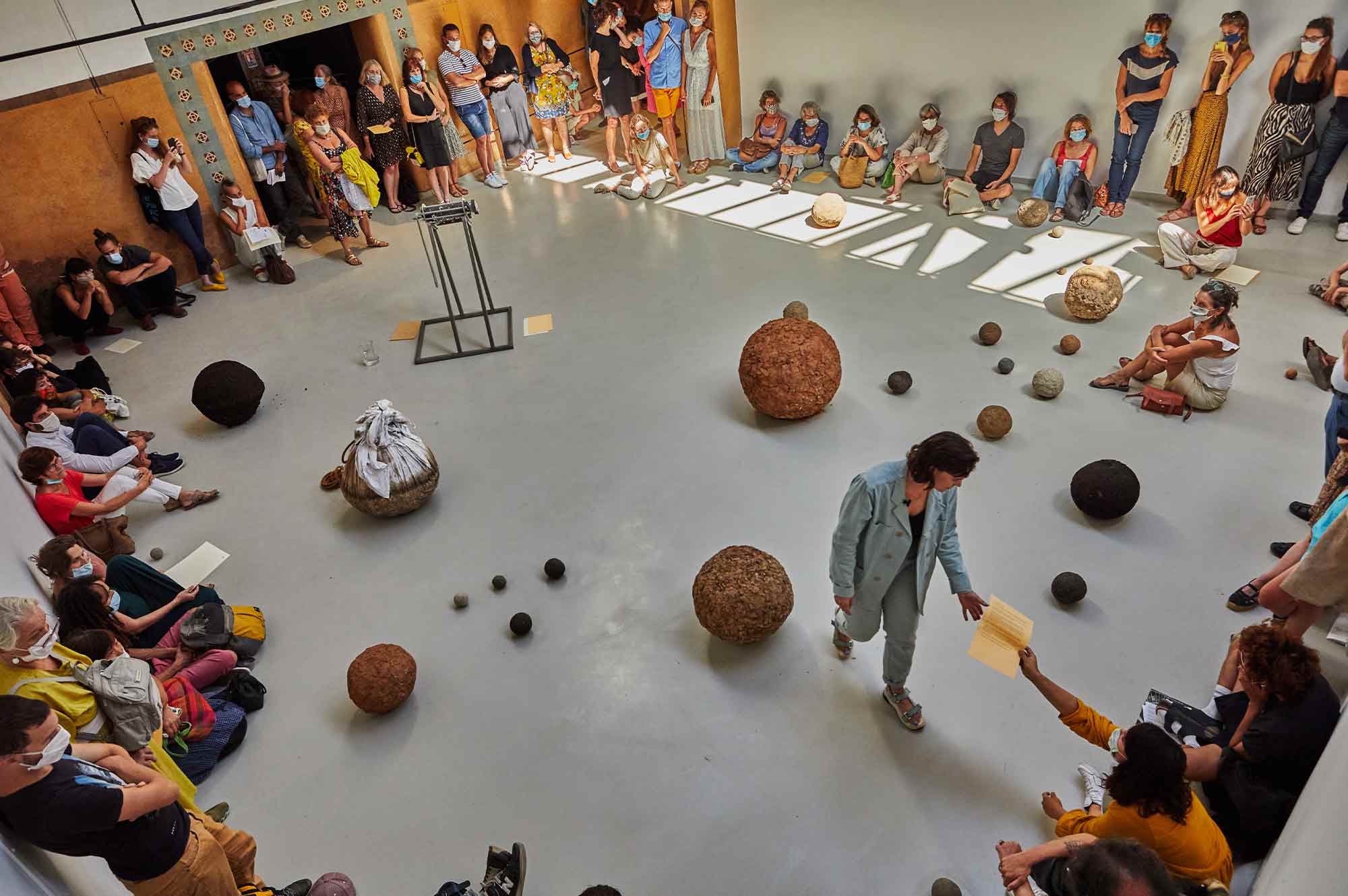
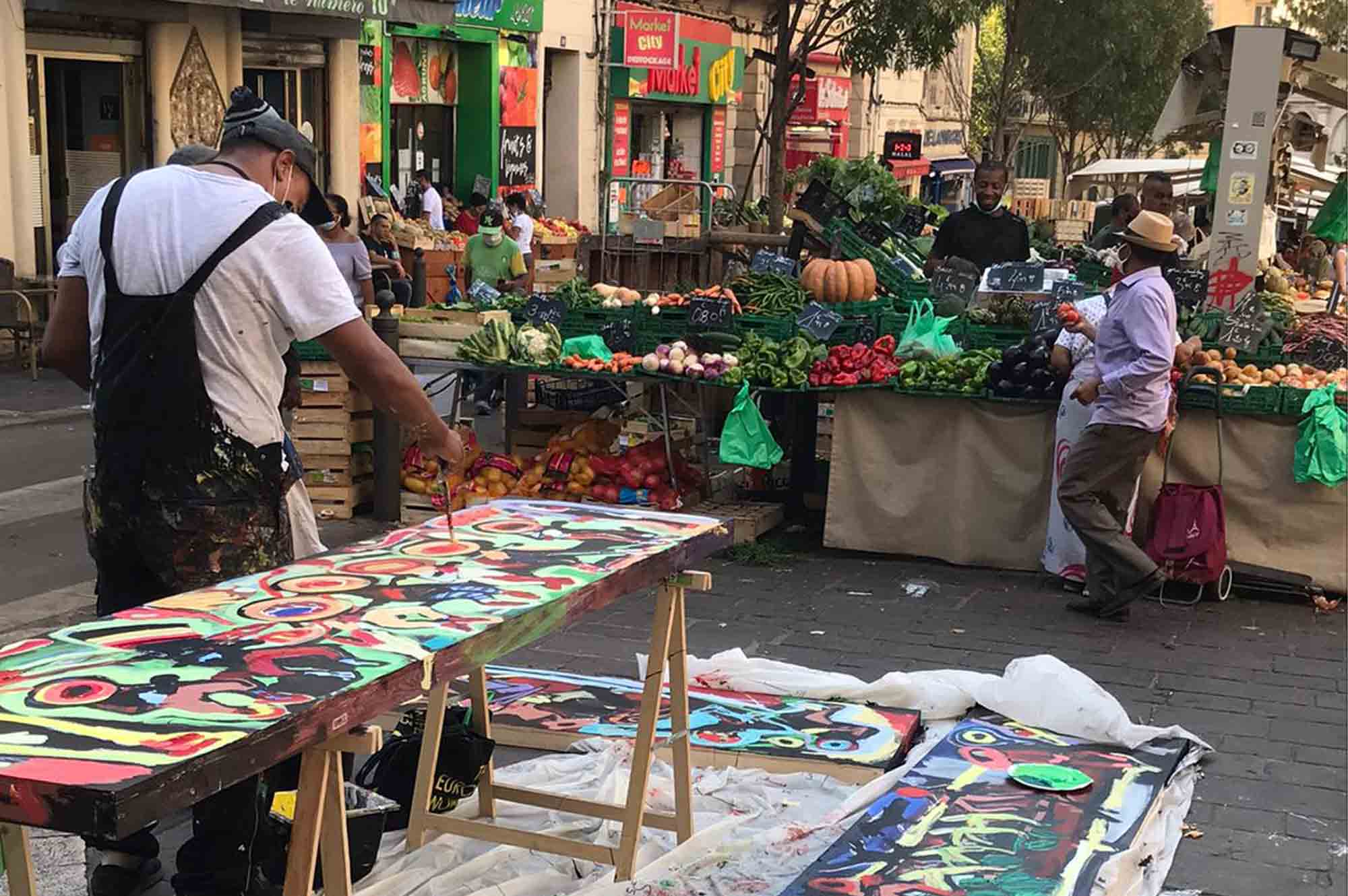
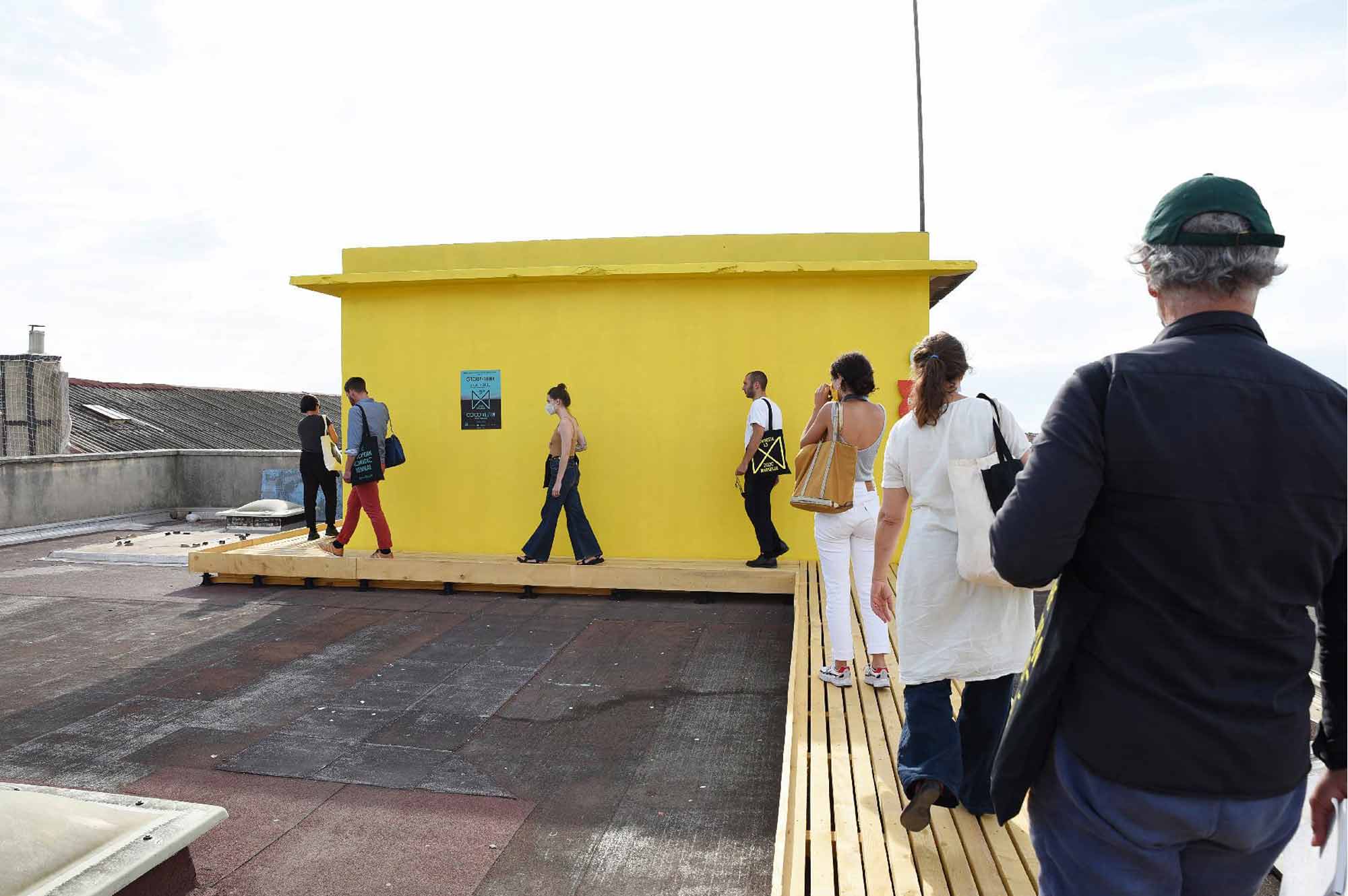
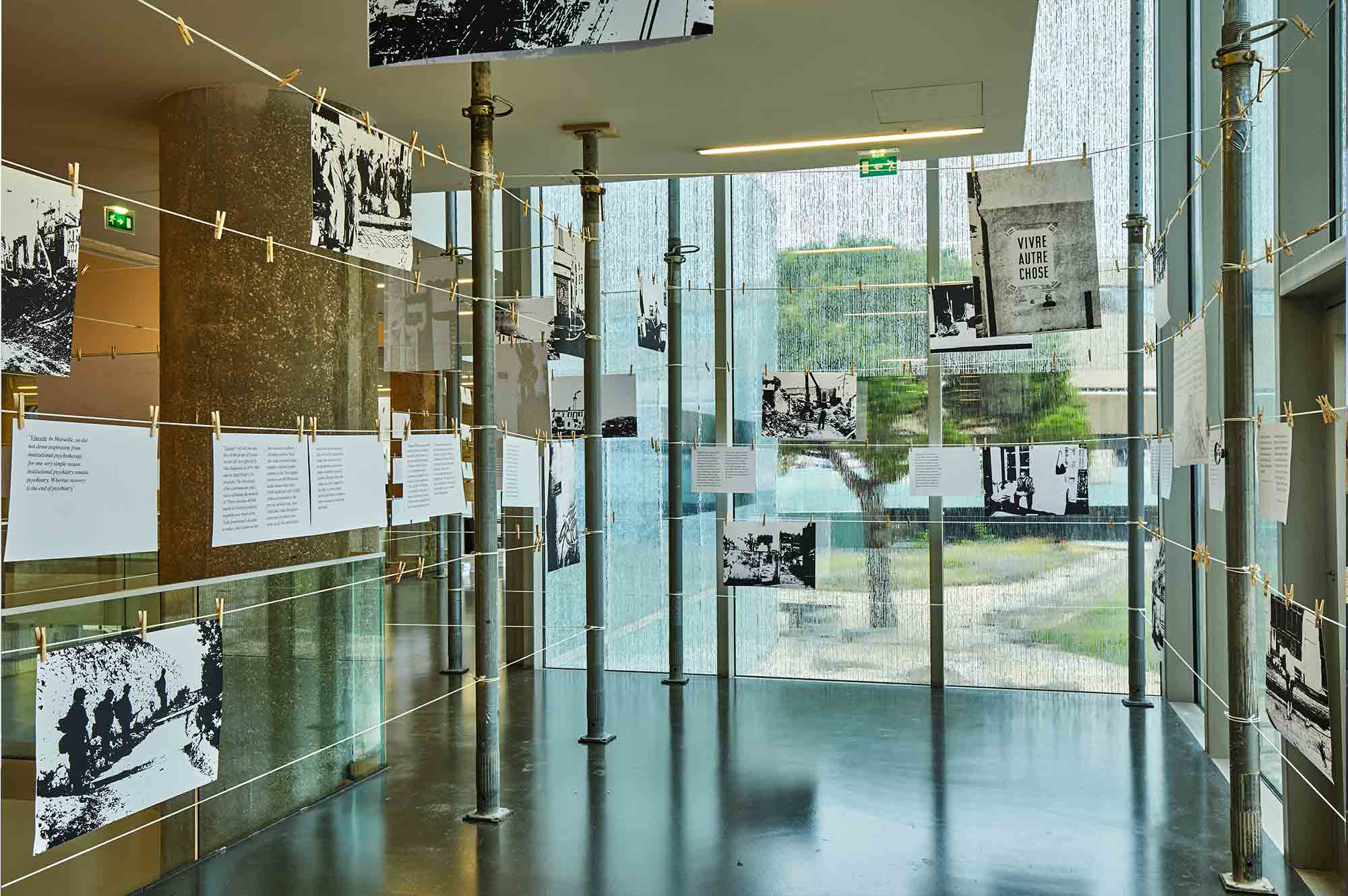
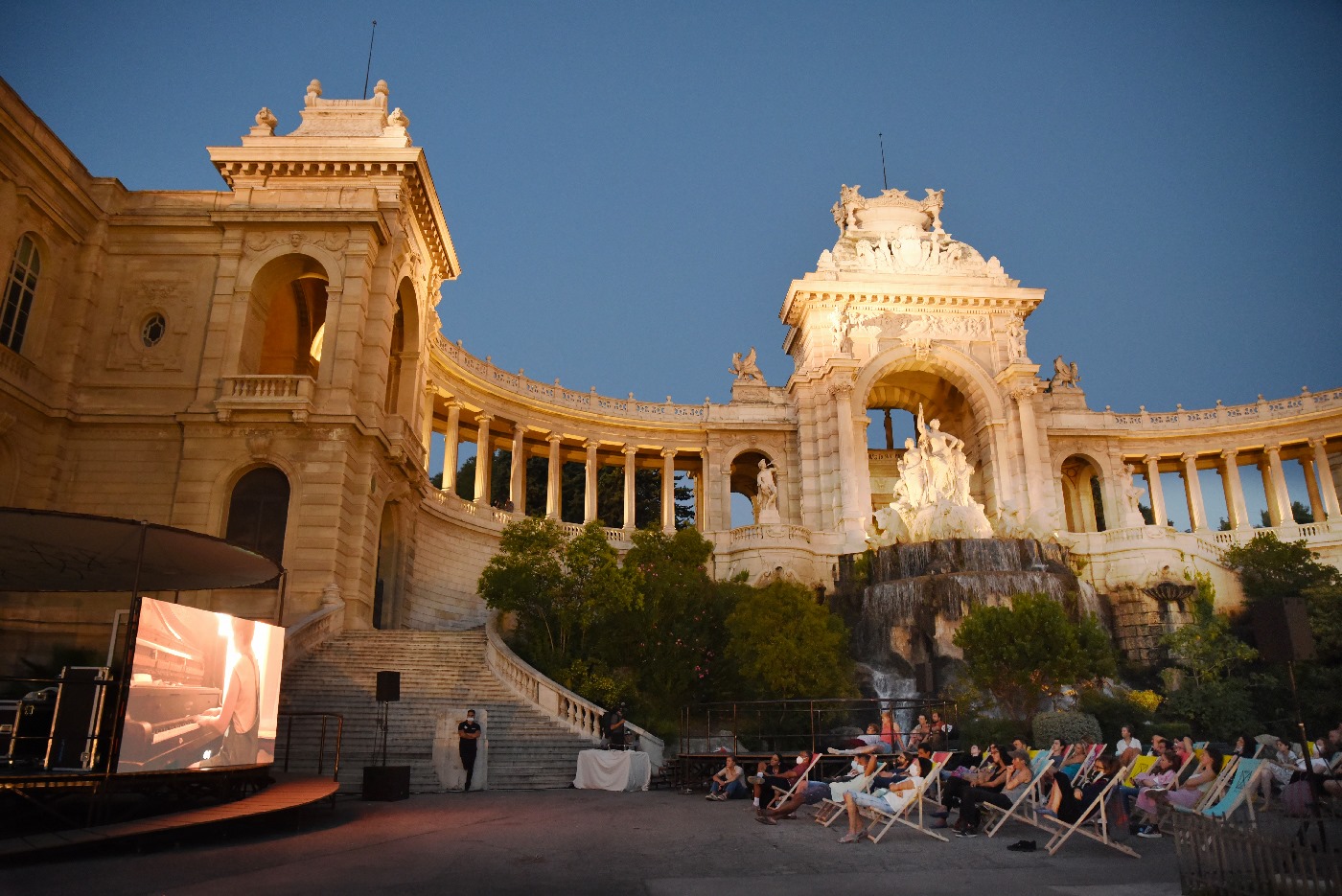
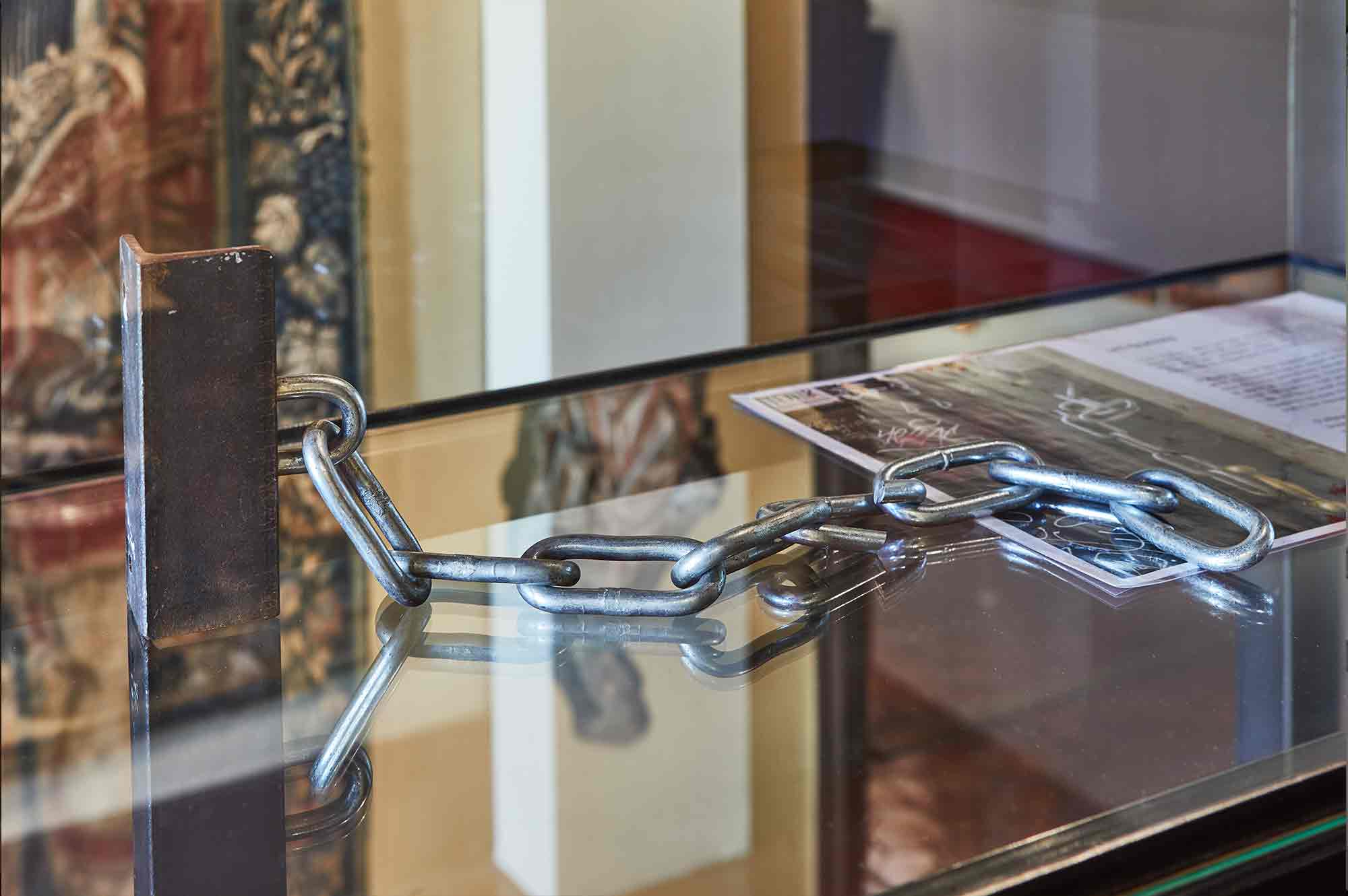
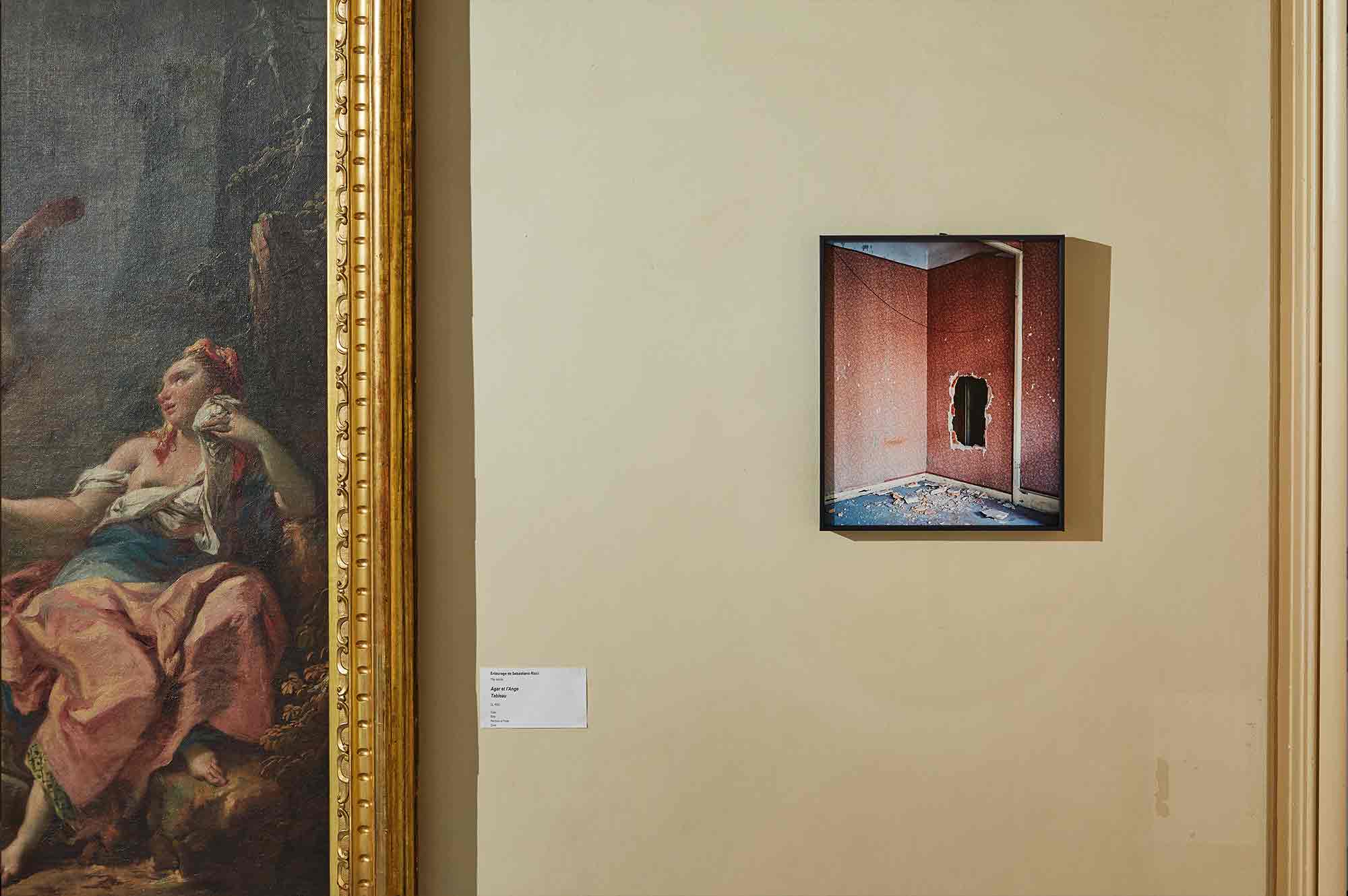
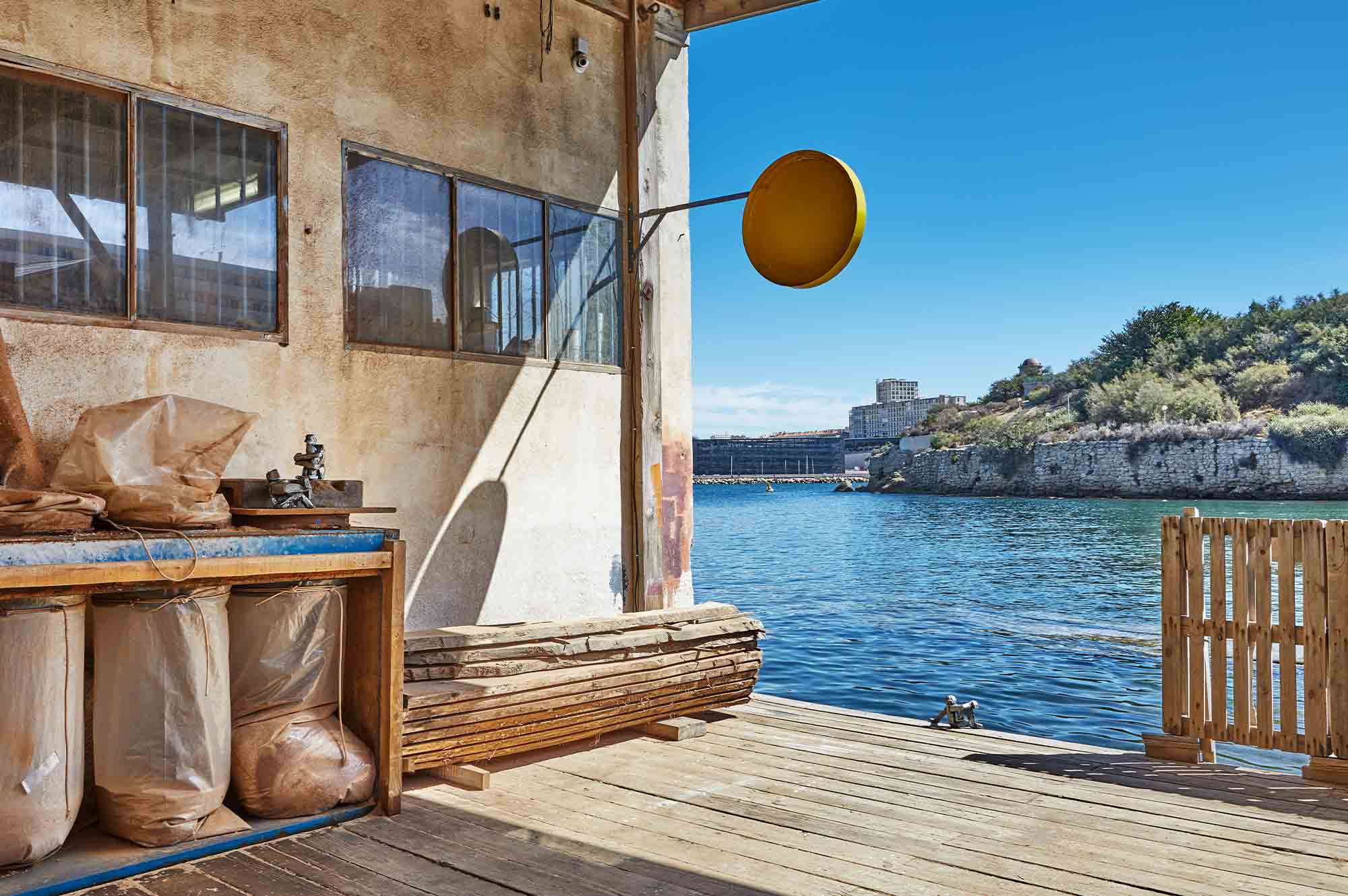
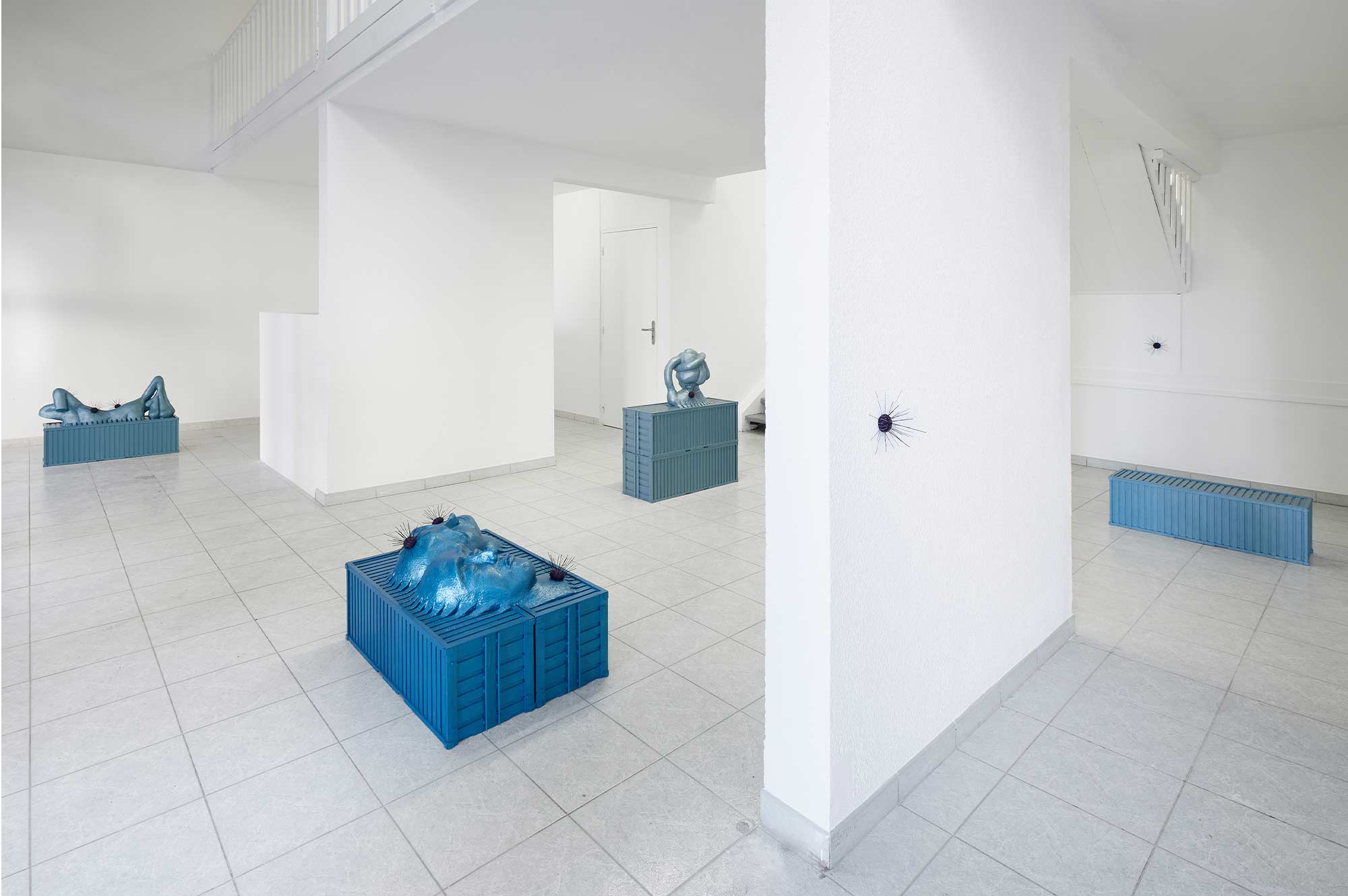
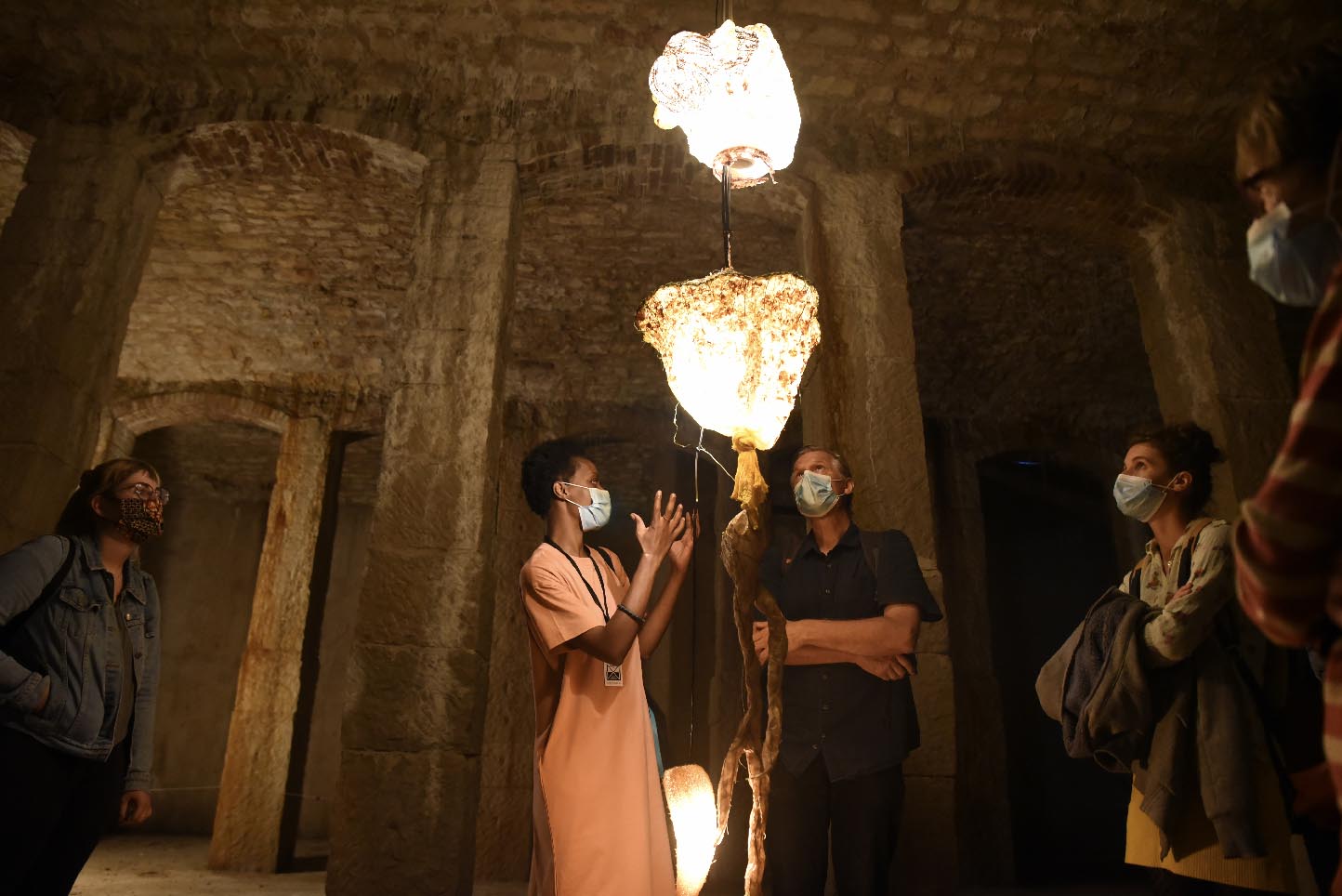
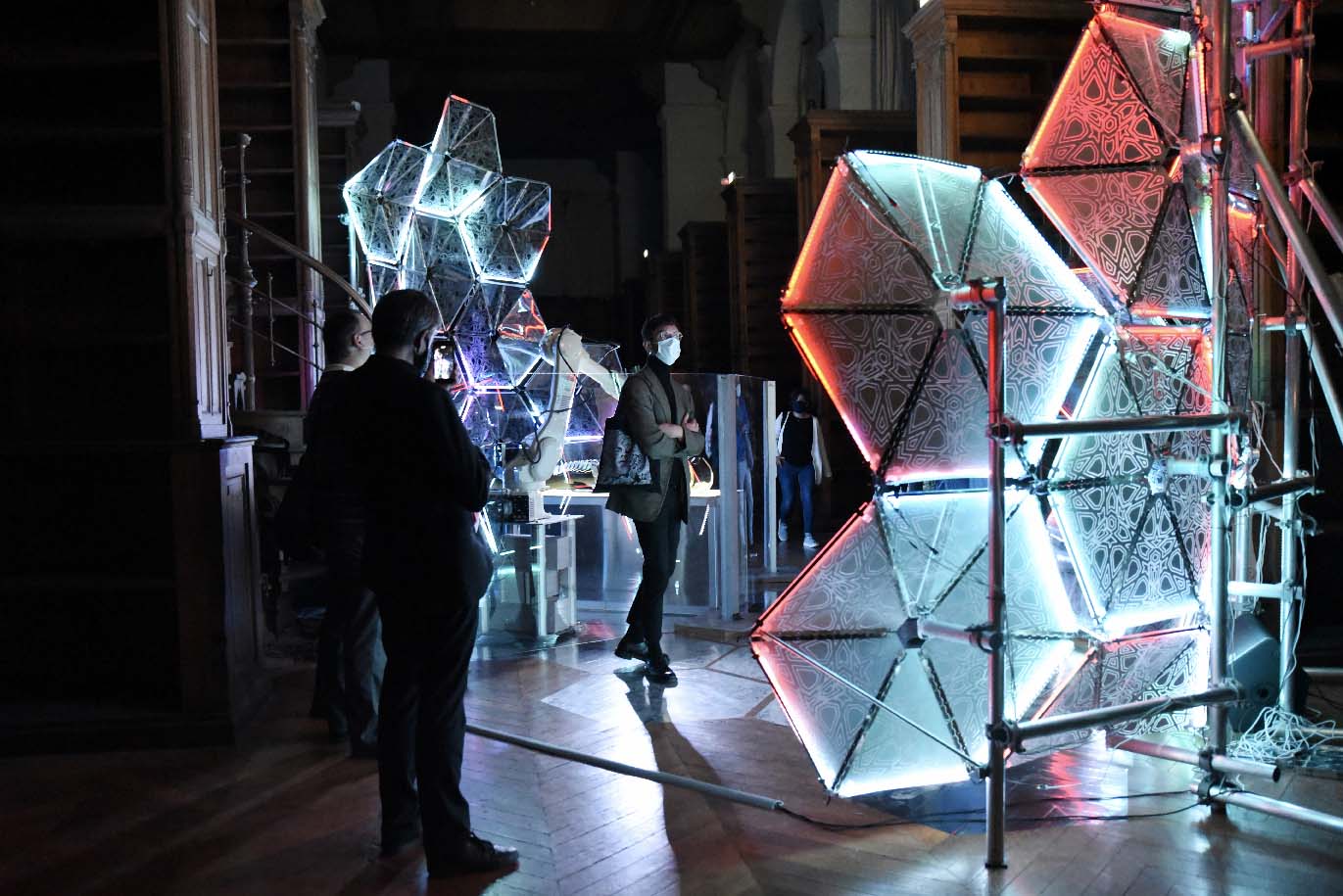
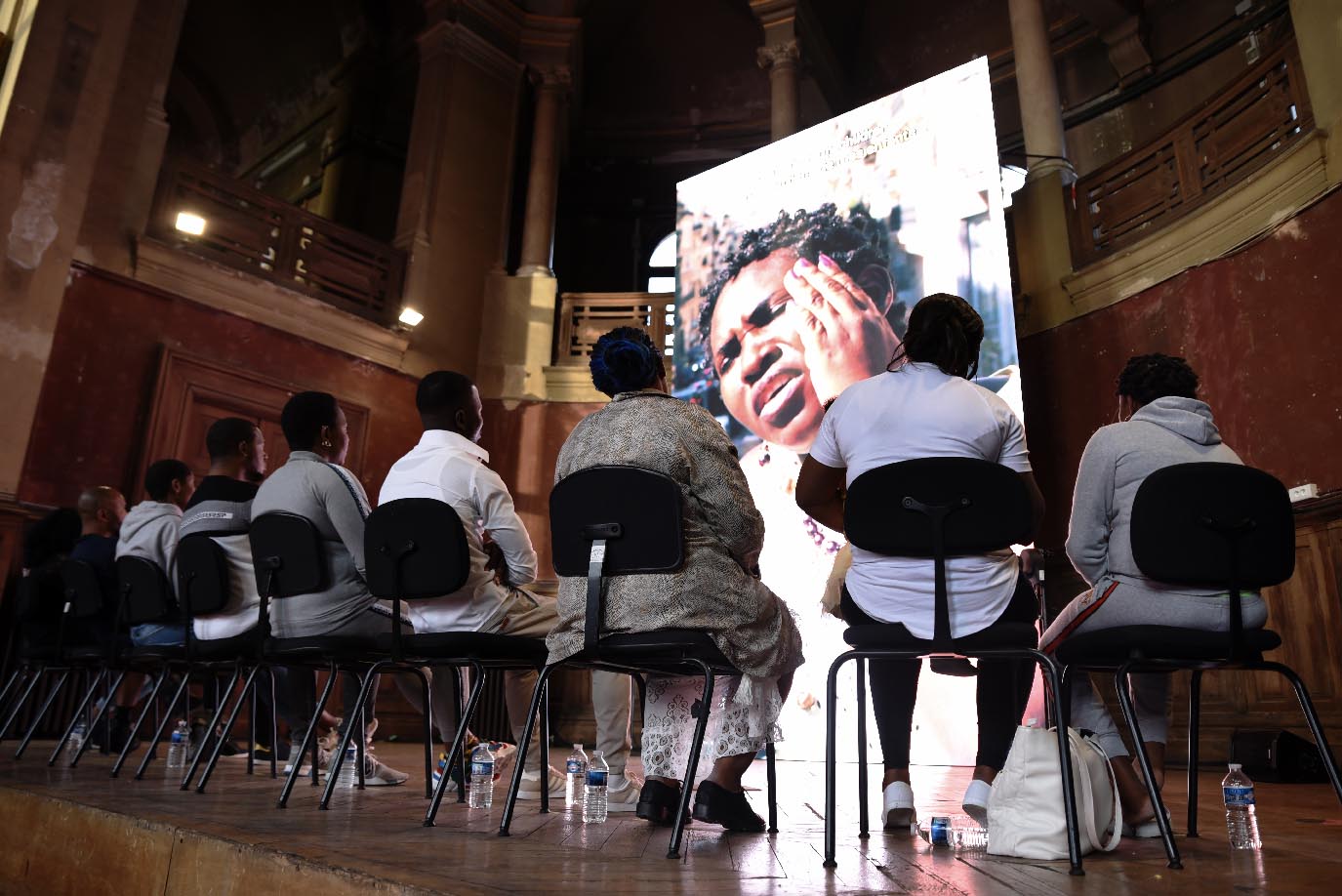
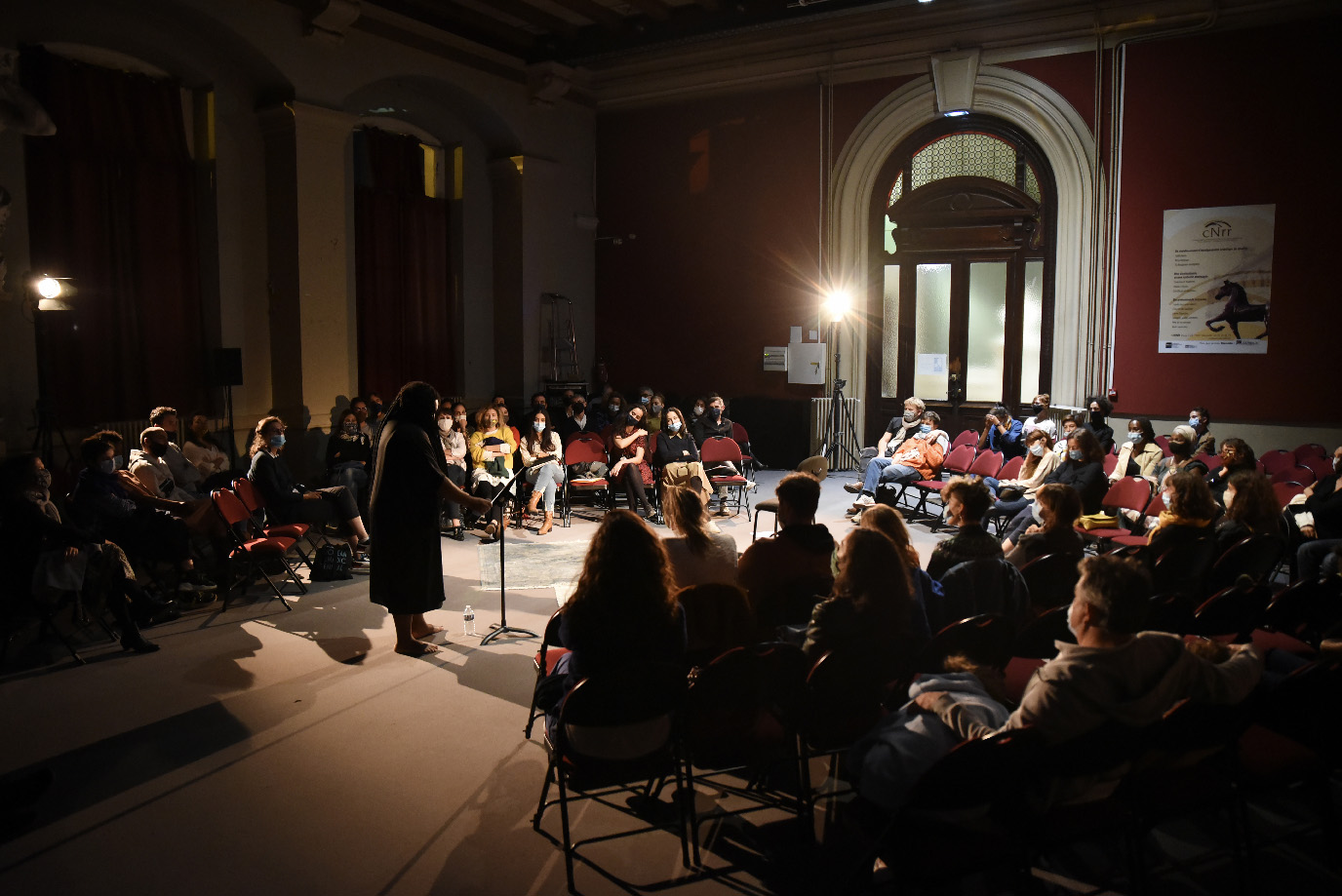
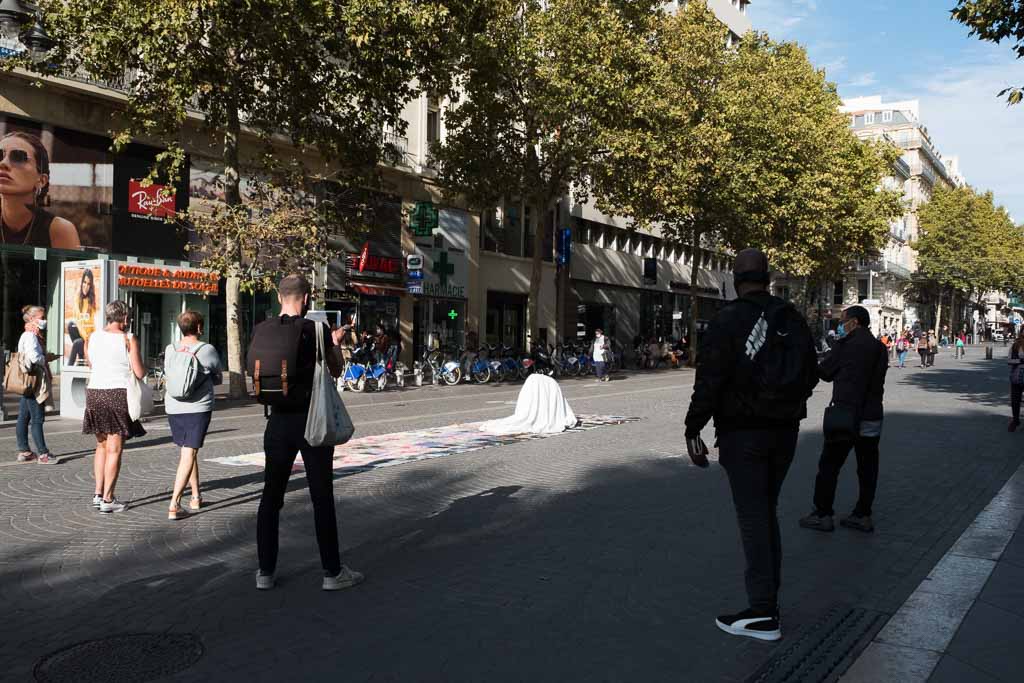
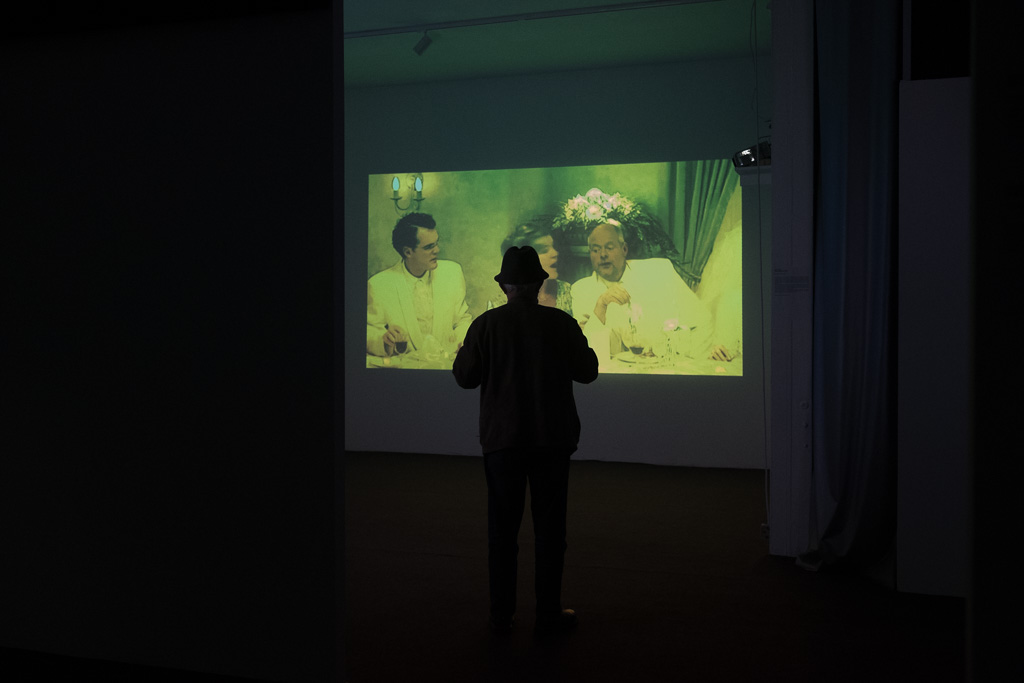
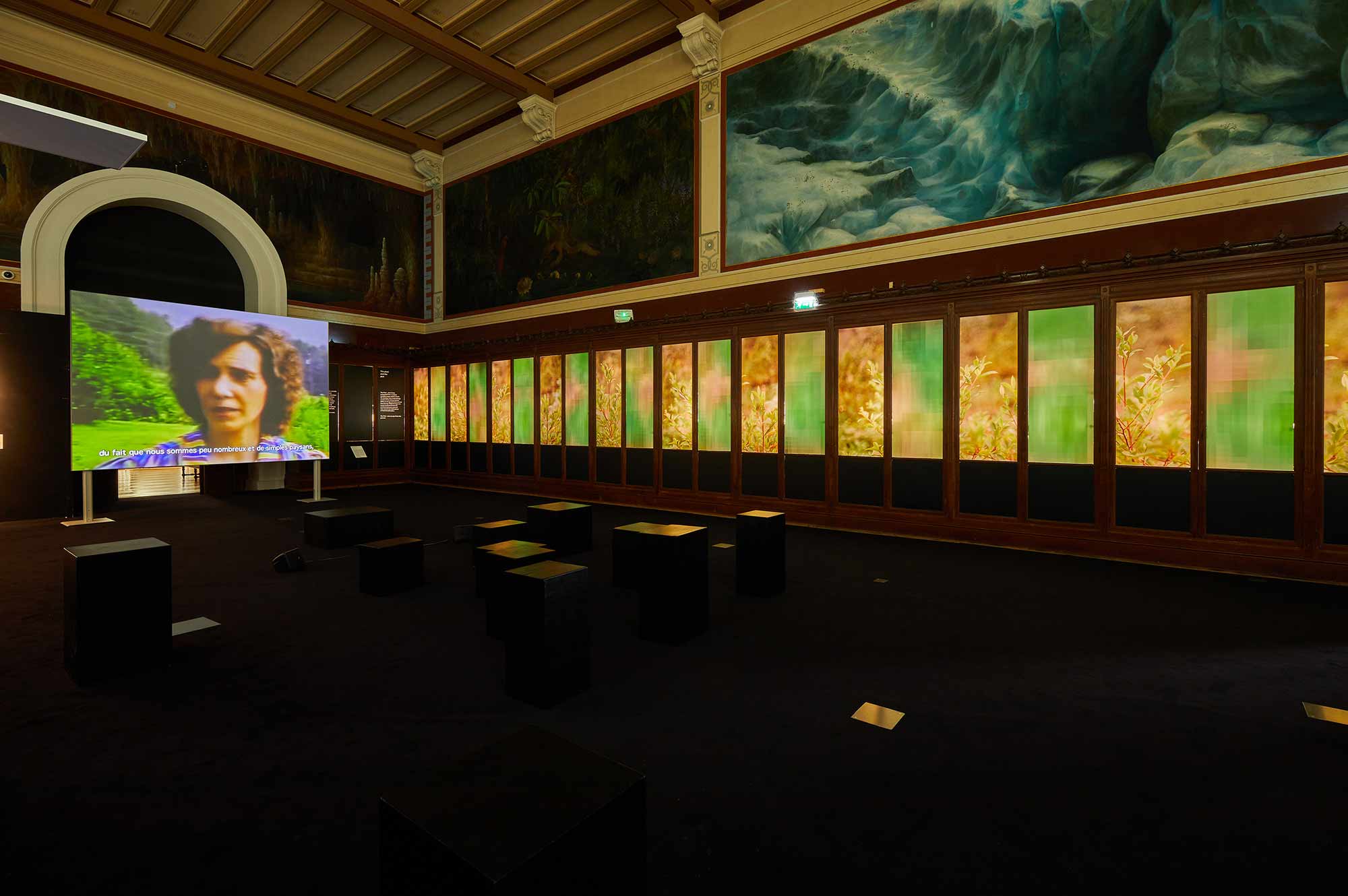

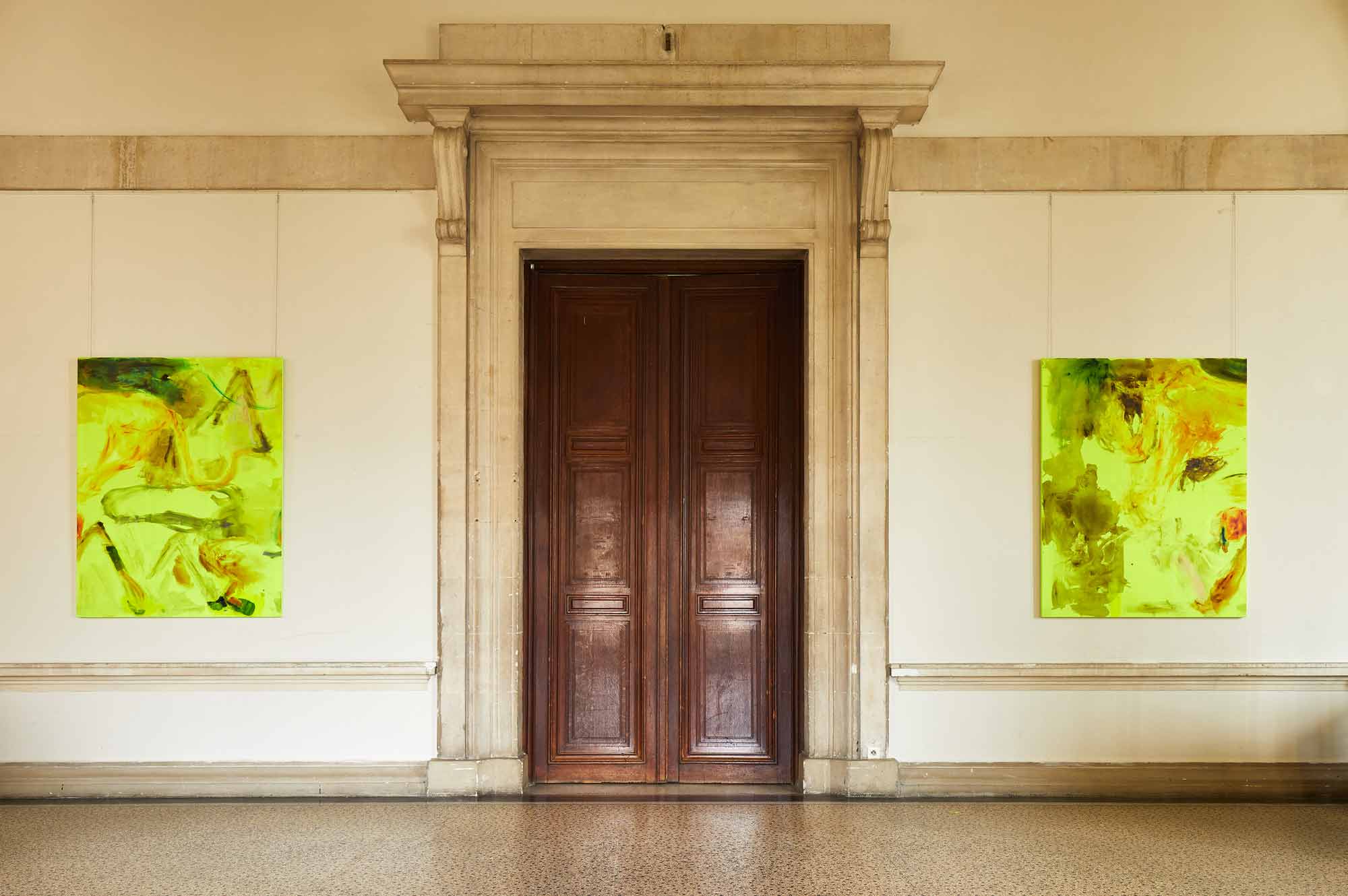
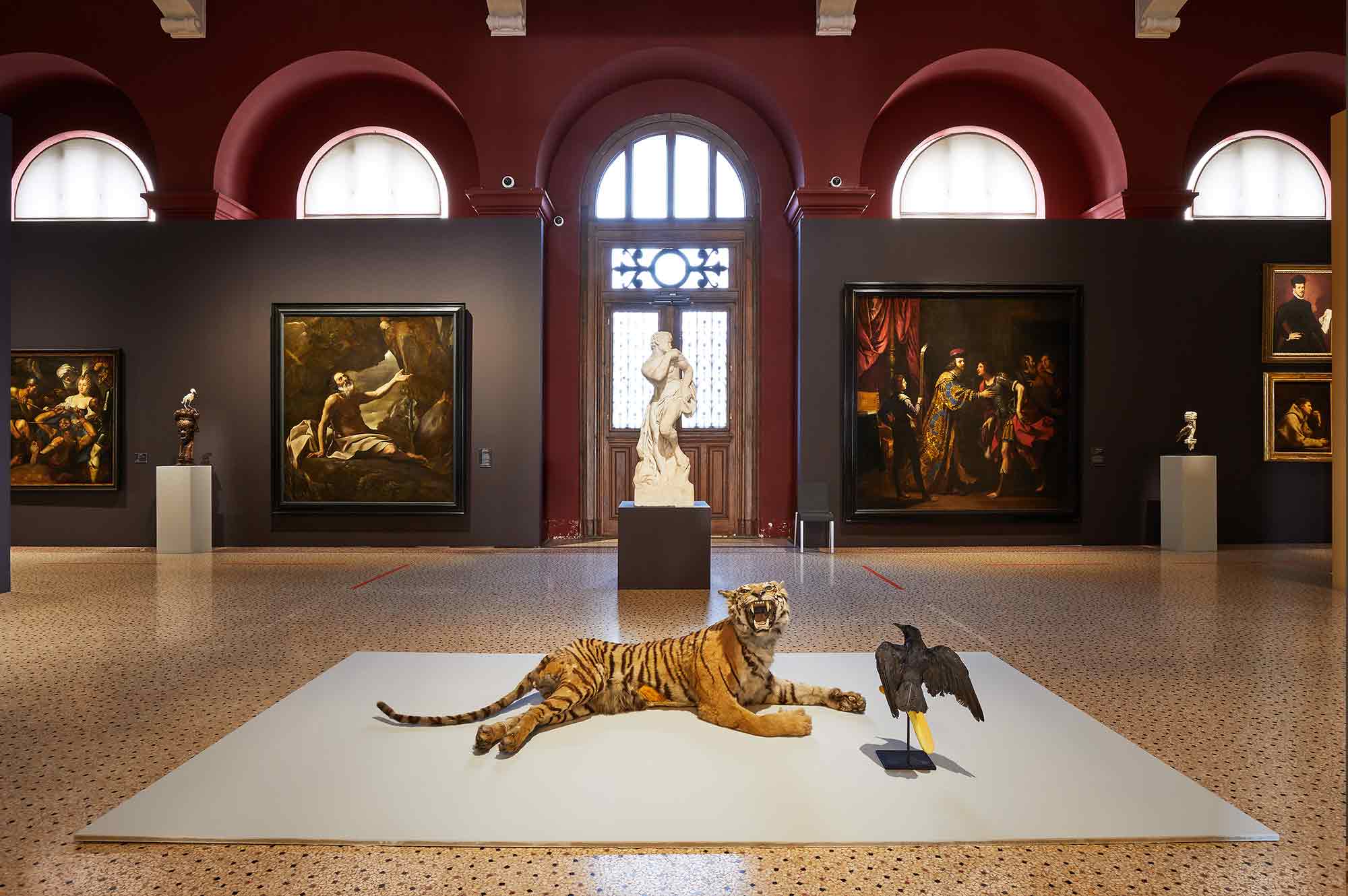
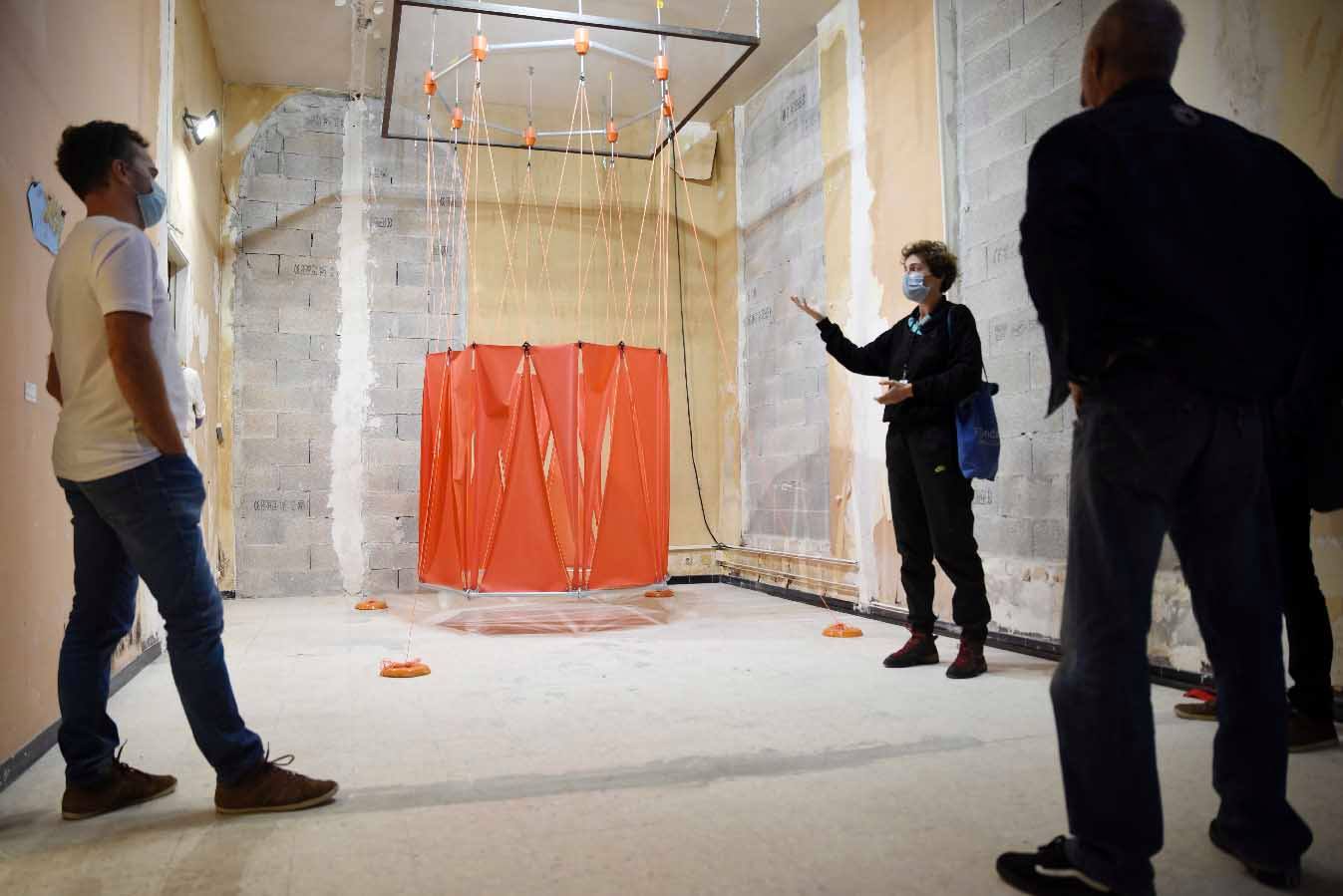
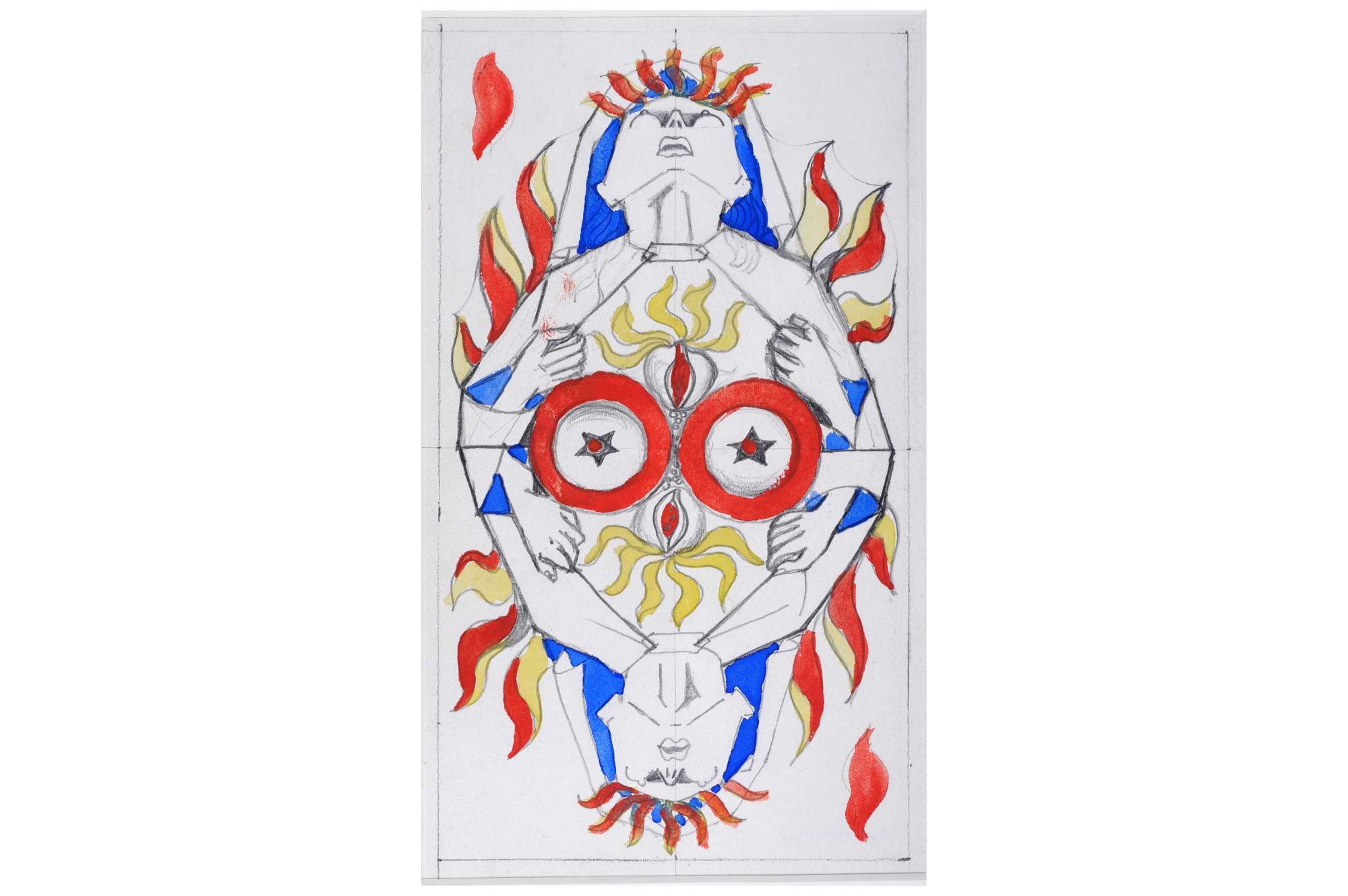
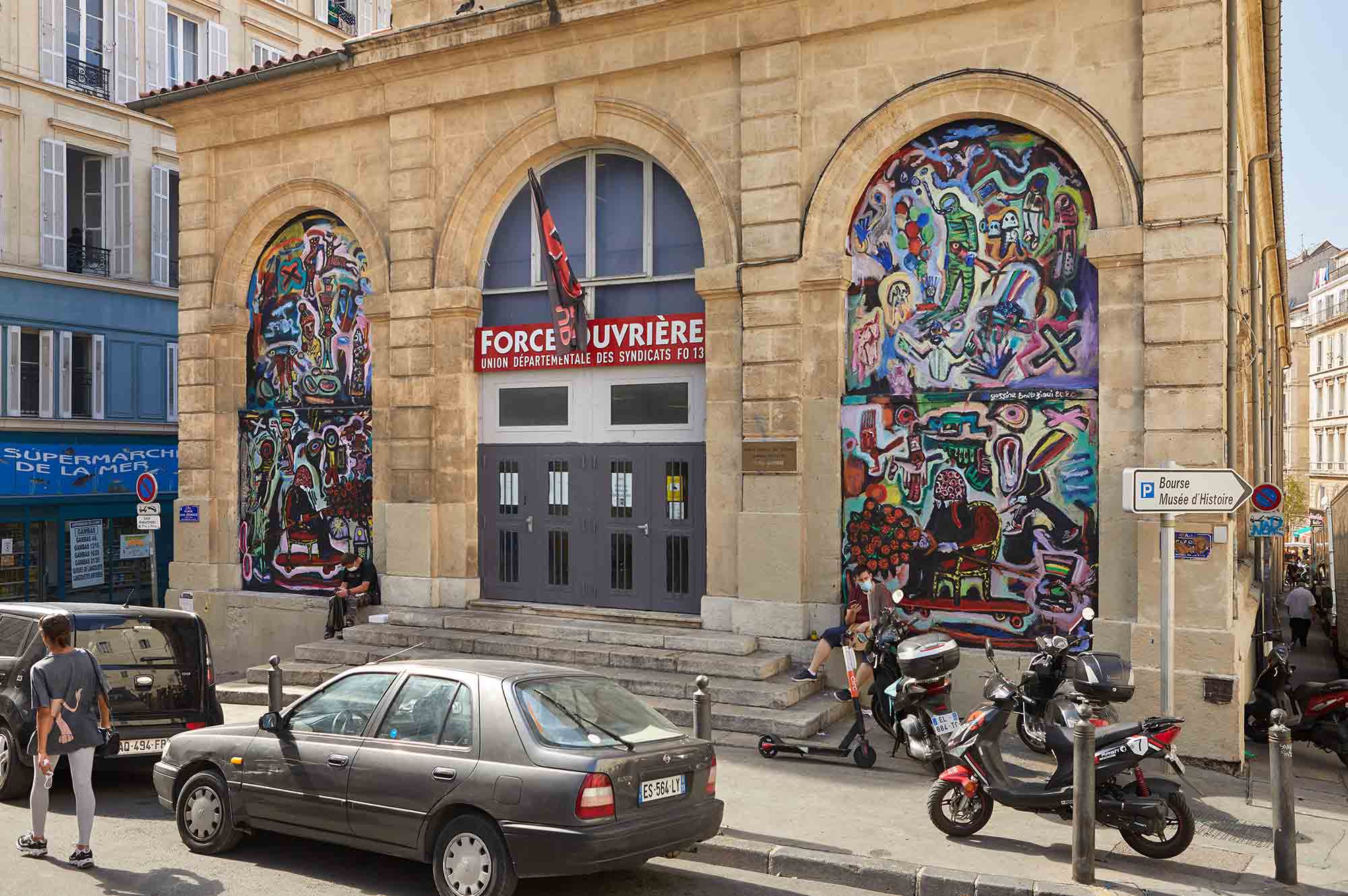
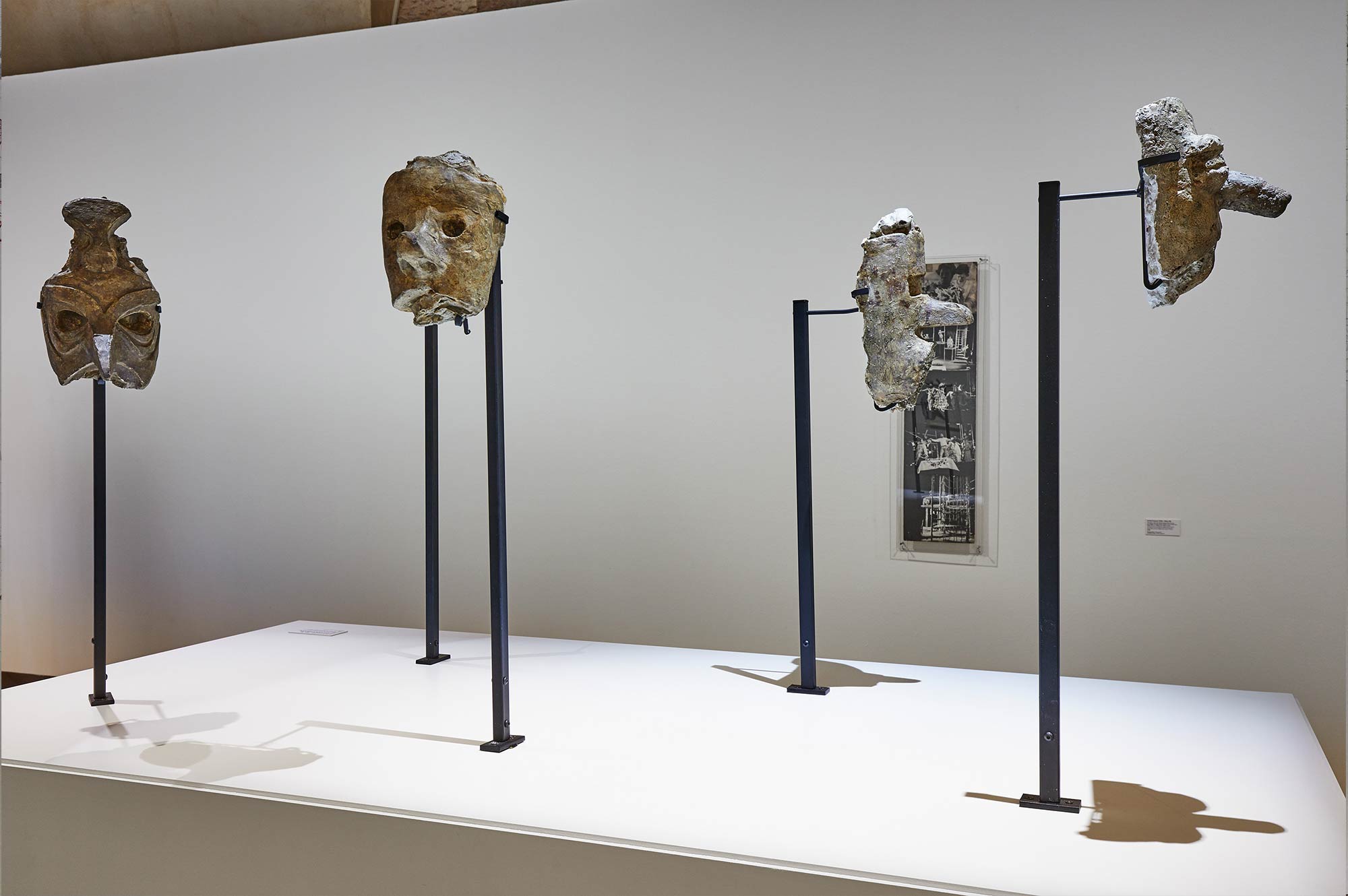
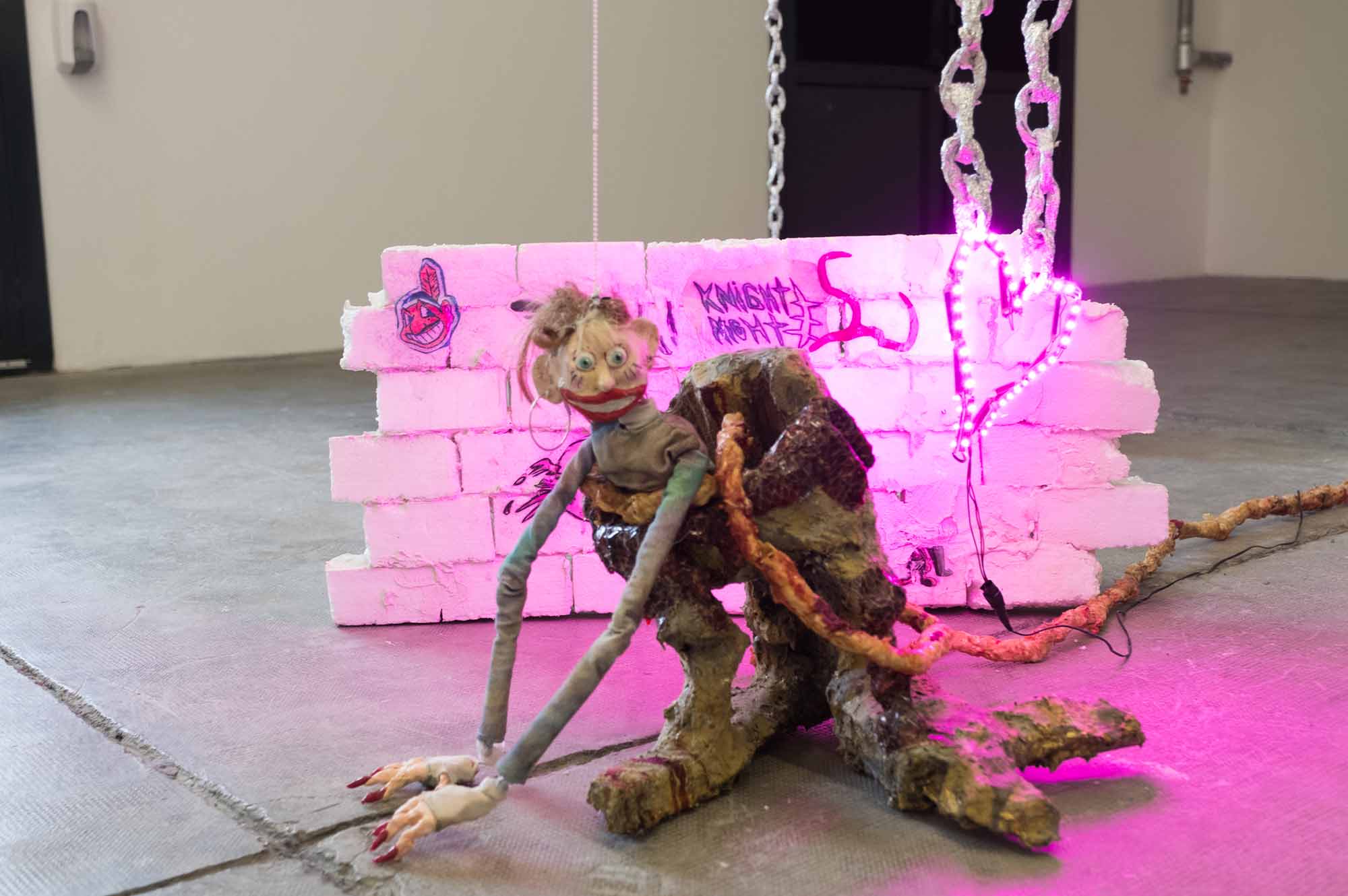
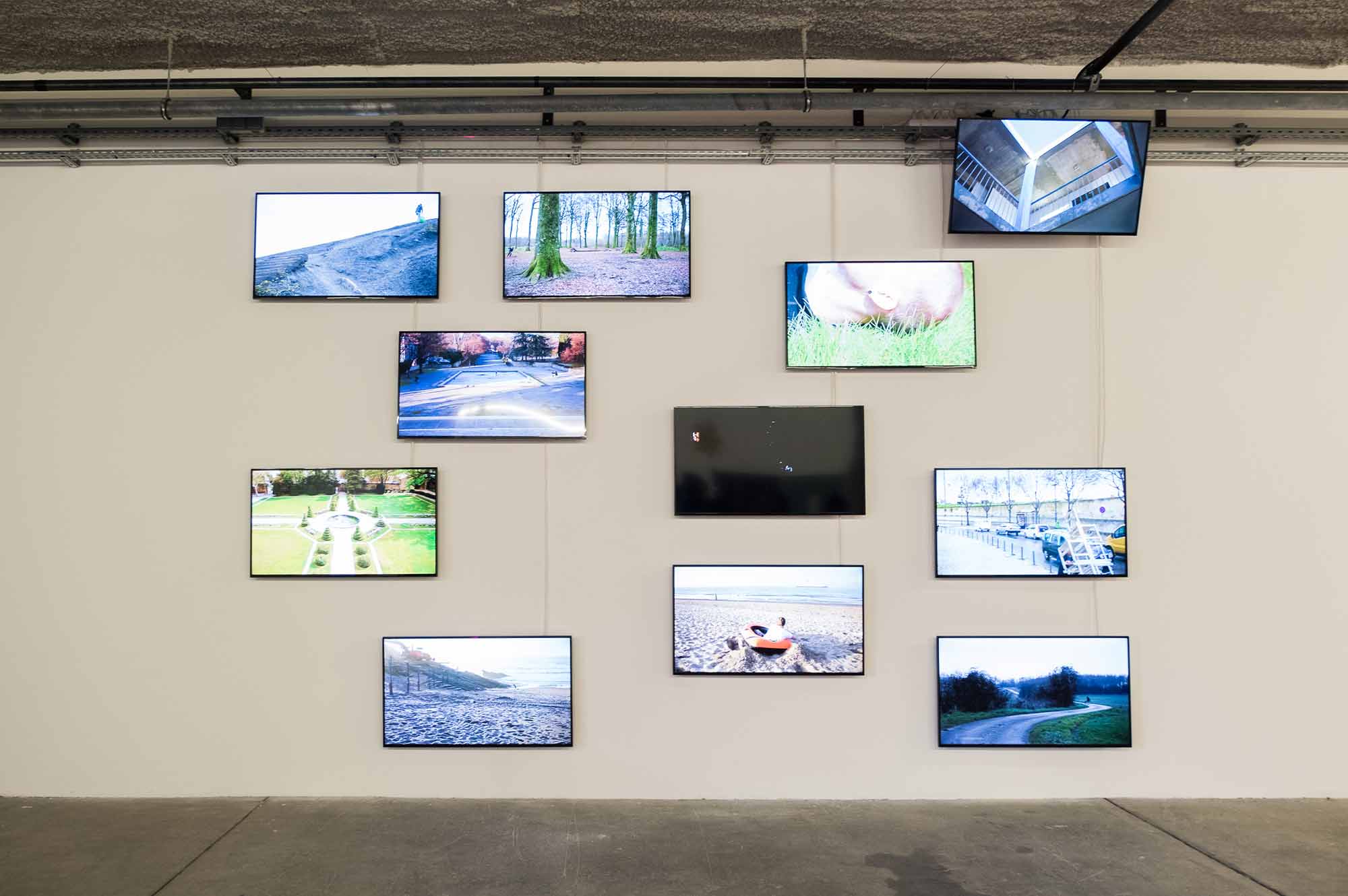
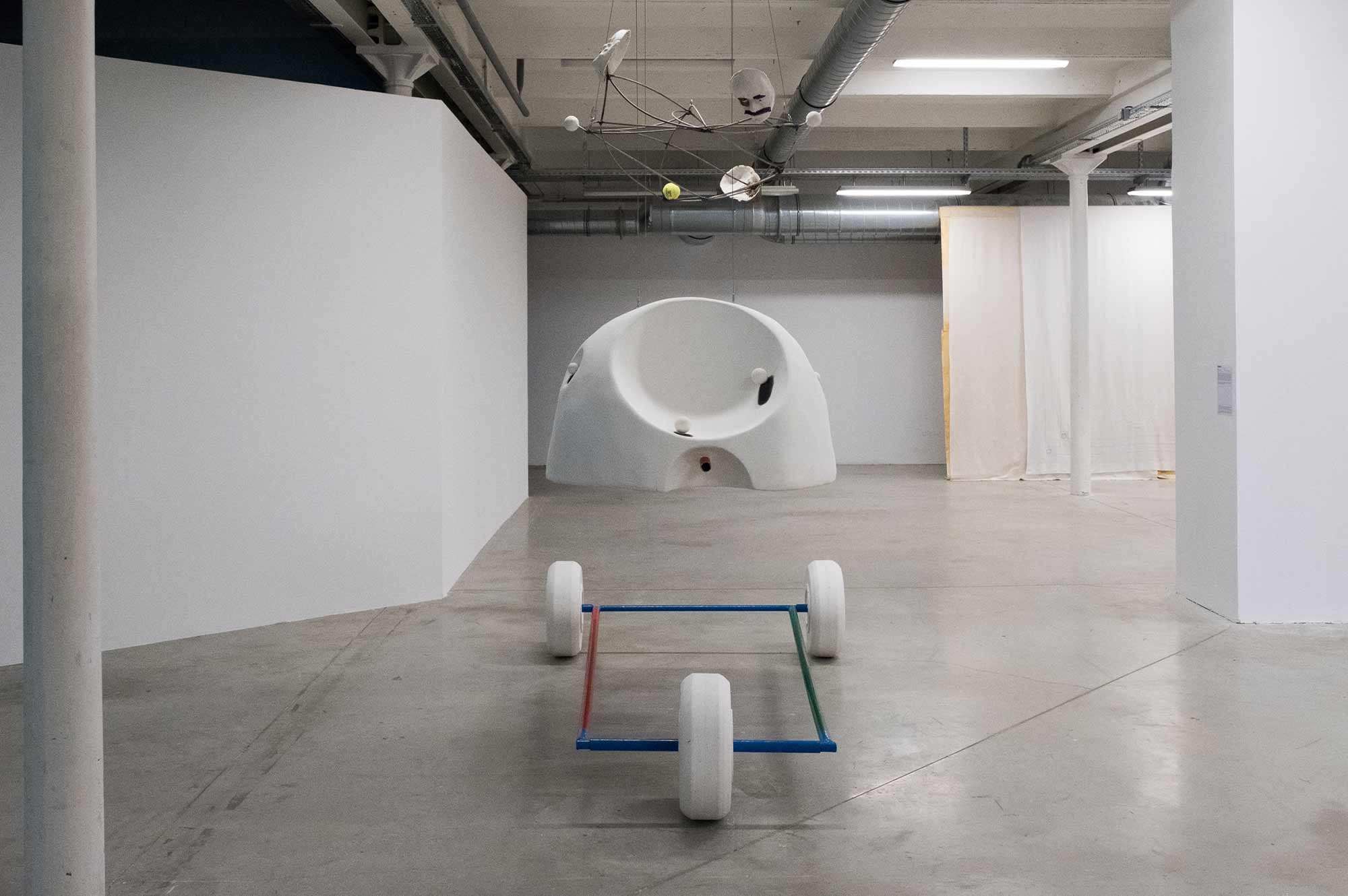
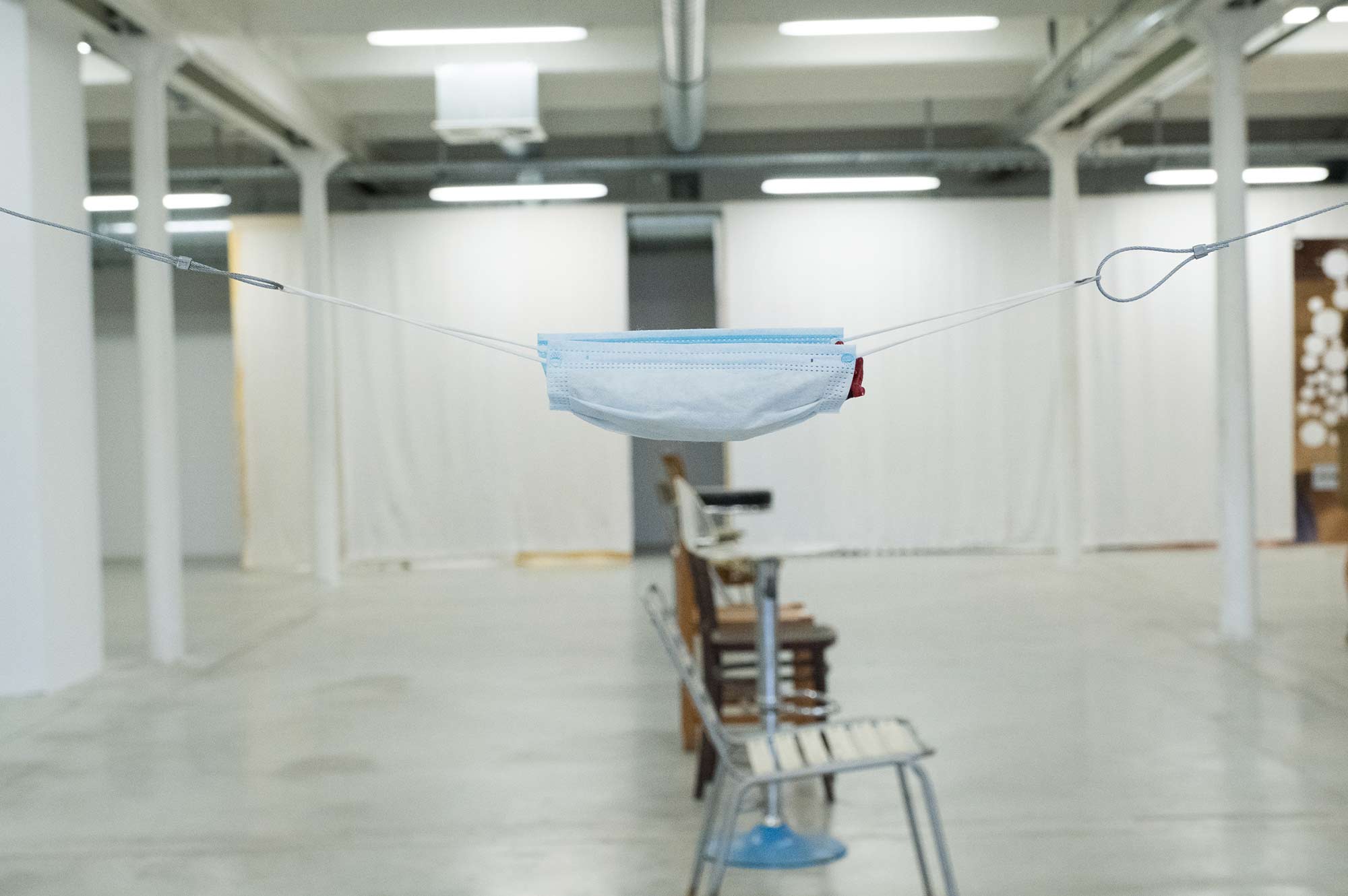
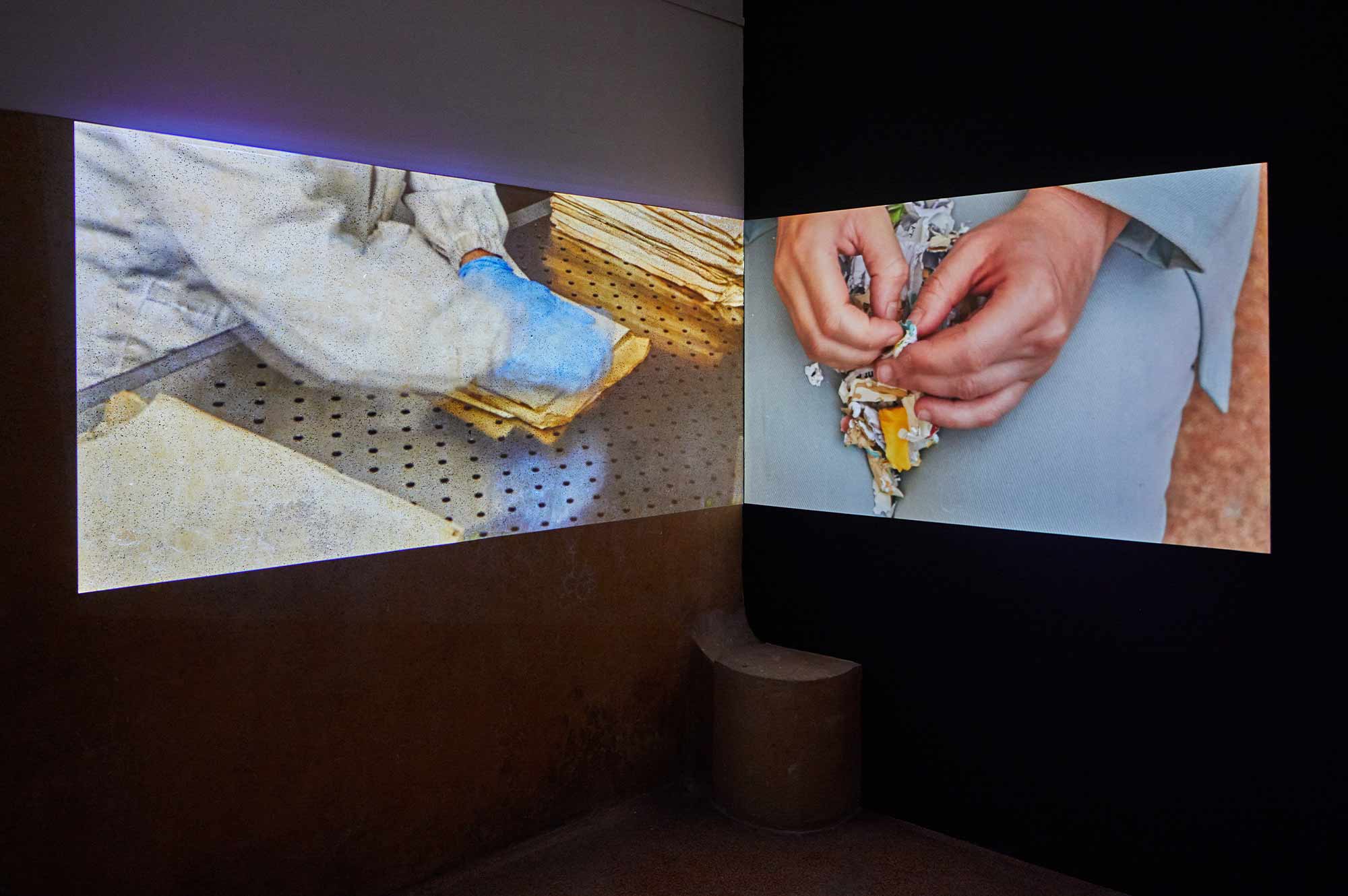
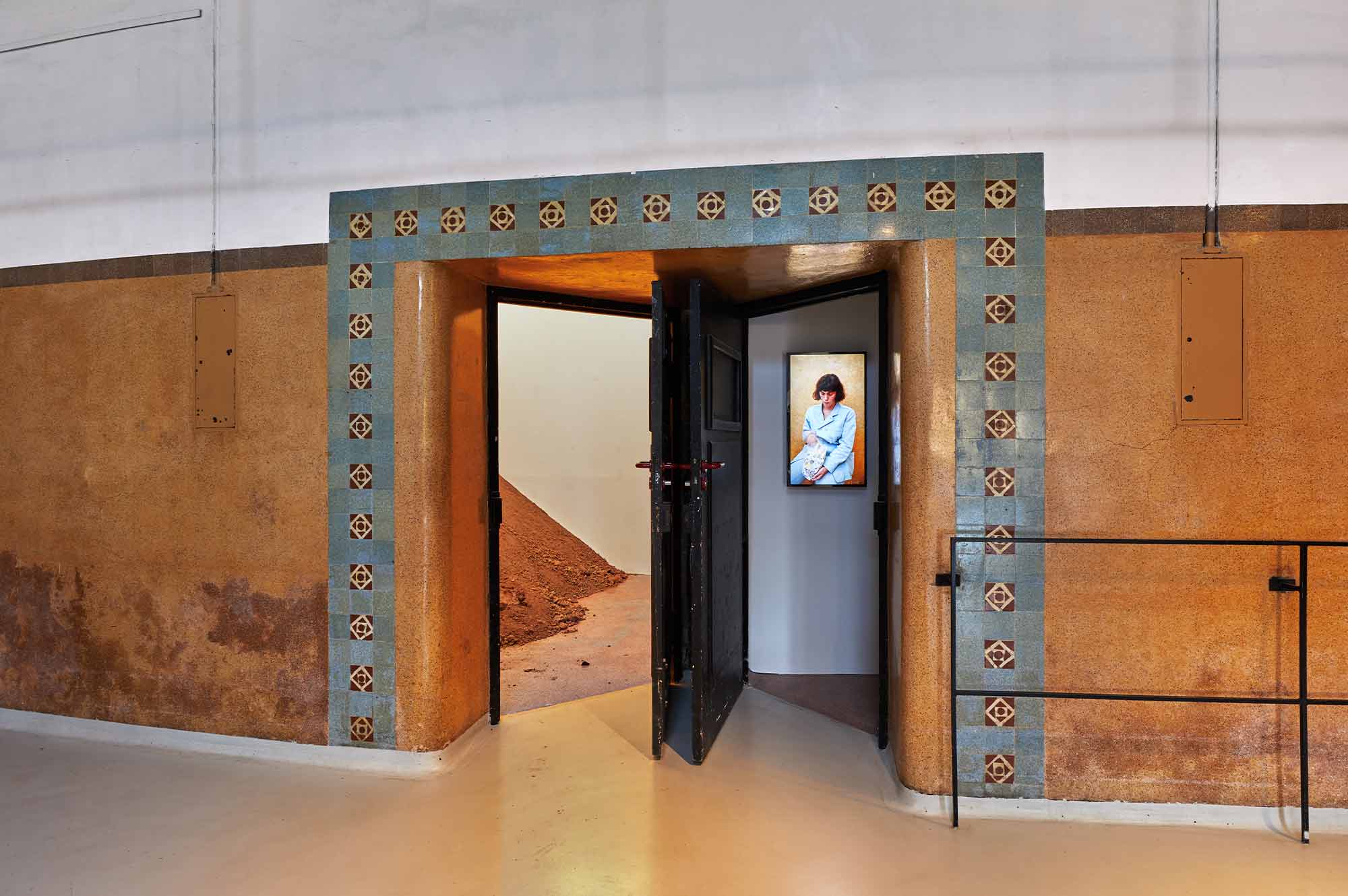
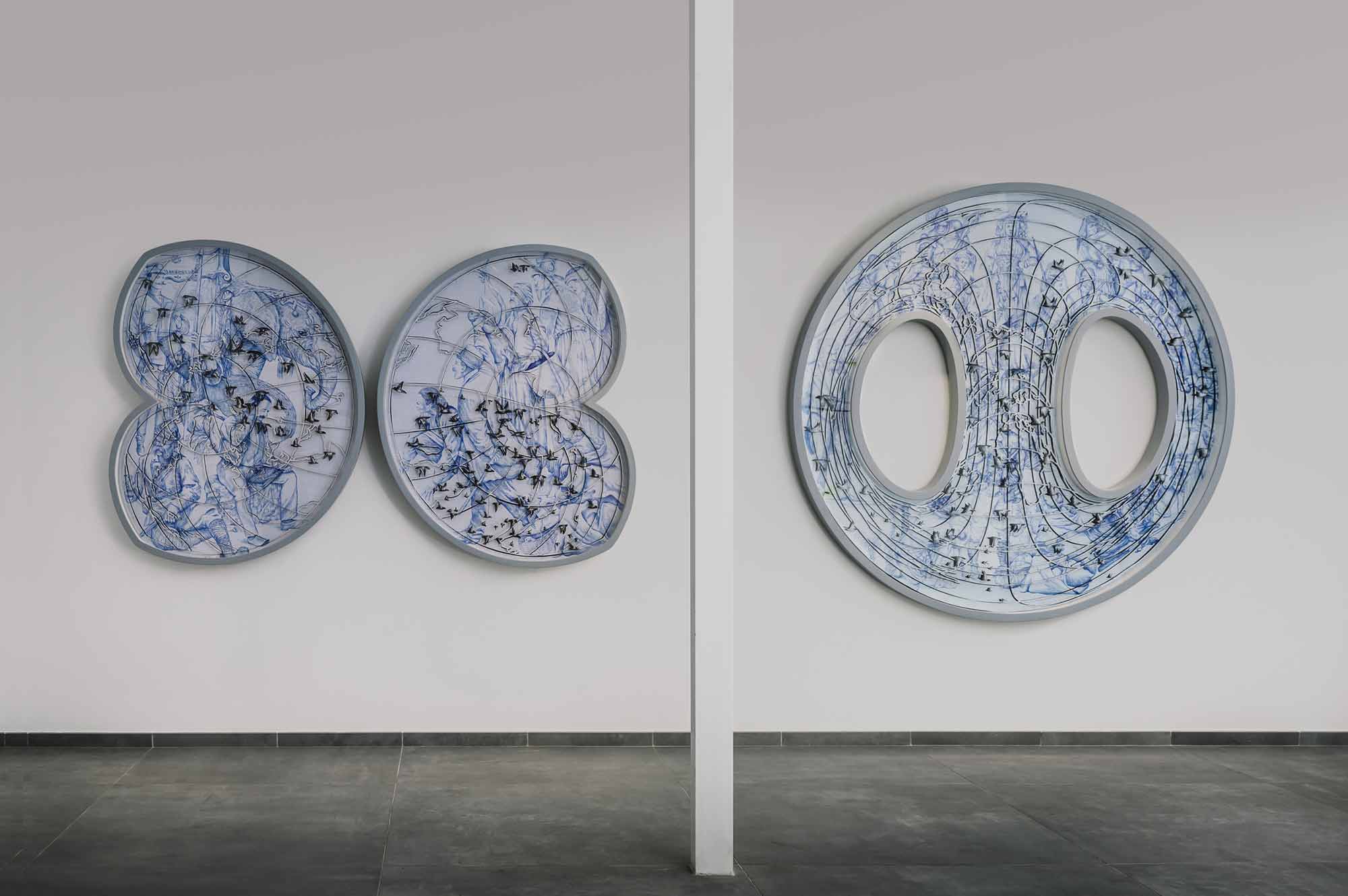
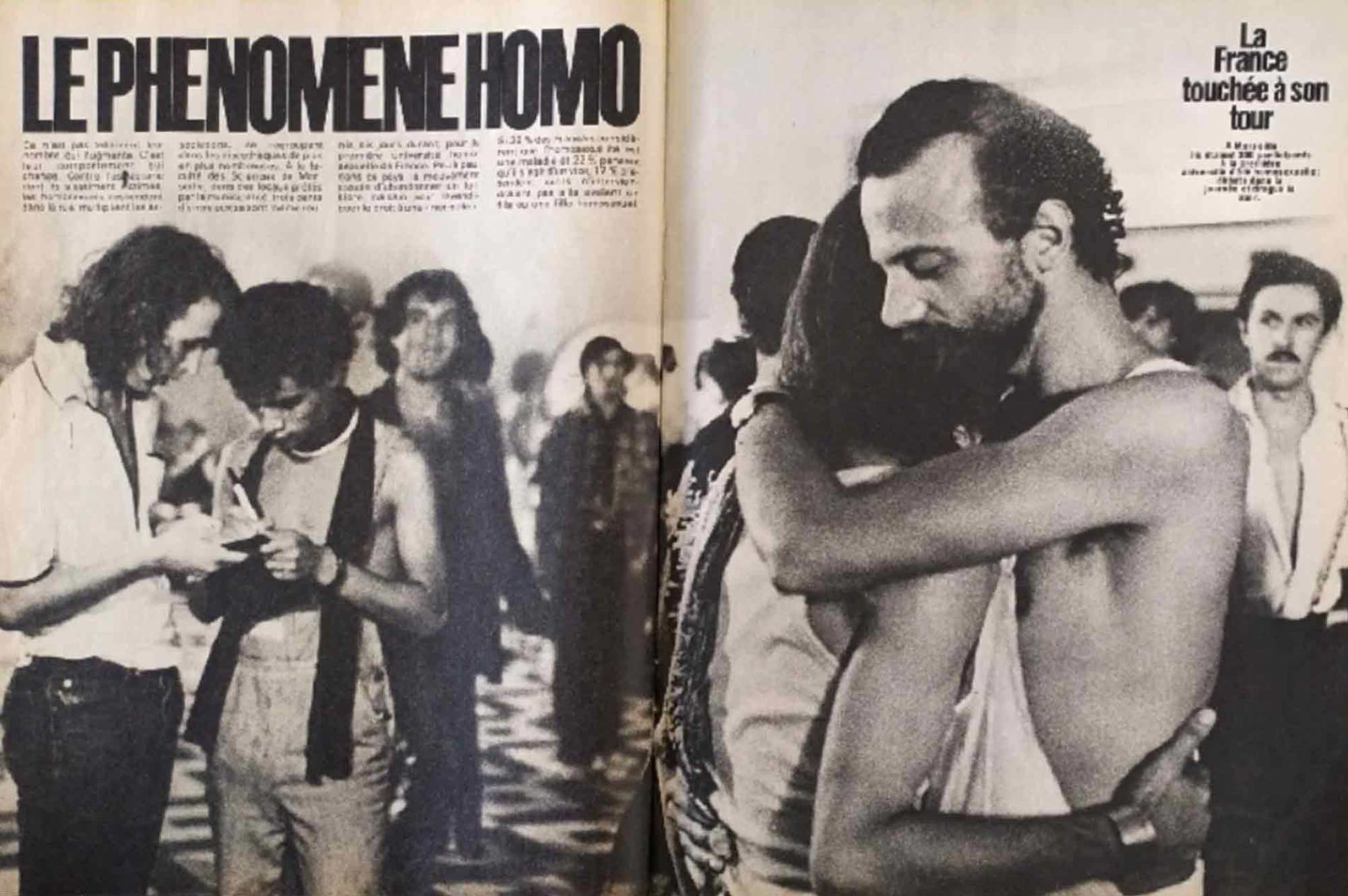
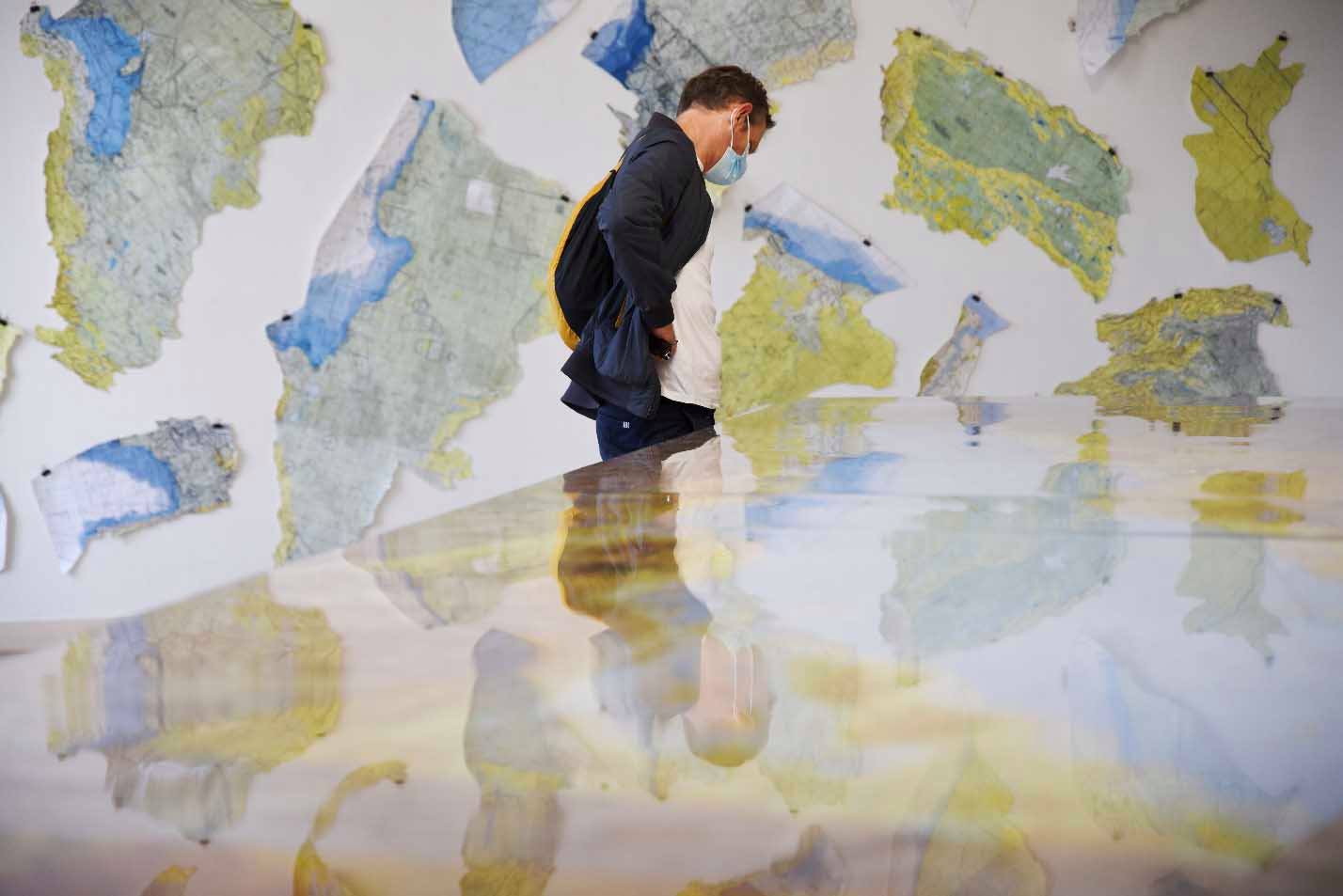
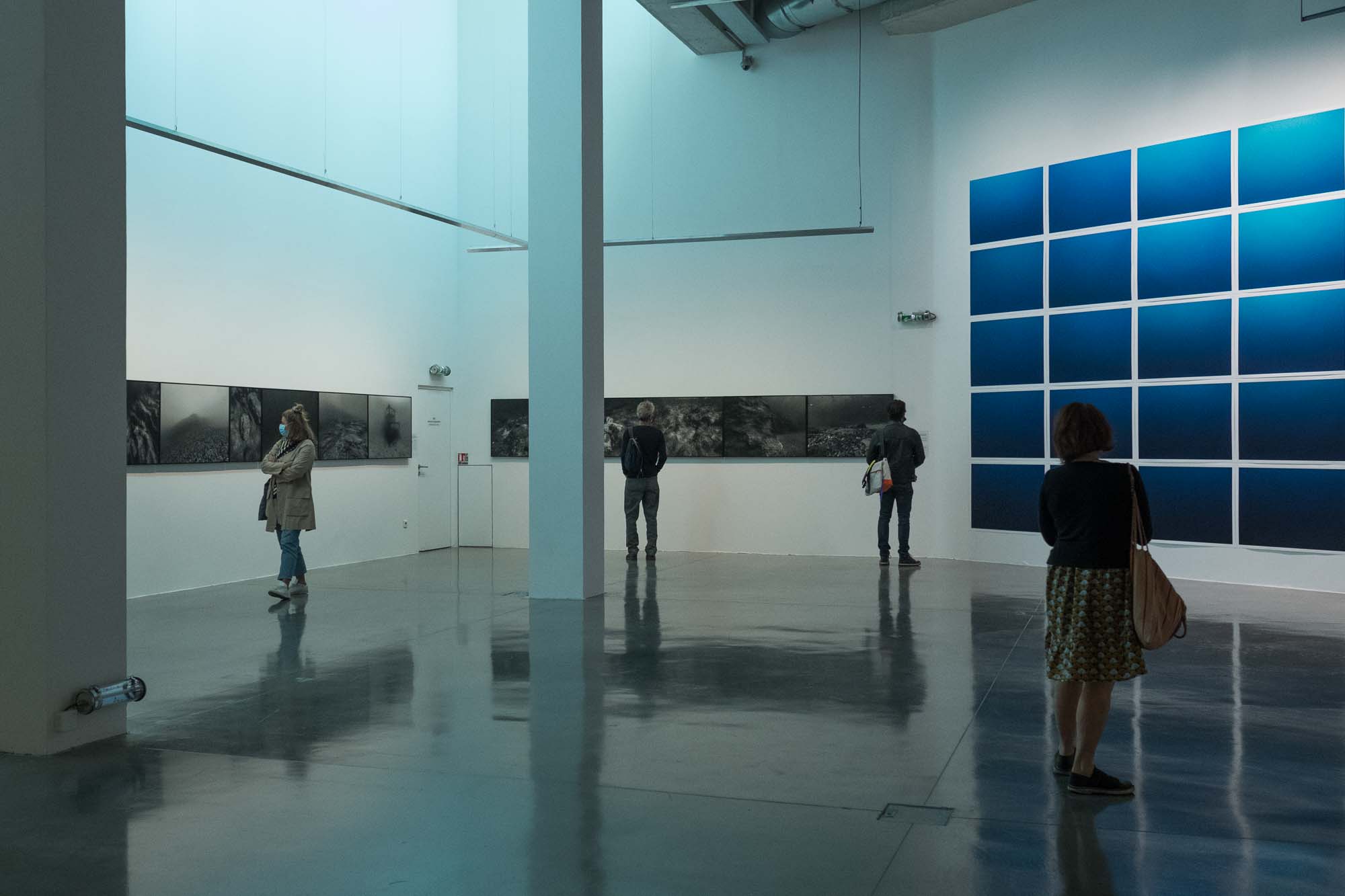
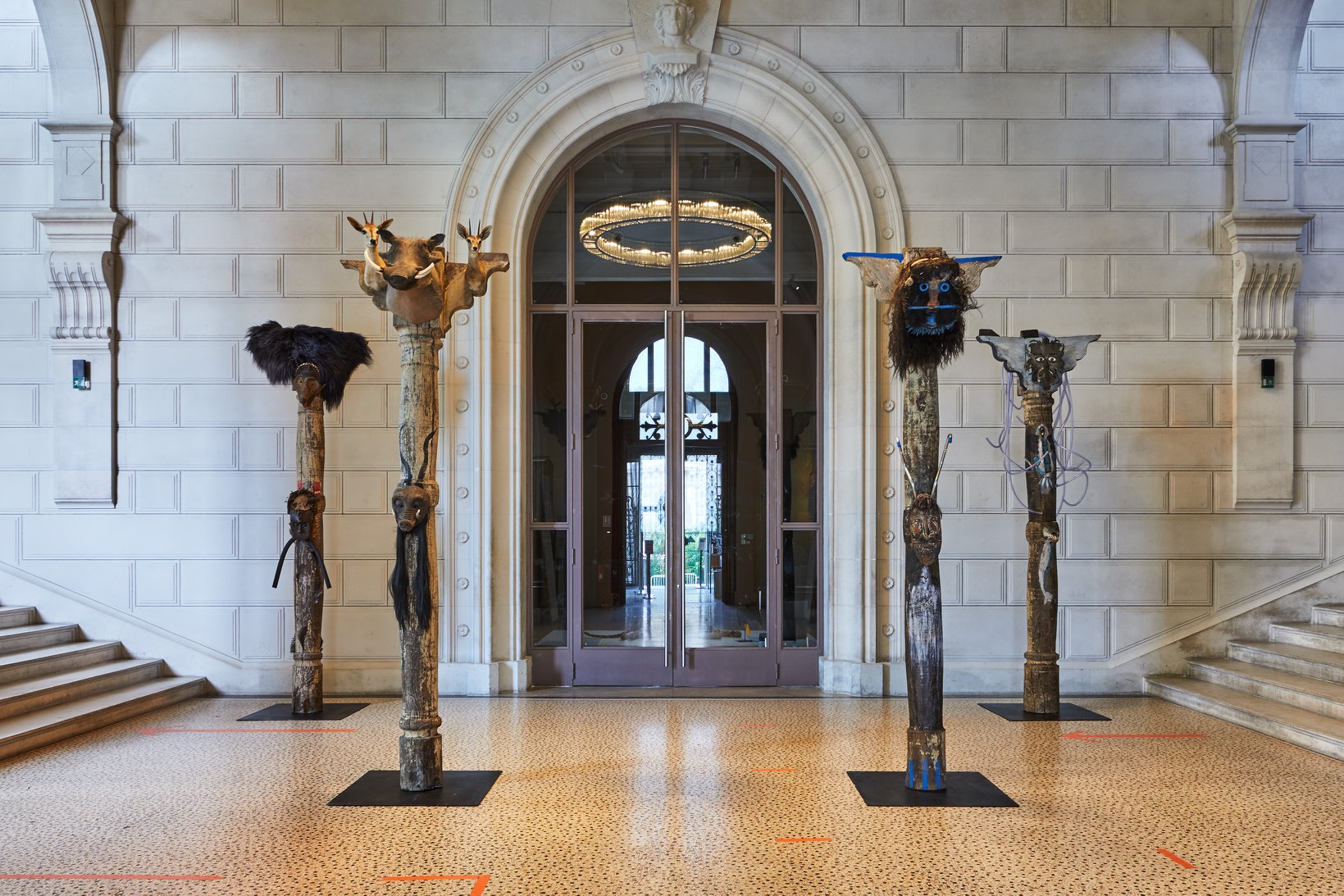
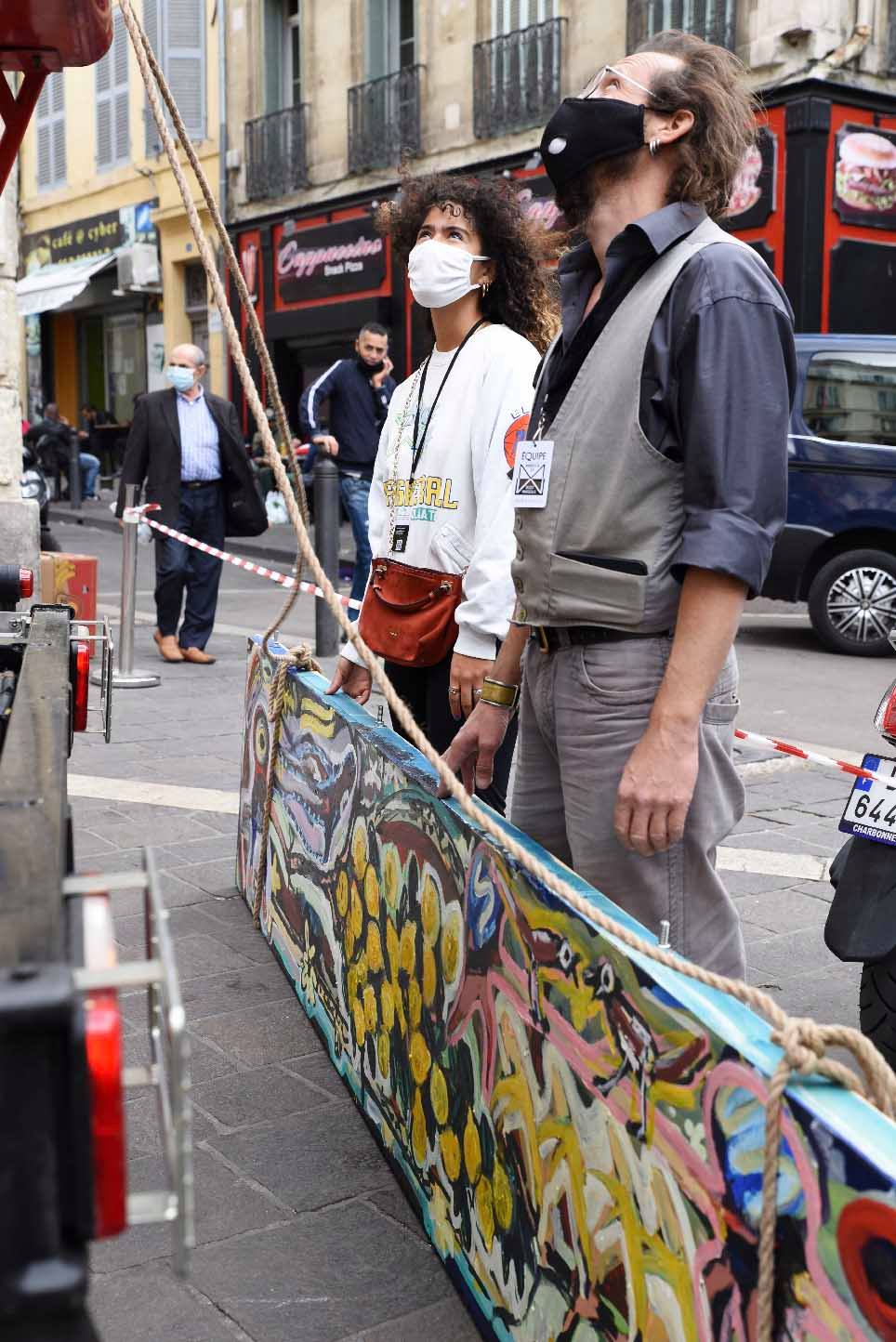
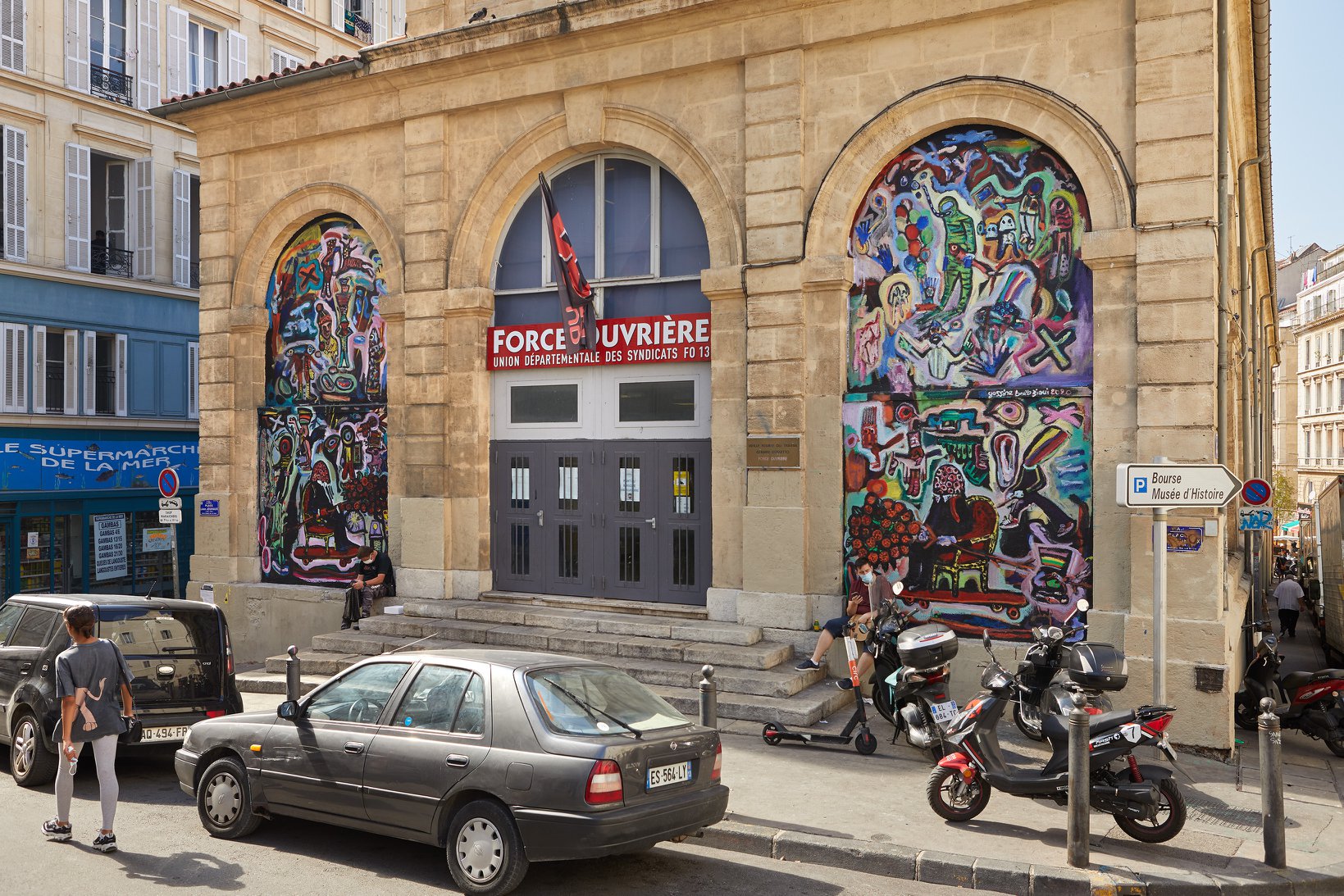
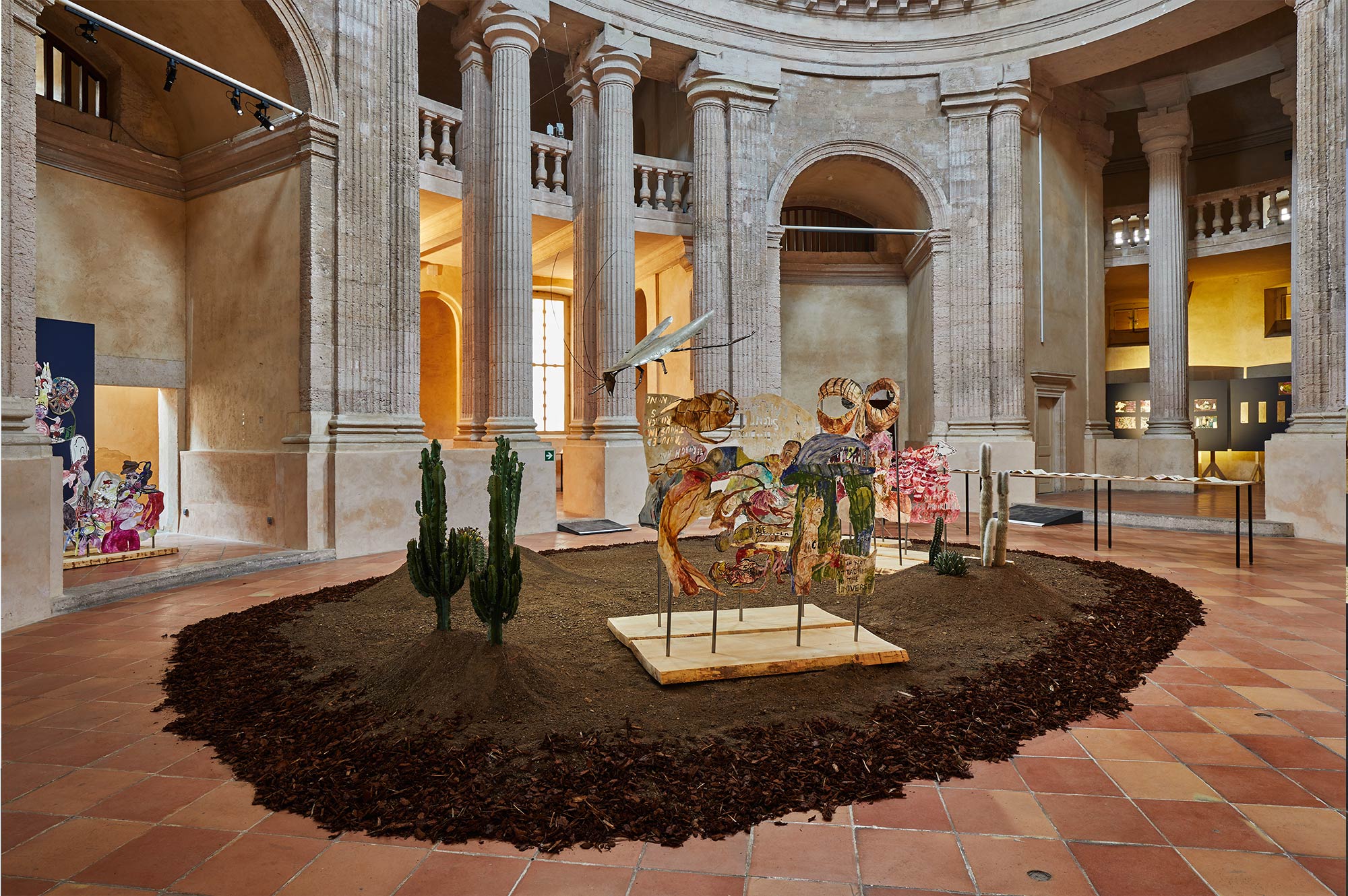
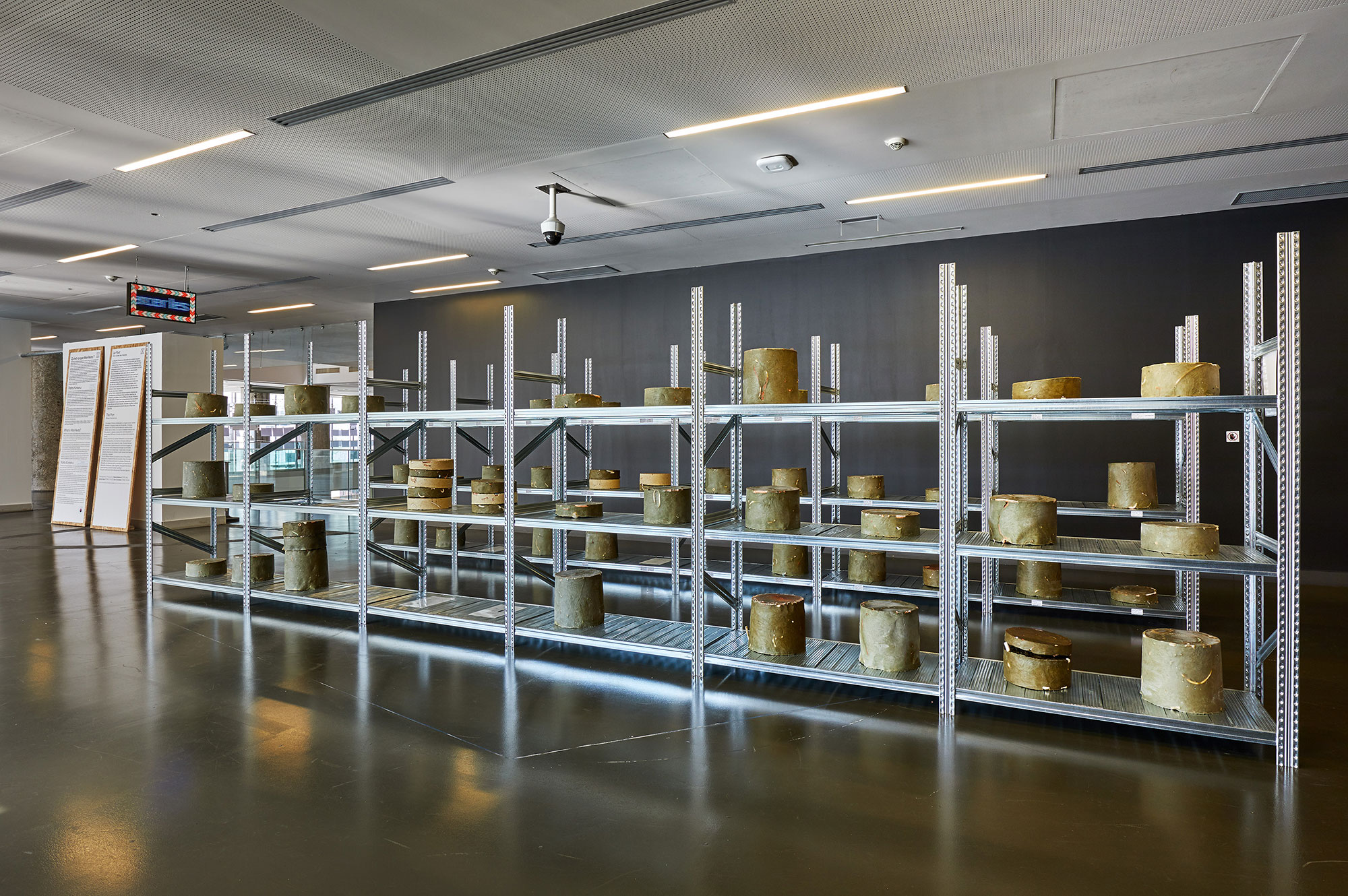
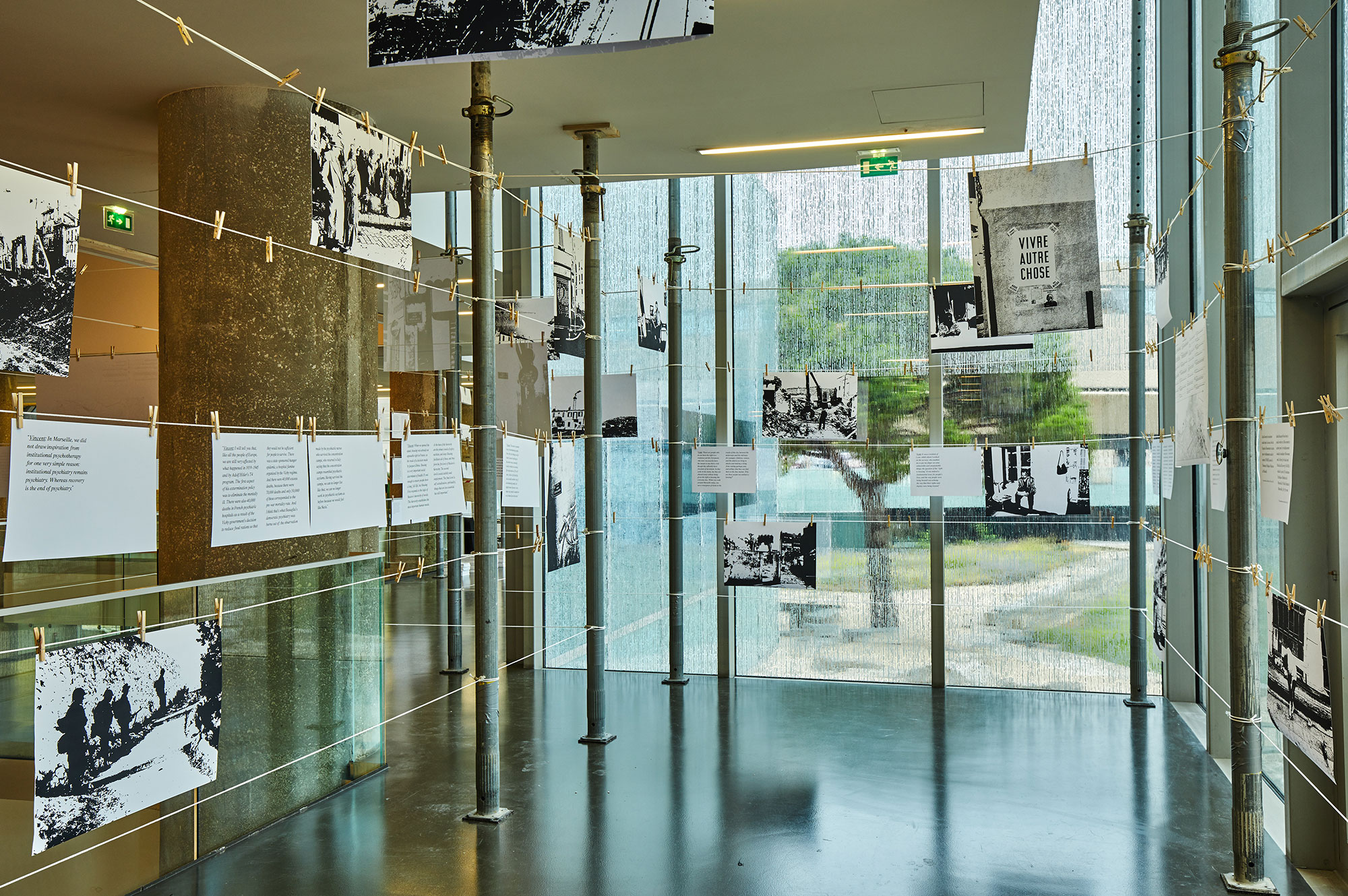
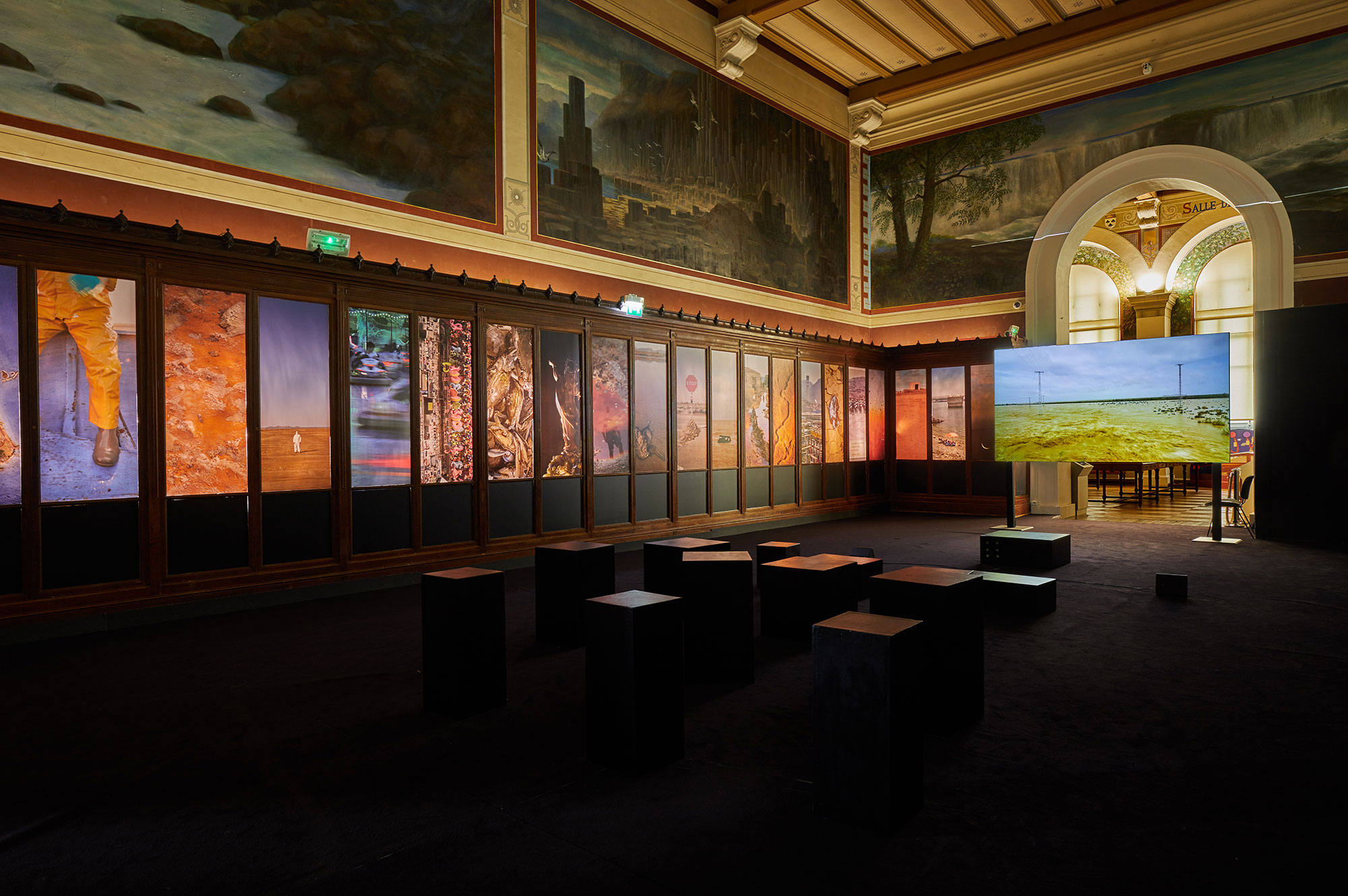
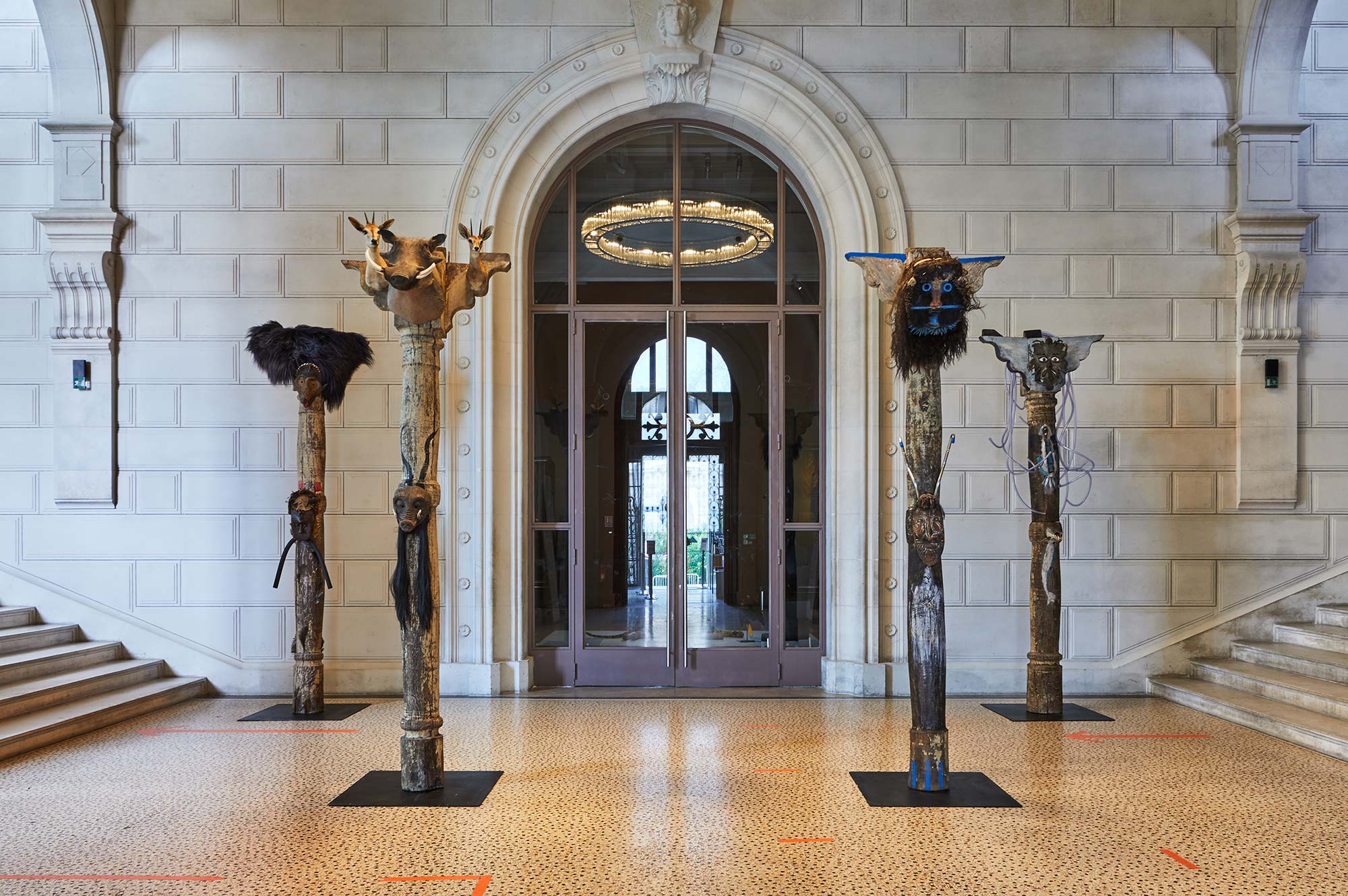
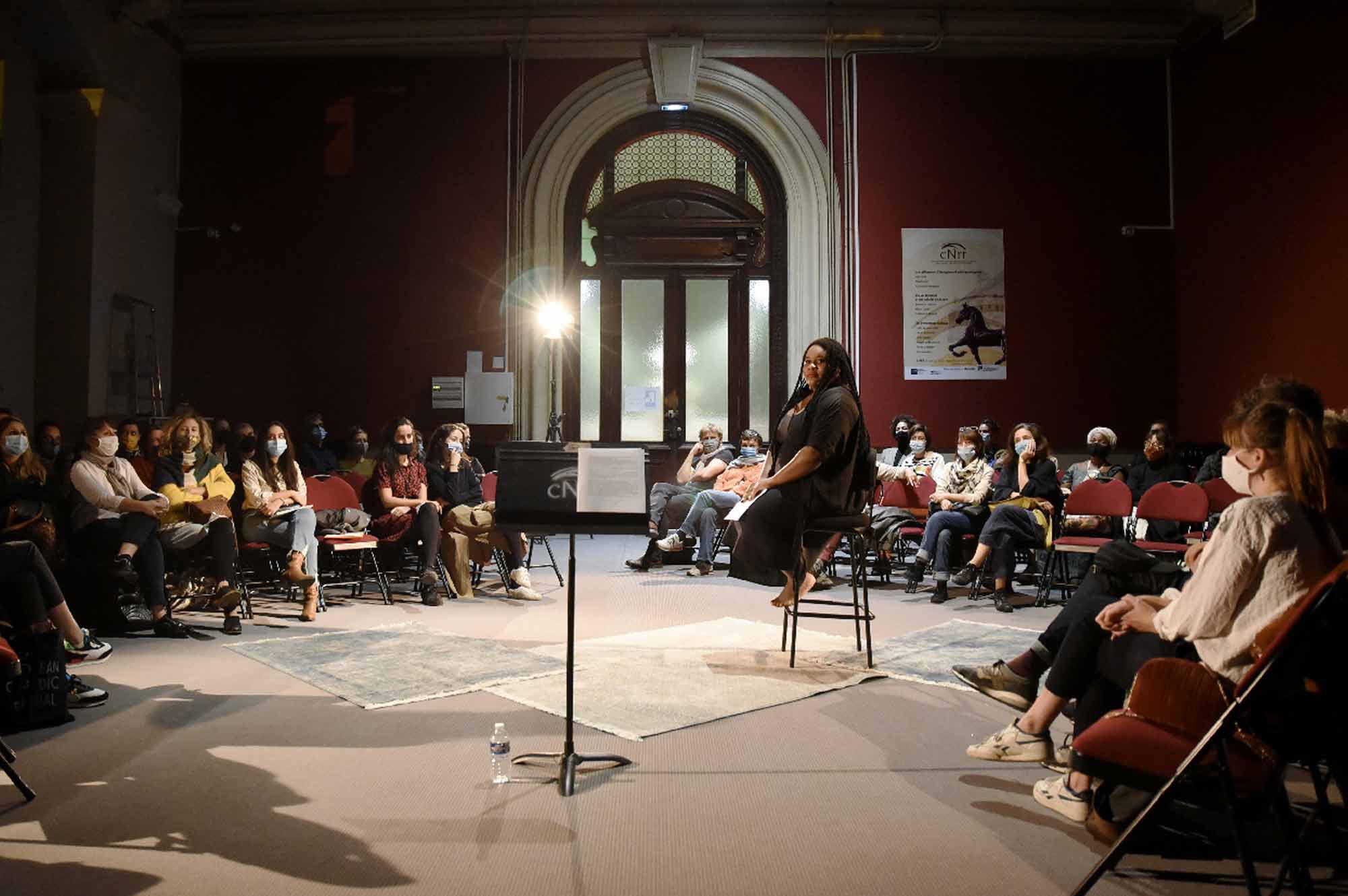
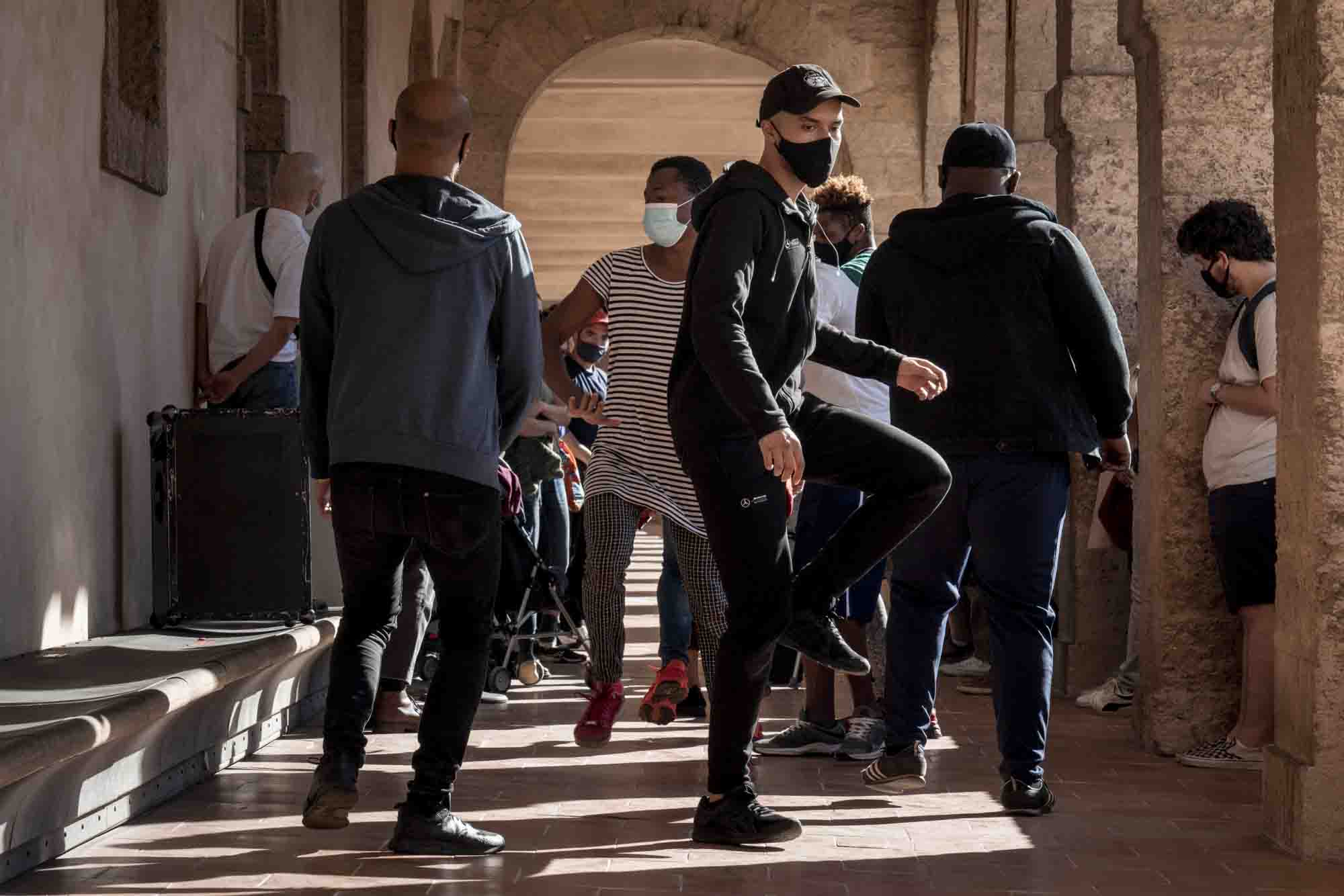
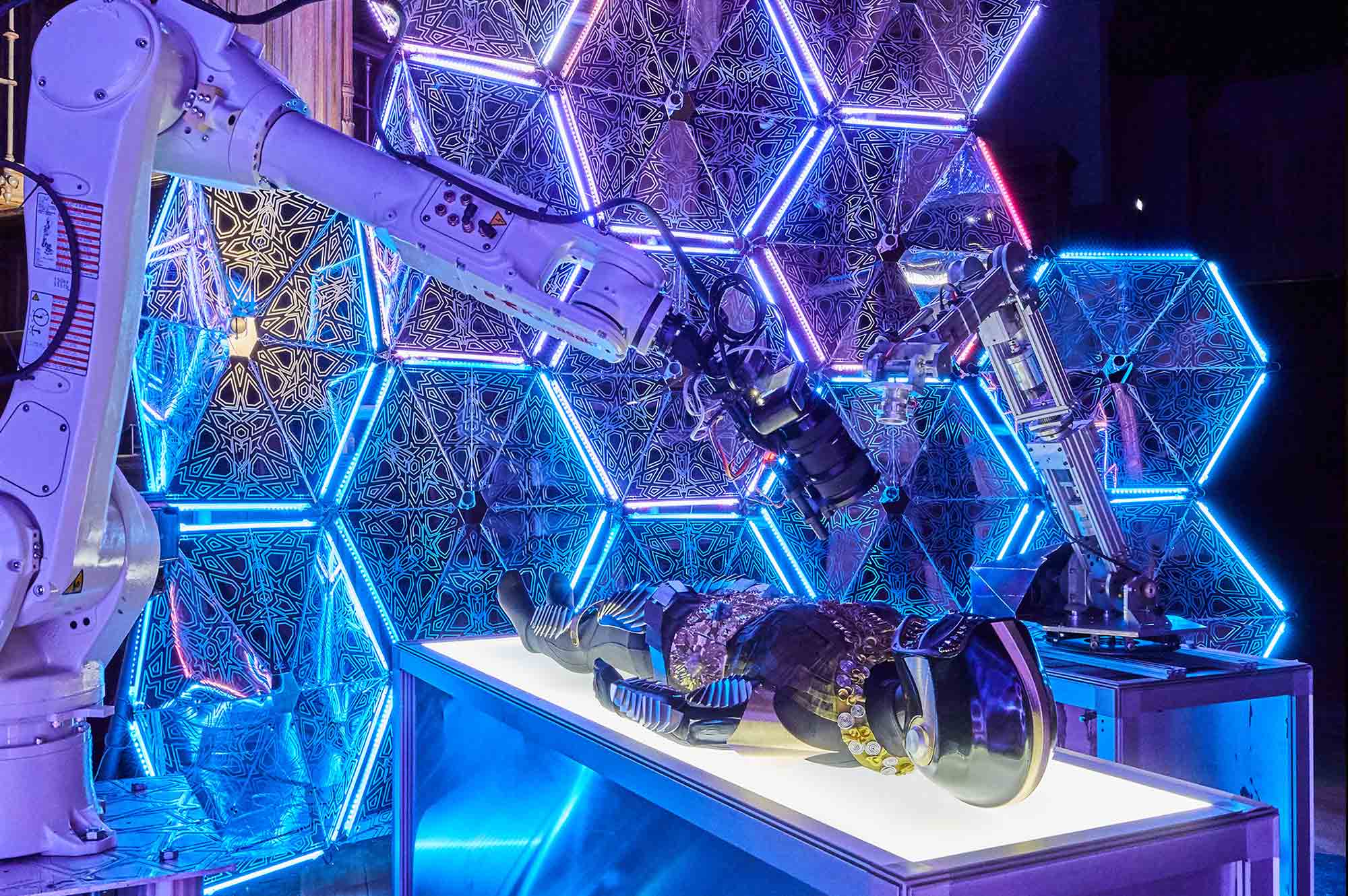
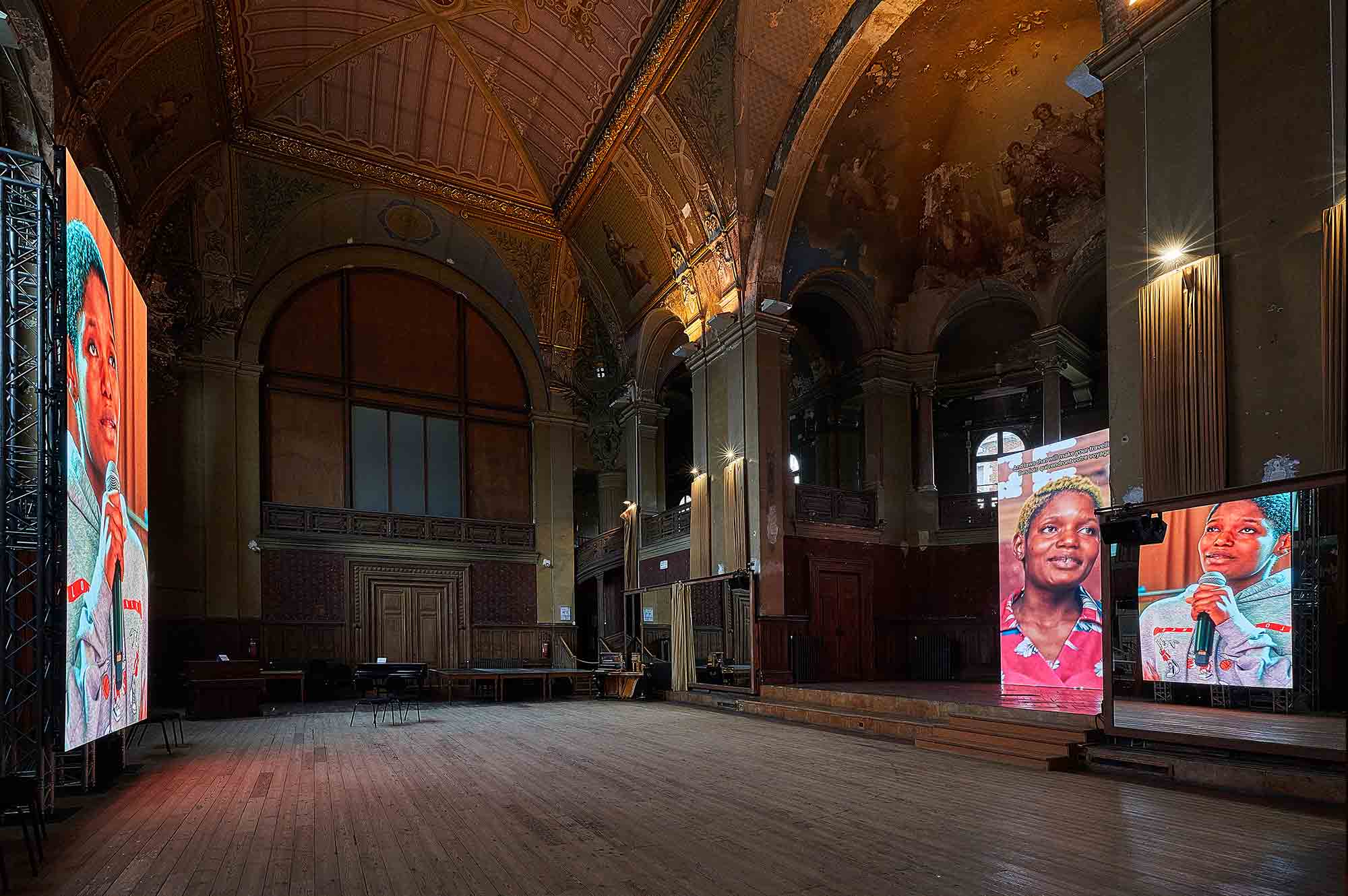
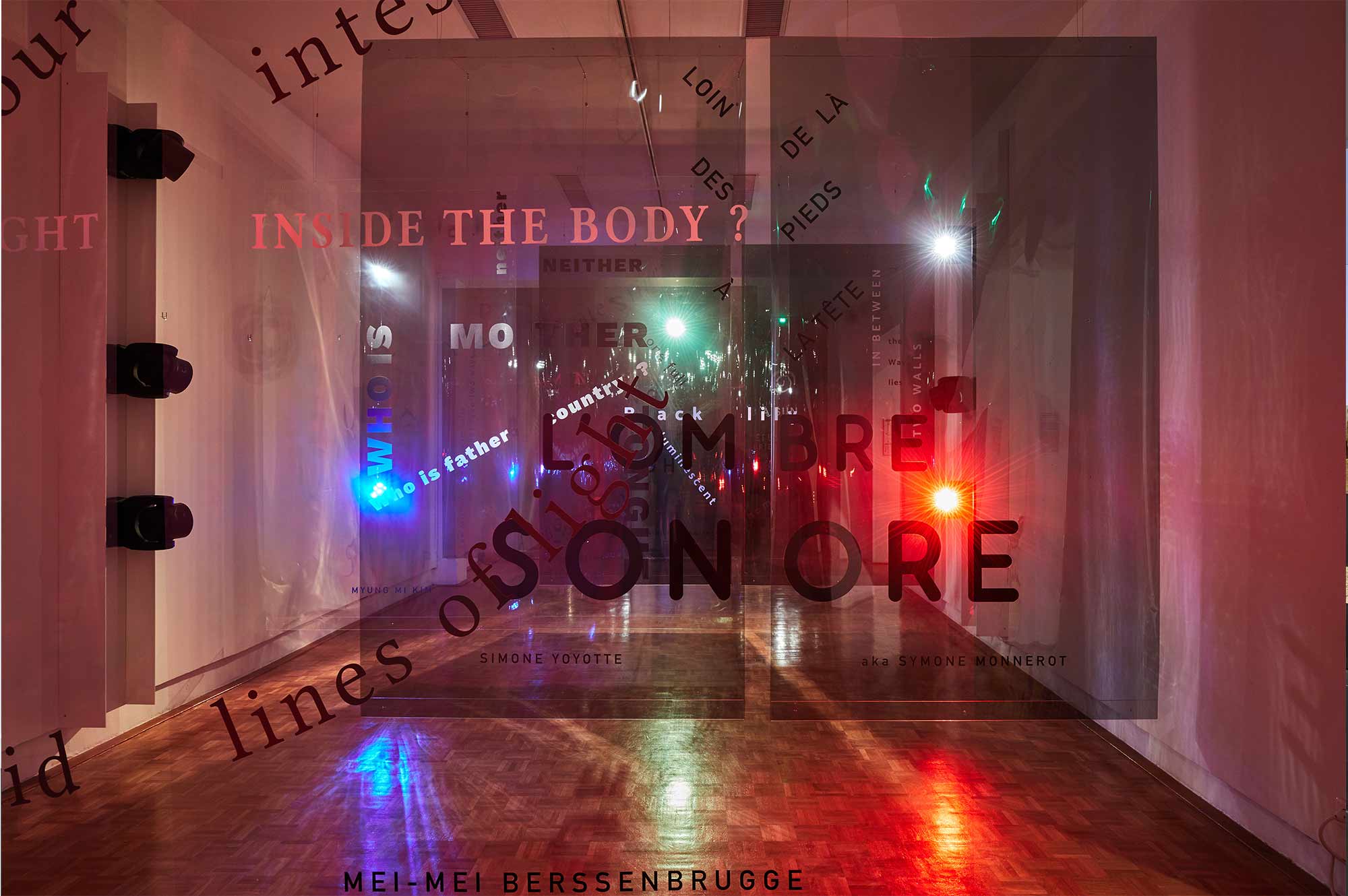
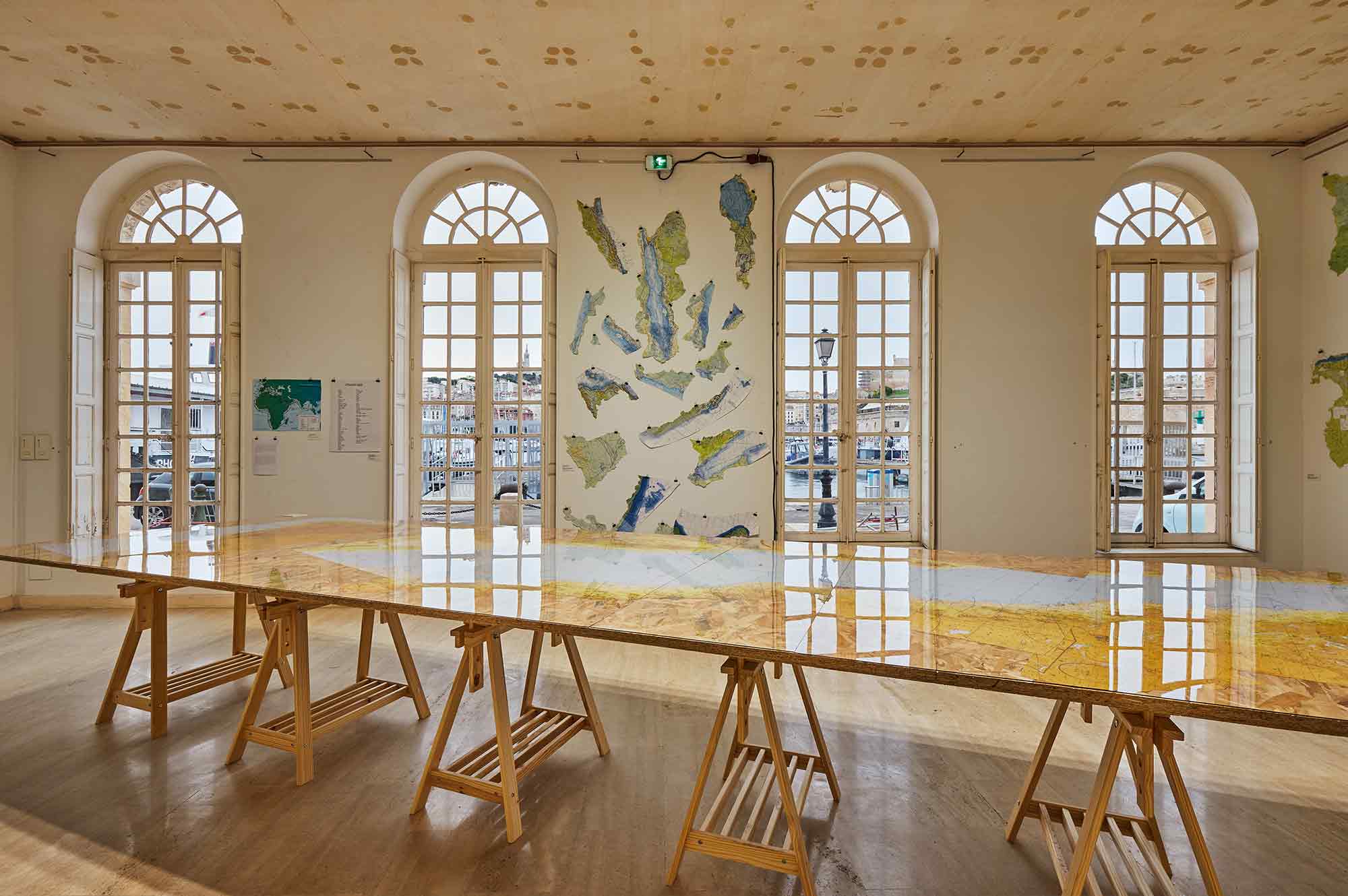
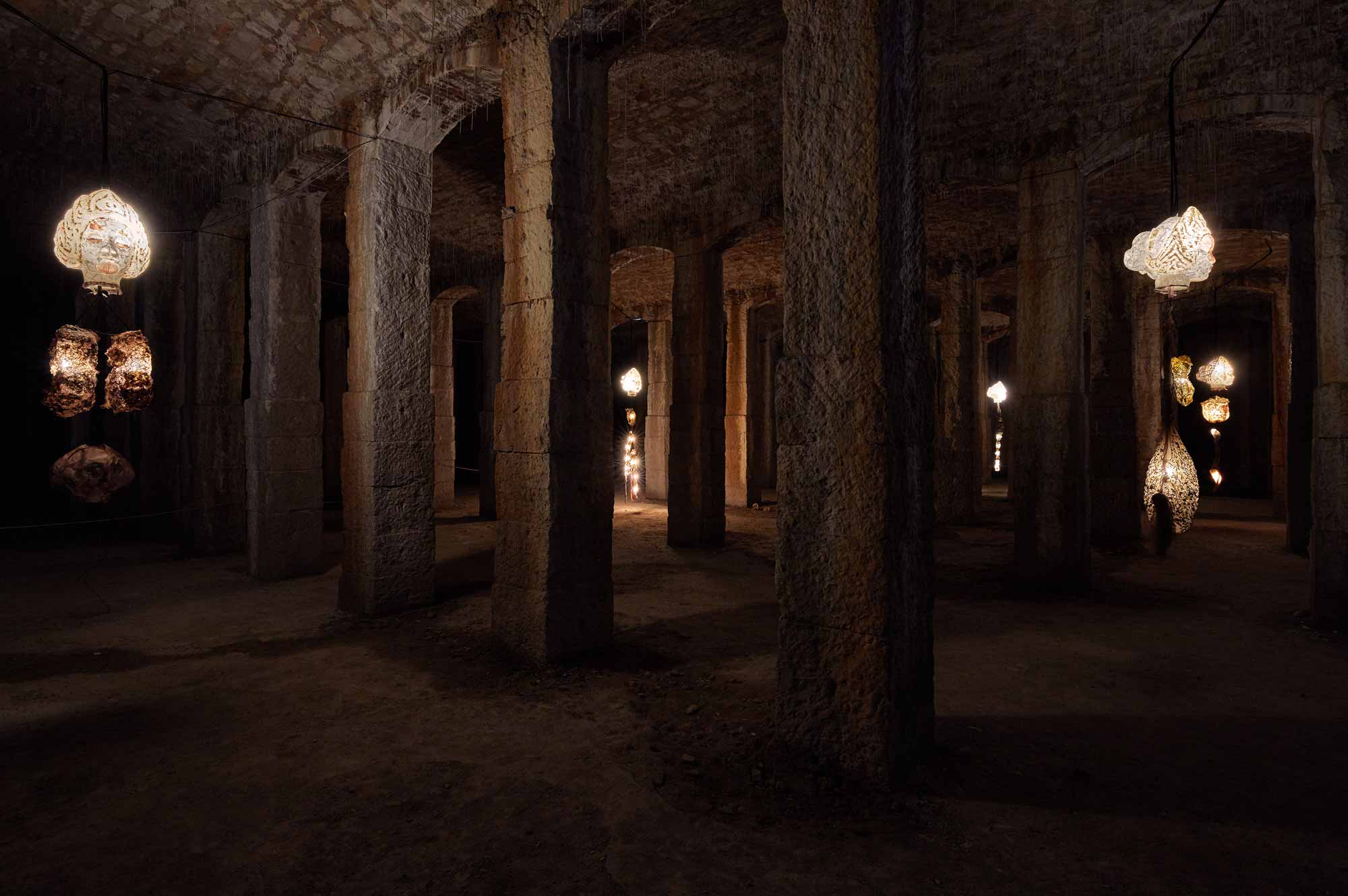
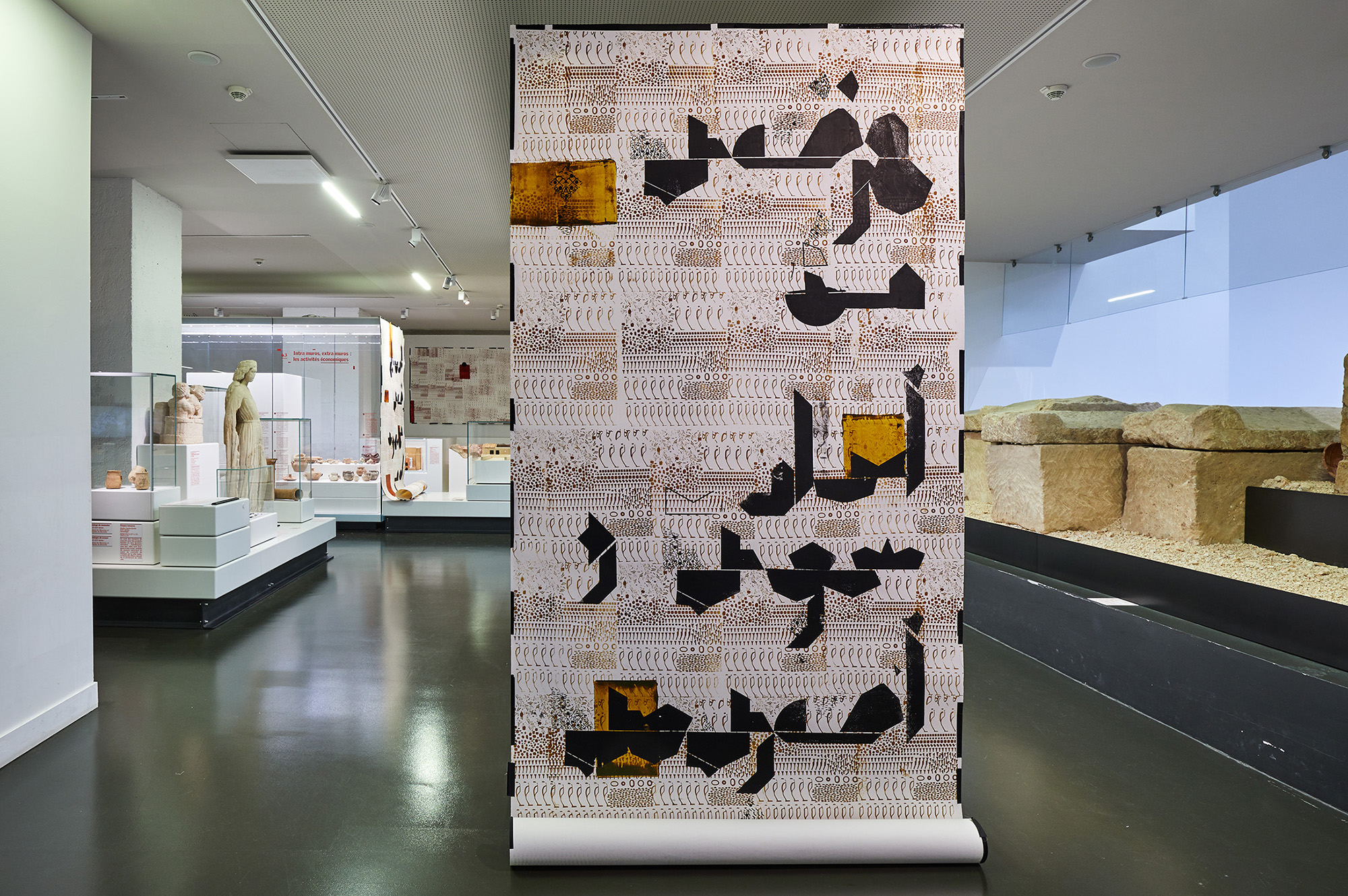
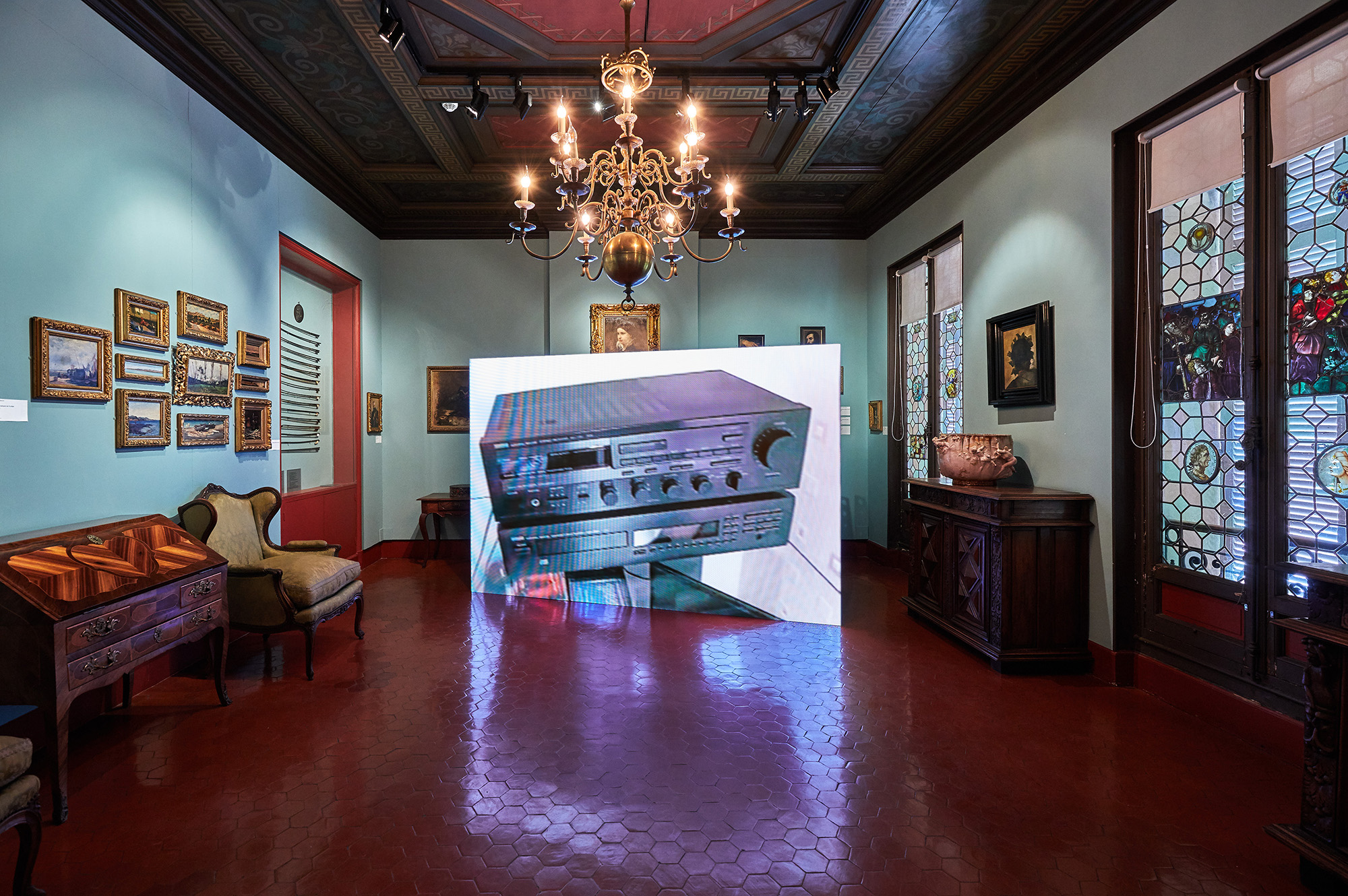
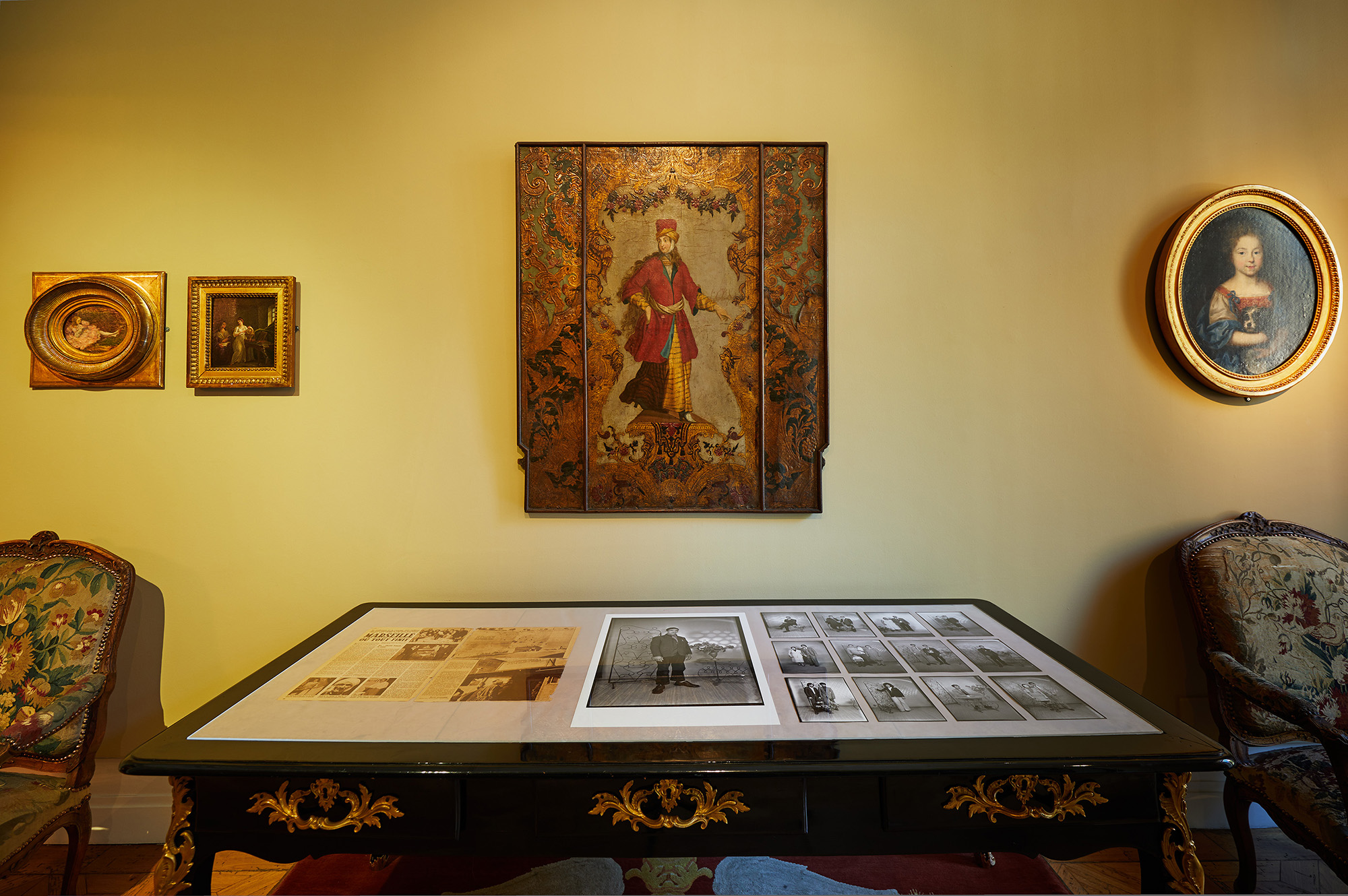
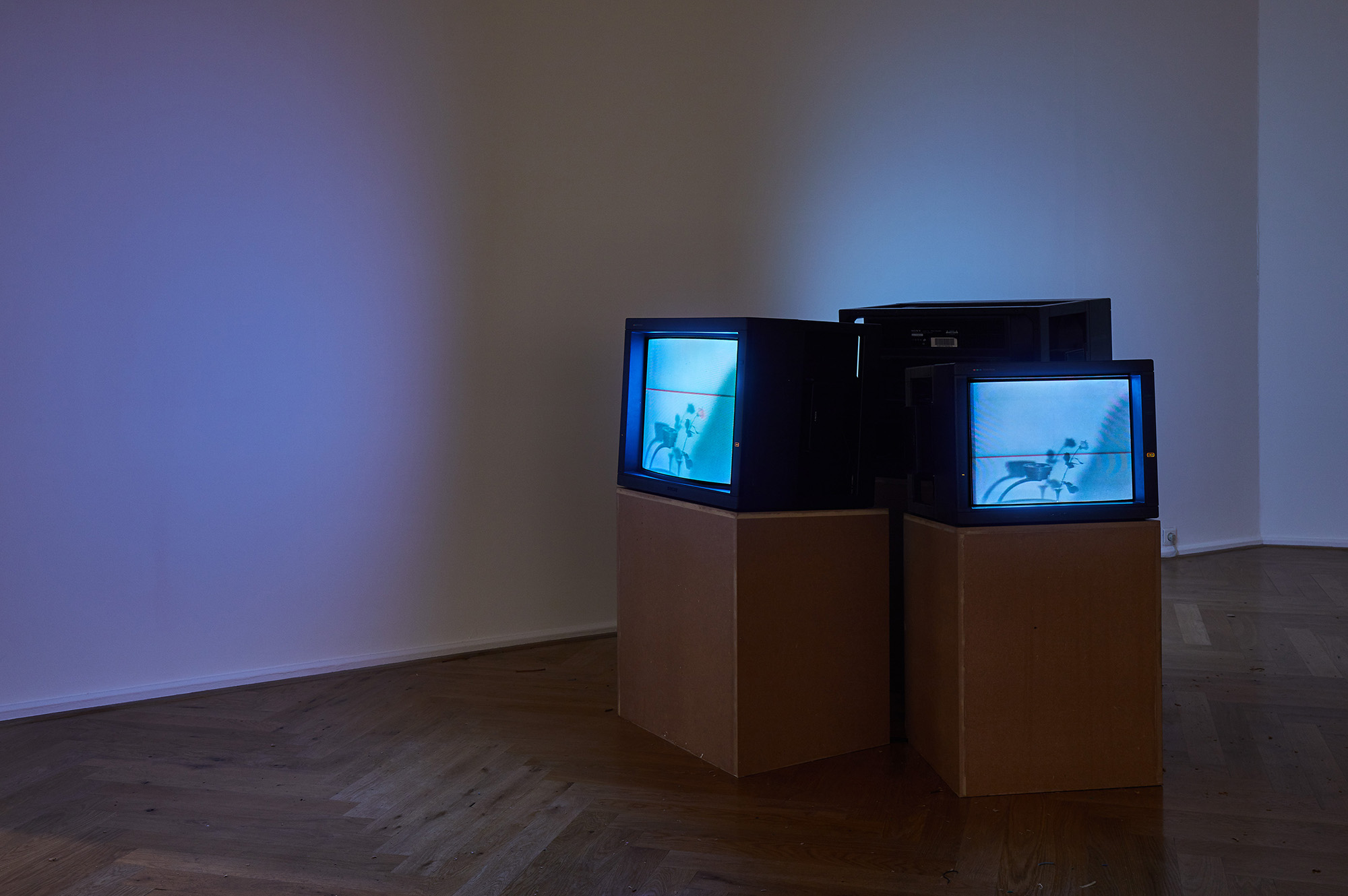
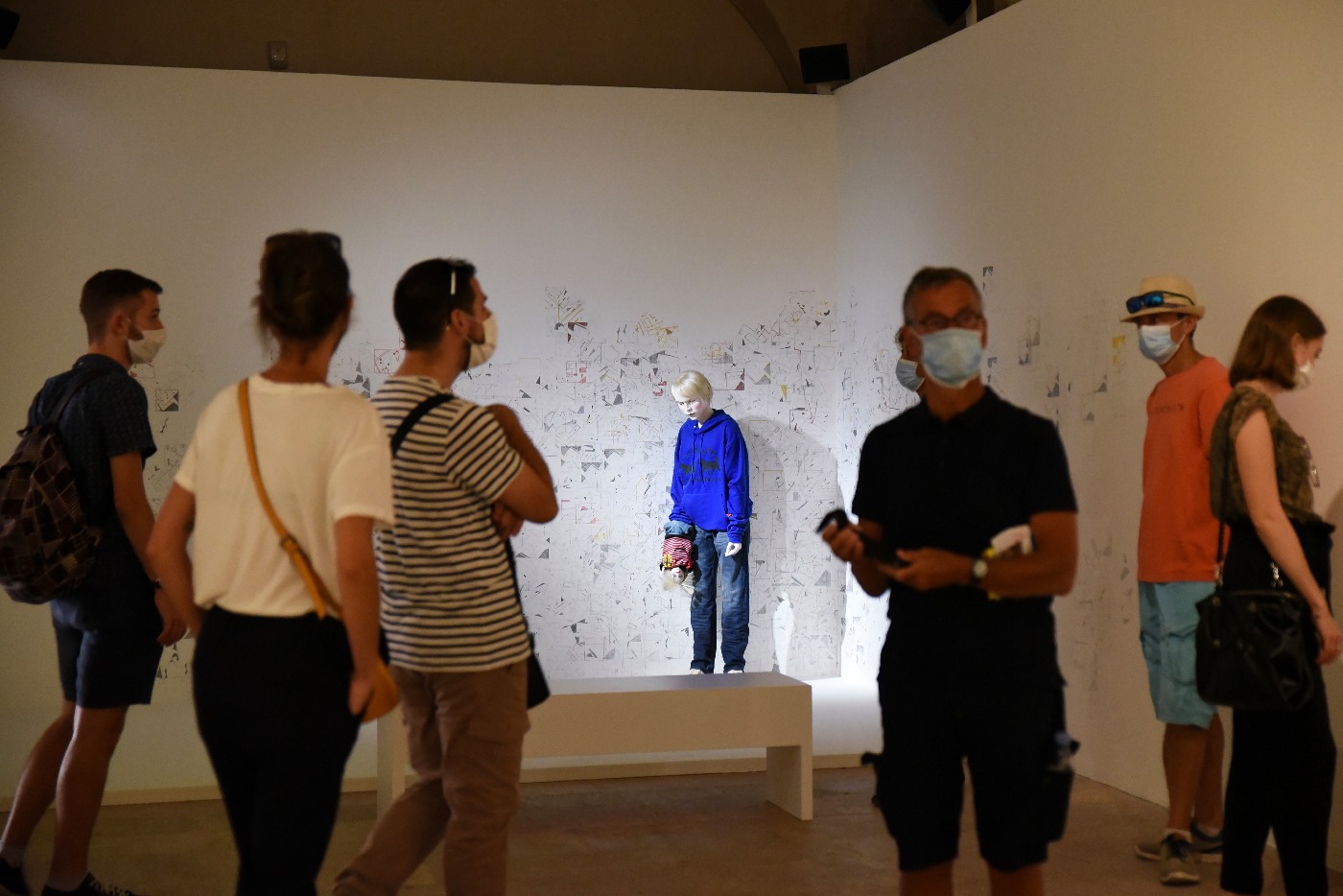
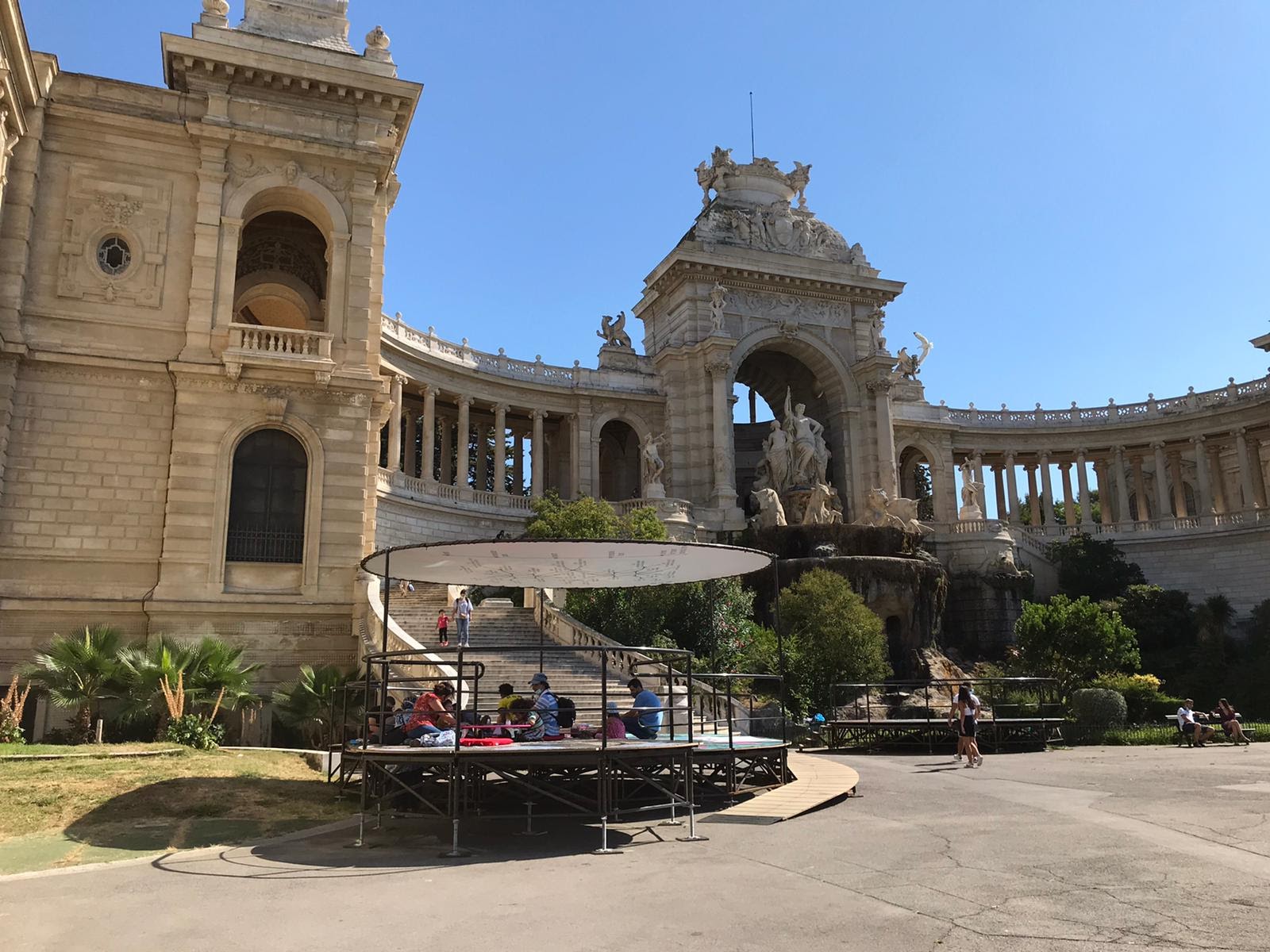
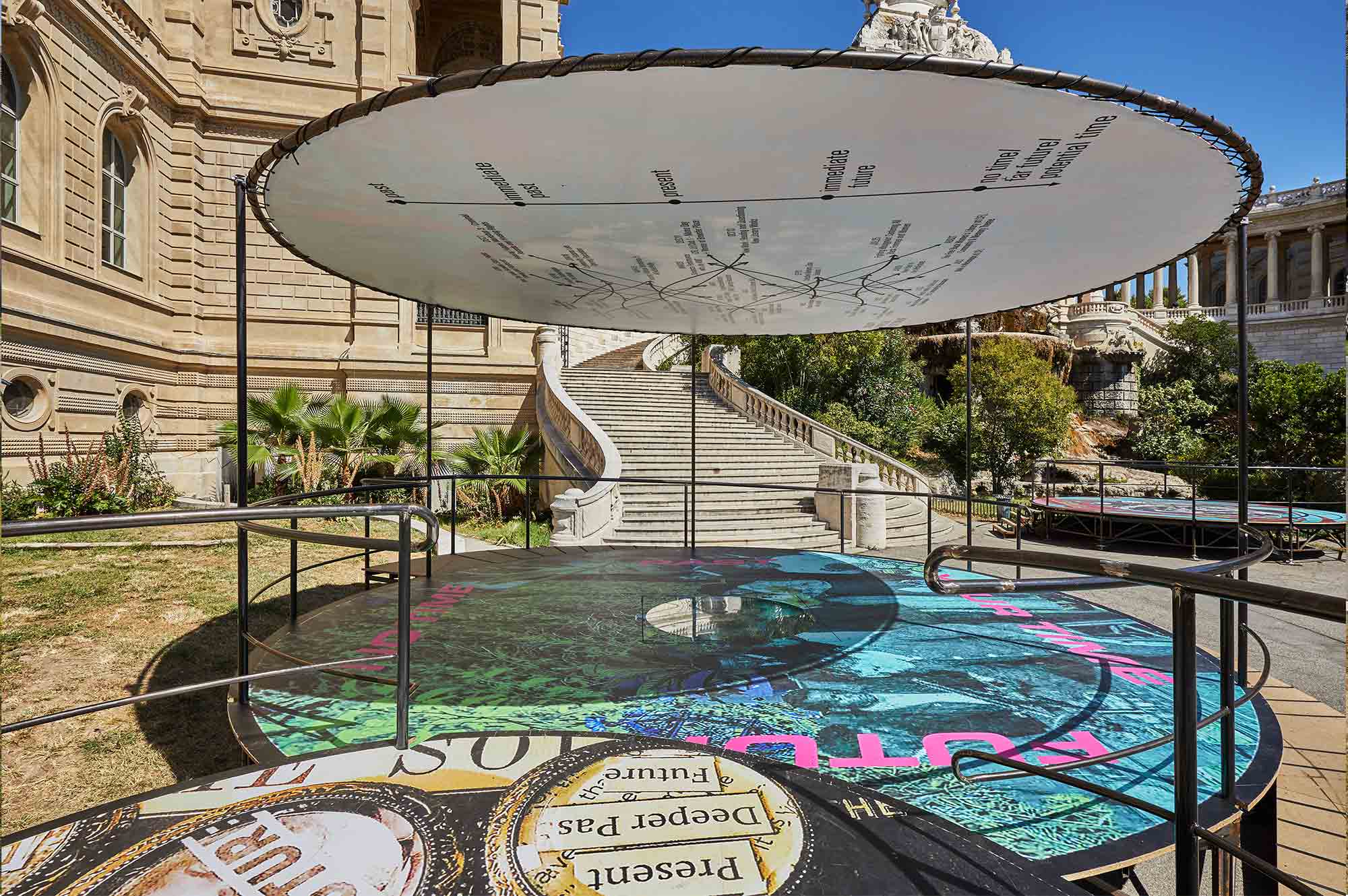
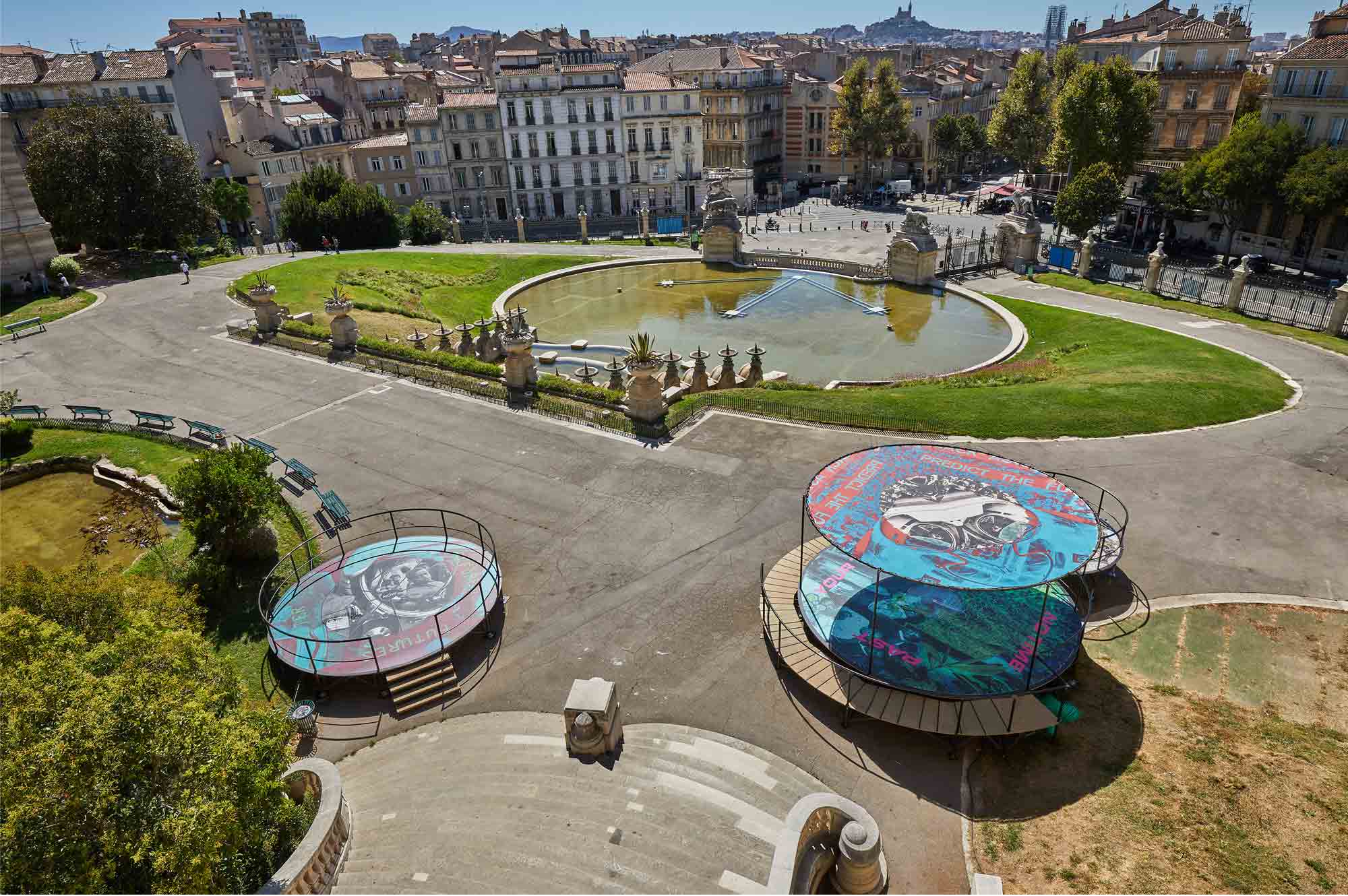
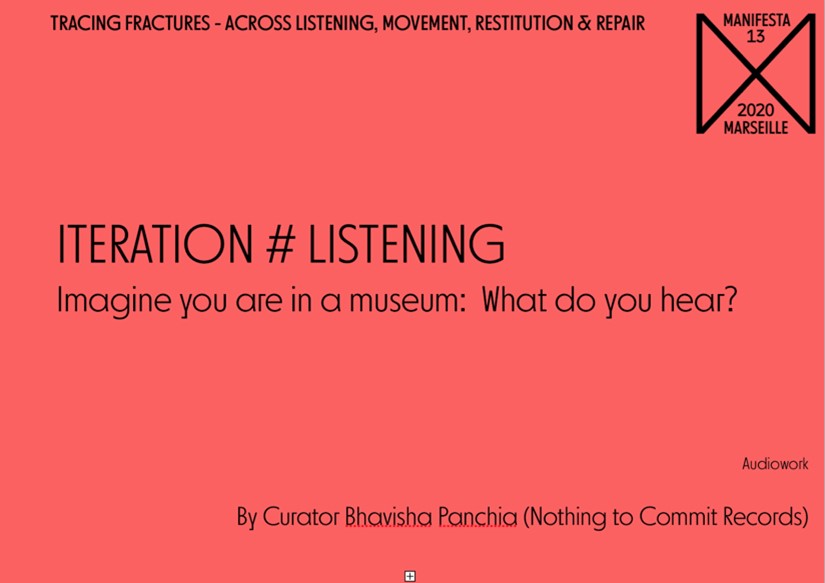
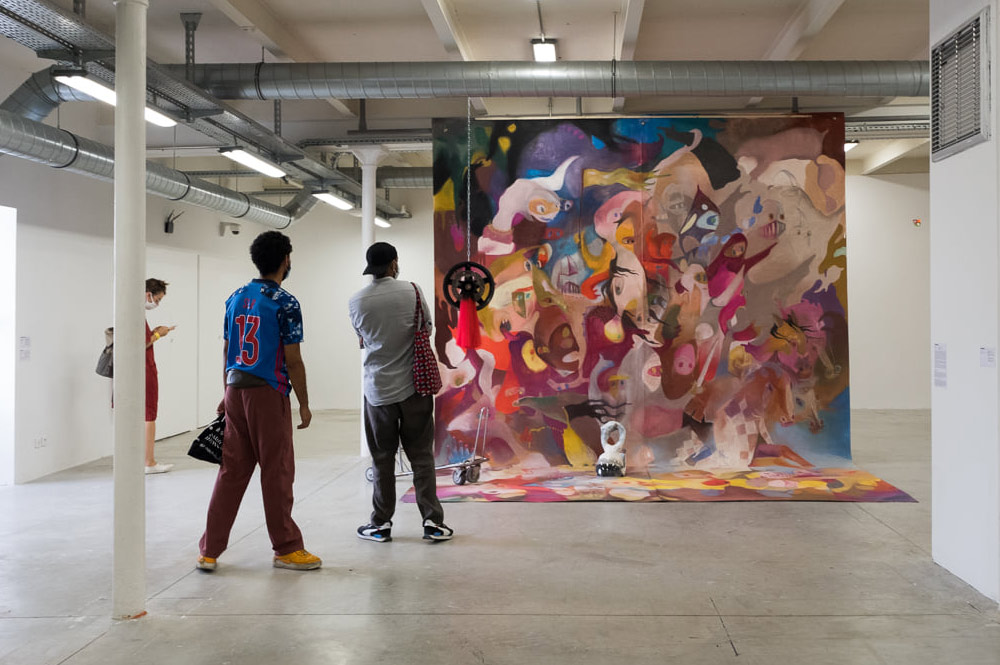
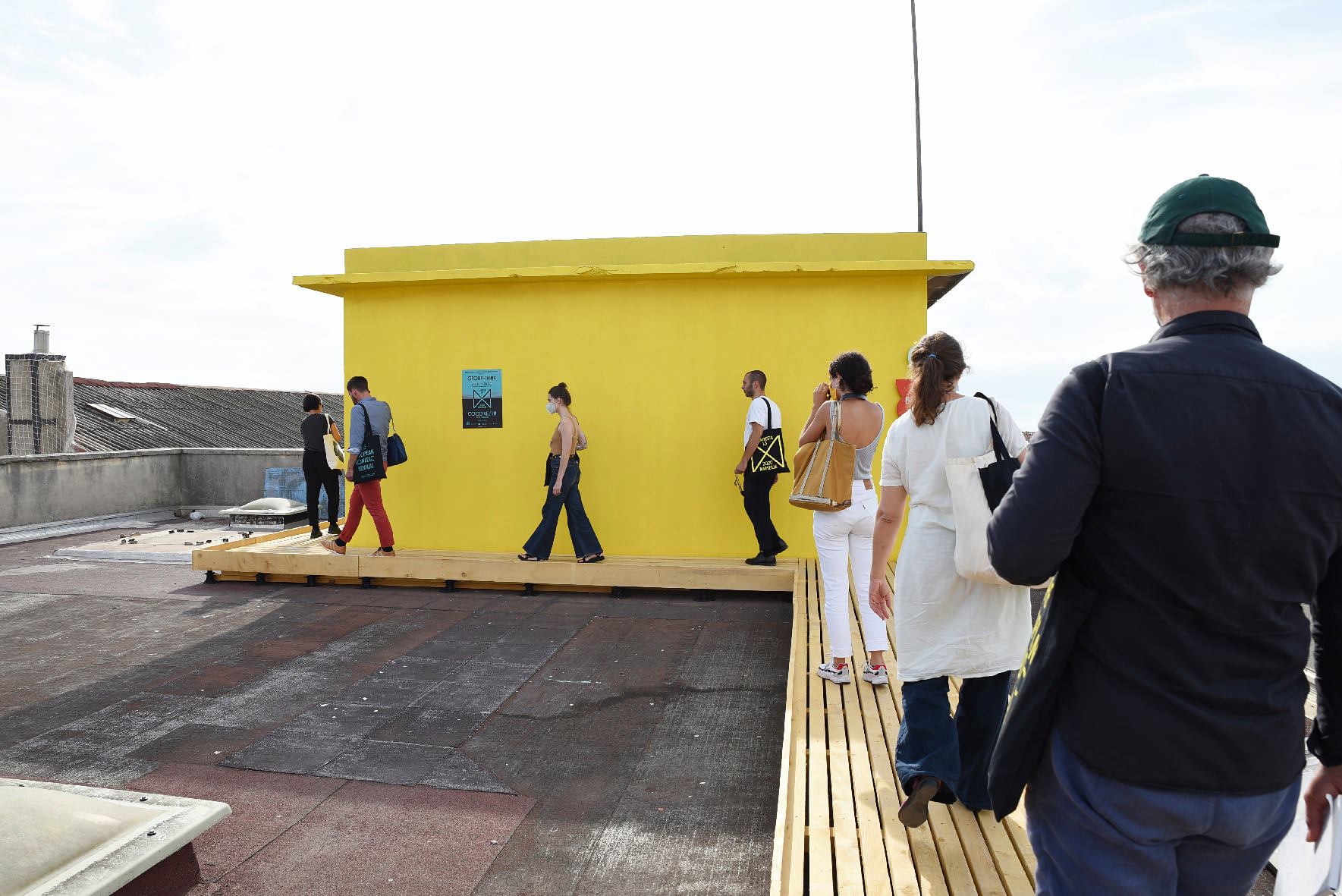
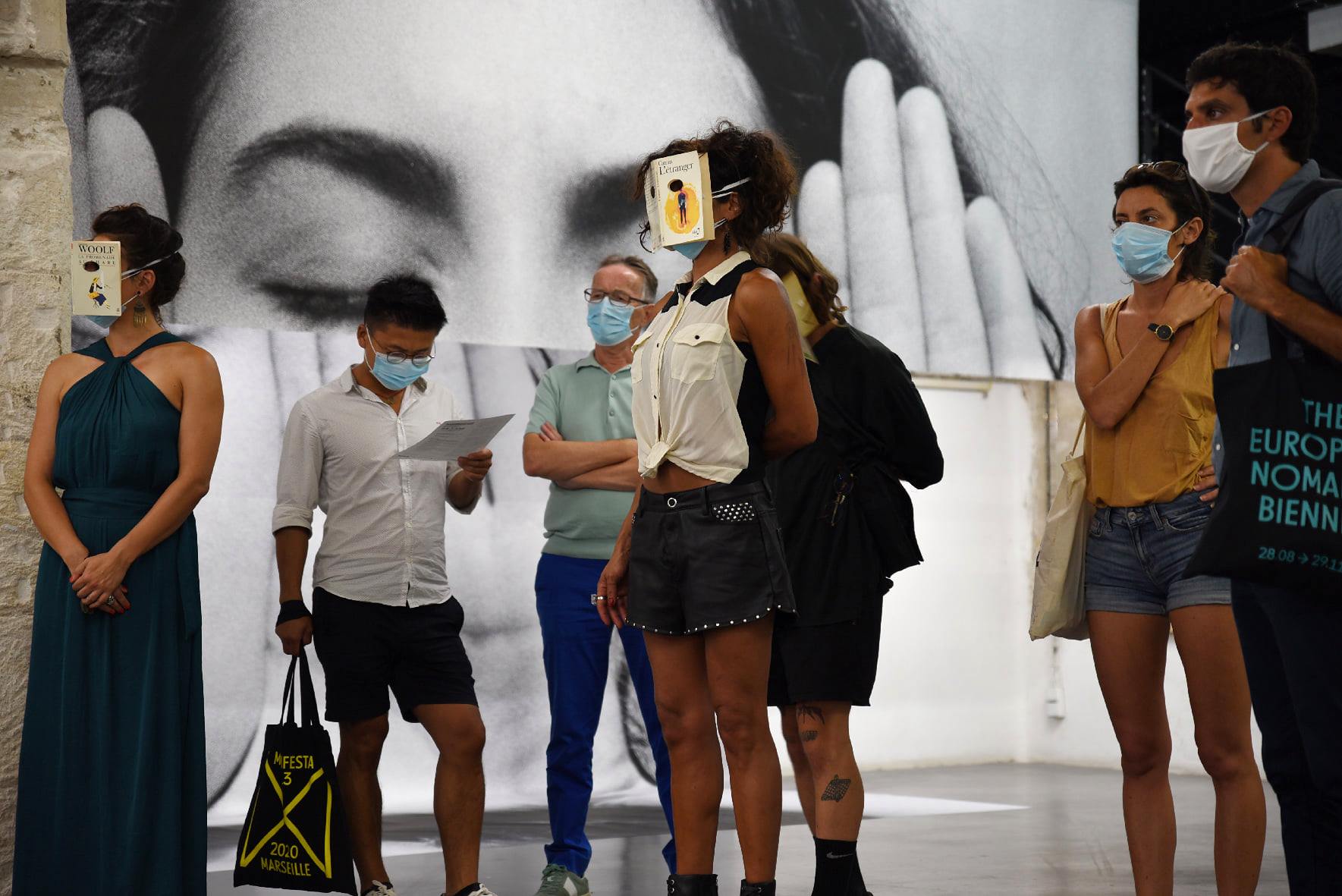
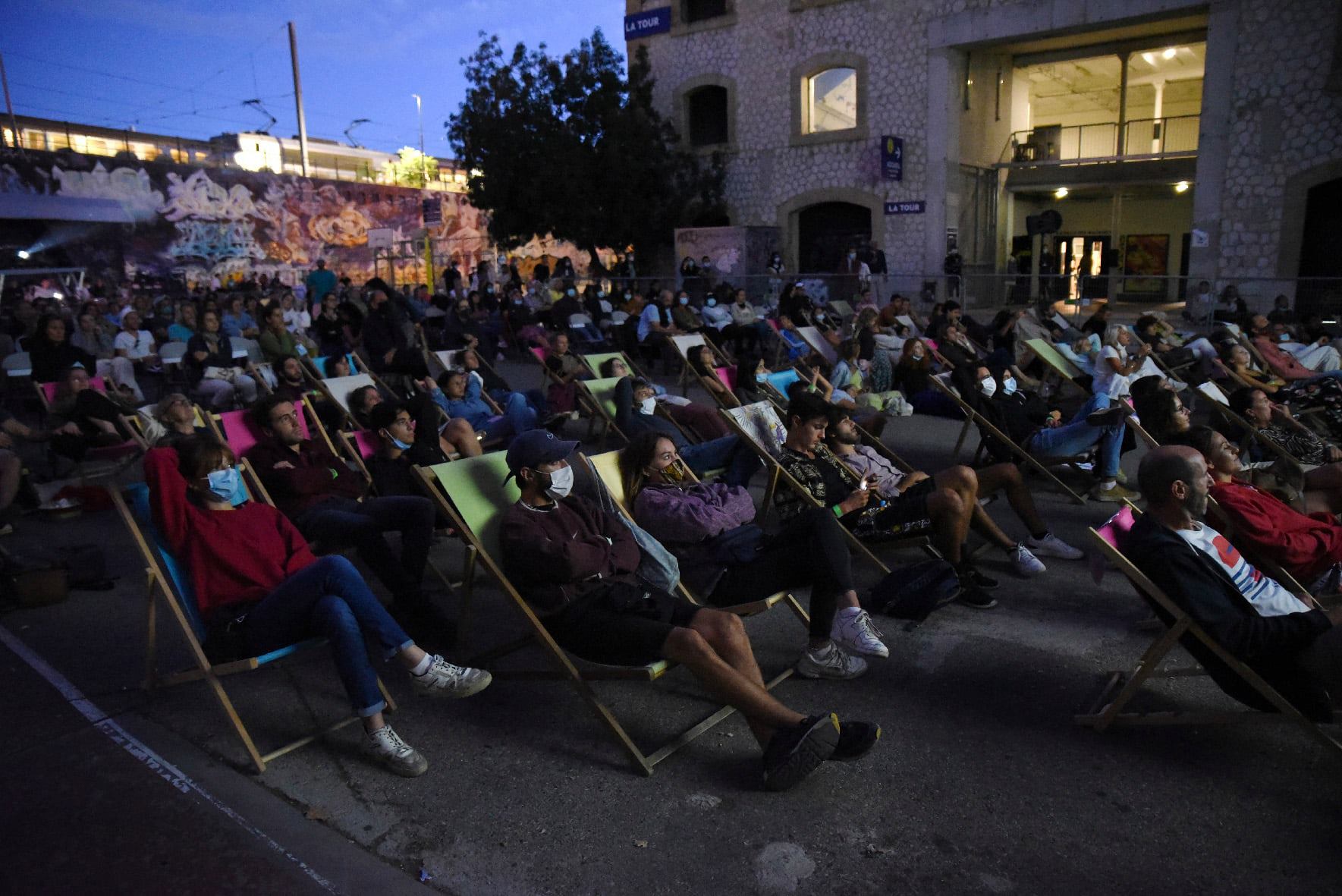
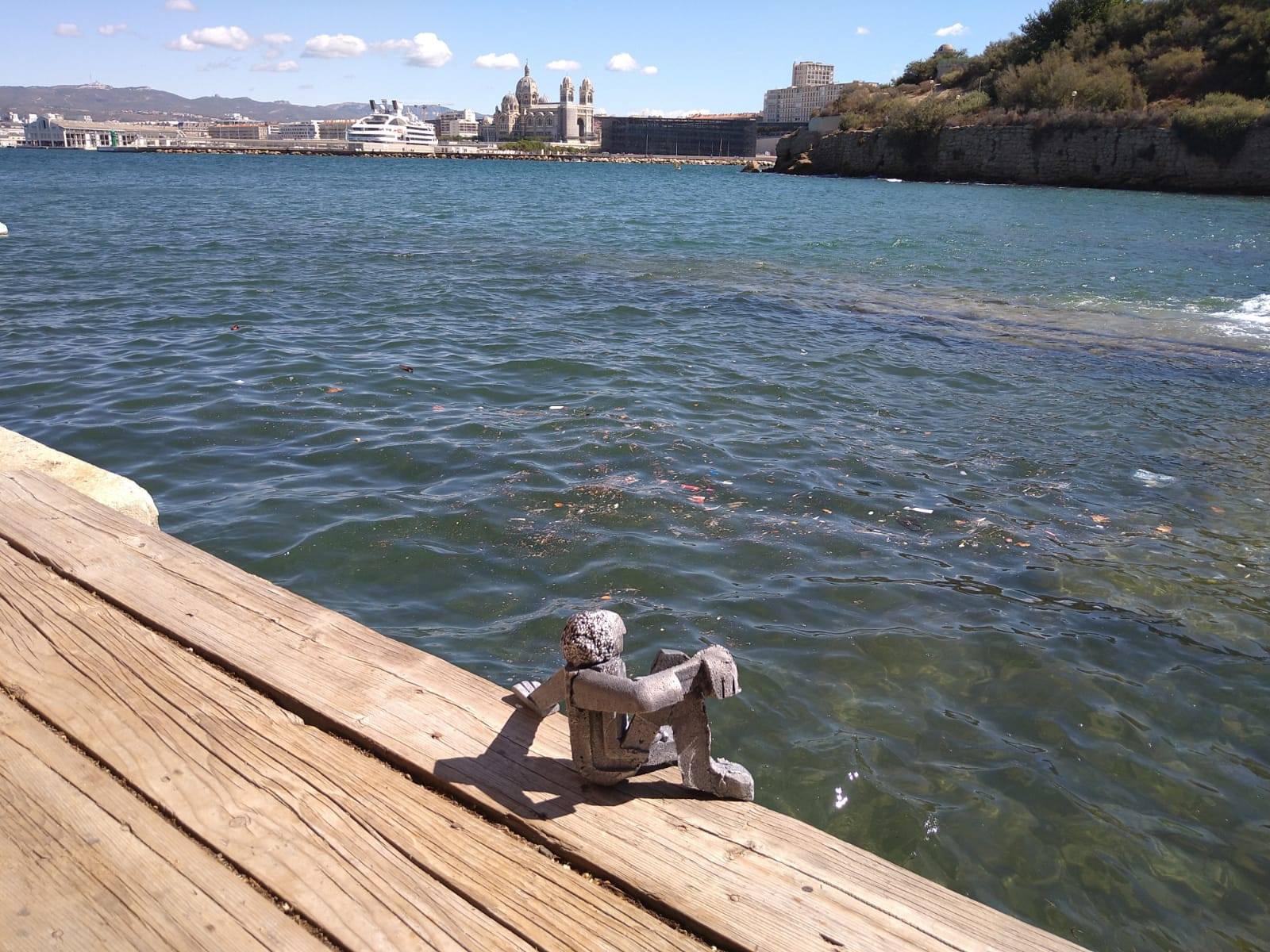
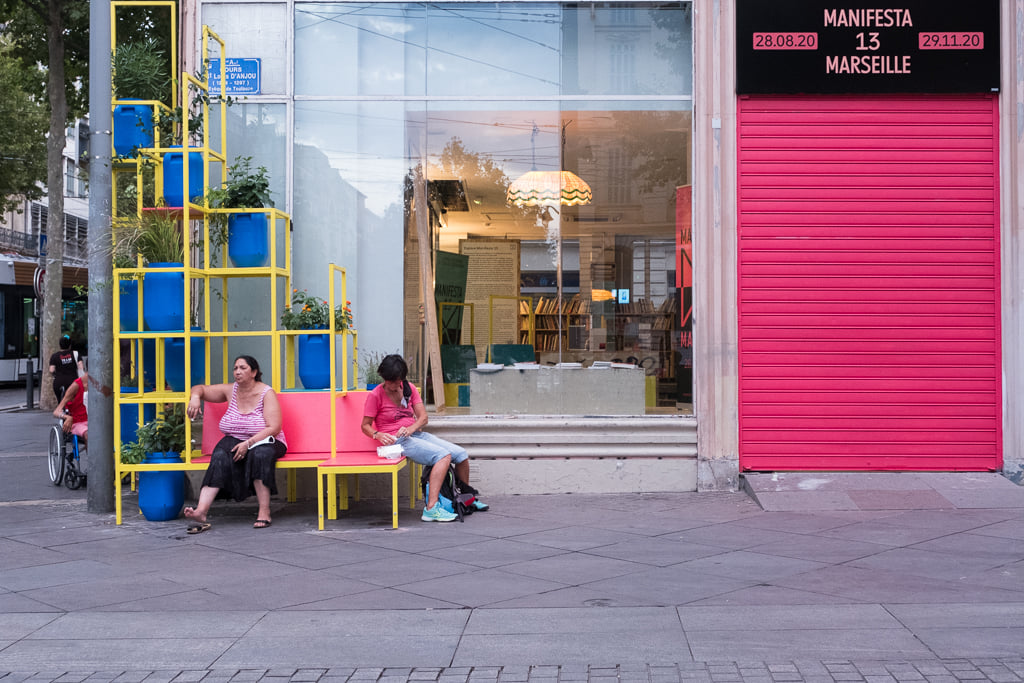
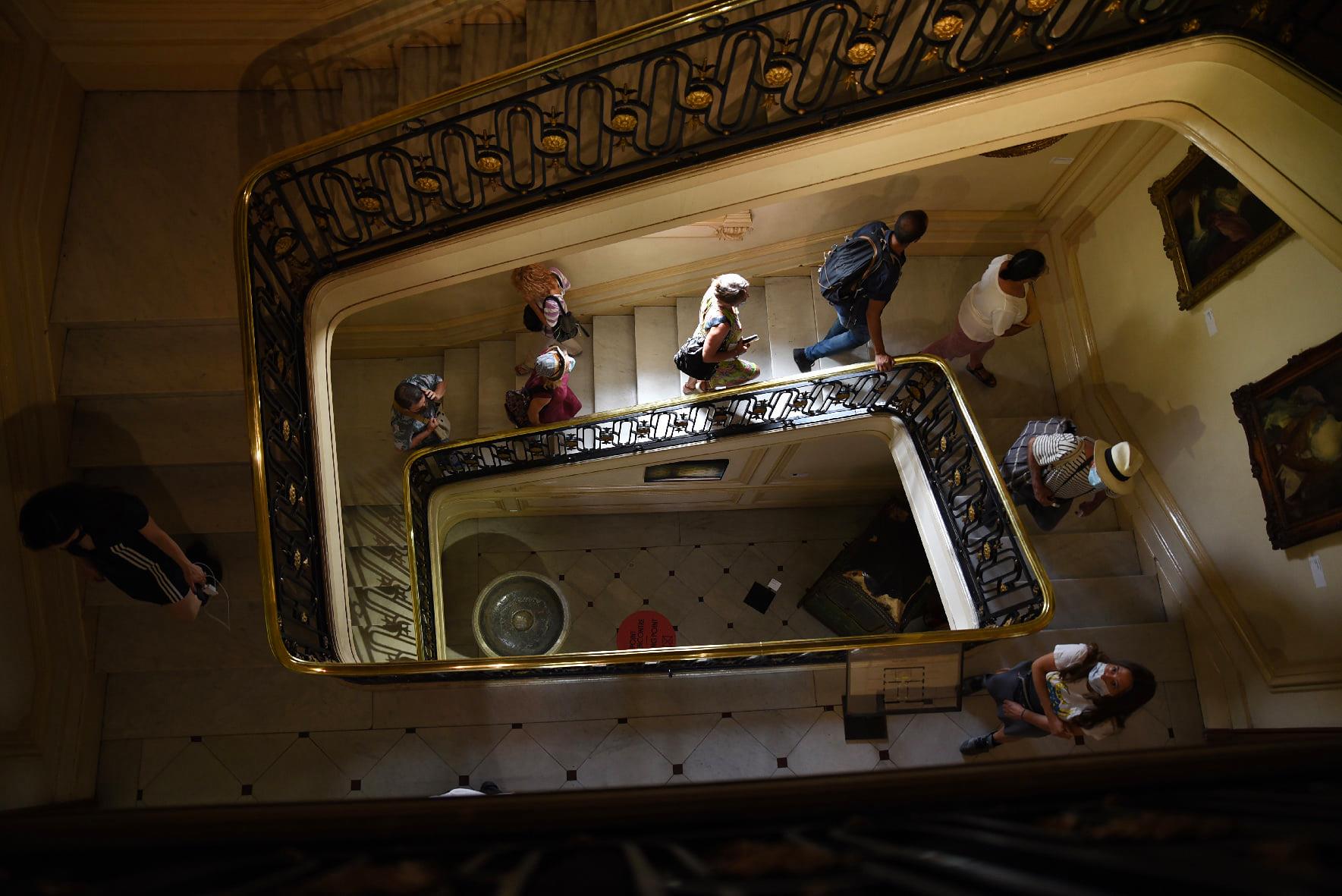
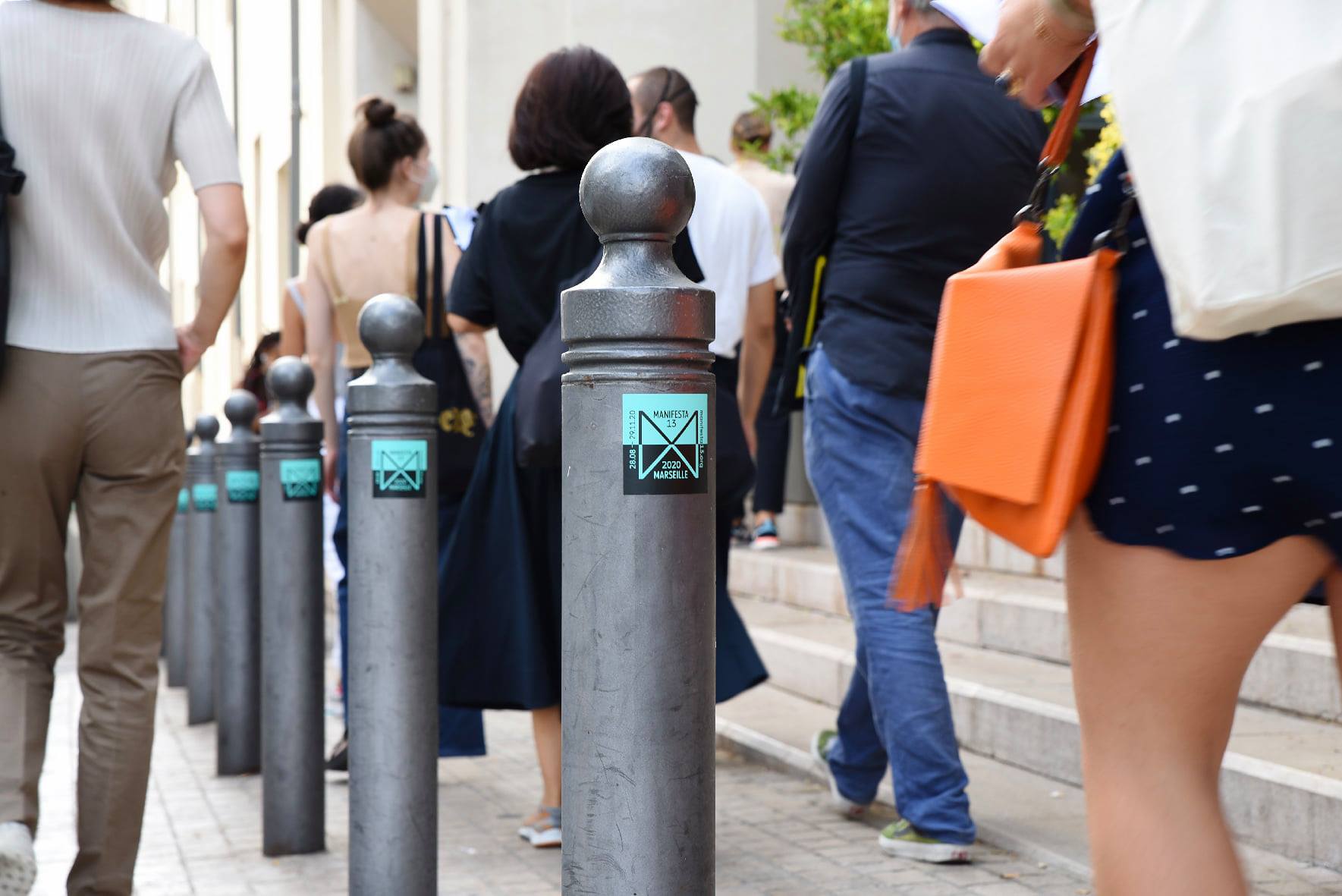
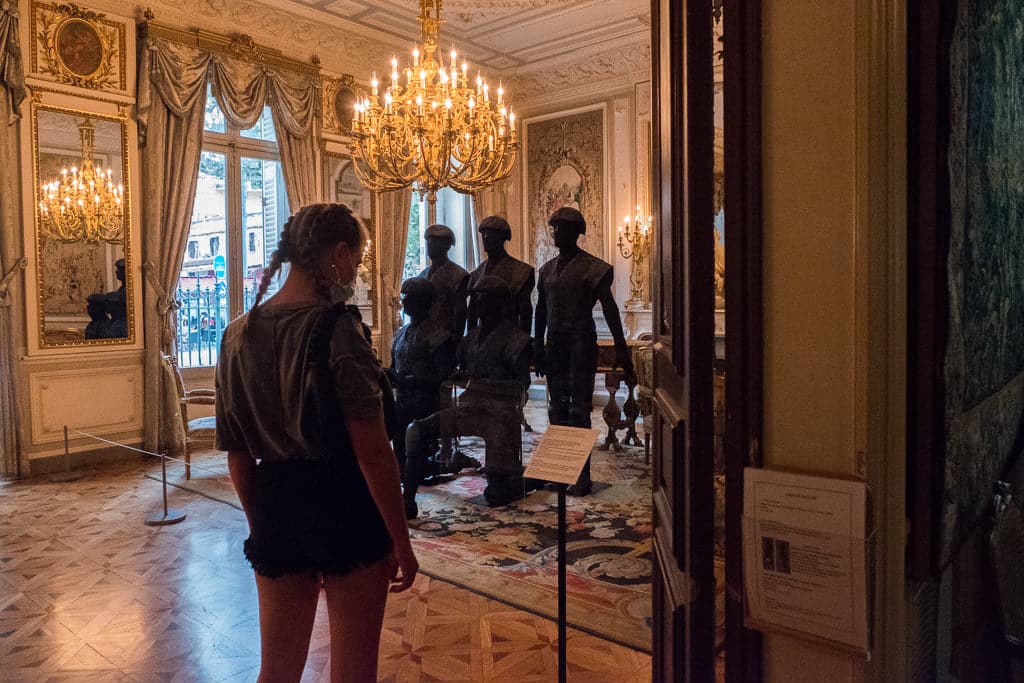

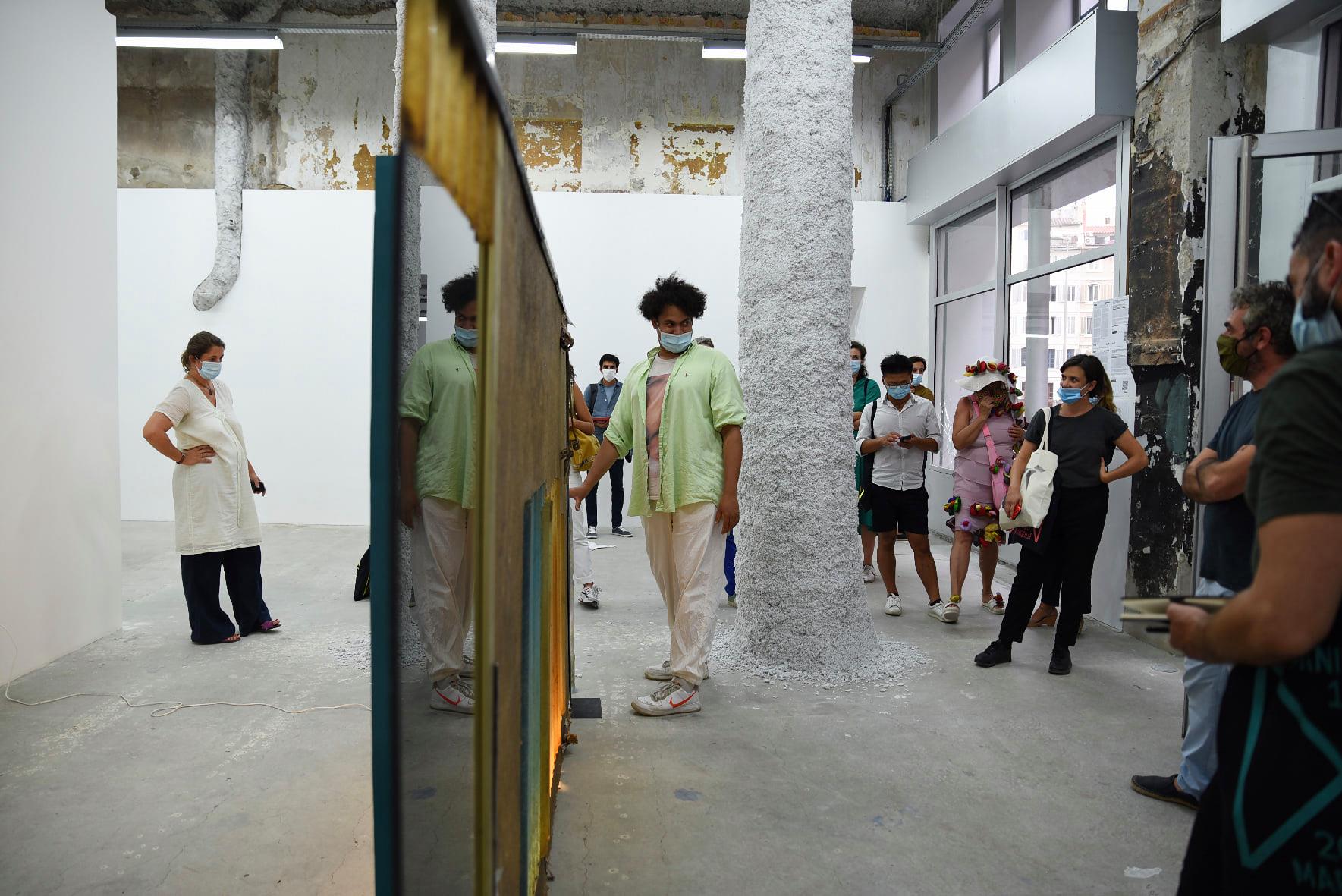

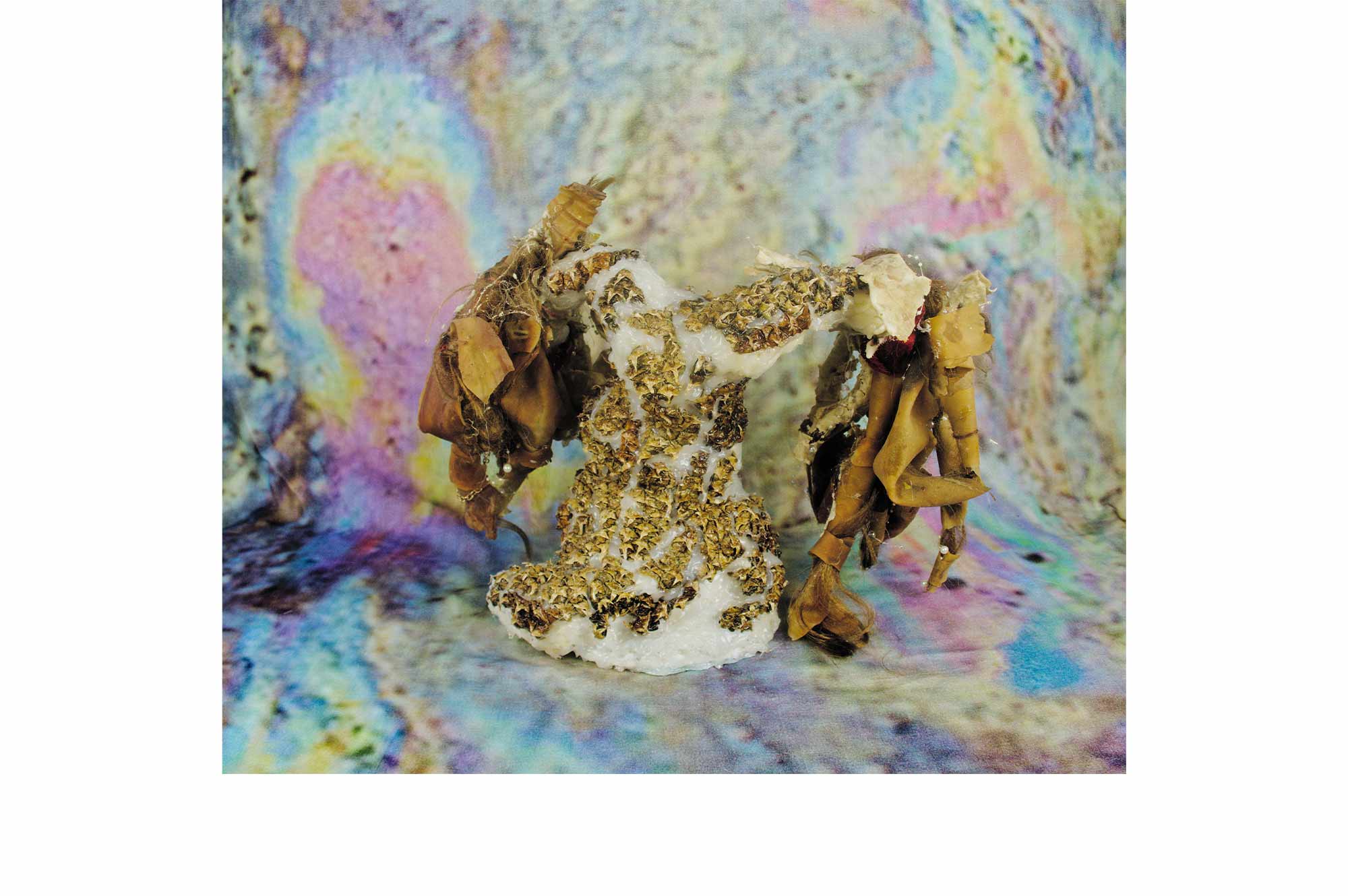
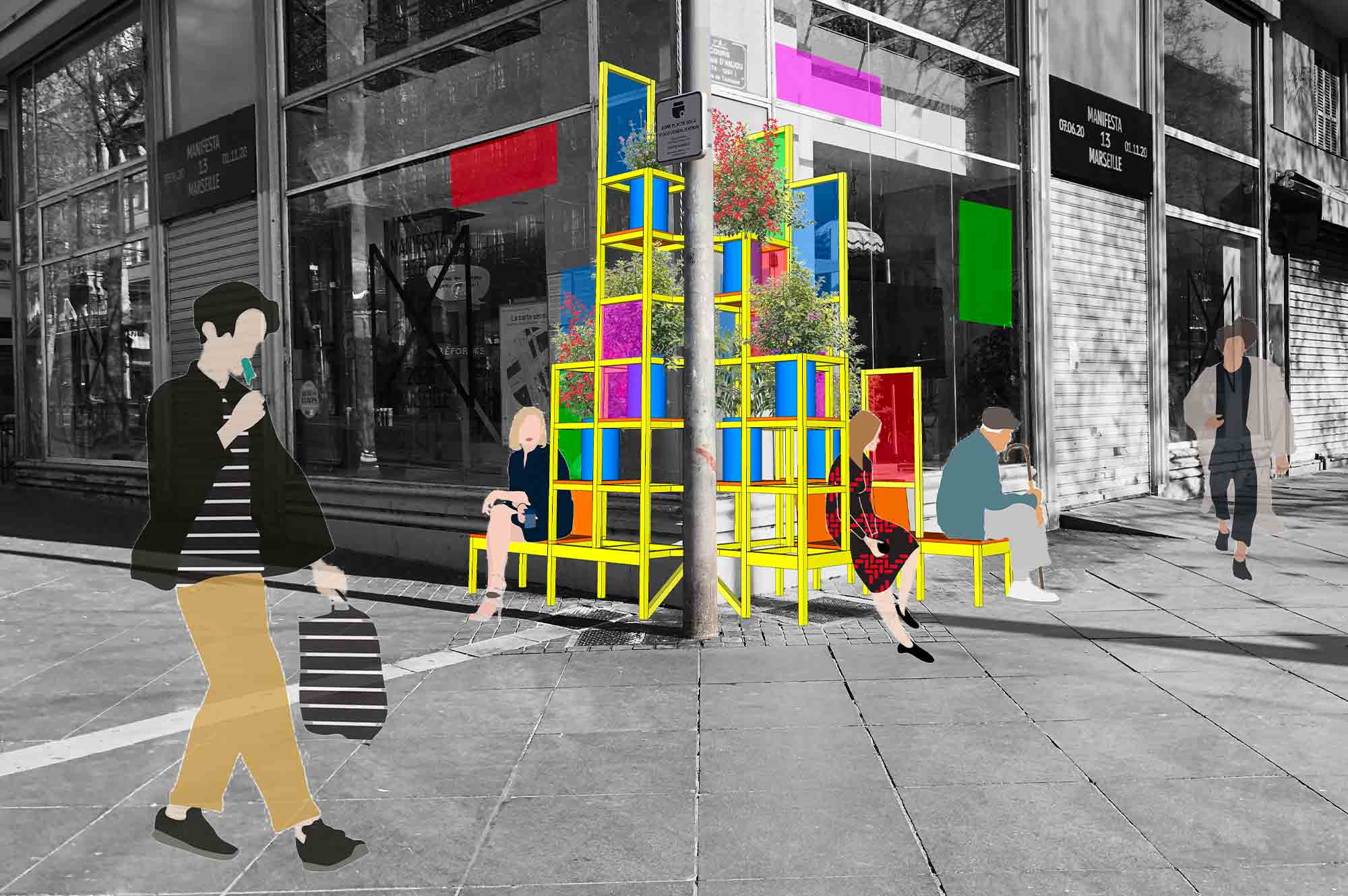
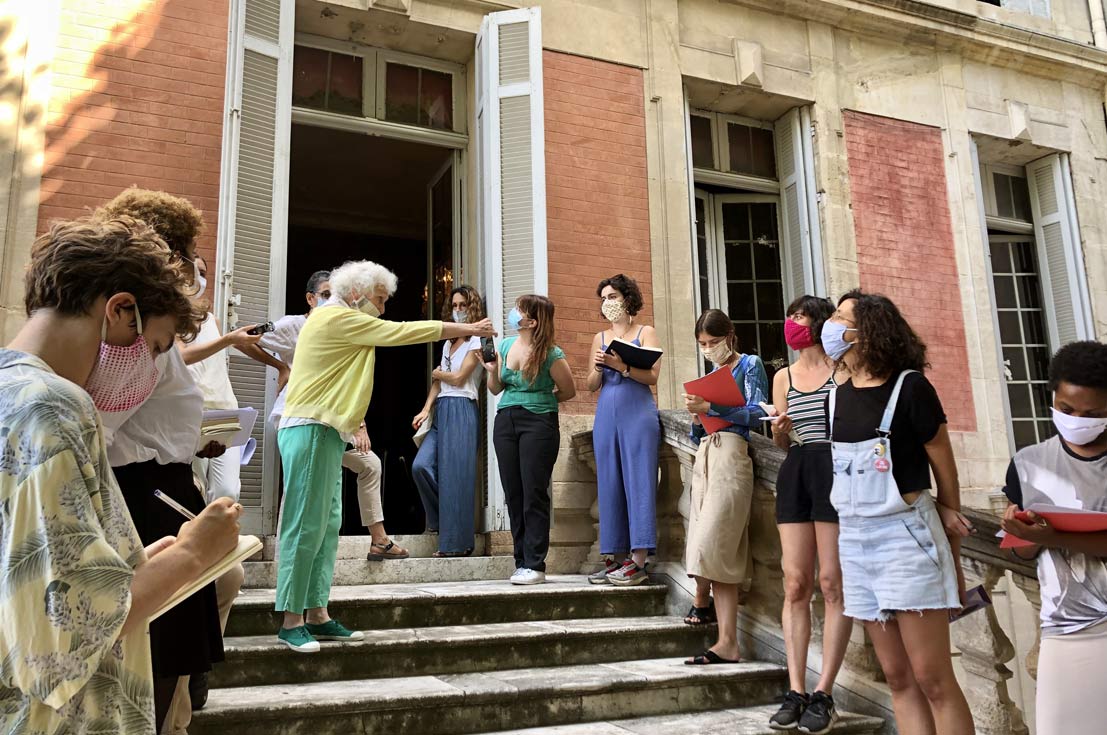
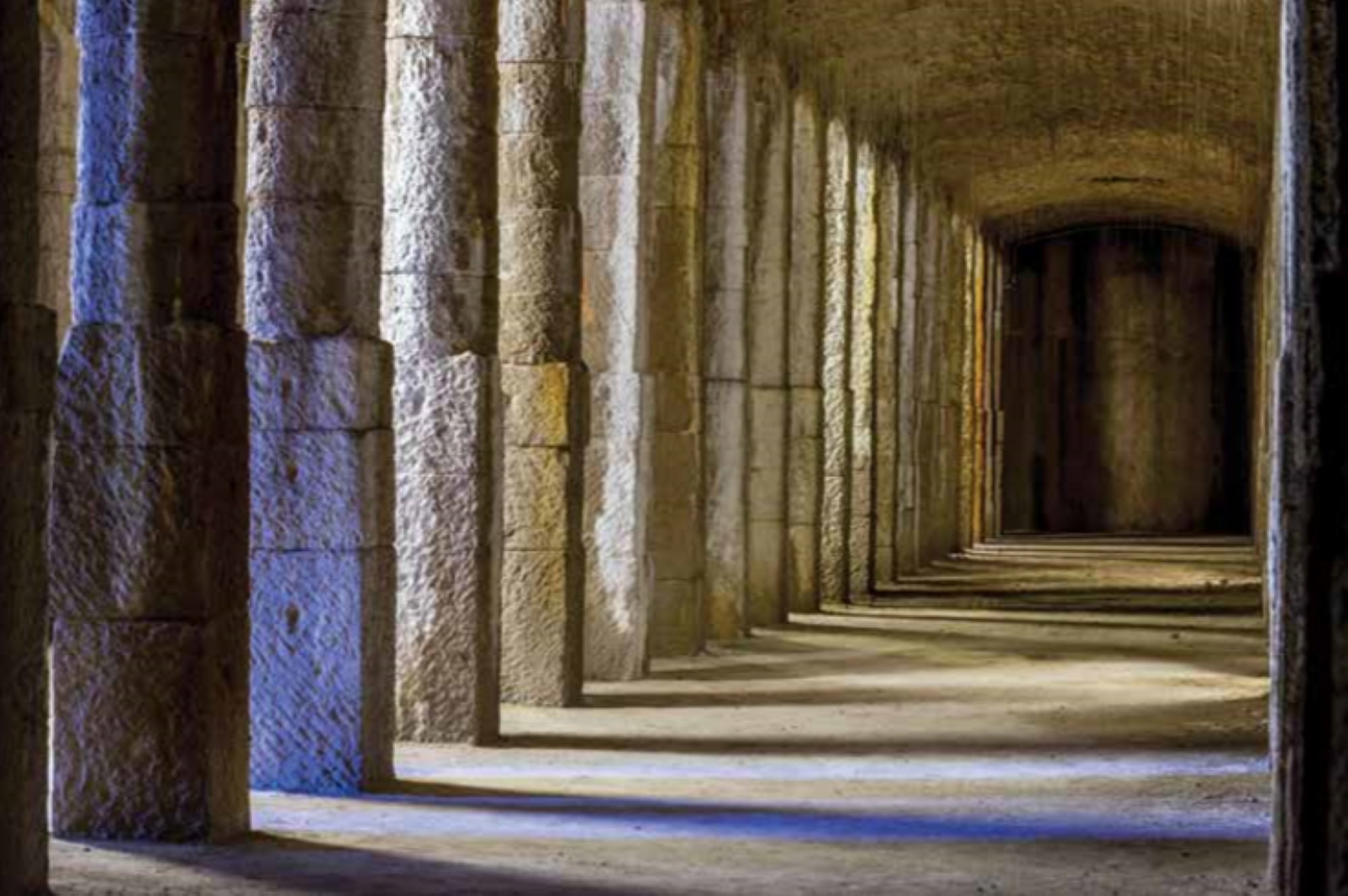
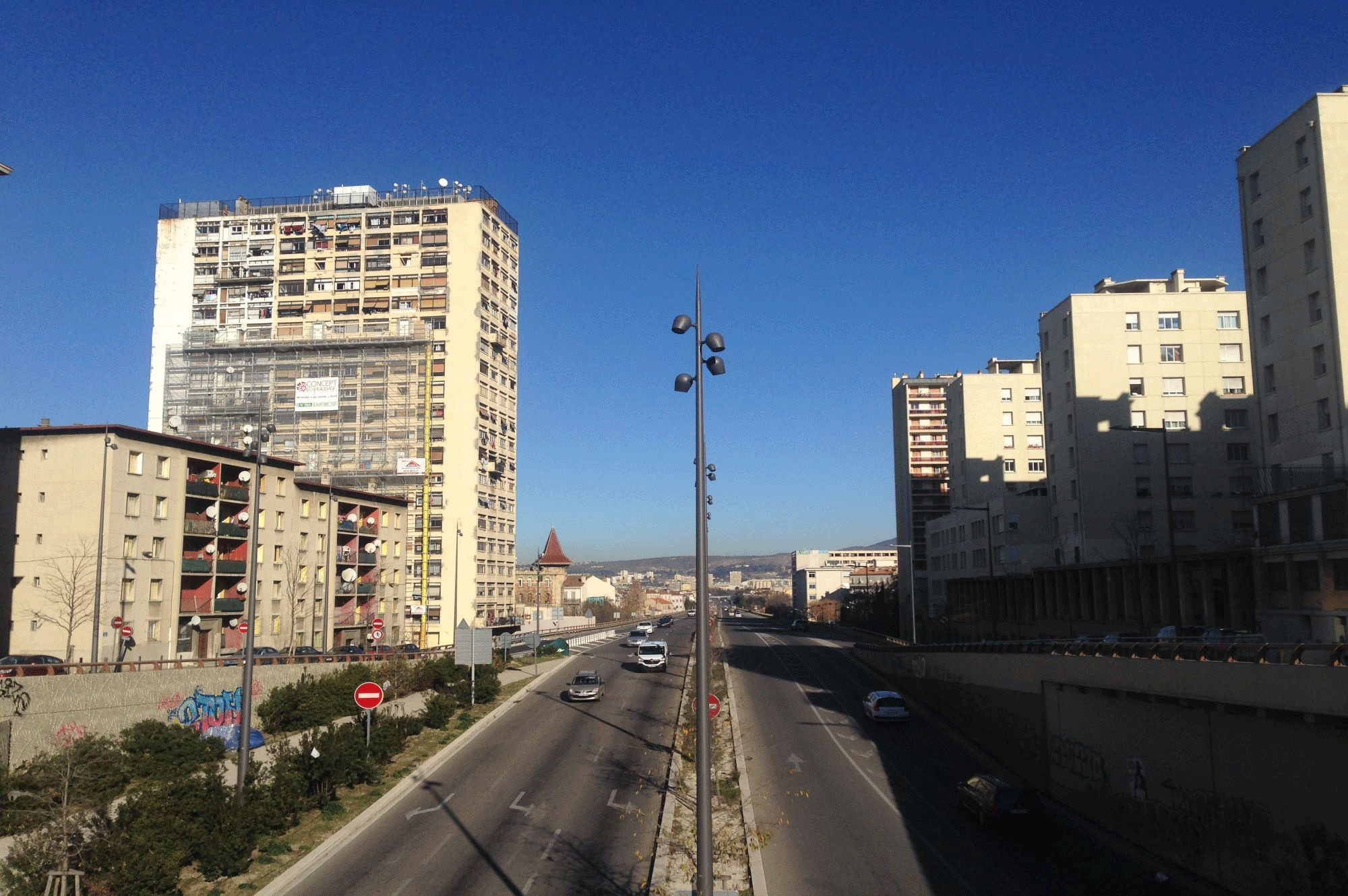
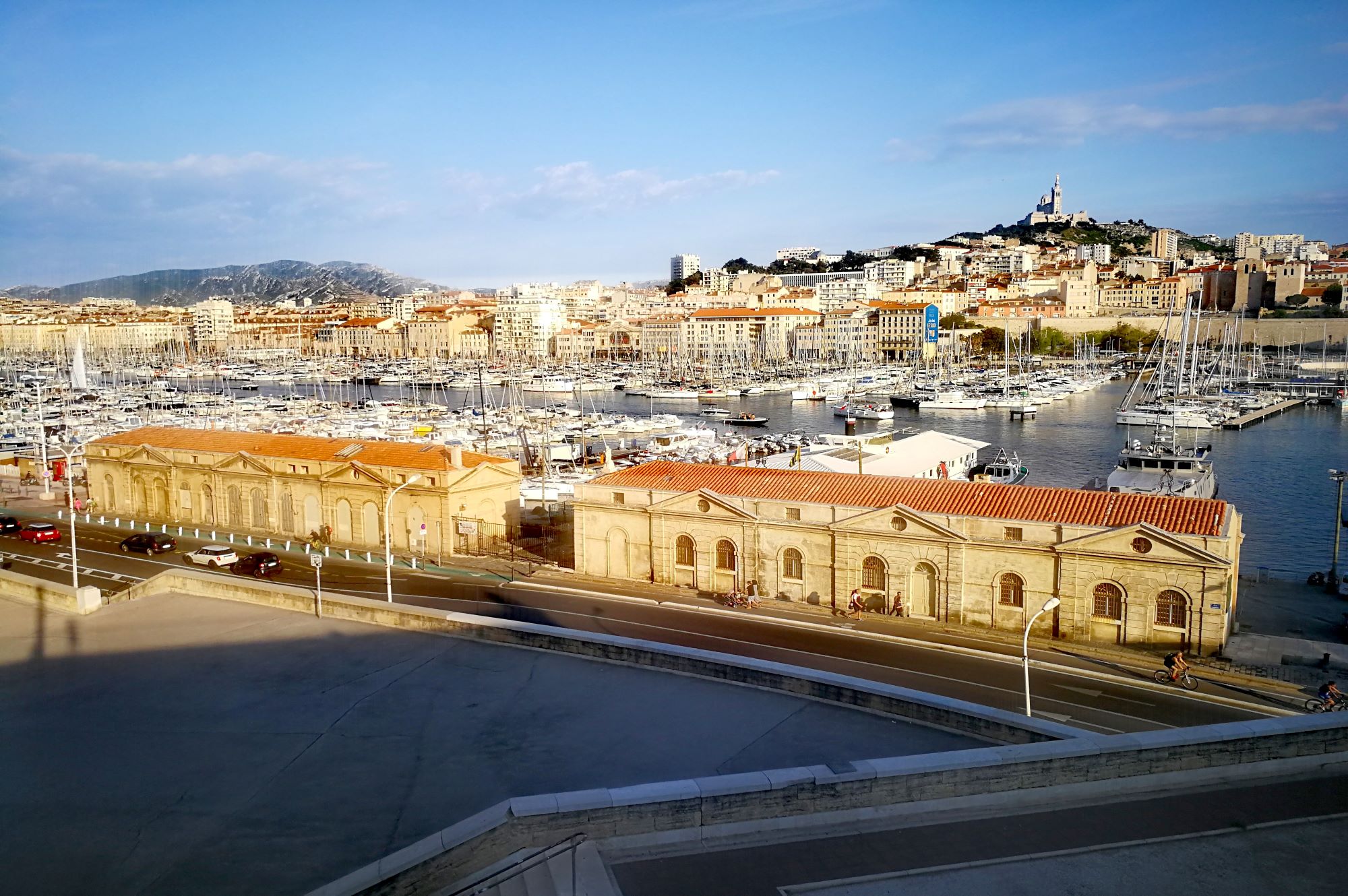
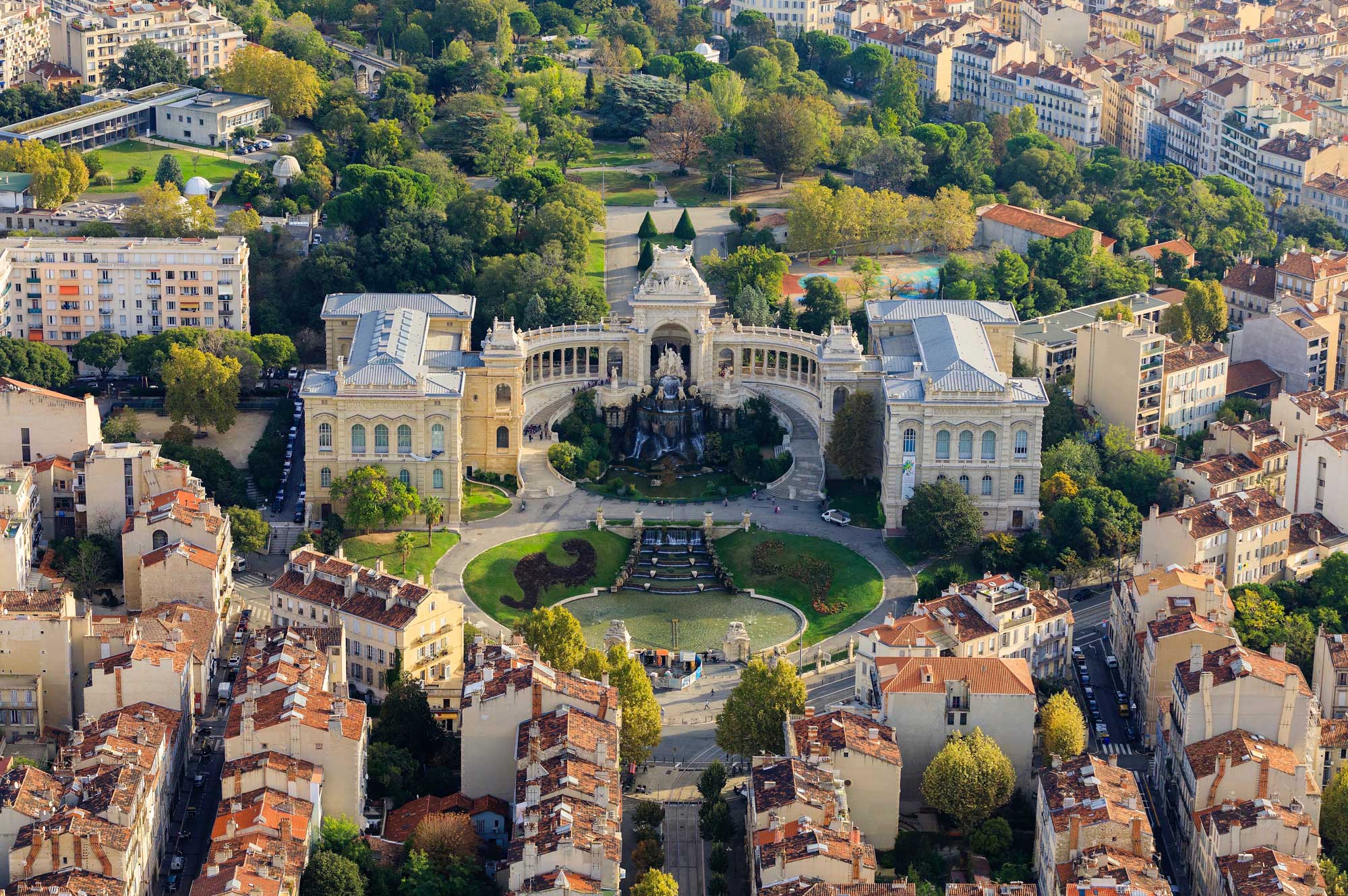
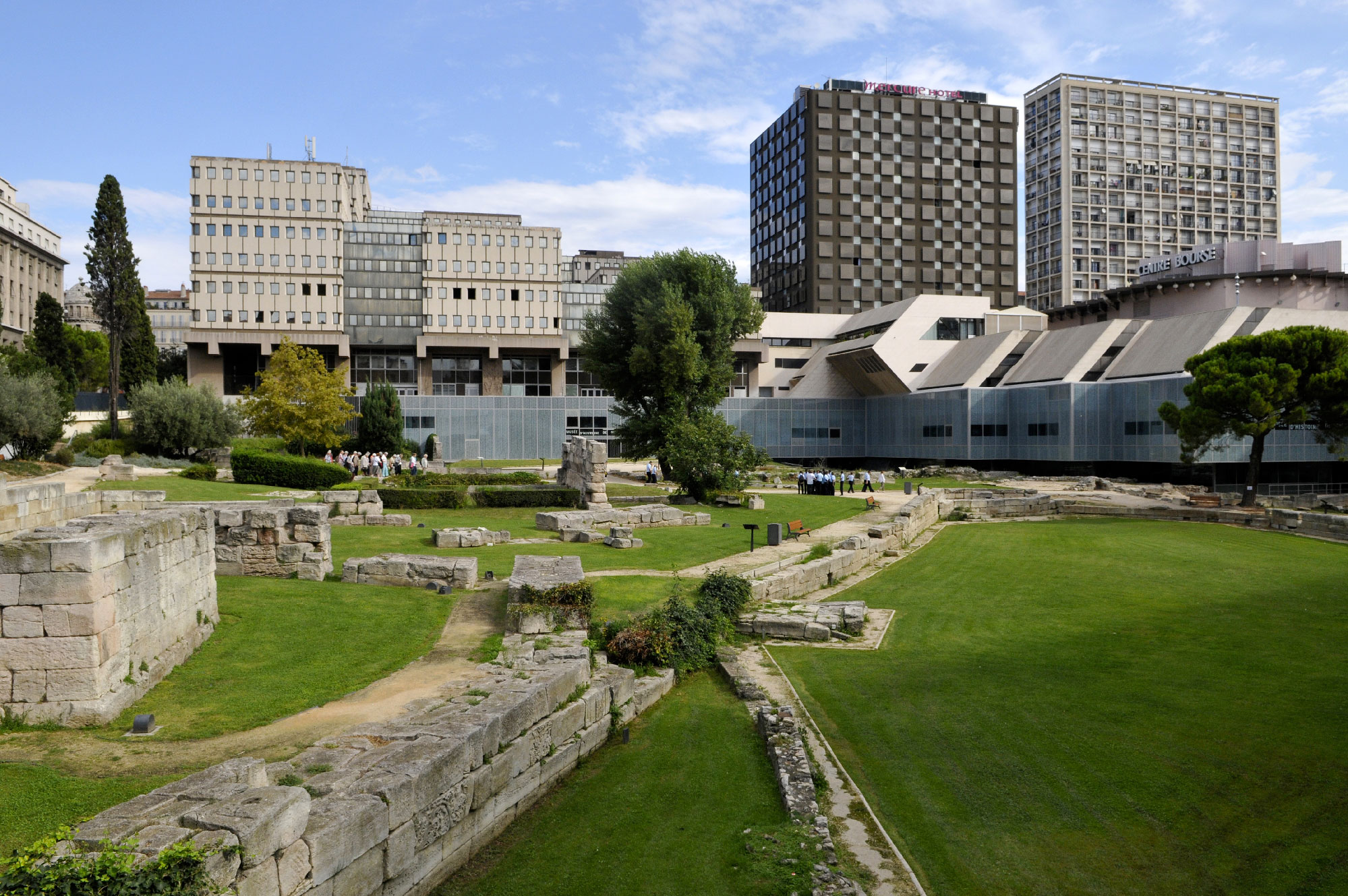
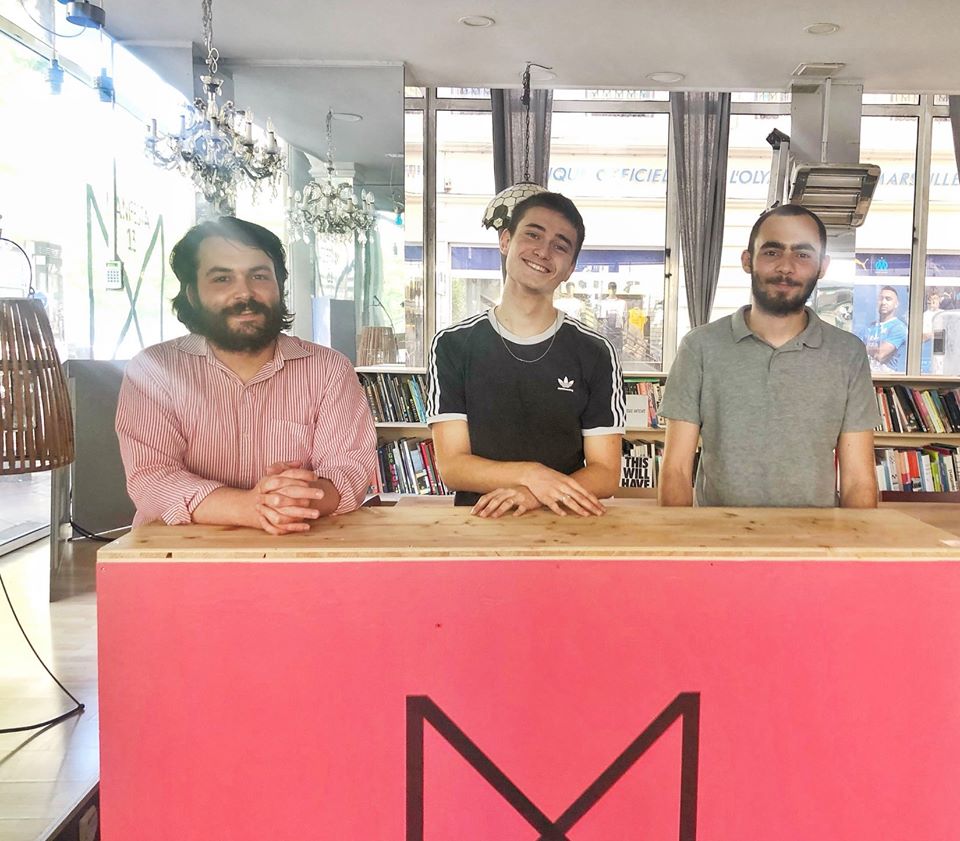
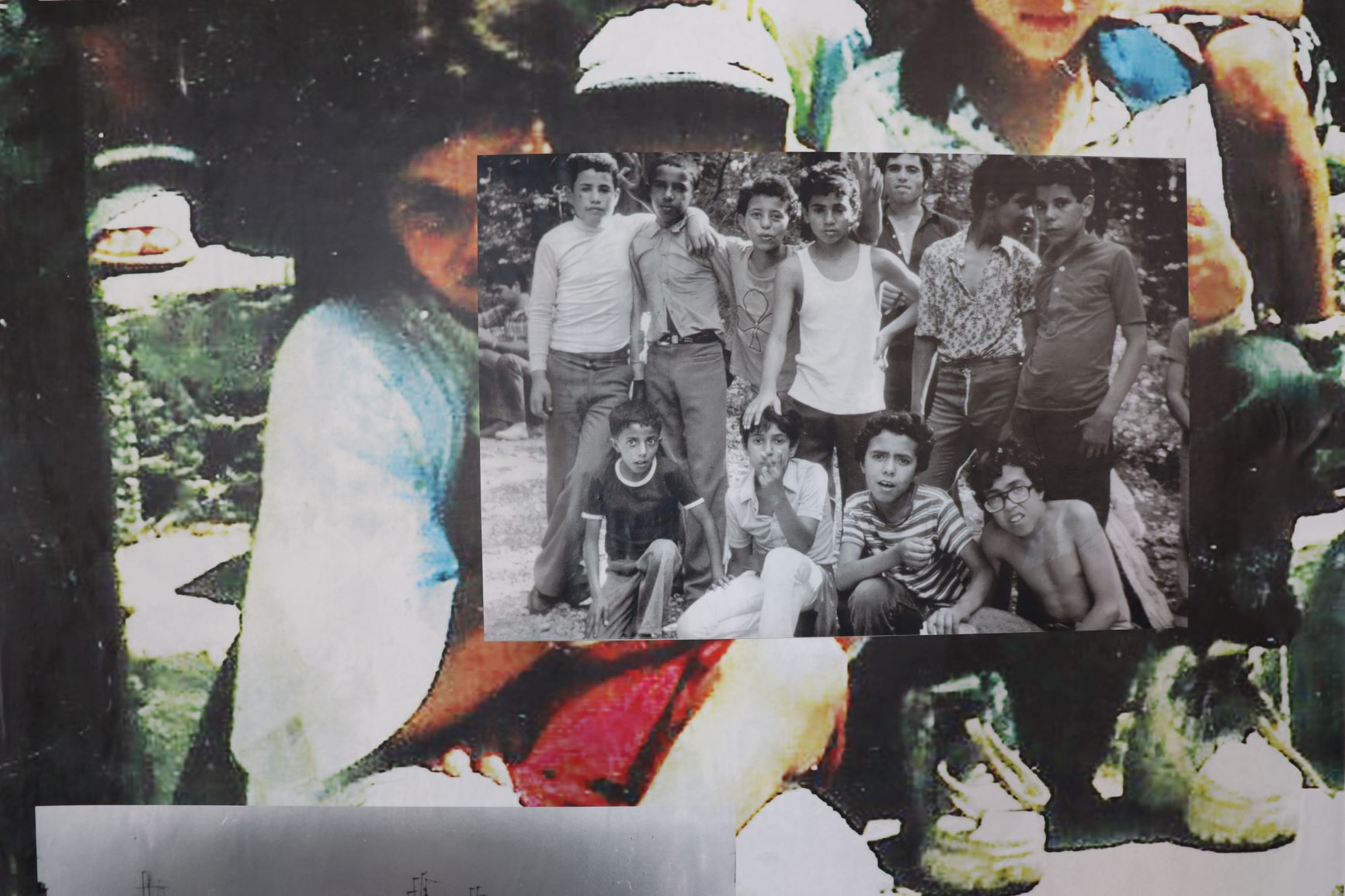
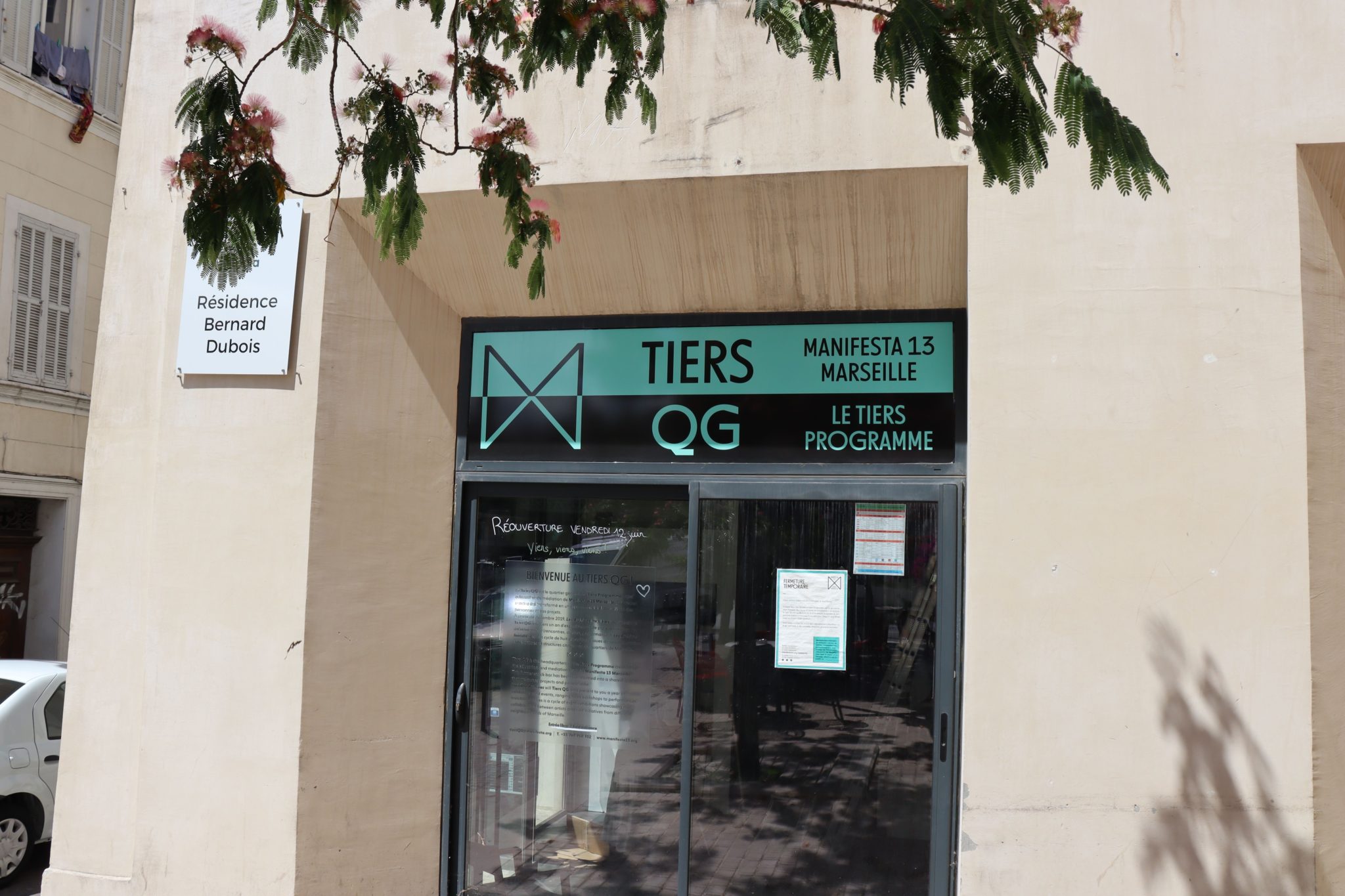
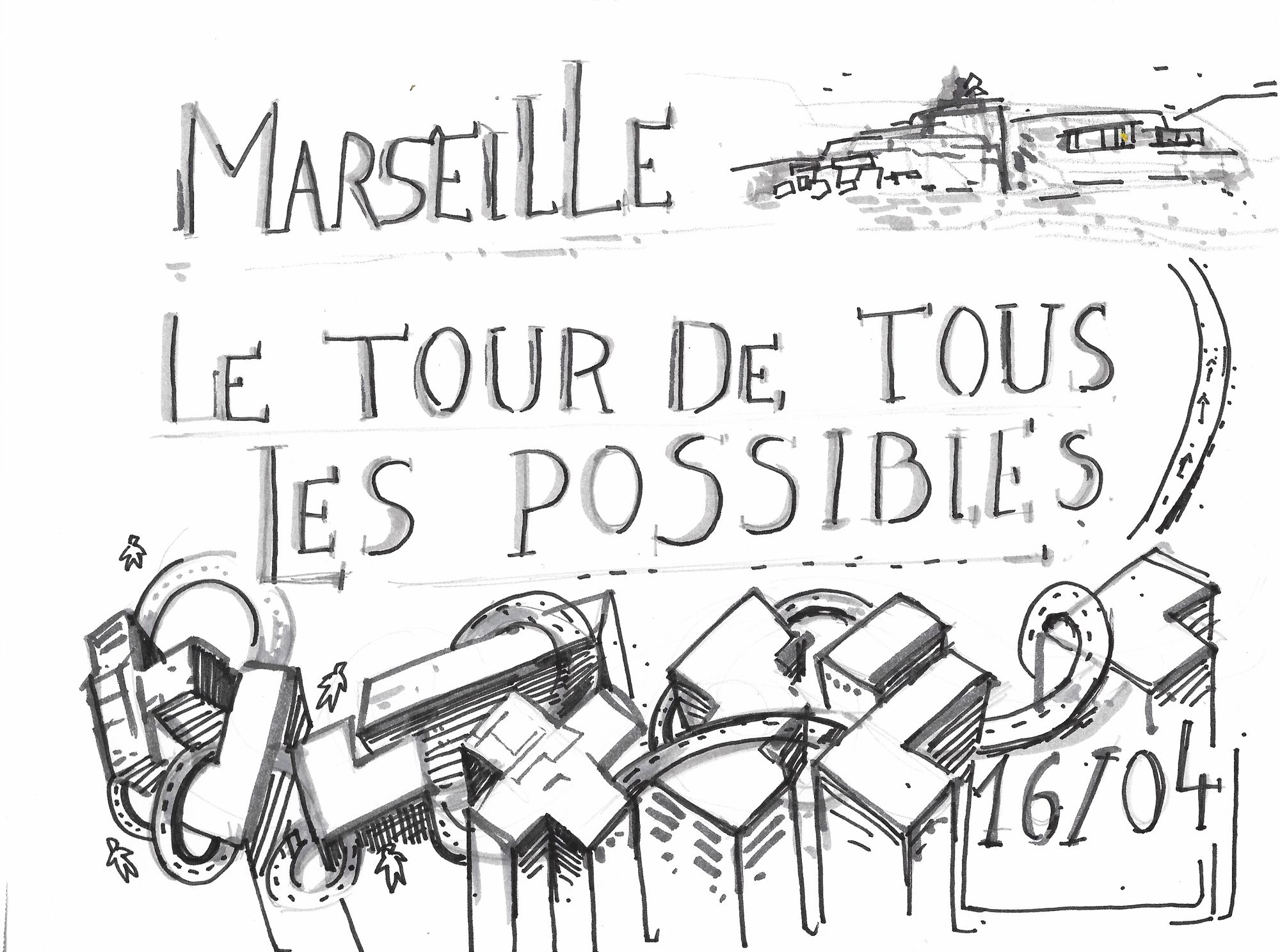
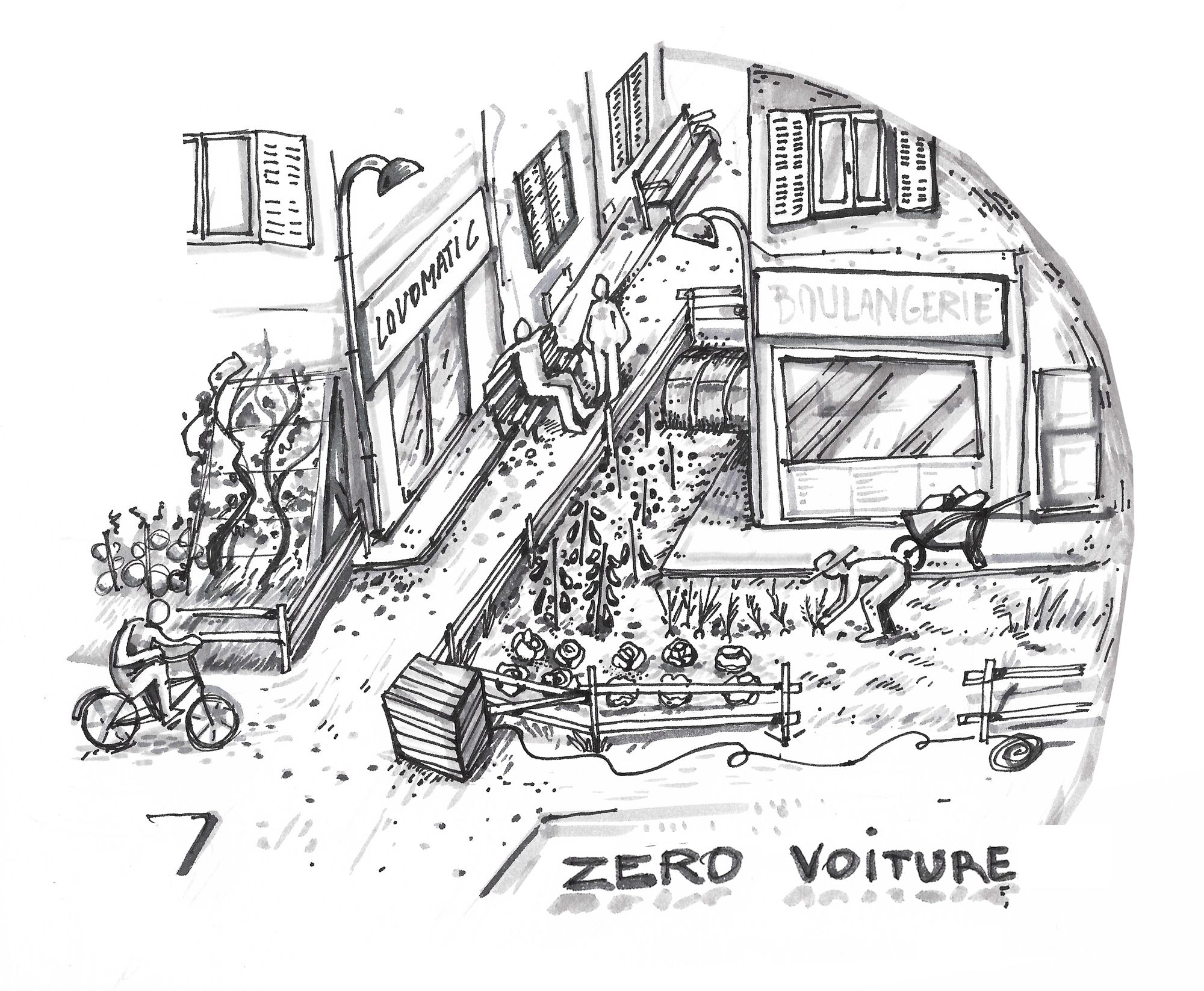
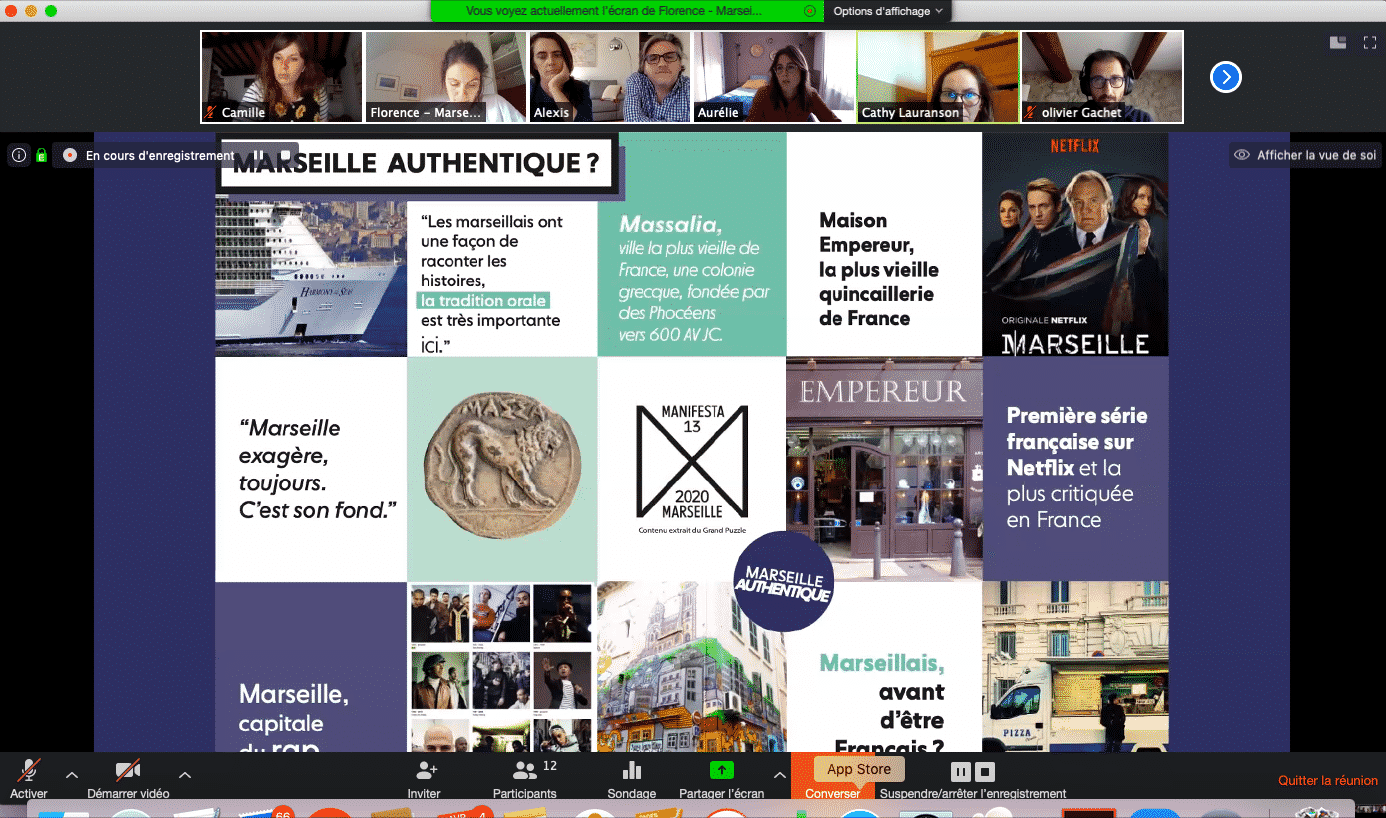

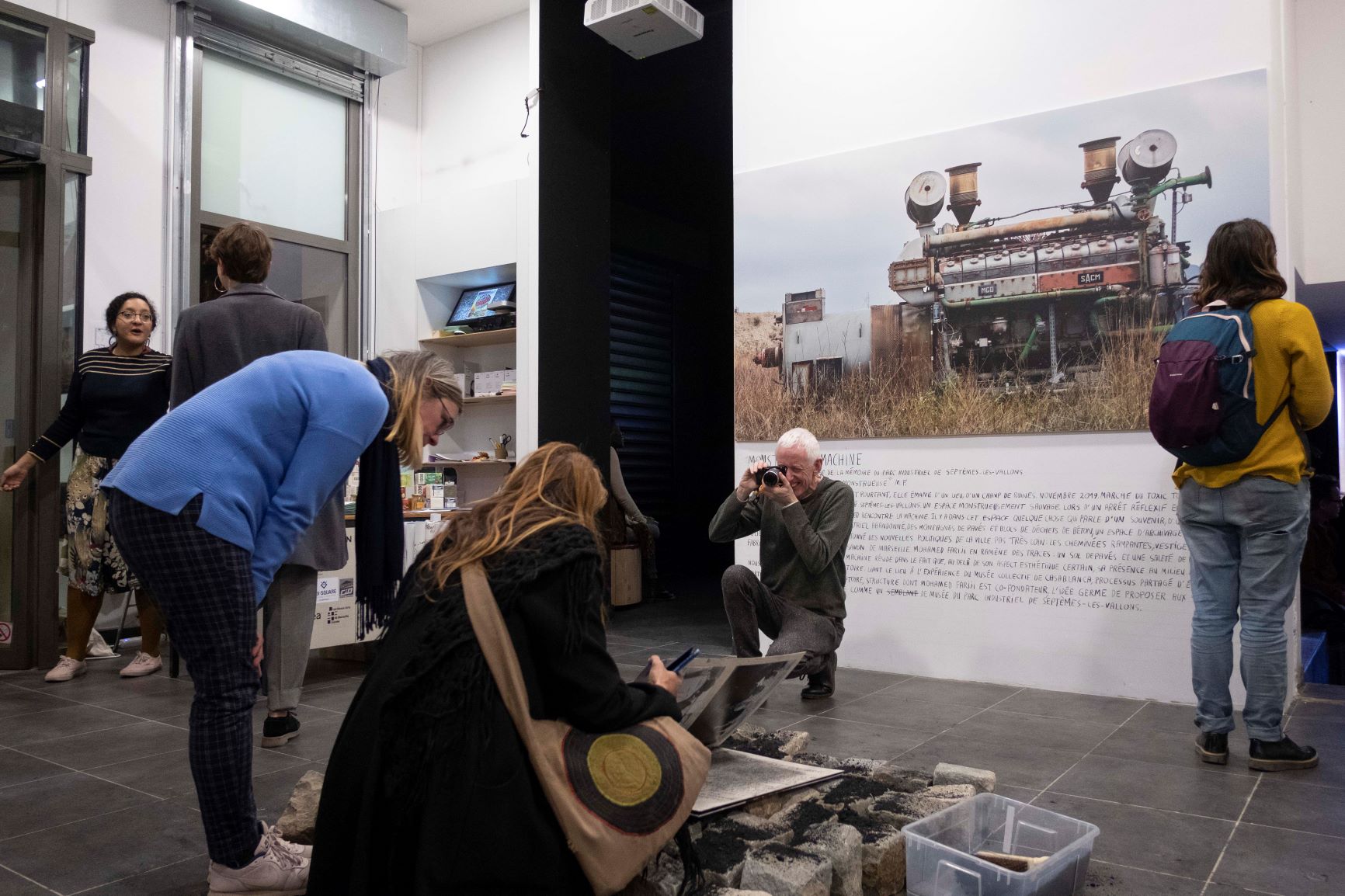
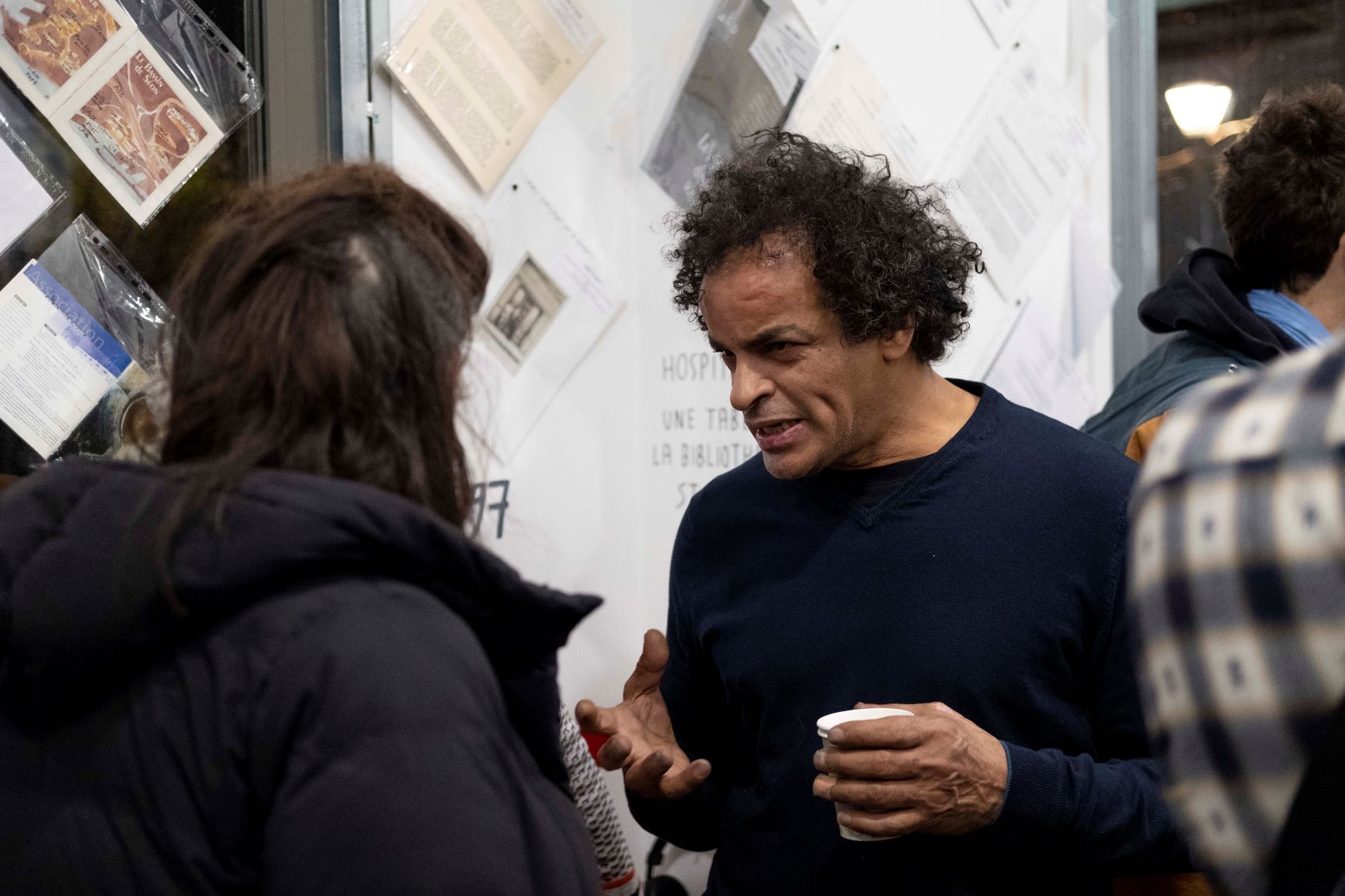
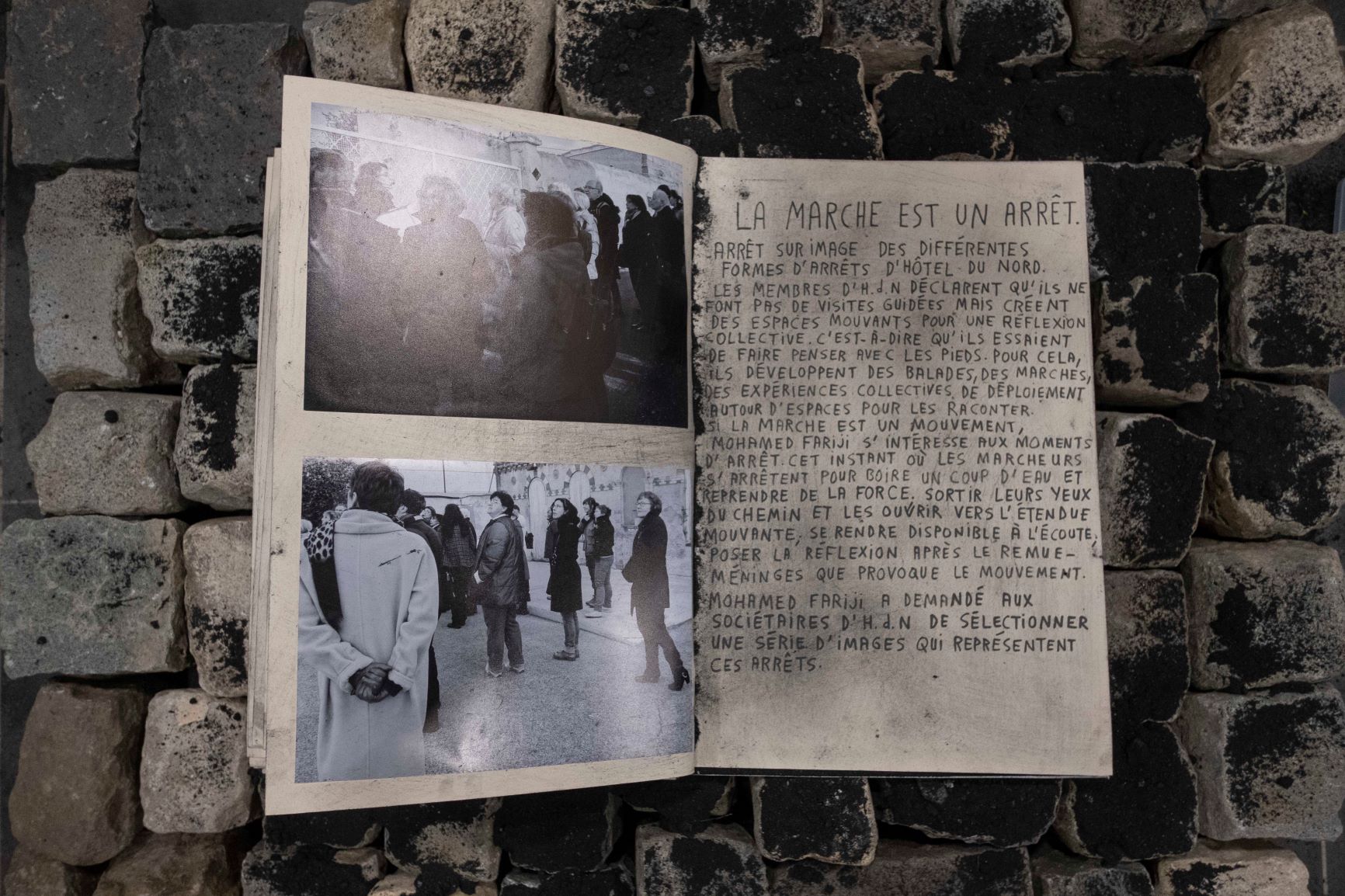
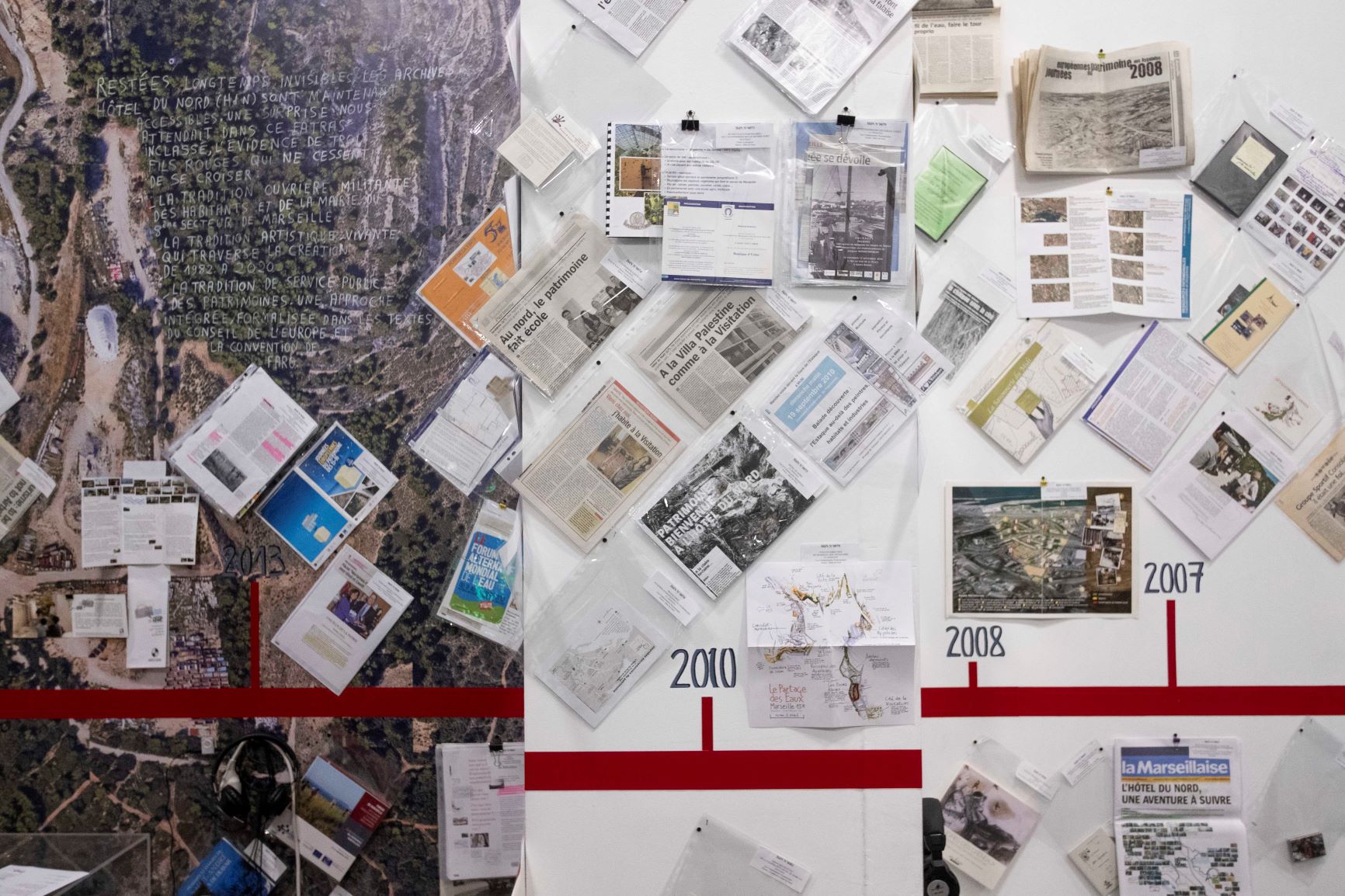
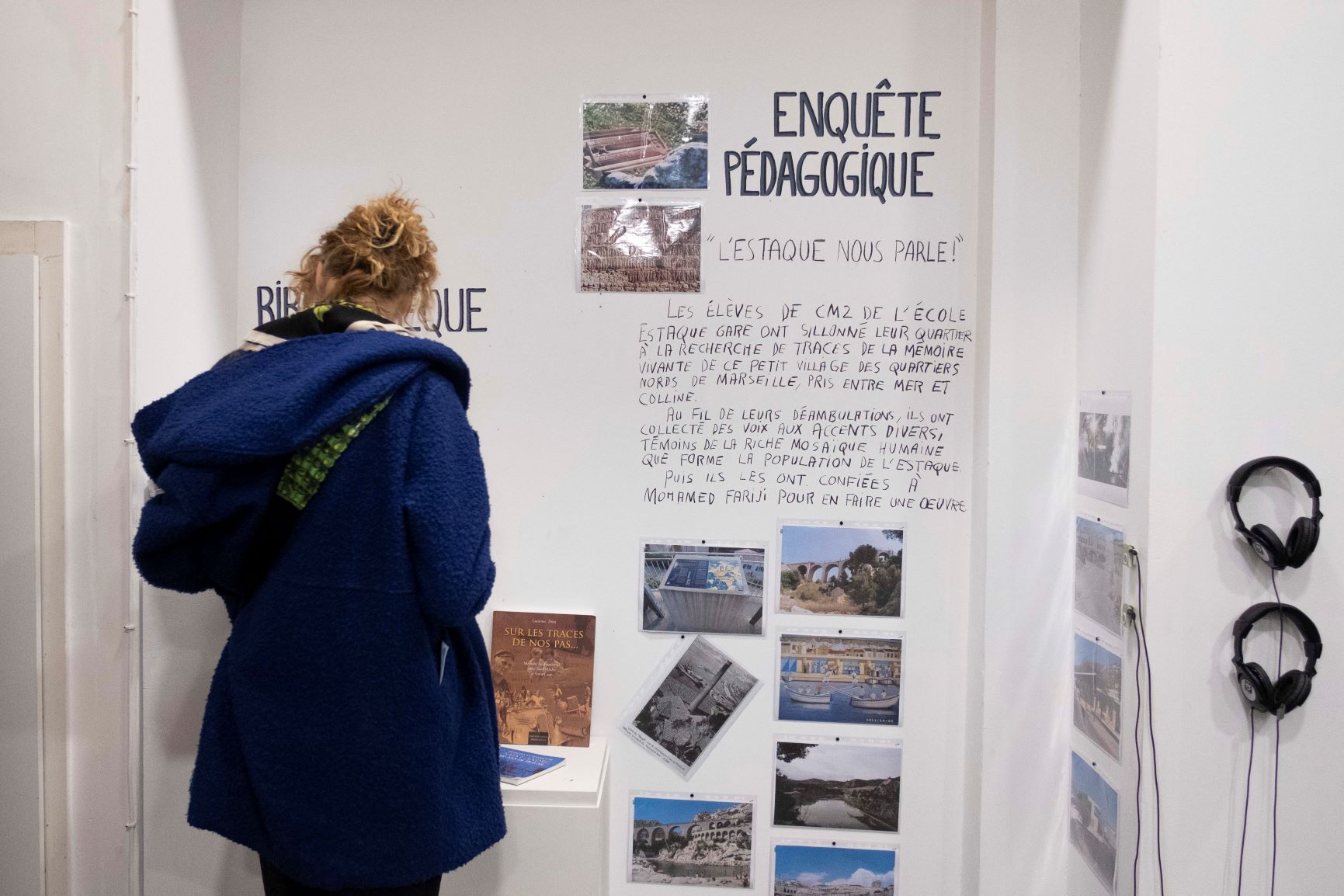
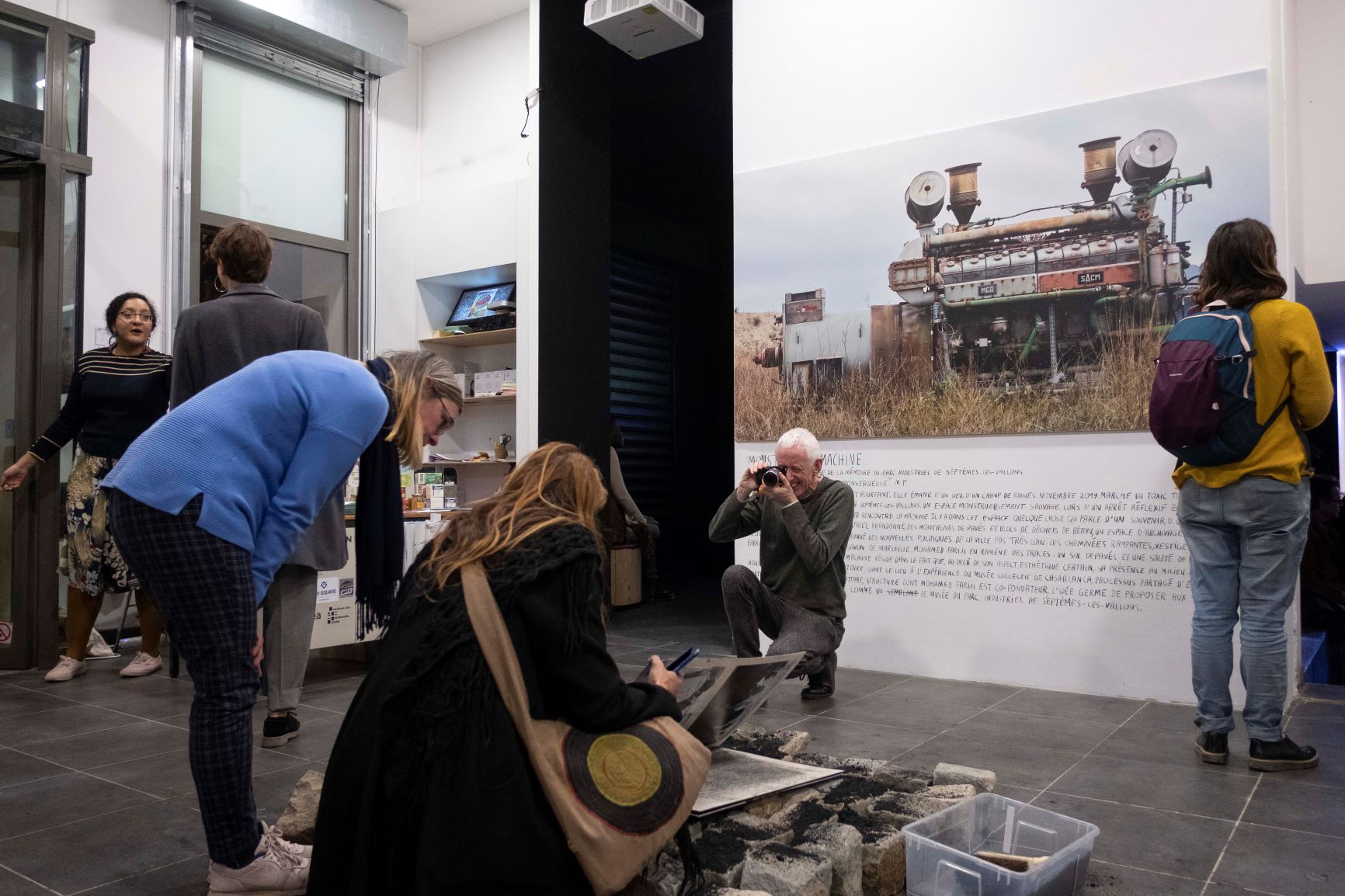
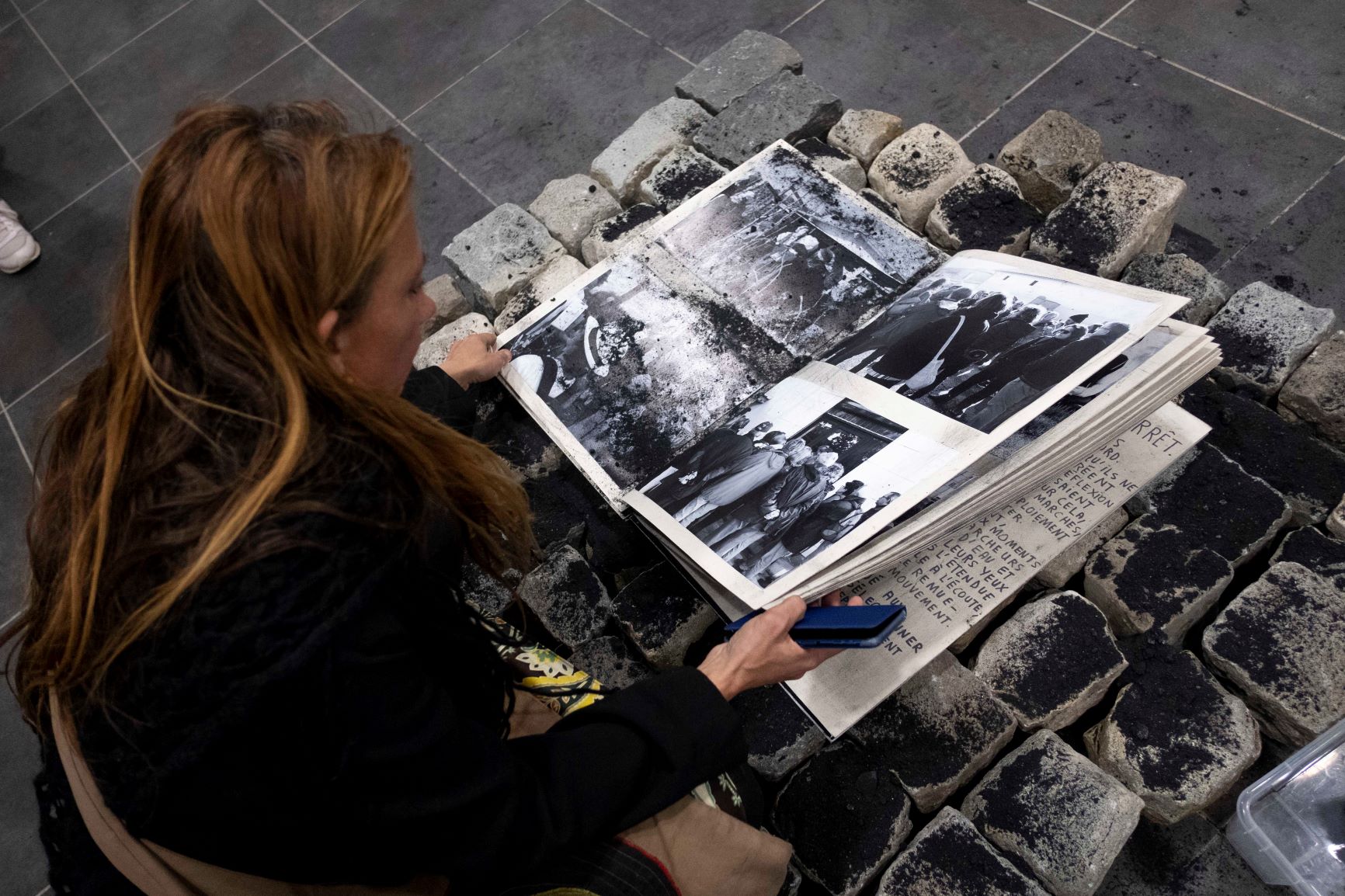
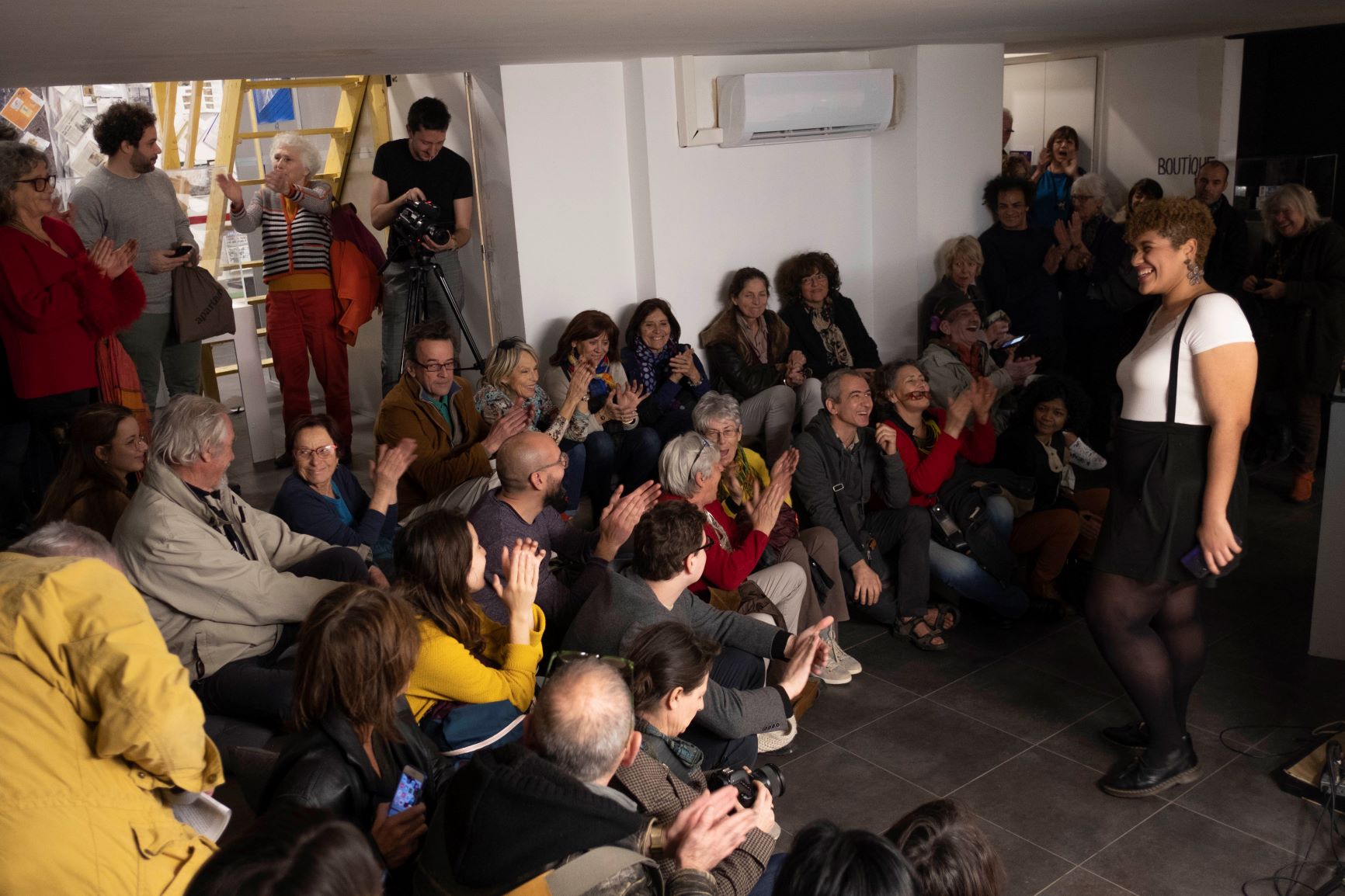
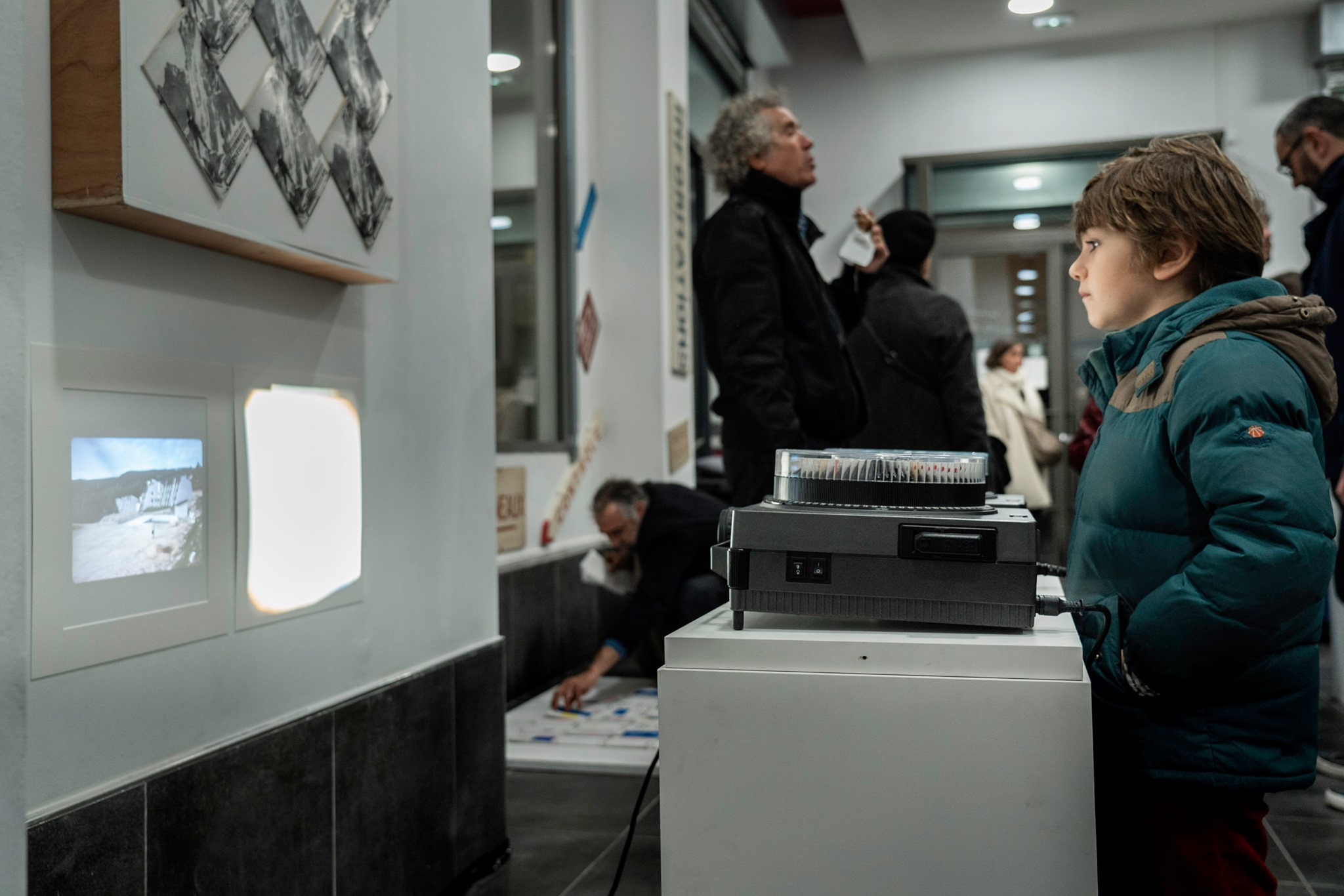
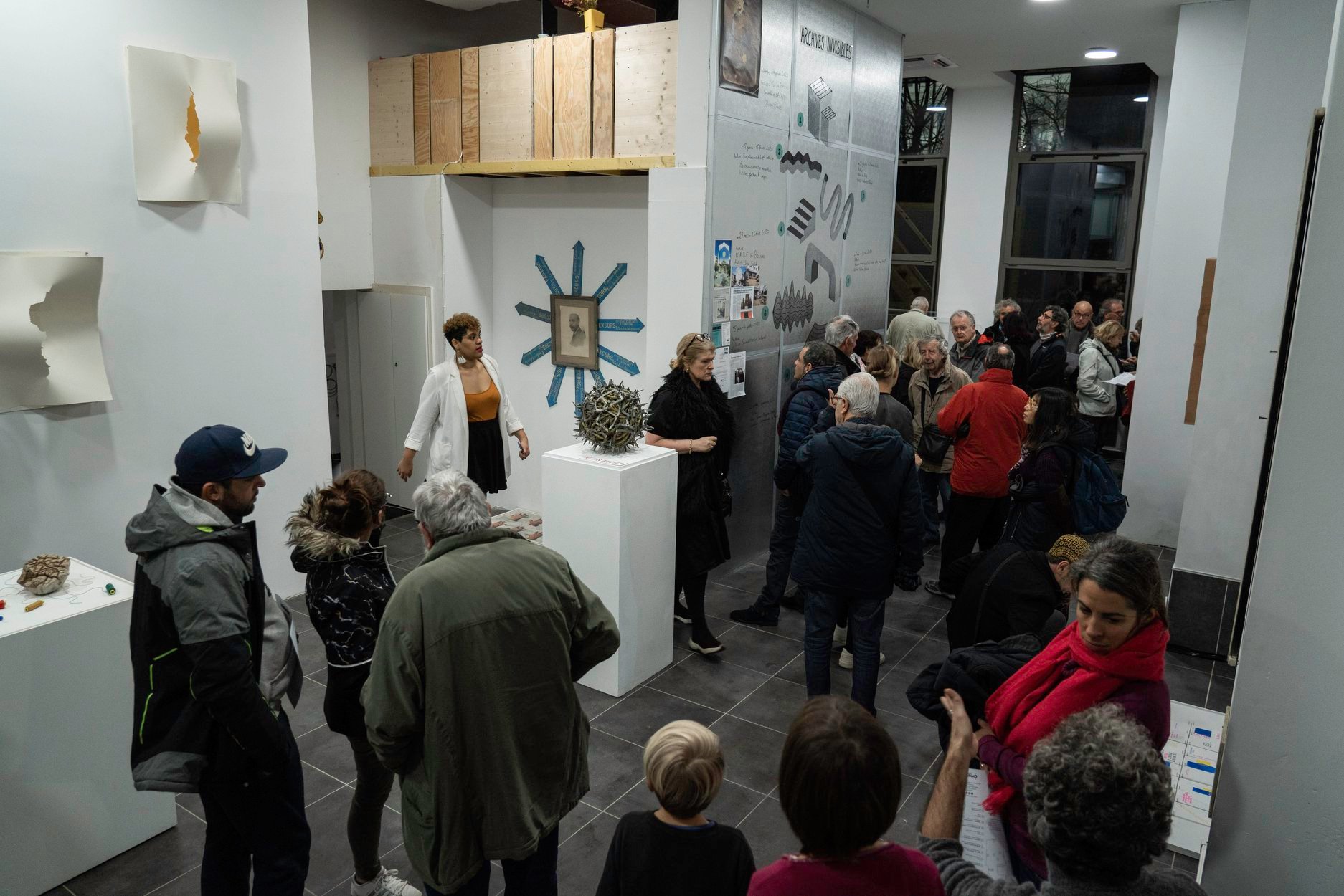
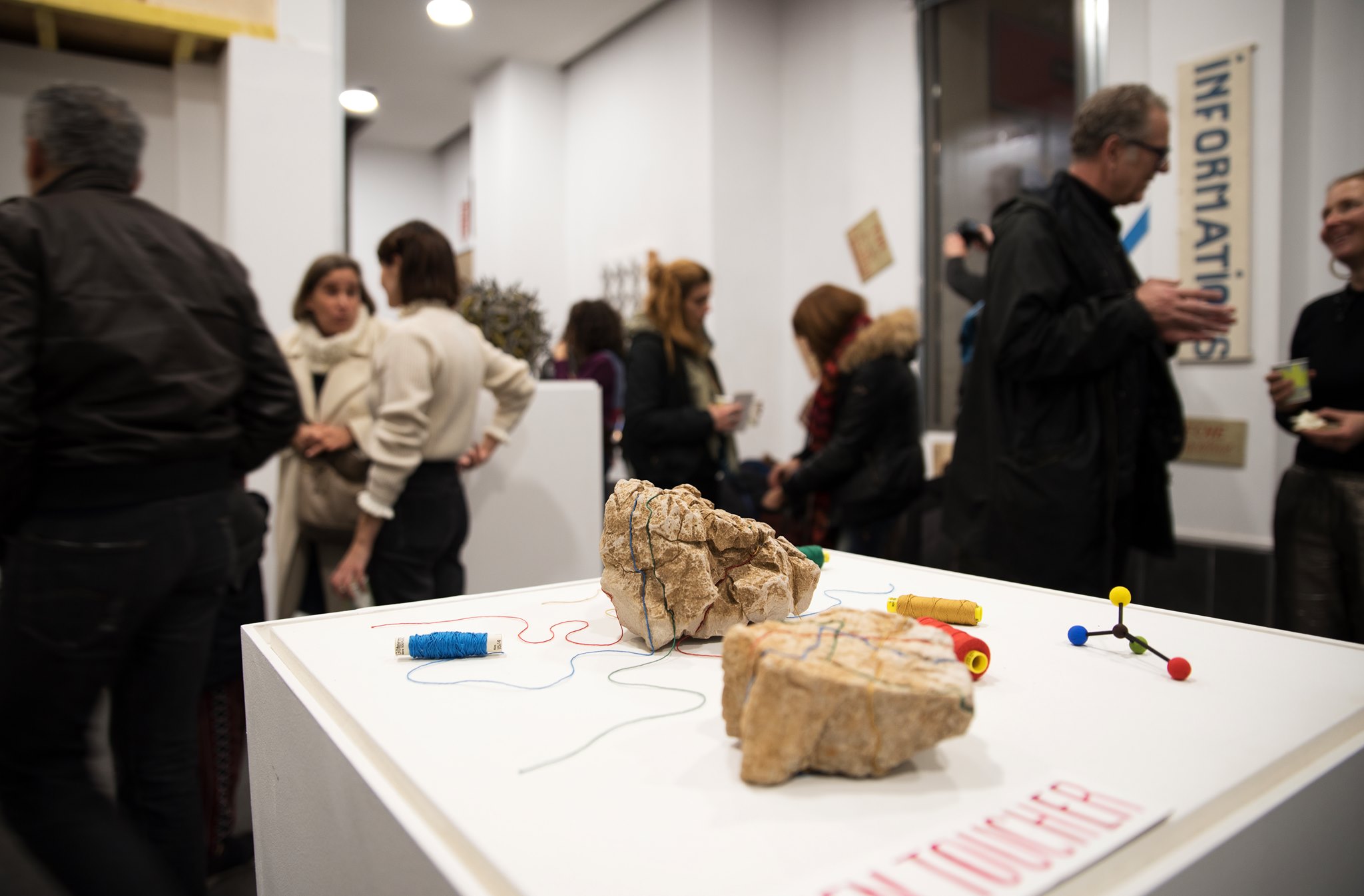
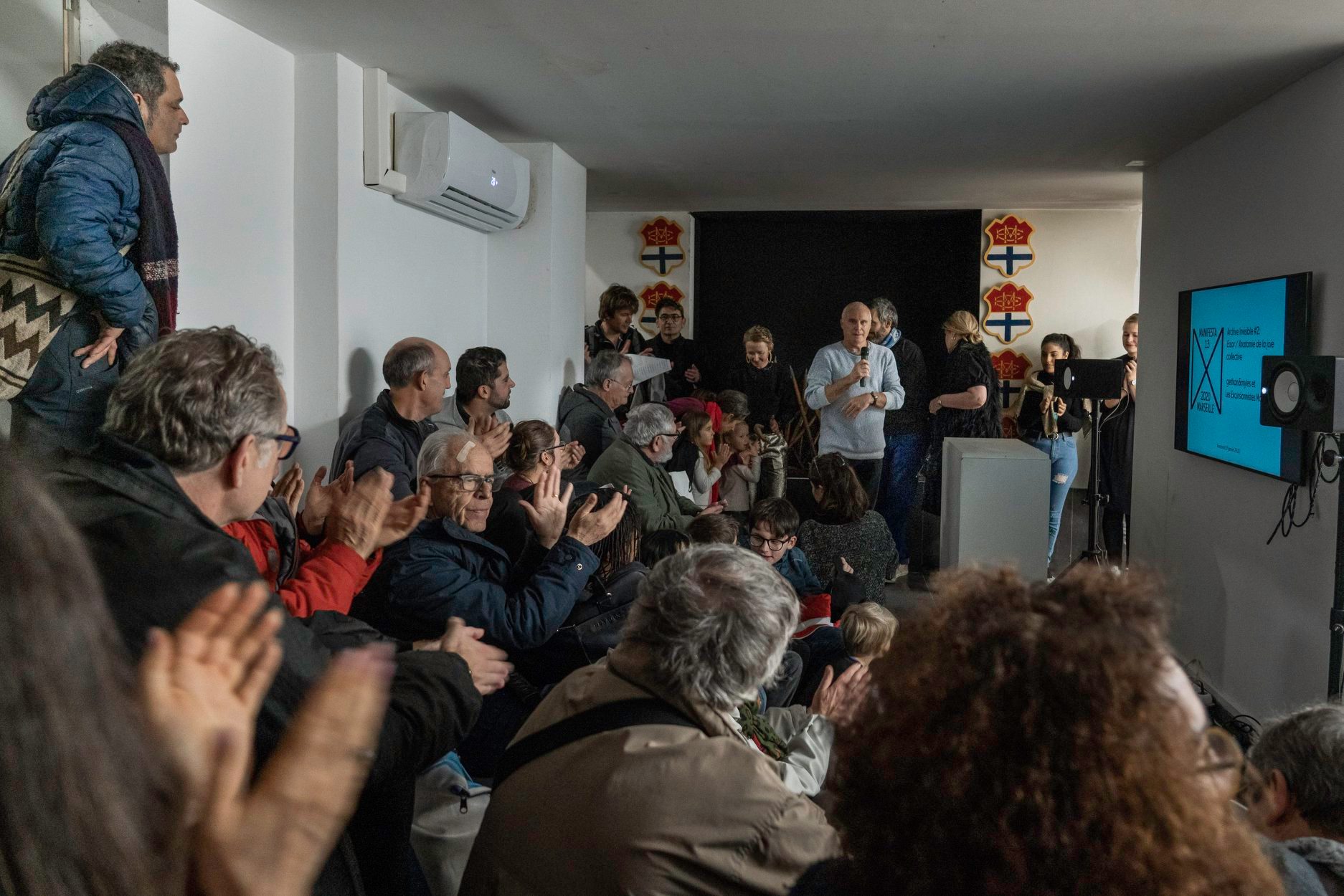
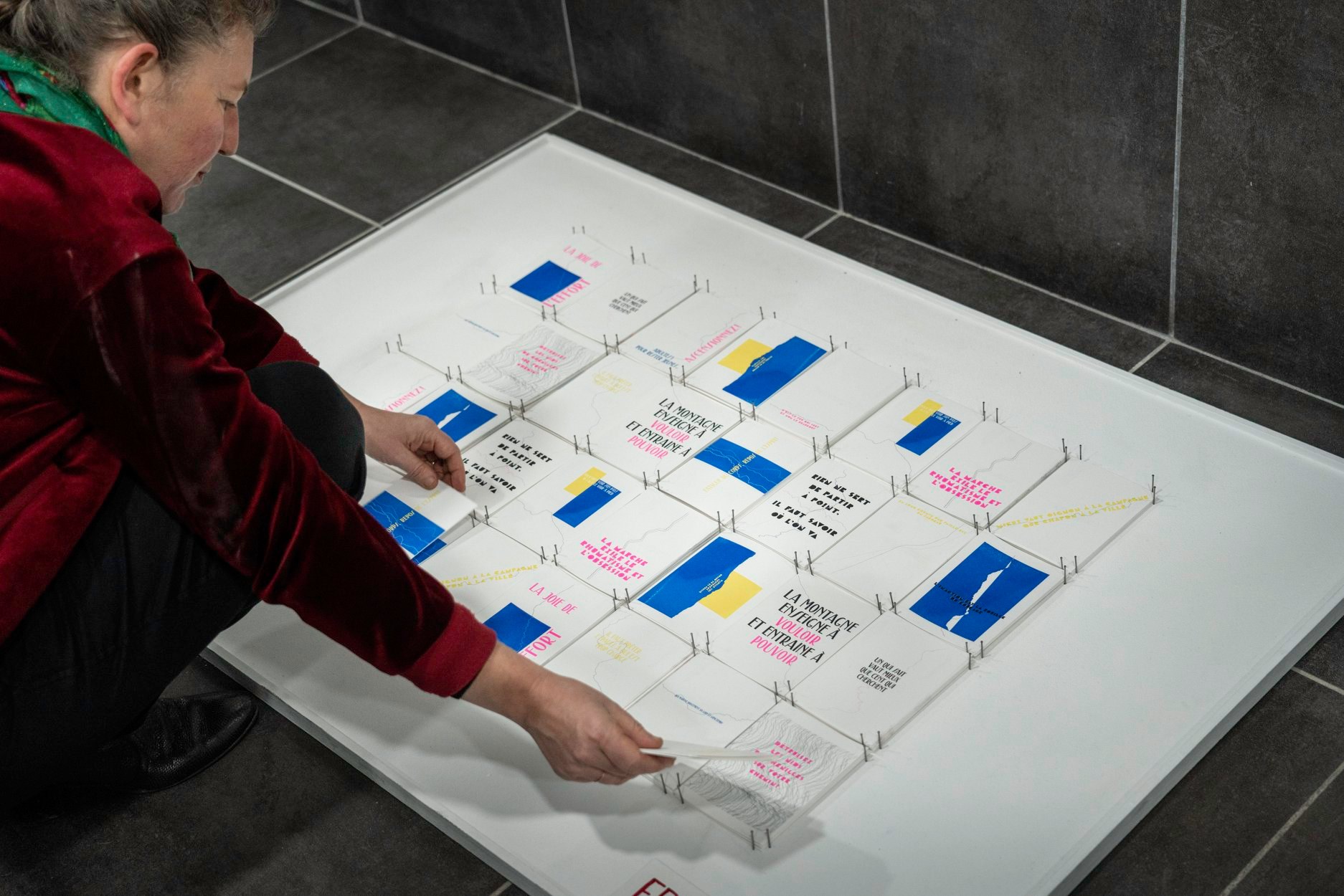
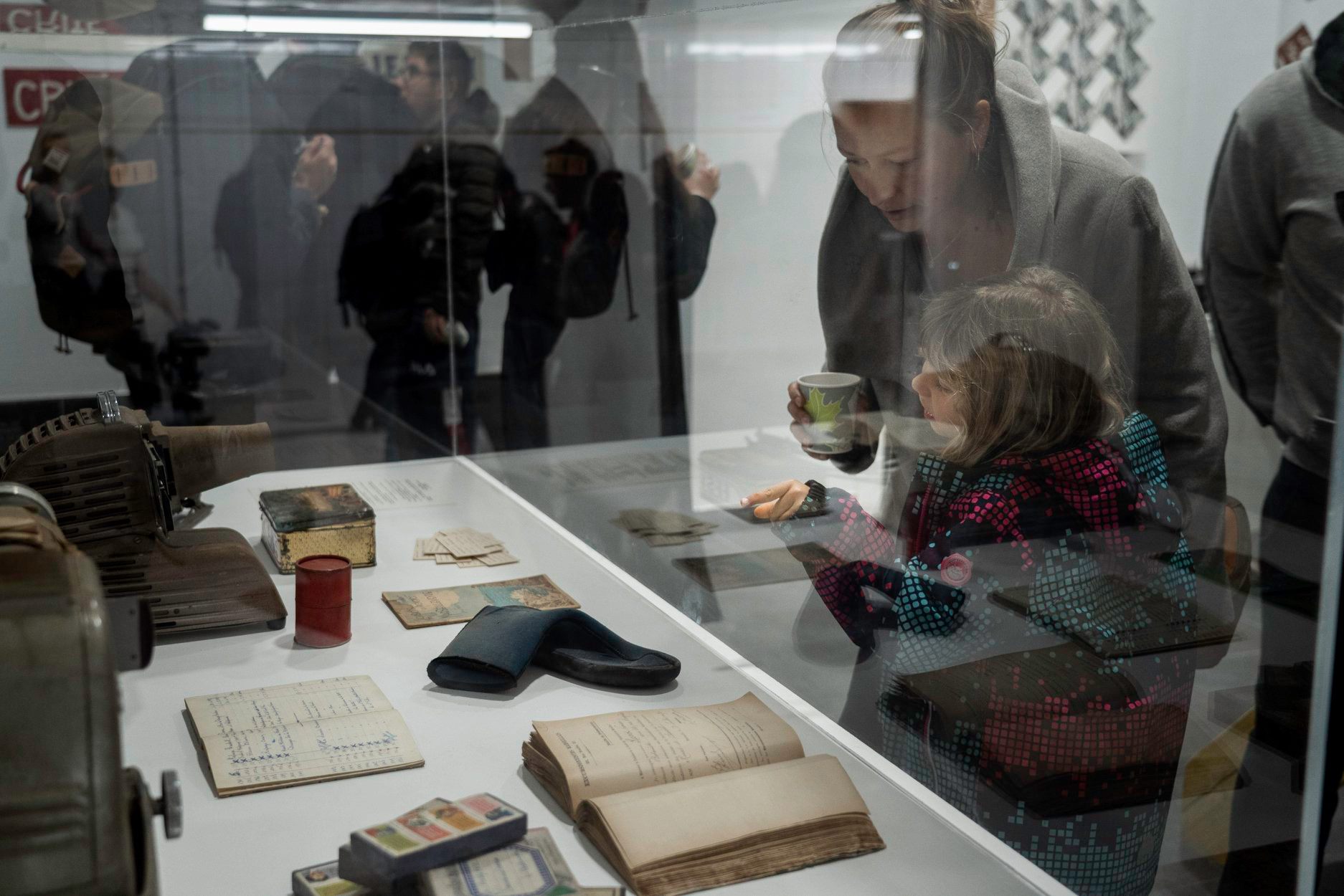
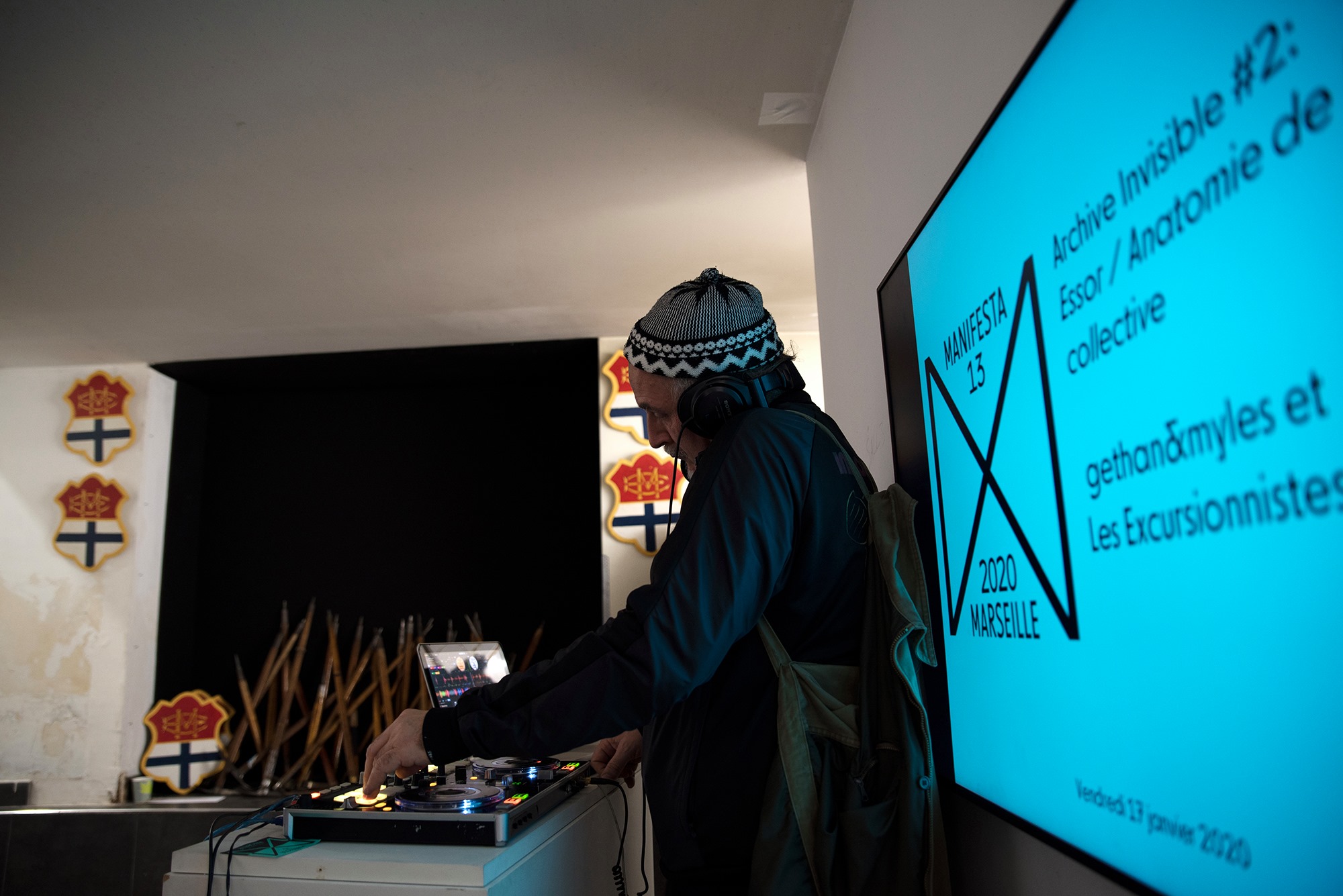
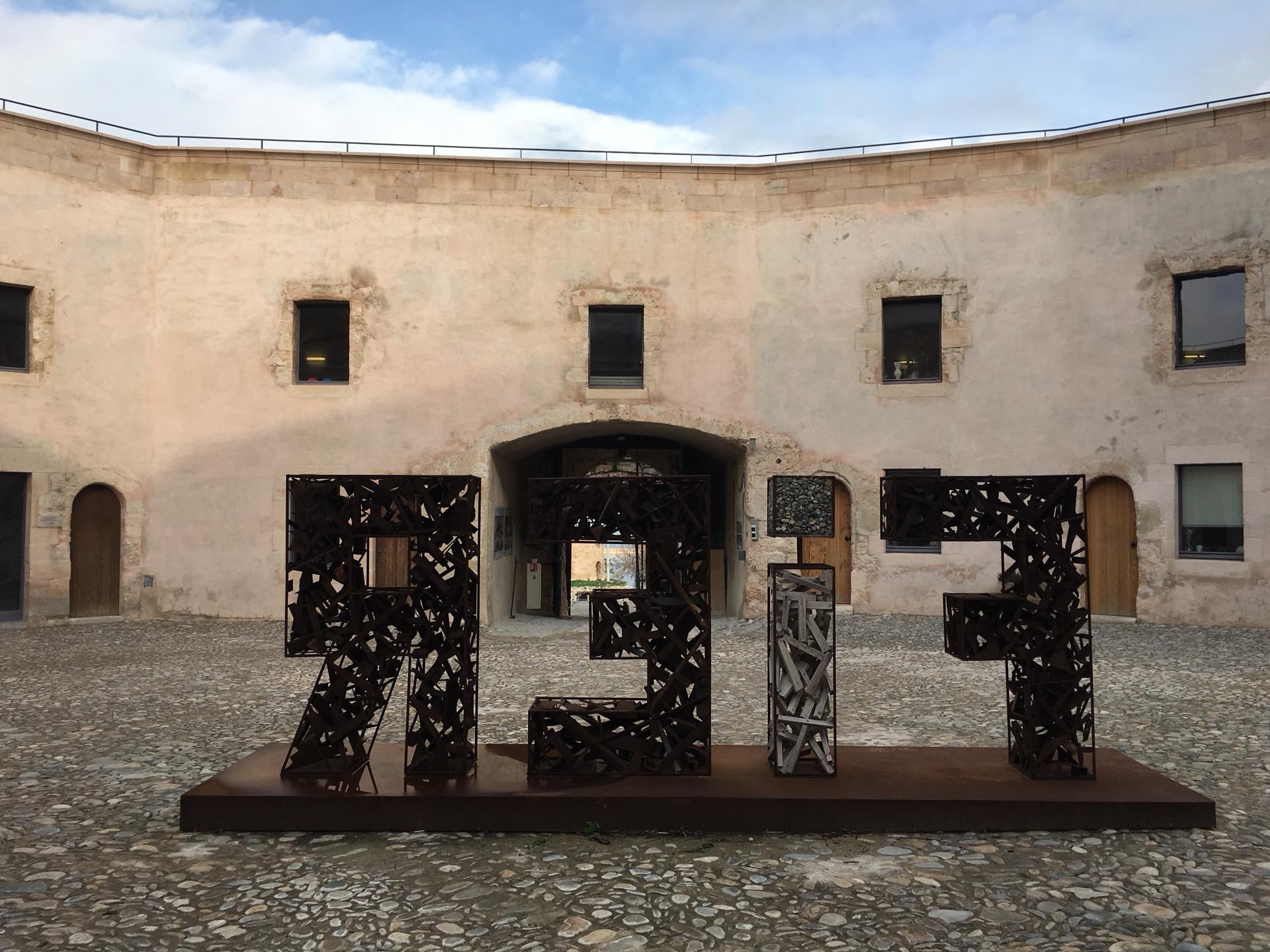
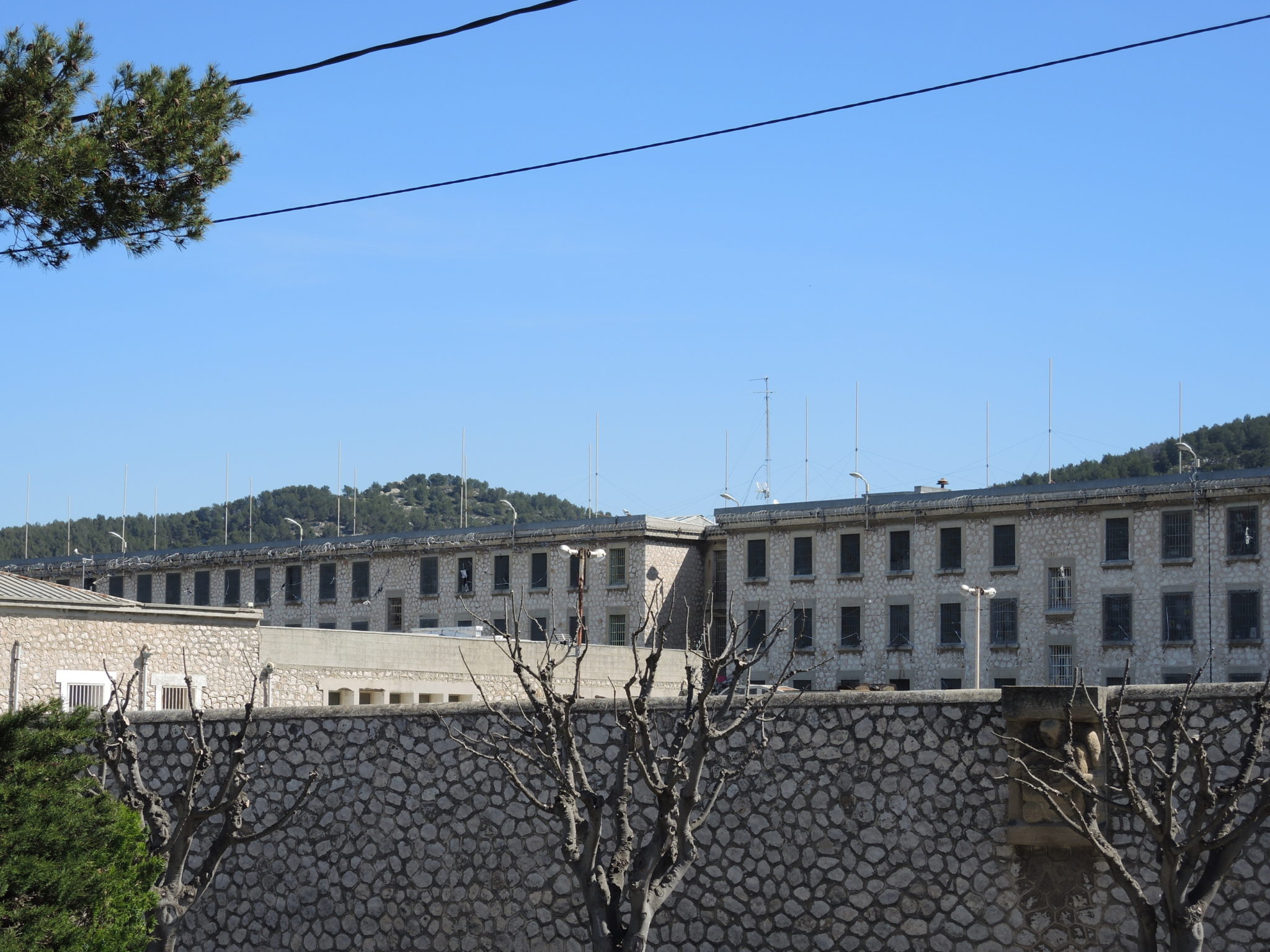
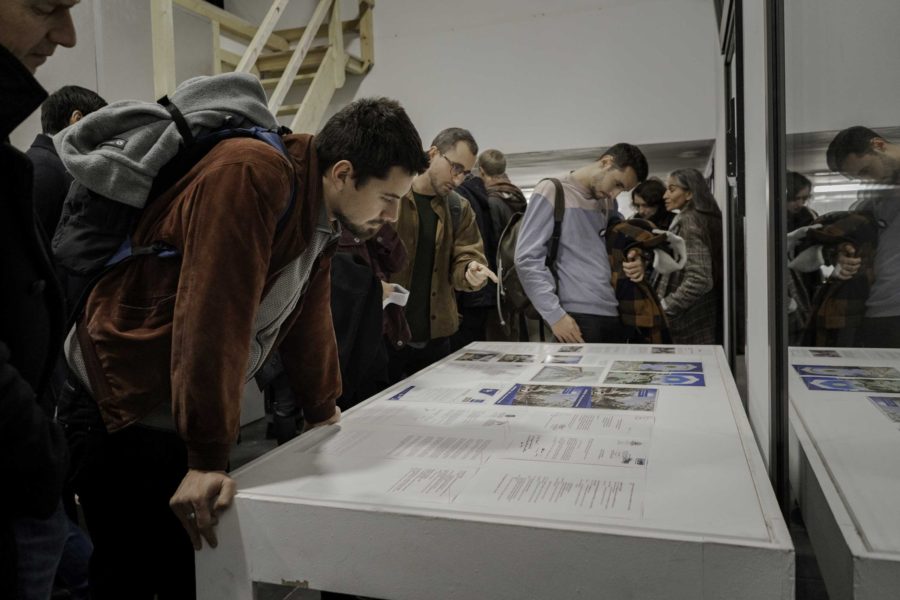
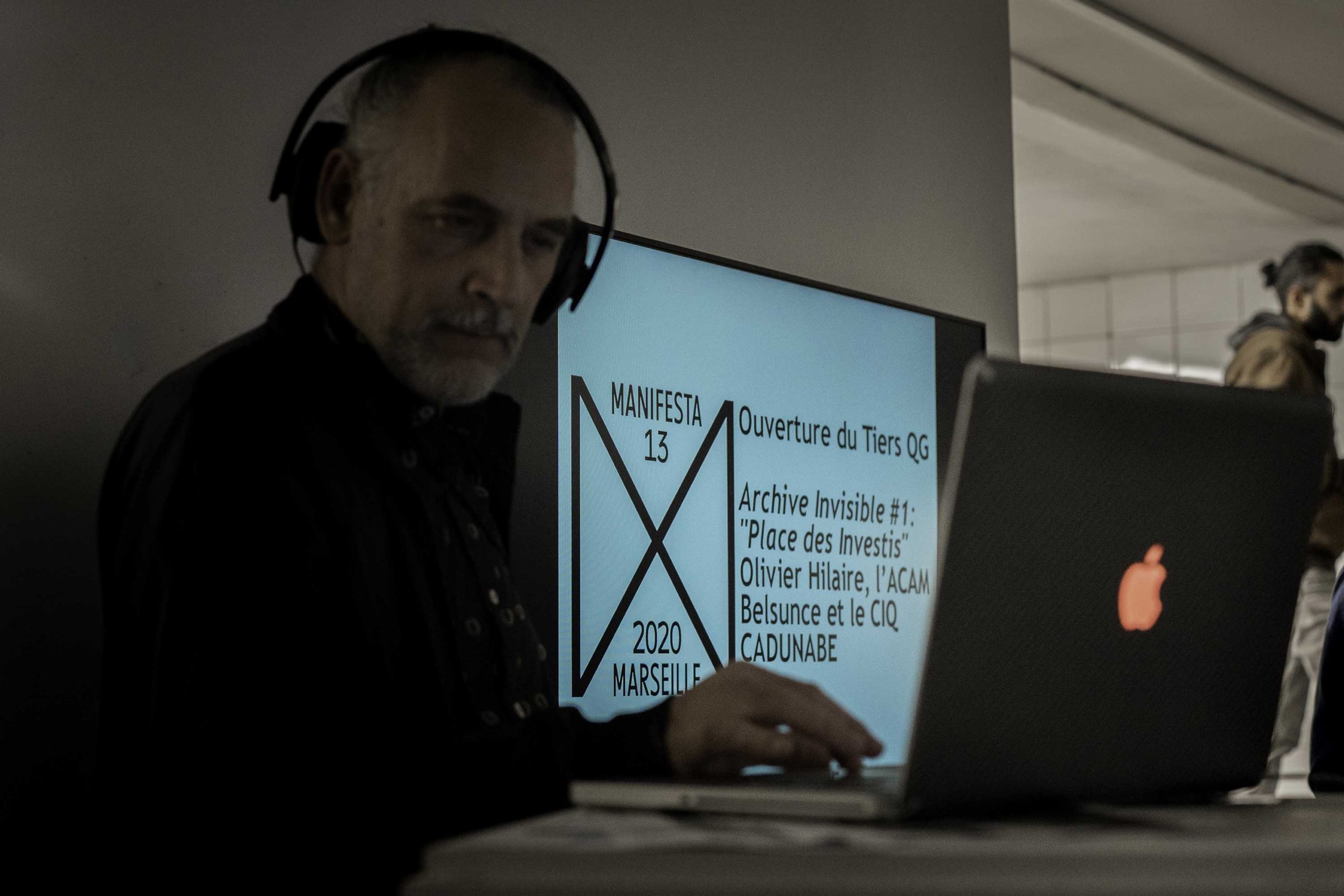
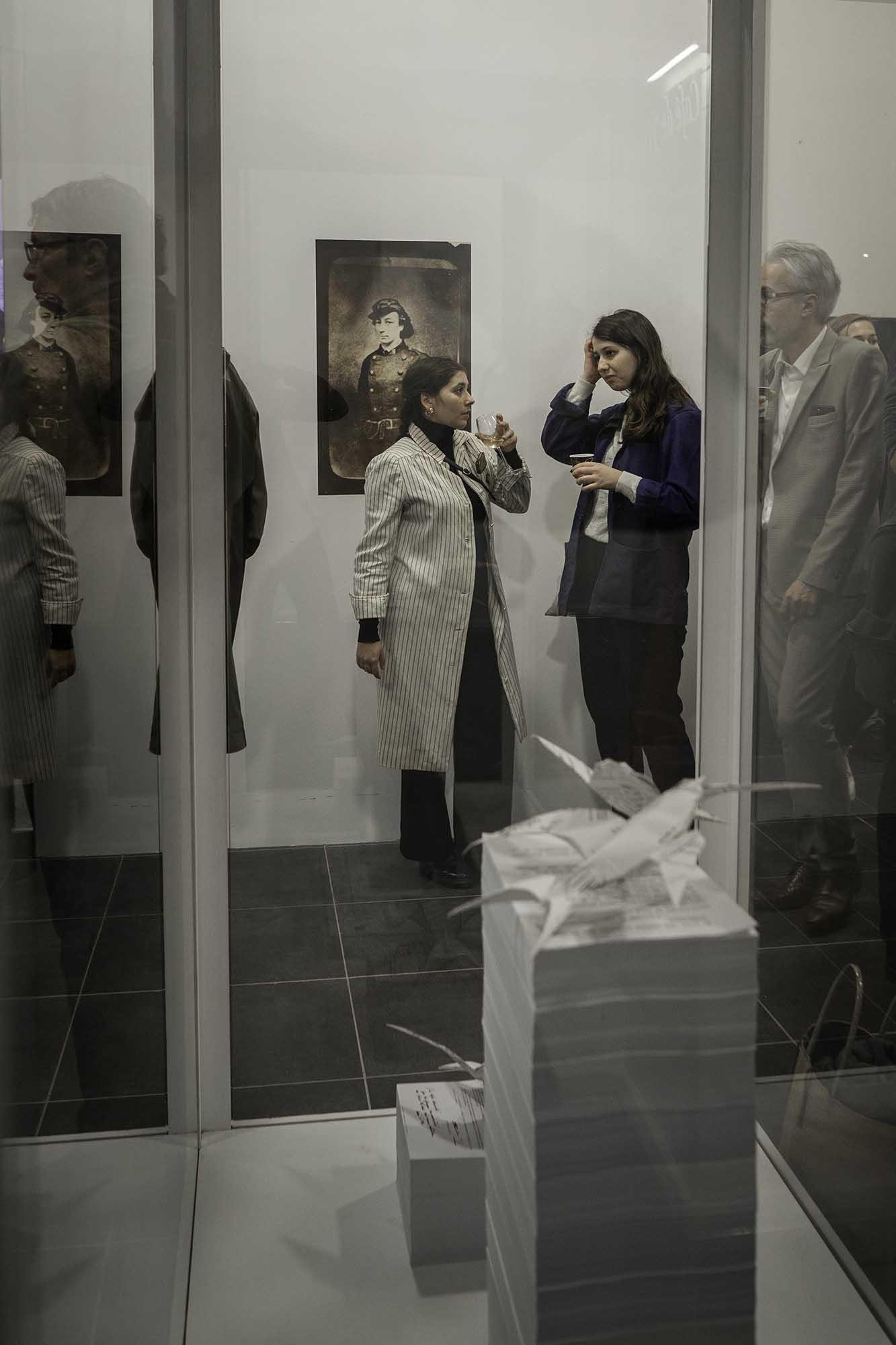
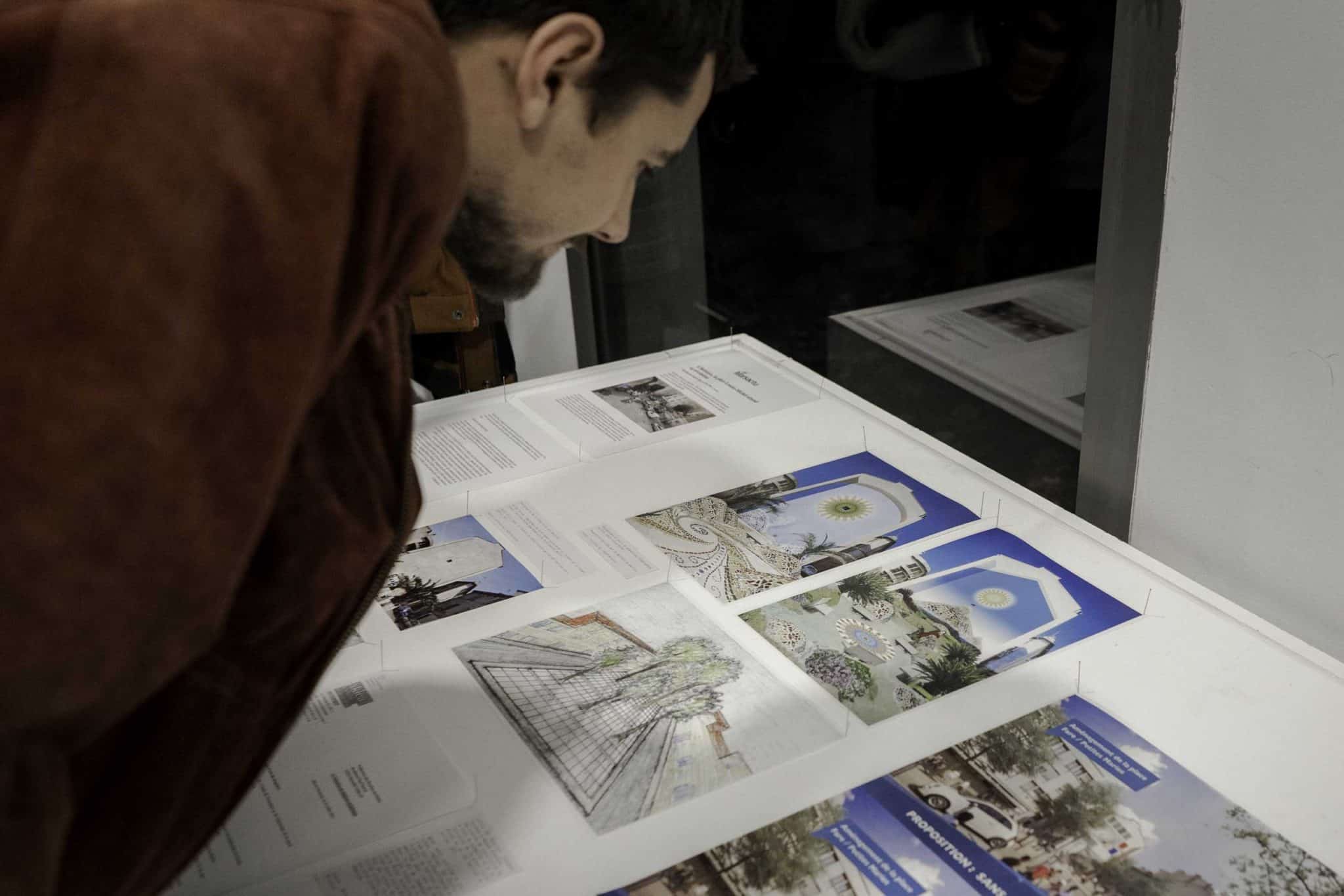
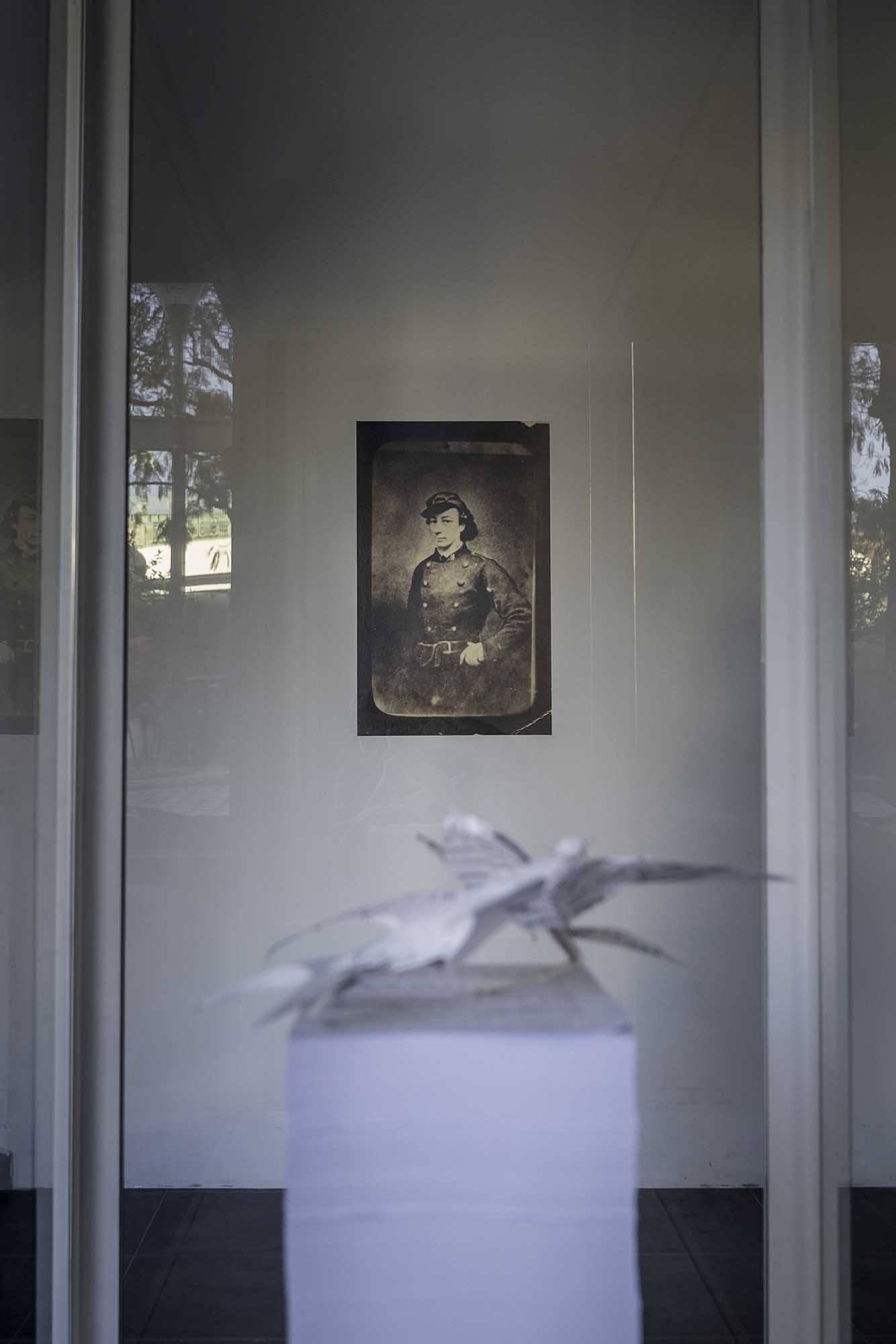
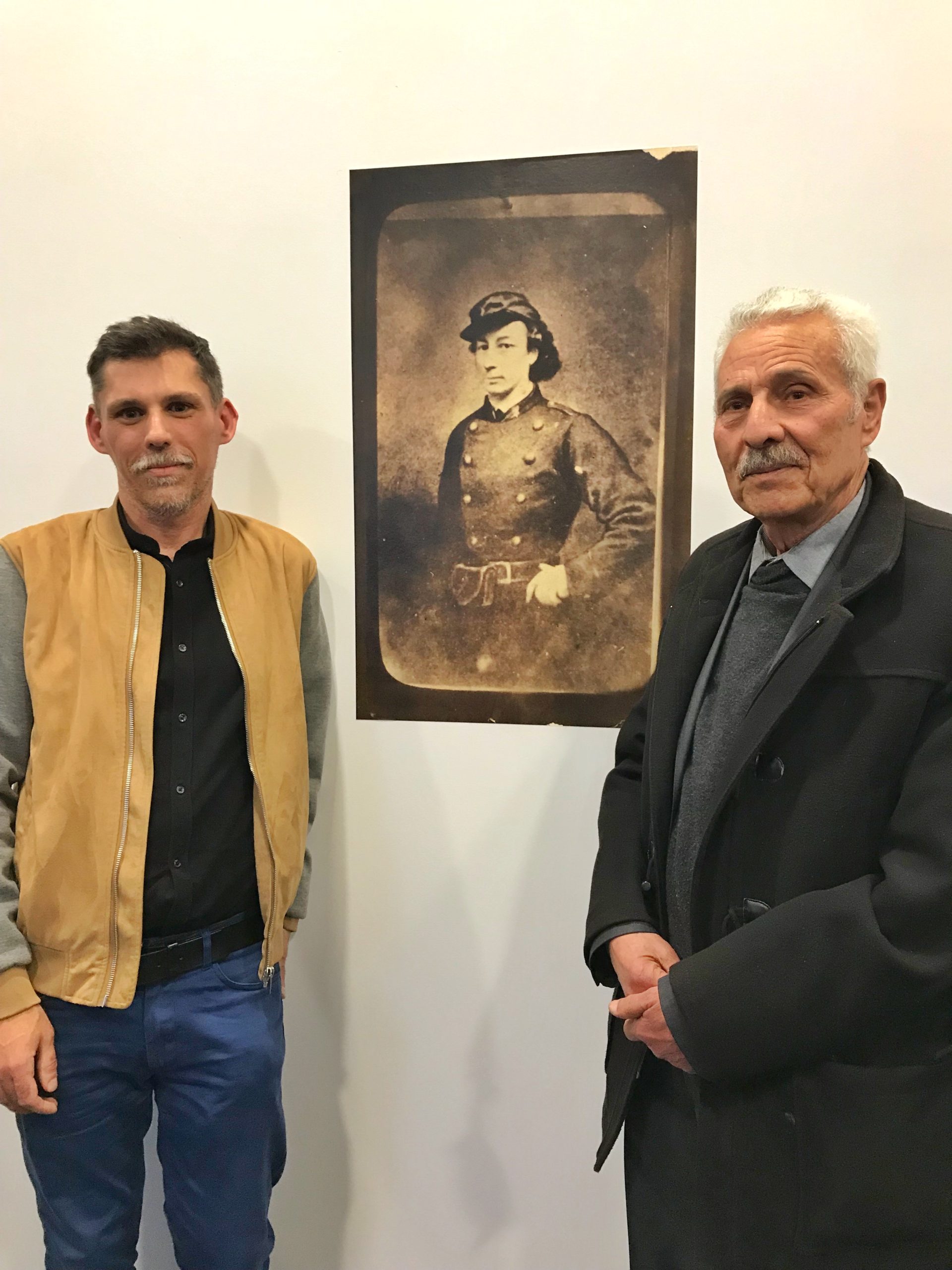

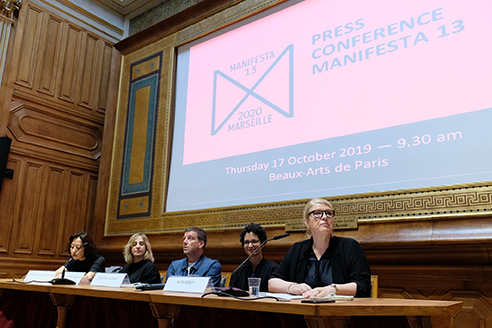
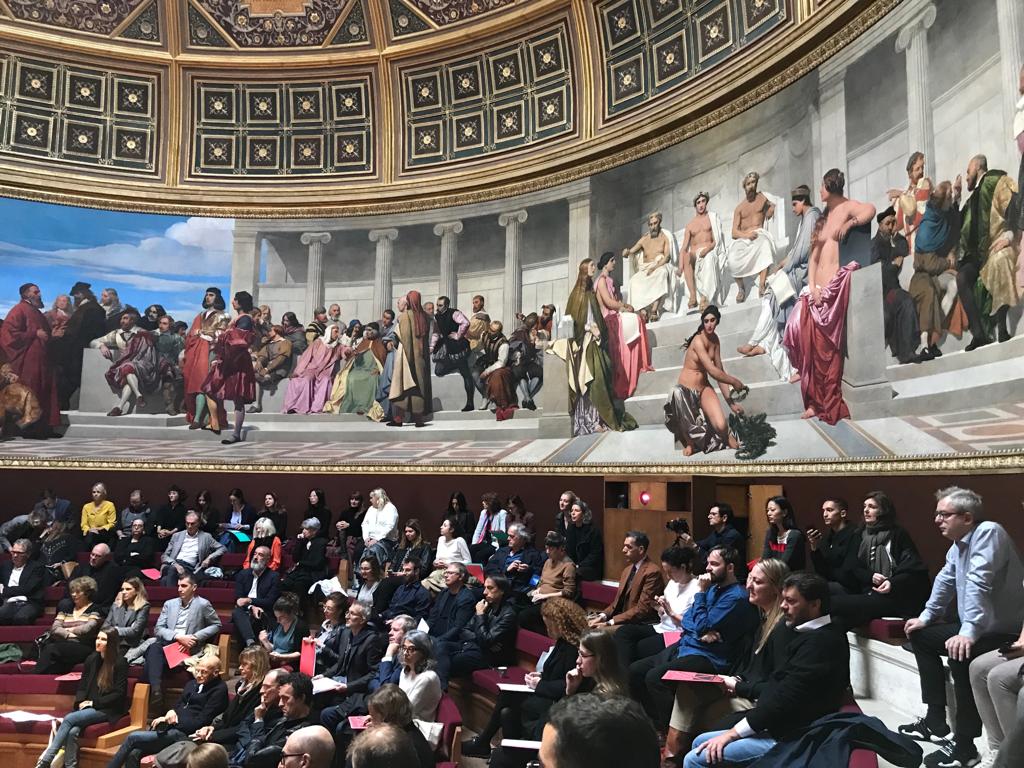
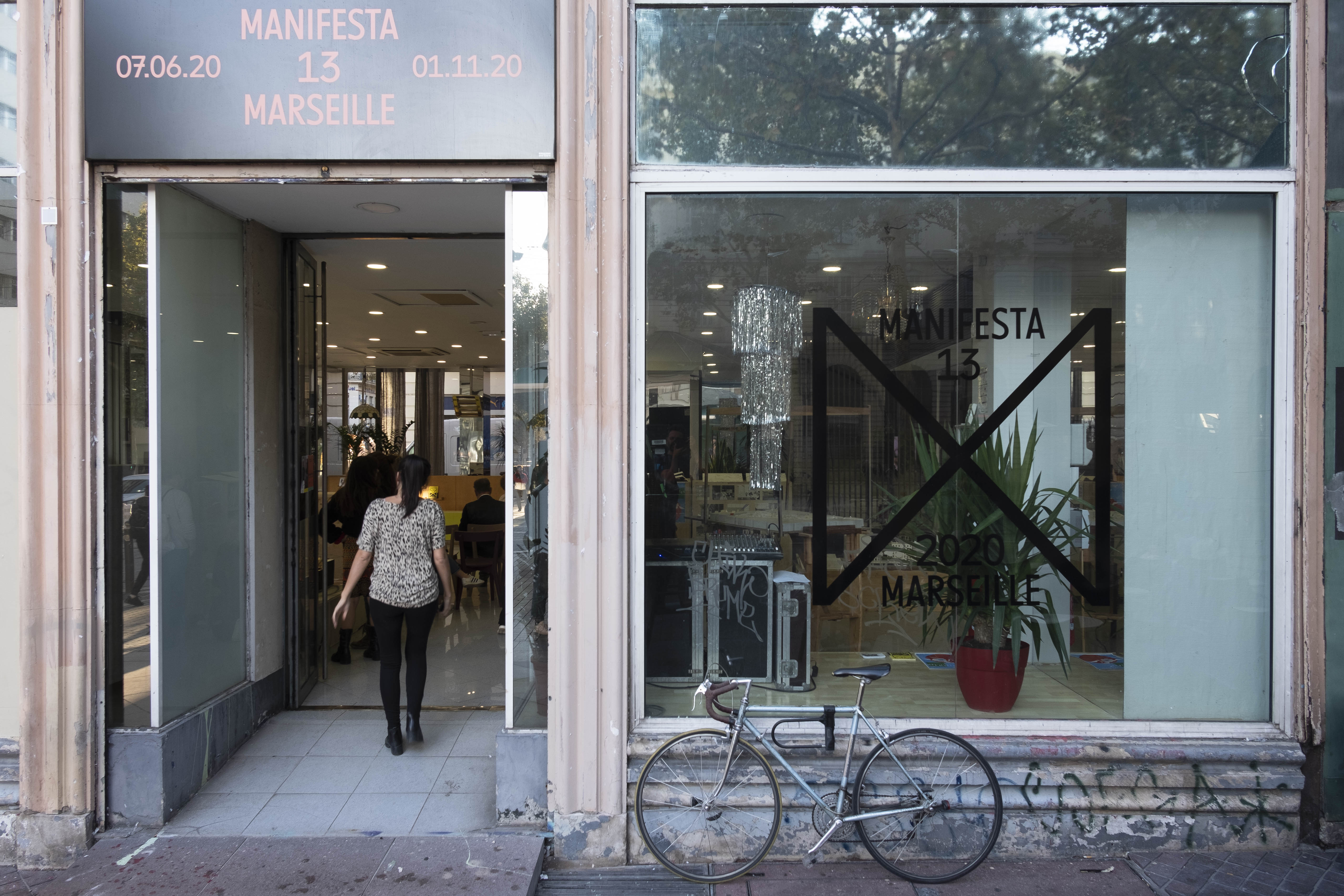 © VOST
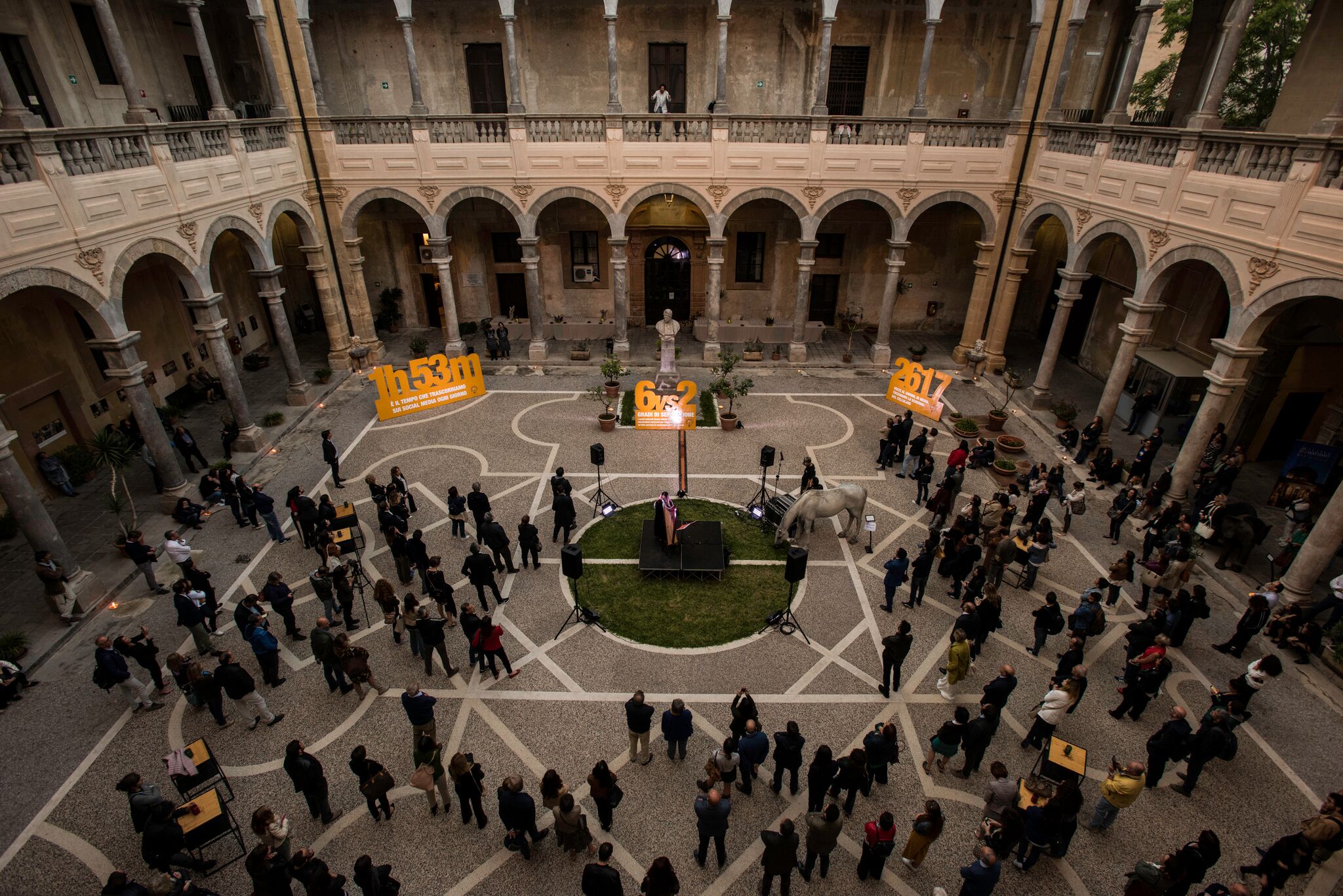
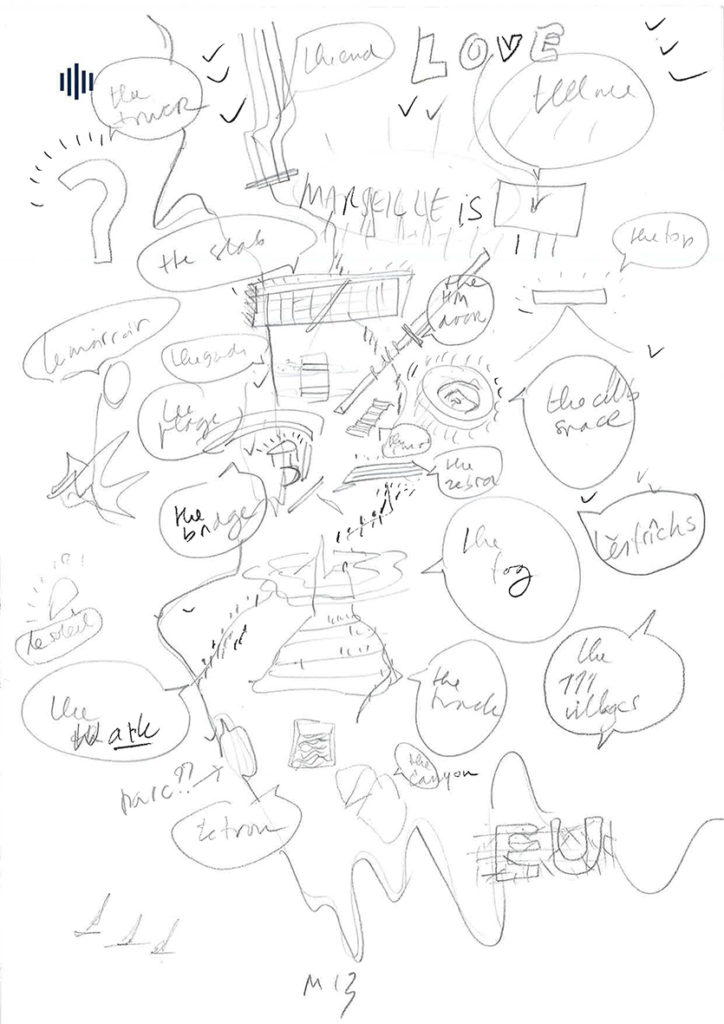
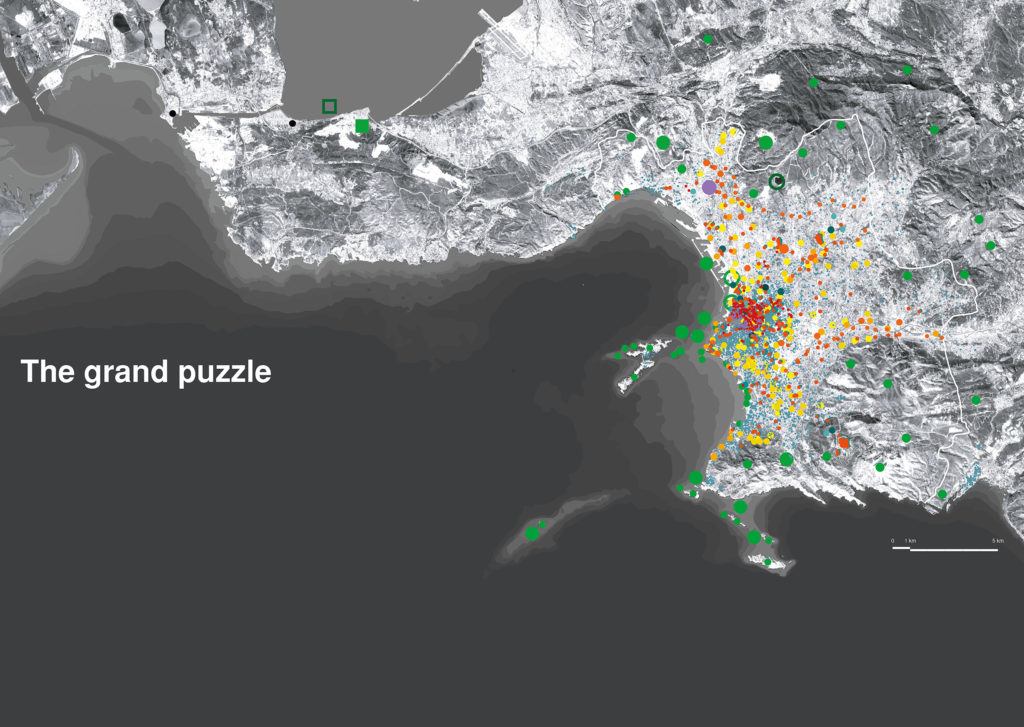
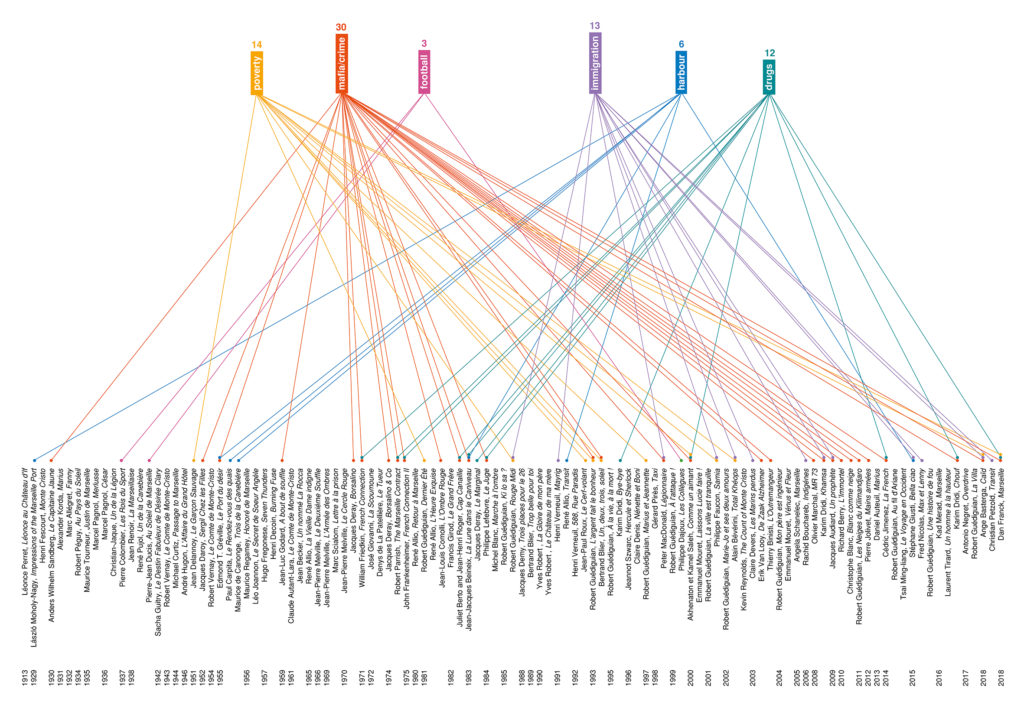
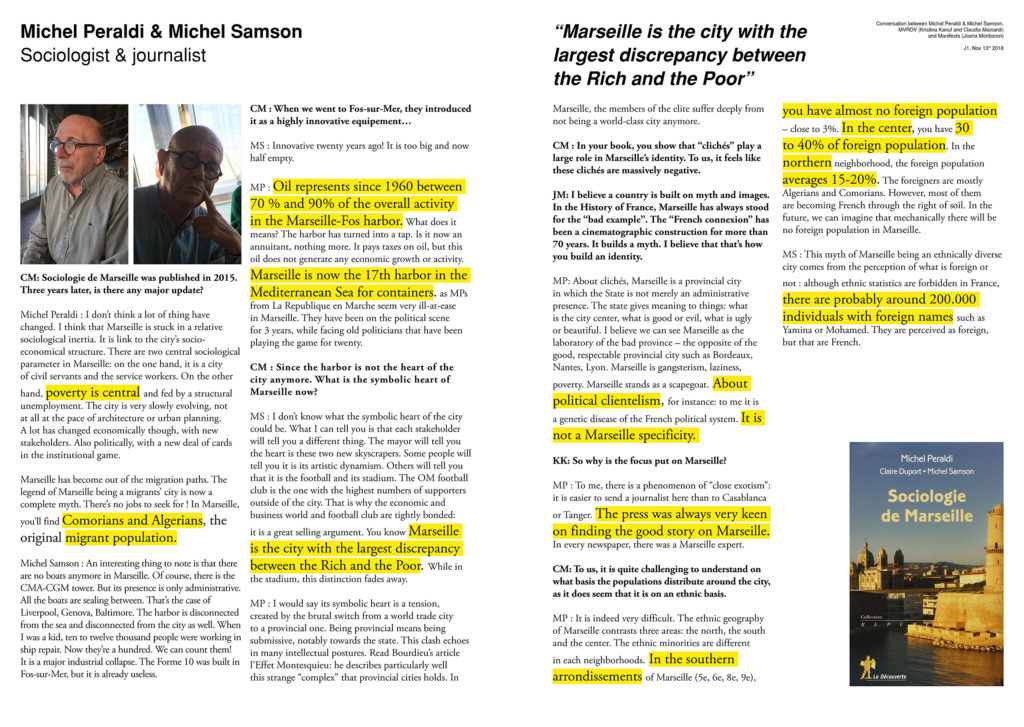
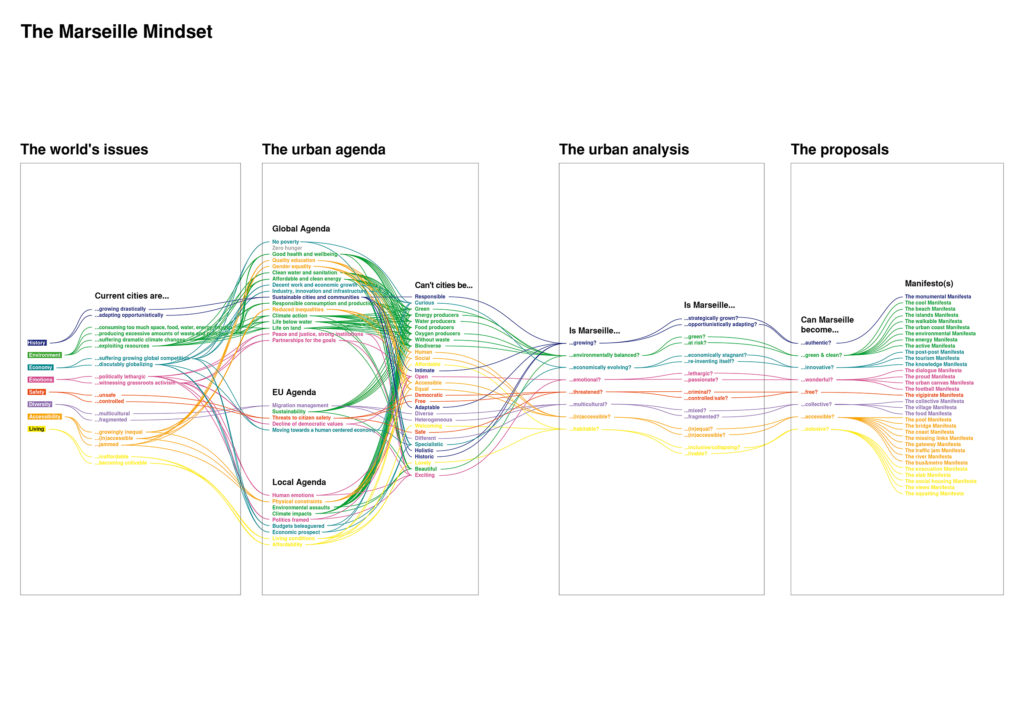
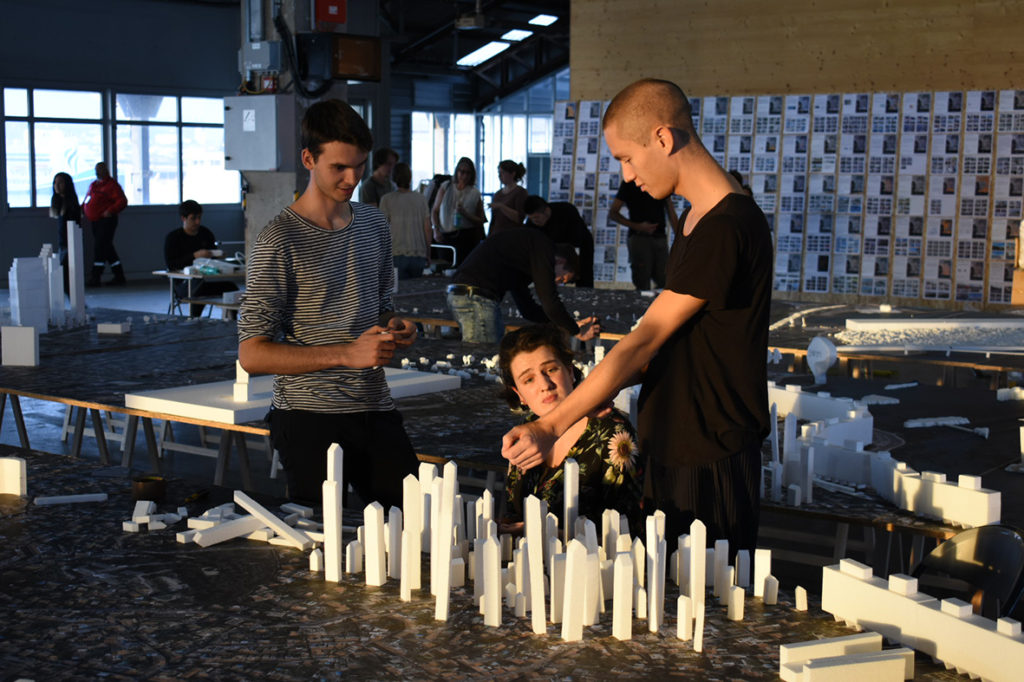
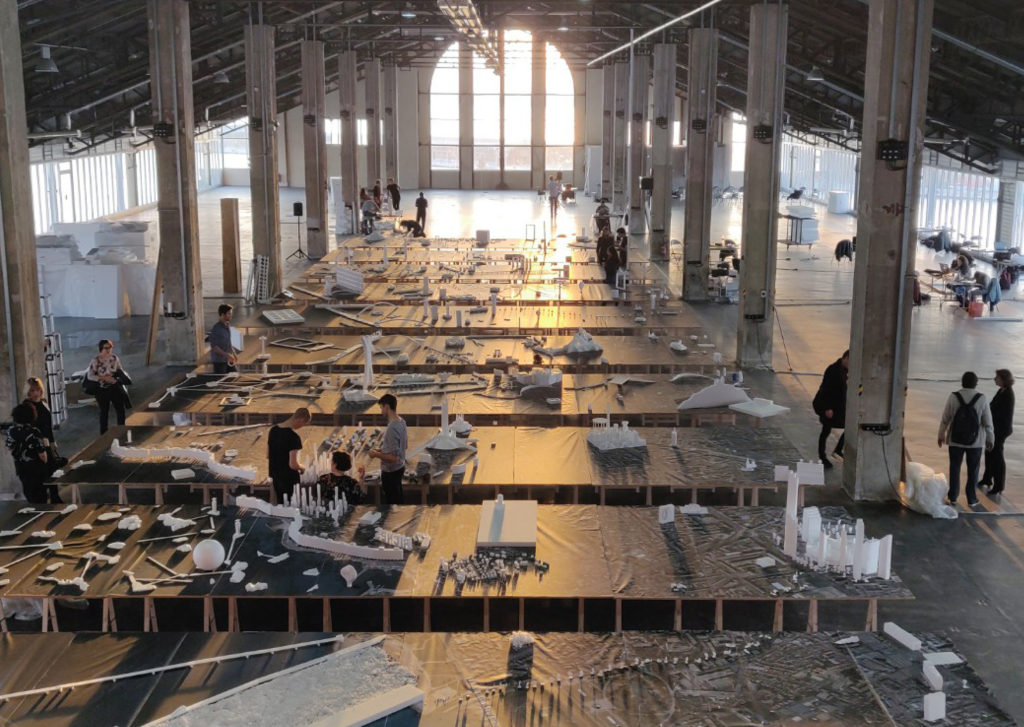
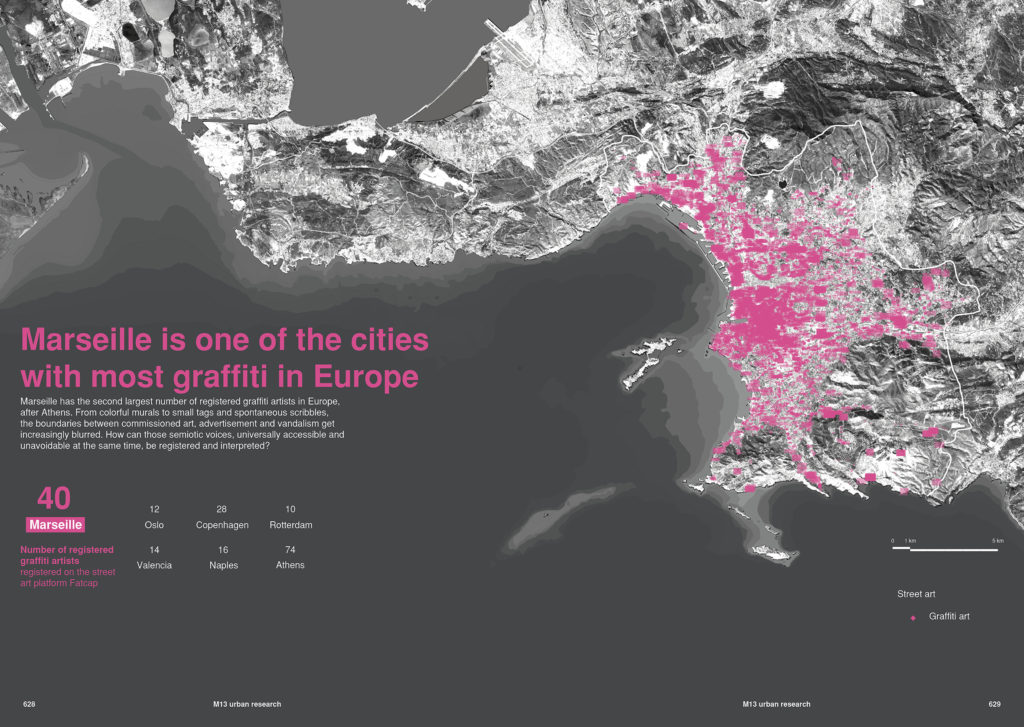
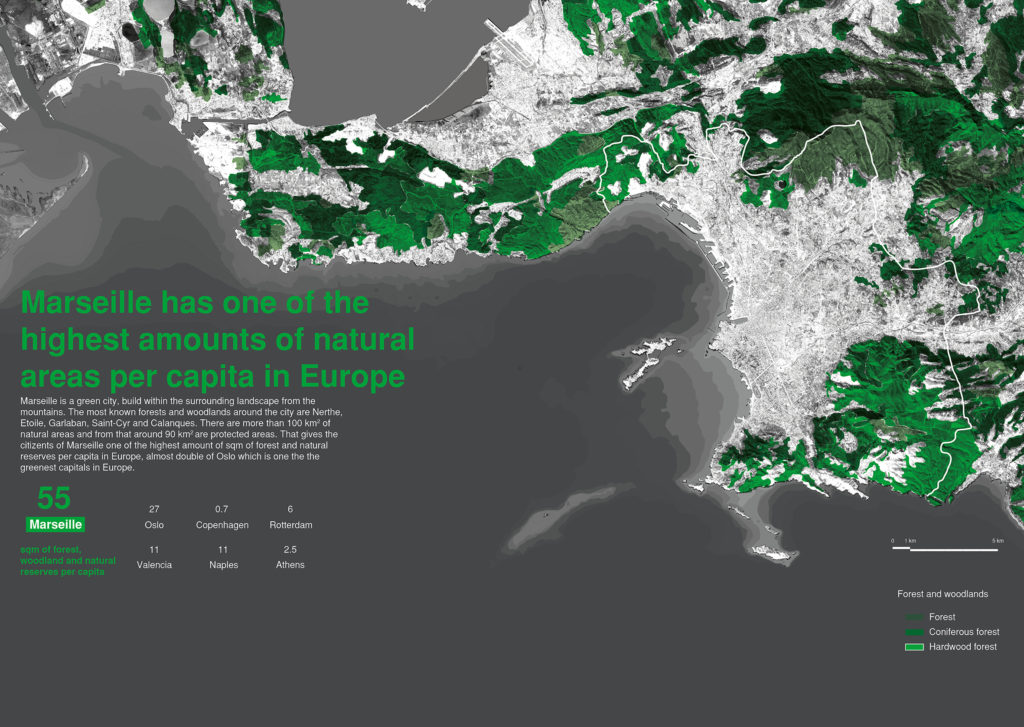
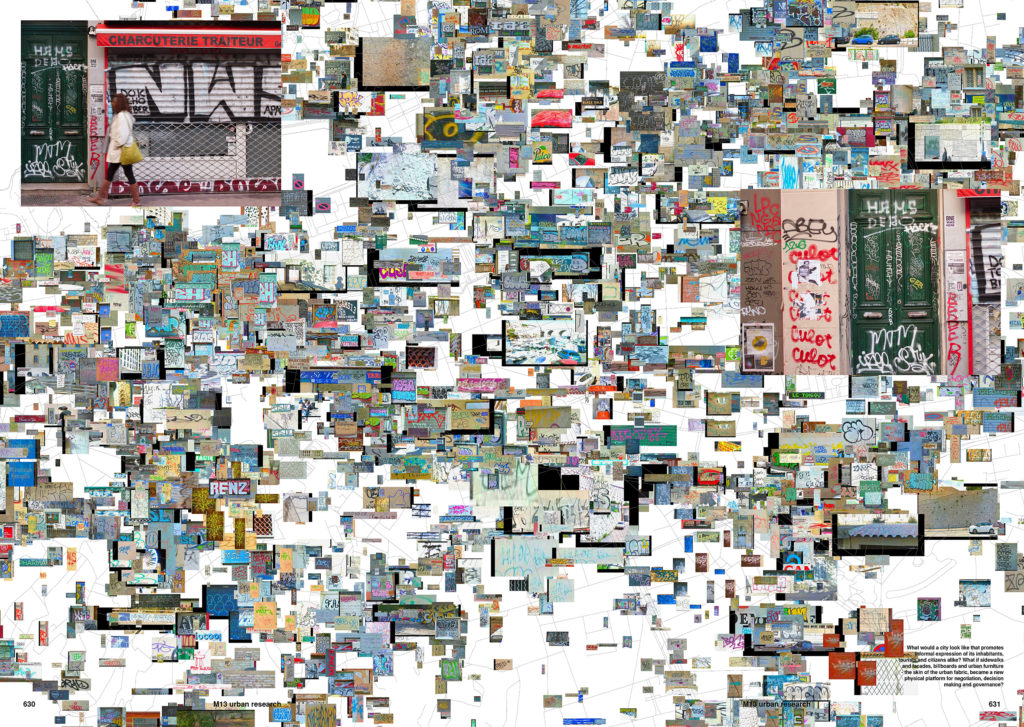
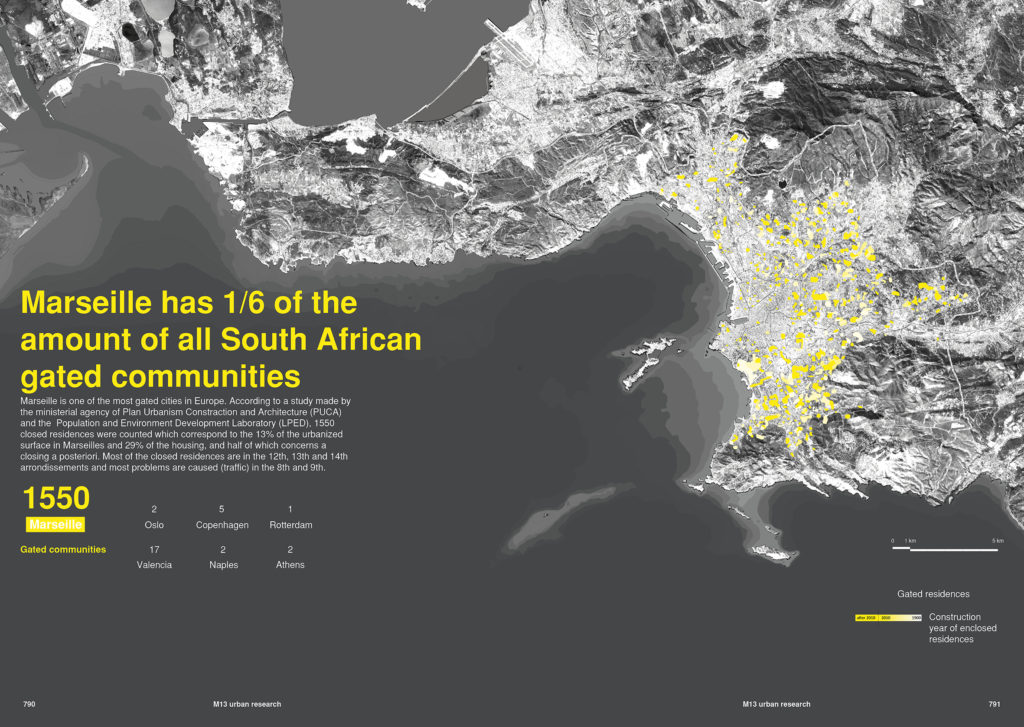
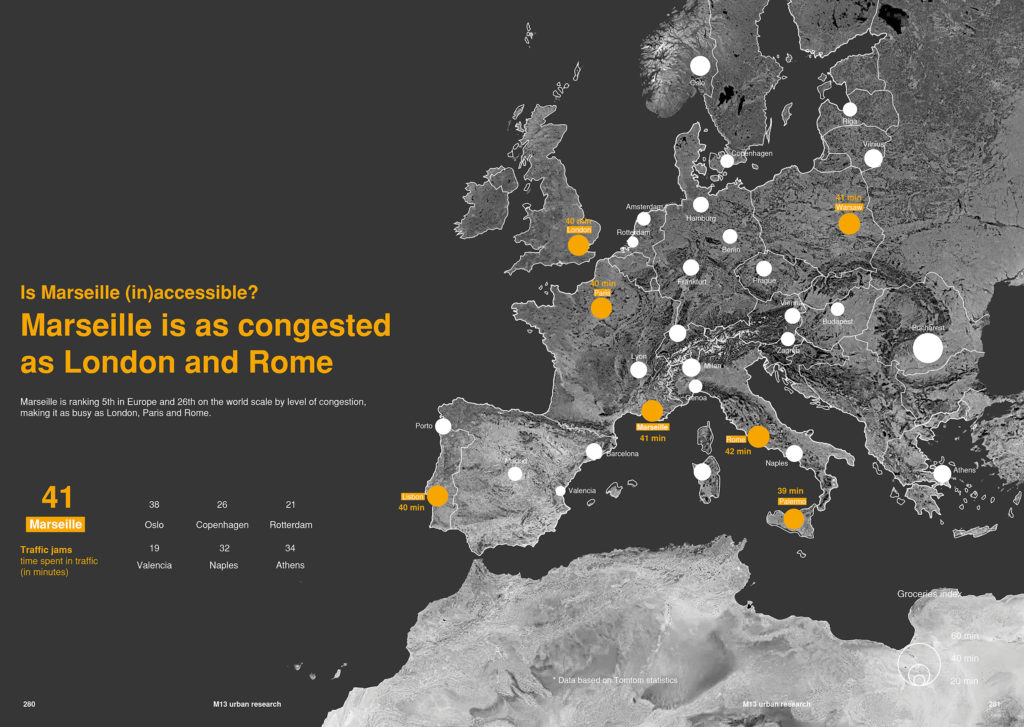
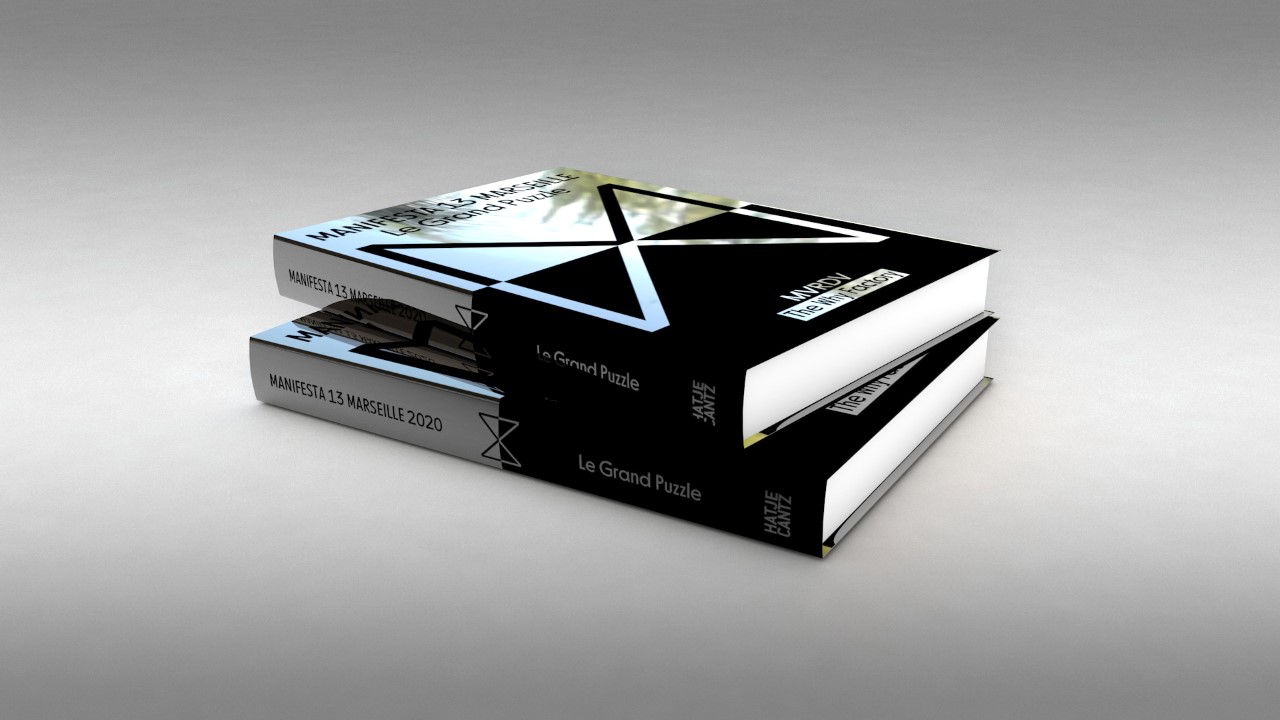
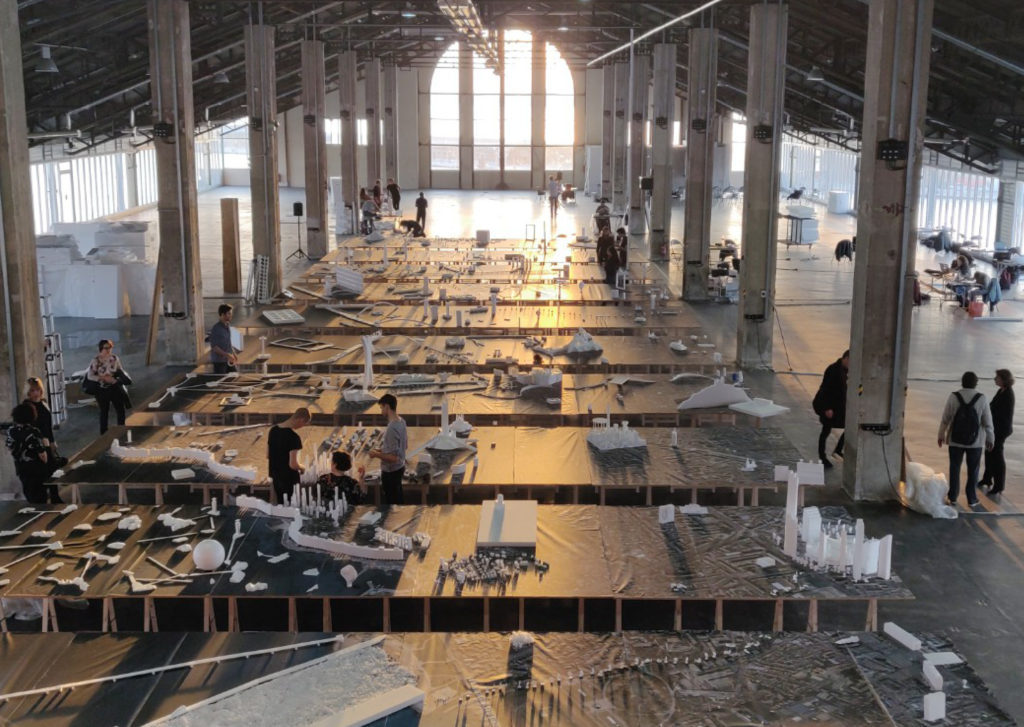
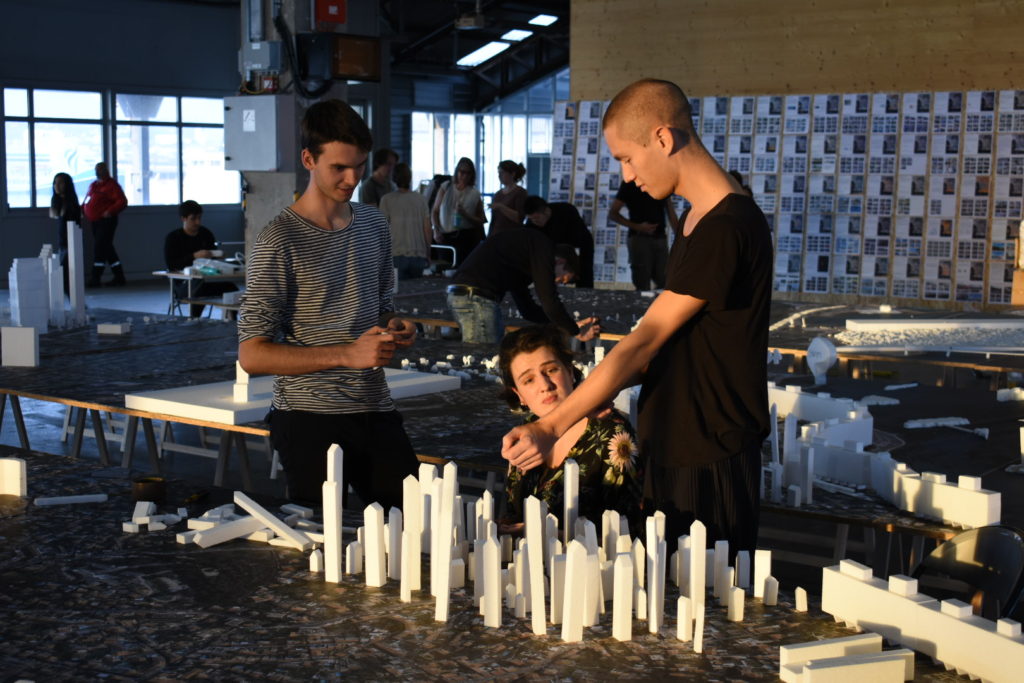
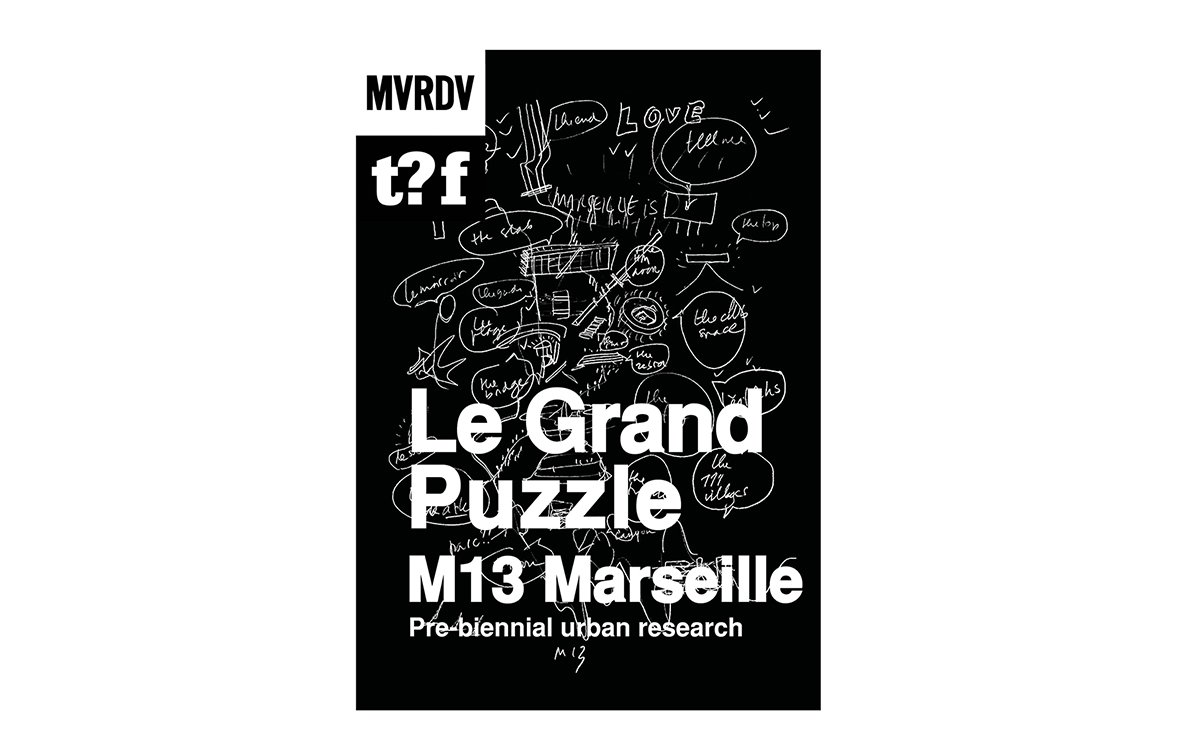 Cover of Le Grand Puzzle © MVRDV - The Why Factory
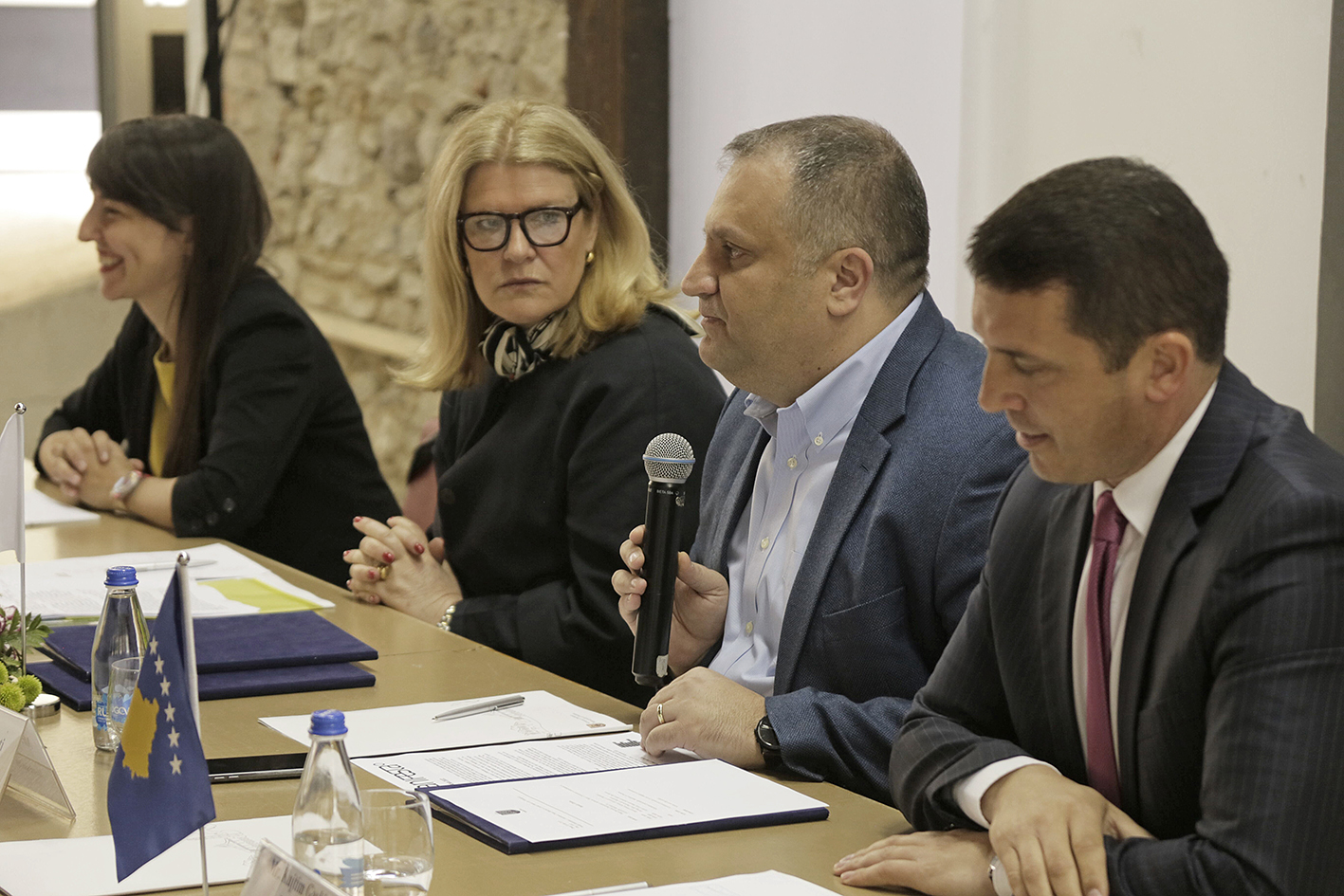
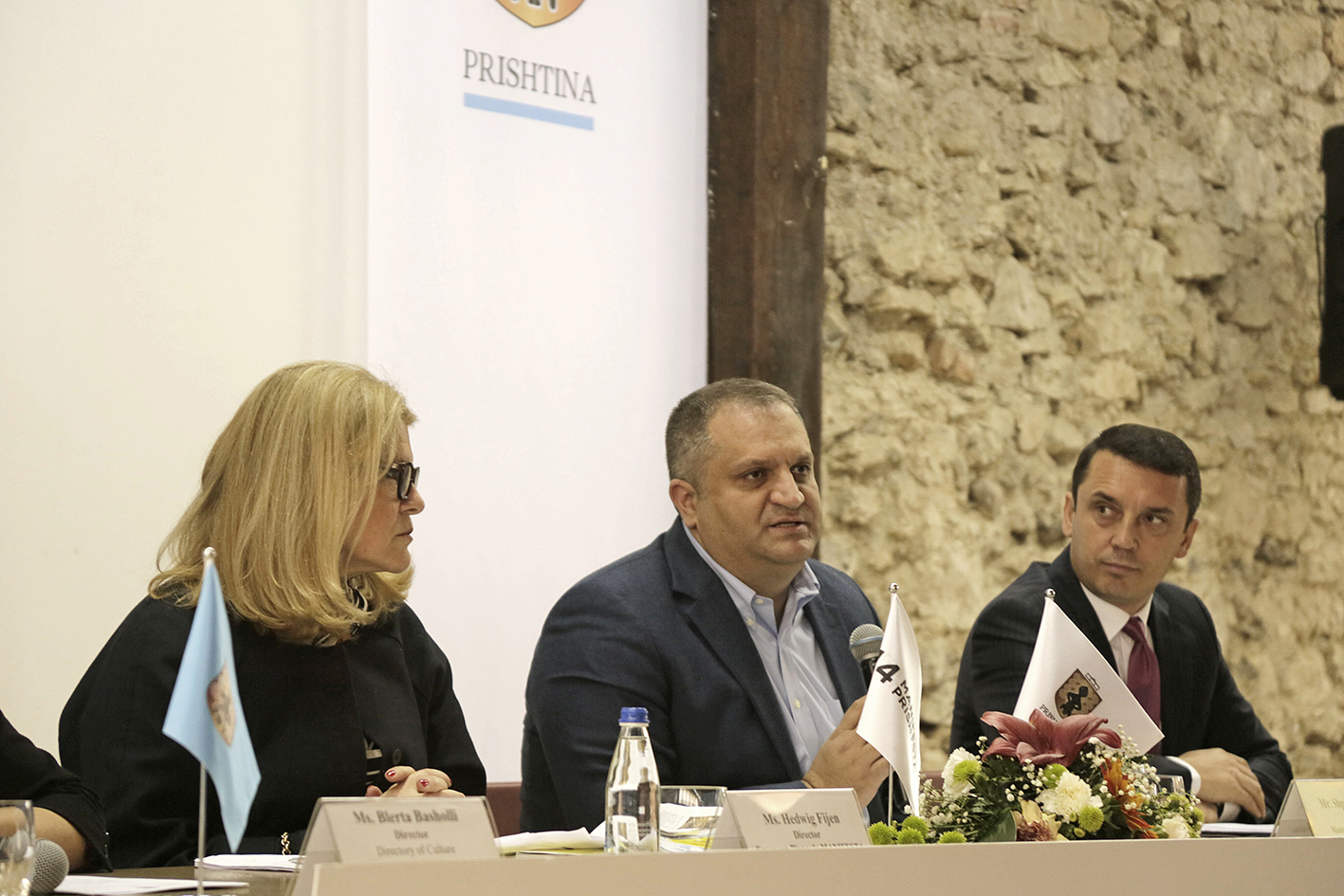
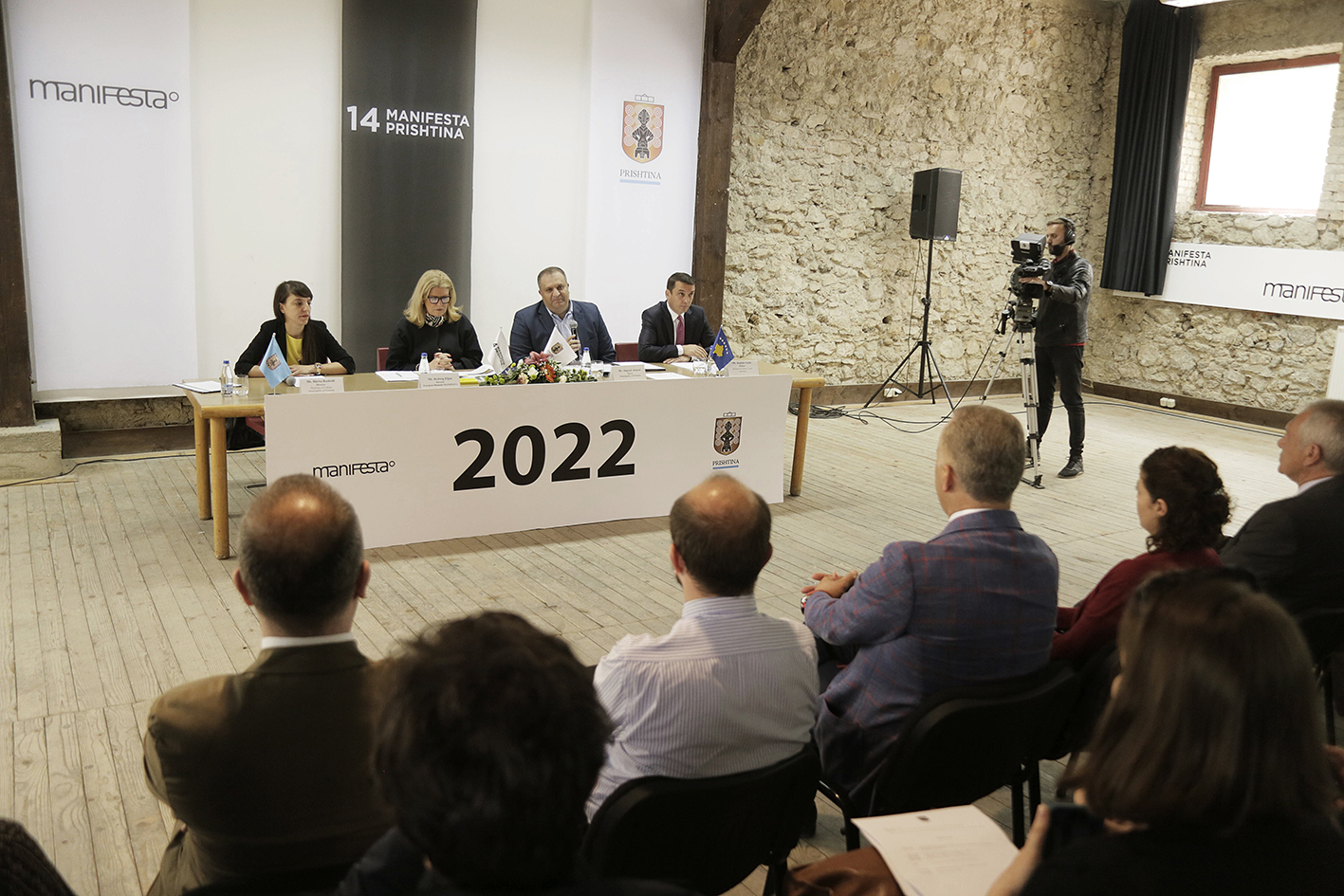
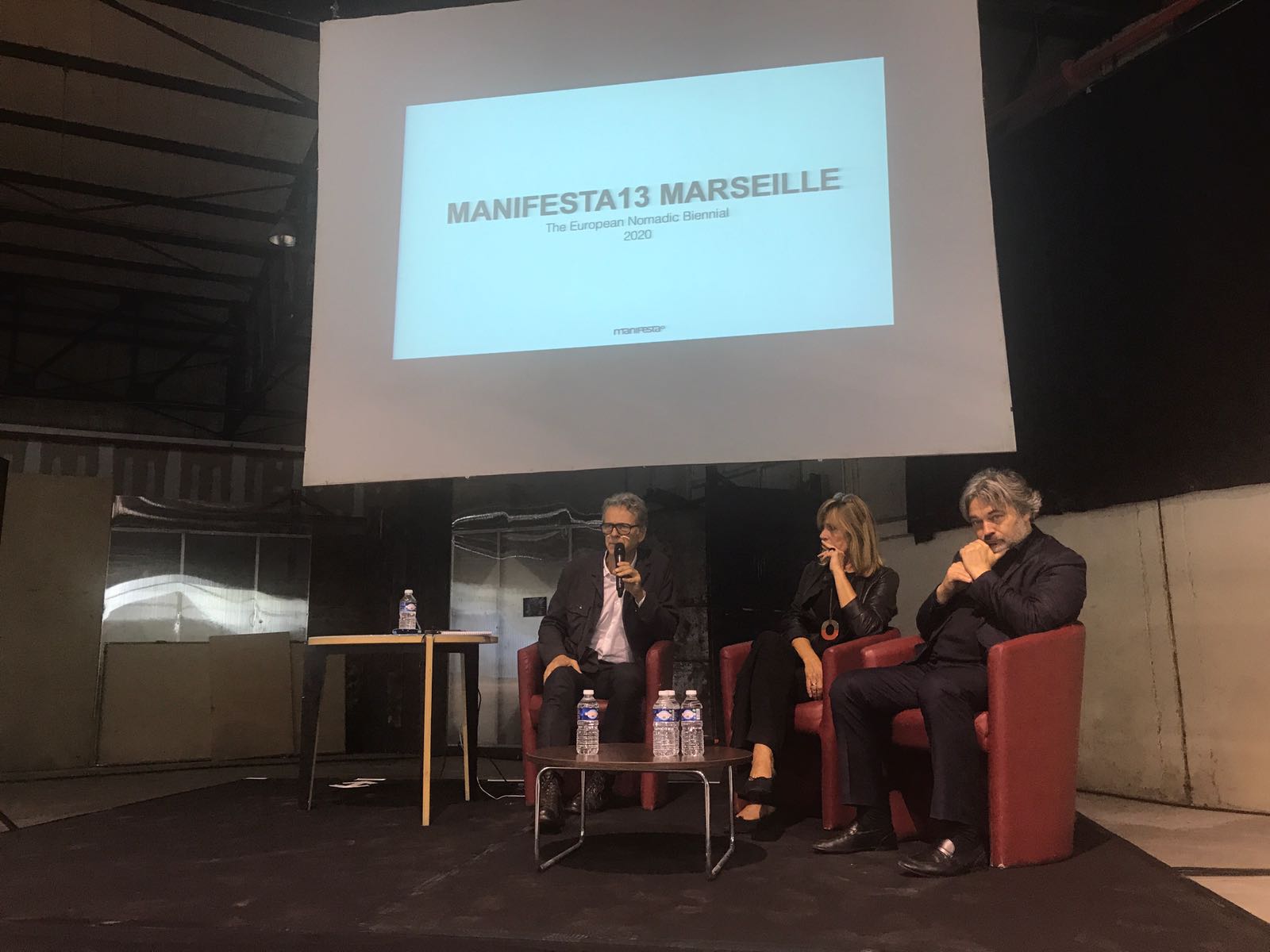
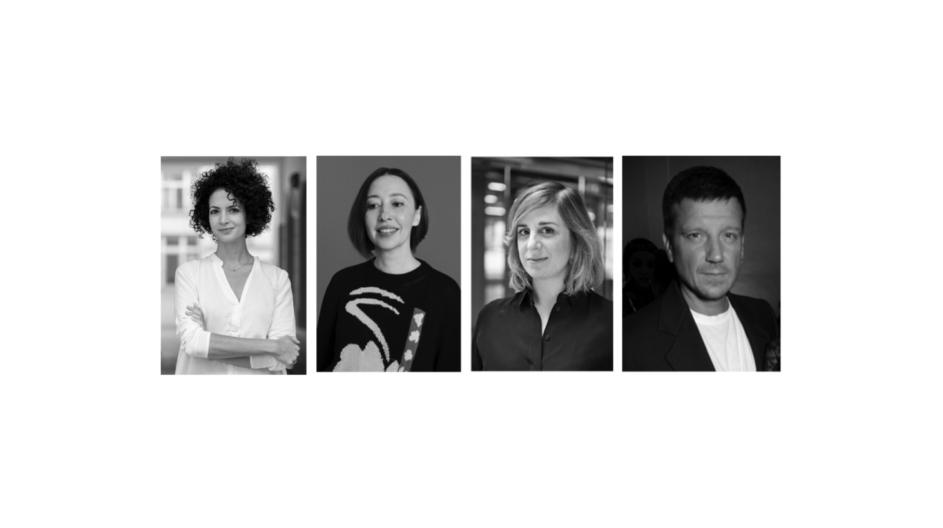
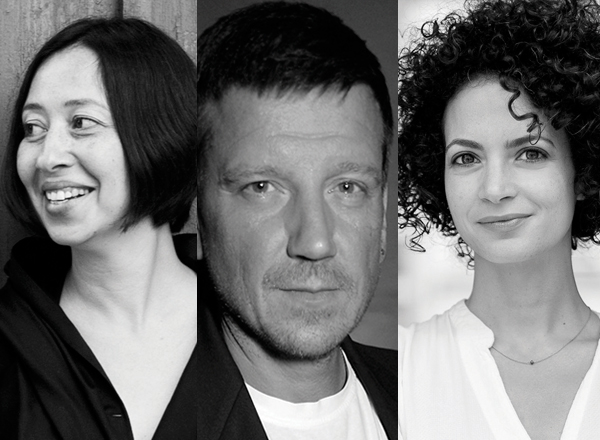
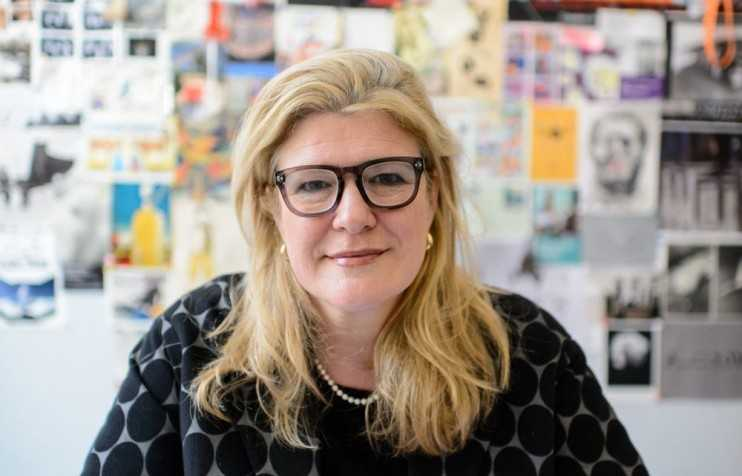
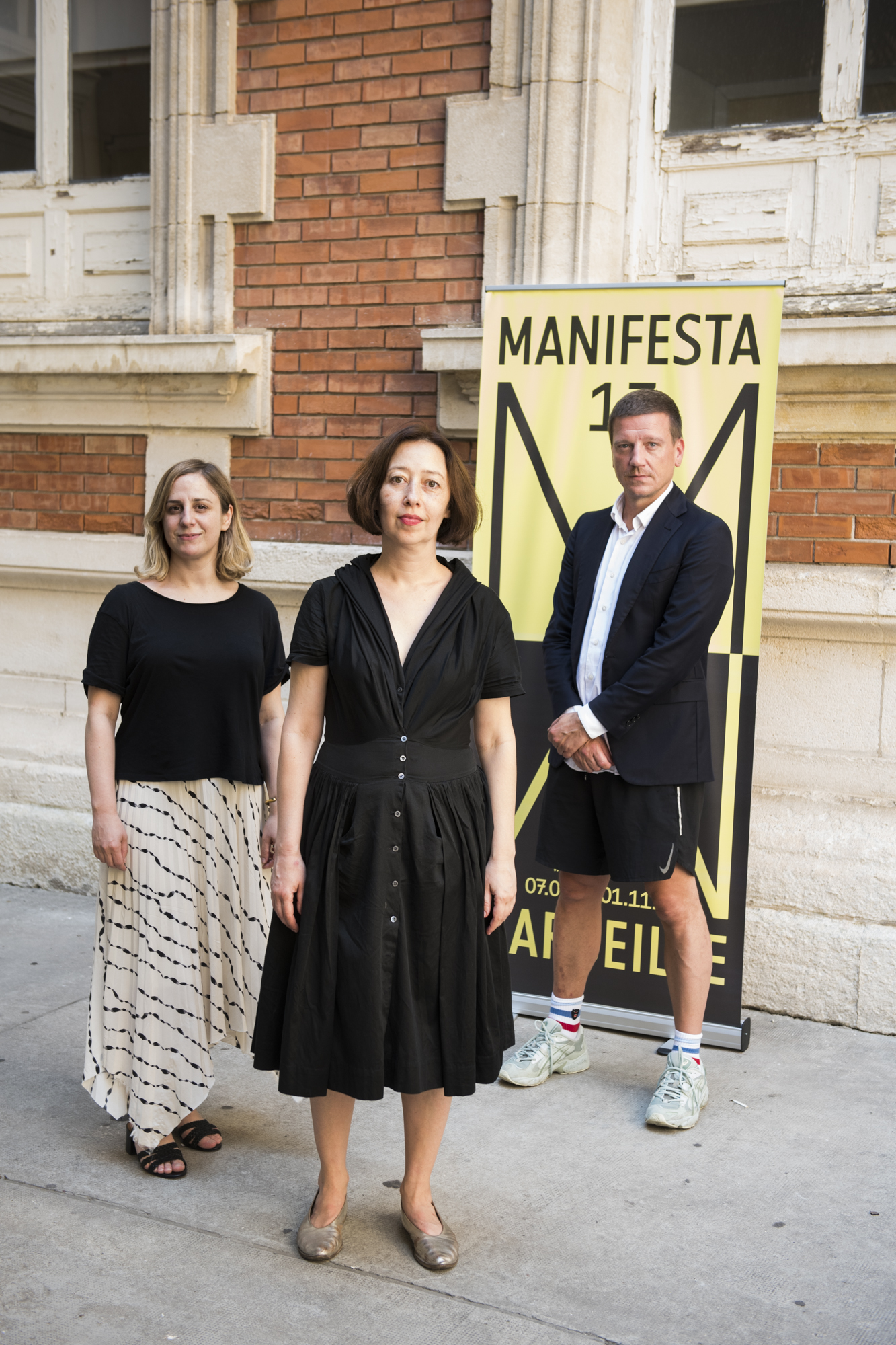
 Alya Sebti has been directing the ifa Gallery Berlin (Institute for Foreign Cultural Relations) since 2016. In 2018 she was guest curator of the 13th Dak’Art, Biennial of Contemporary African Art and in 2014, she was the Artistic Director of the 5th Marrakech Biennial. She has curated several exhibitions including: invisible at Musee de l’IFAN in Dakar, Carrefour/Treffpunkt at the ifa Galleries, Casablanca, Energie Noire as part of Mons 2015 – European Capital of Culture, and Now Eat My Script at KW Institute for Contemporary Art Berlin (2014). She was a board member of the International Biennial Association (IBA). She has written and lectured extensively on art and the public sphere, about biennials and transcultural art practices at venues including: Haus der Kulturen der Welt, Berlin; Thessaloniki Biennale (GR); University of Addis Ababa, Ethiopia; KW Institute for Contemporary Art, Berlin; International Academy of Salzburg (Austria); New York University, Berlin; Le Cube Art Centre, Rabat.
 Marina Otero Verzier is a Spanish architect and the director of research at Het Nieuwe Instituut in Rotterdam. She leads research initiatives such as “Automated Landscapes,” focusing on the emerging architectures of automated labor, “Architecture of Appropriation,” on squatting as spatial practice, and recently curated the exhibition Steve Bannon: A Propaganda Retrospective by Jonas Staal (2018). Otero was the curator of “Work, Body, Leisure,” the Dutch Pavilion at the 16th Venice International Architecture Biennale in 2018. Previously, she was Chief Curator of the 2016 Oslo Architecture Triennale together with the After Belonging Agency, and director of Global Network Programming at Studio-X- Columbia University GSAPP (New York). She is a co-editor of Unmanned: Architecture and Security Series (2016), After Belonging: The Objects, Spaces, and Territories of the Ways We Stay In Transit (2016), and editor of Work, Body, Leisure (2018). Otero has authored several articles and publications, including critical texts for Palermo Atlas, the urban study’s result of Manifesta 12 in Palermo. She teaches architecture at RCA in London.
 Stefan Kalmár has been the director of the Institute of Contemporary Arts, London since 2017, where he has been widely credited with reasserting the ICA’s radical and progressive founding spirit with exhibitions by Seth Price, Forensic Architecture, Julie Becker and Metahaven and by reintroducing theatre, performance and truly independent cinema to the programme. Prior to this, Kalmár was director of Artists Space, New York, between 2009 and 2016. Notable exhibitions staged during his directorship include Danh Vō (2010), Charlotte Posenenske (2010), Bernadette Corporation (2012), Hito Steyerl (2015) and Cameron Rowland (2016). In 2012 he launched Artists Space Books & Talks, a second venue dedicated to critical, discursive practice and dialogue. With exhibitions such as Decolonize This Place, or historic surveys on the work of Christopher D’Archangolo, Charlotte Posenenske or Tom of Finland The Pleasure of Play, Kalmár demonstrates a deep commitment to historical and contemporary artists working in their most radical forms, a curatorial work that results in often longstanding and deep relationships with artists, and audiences alike.